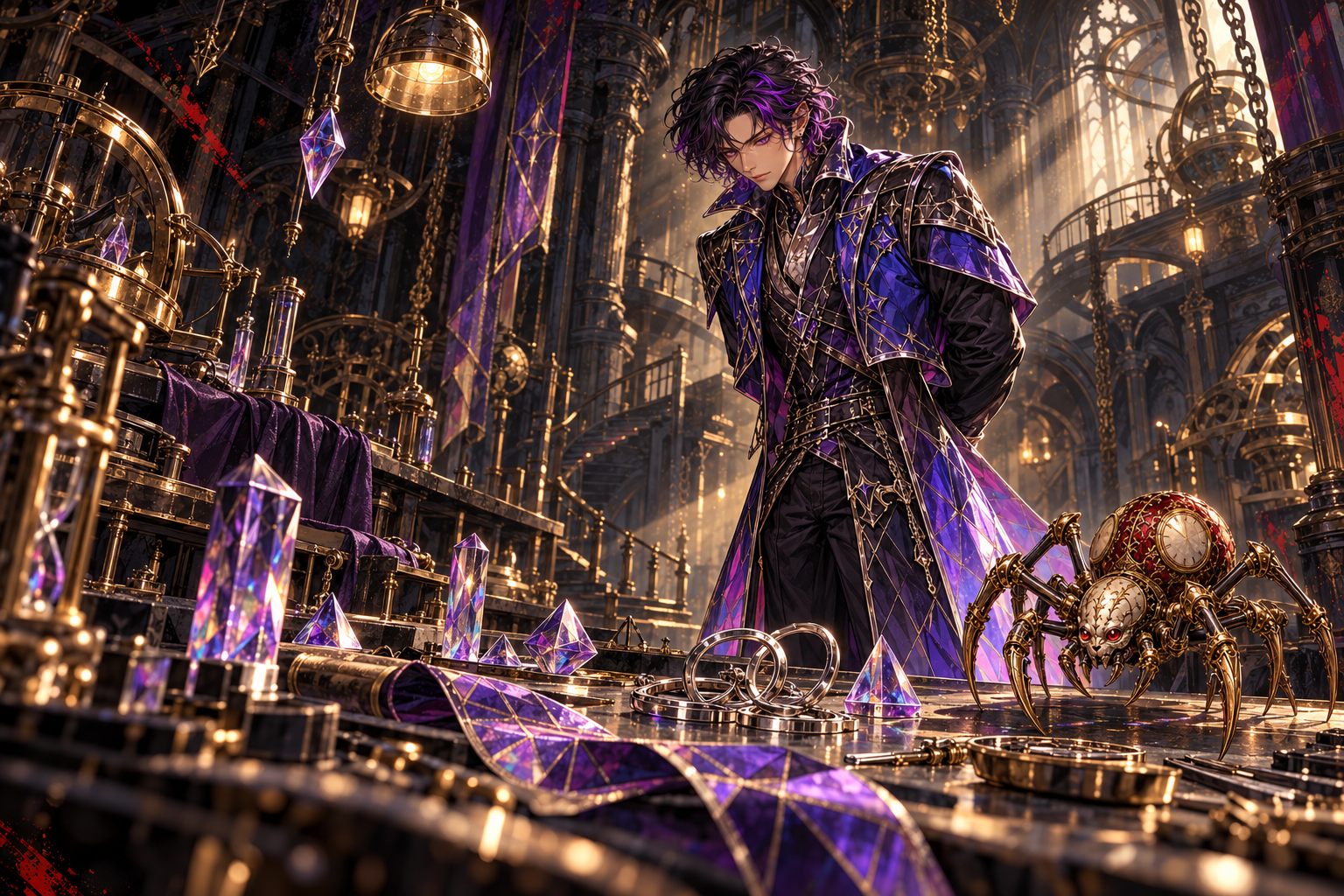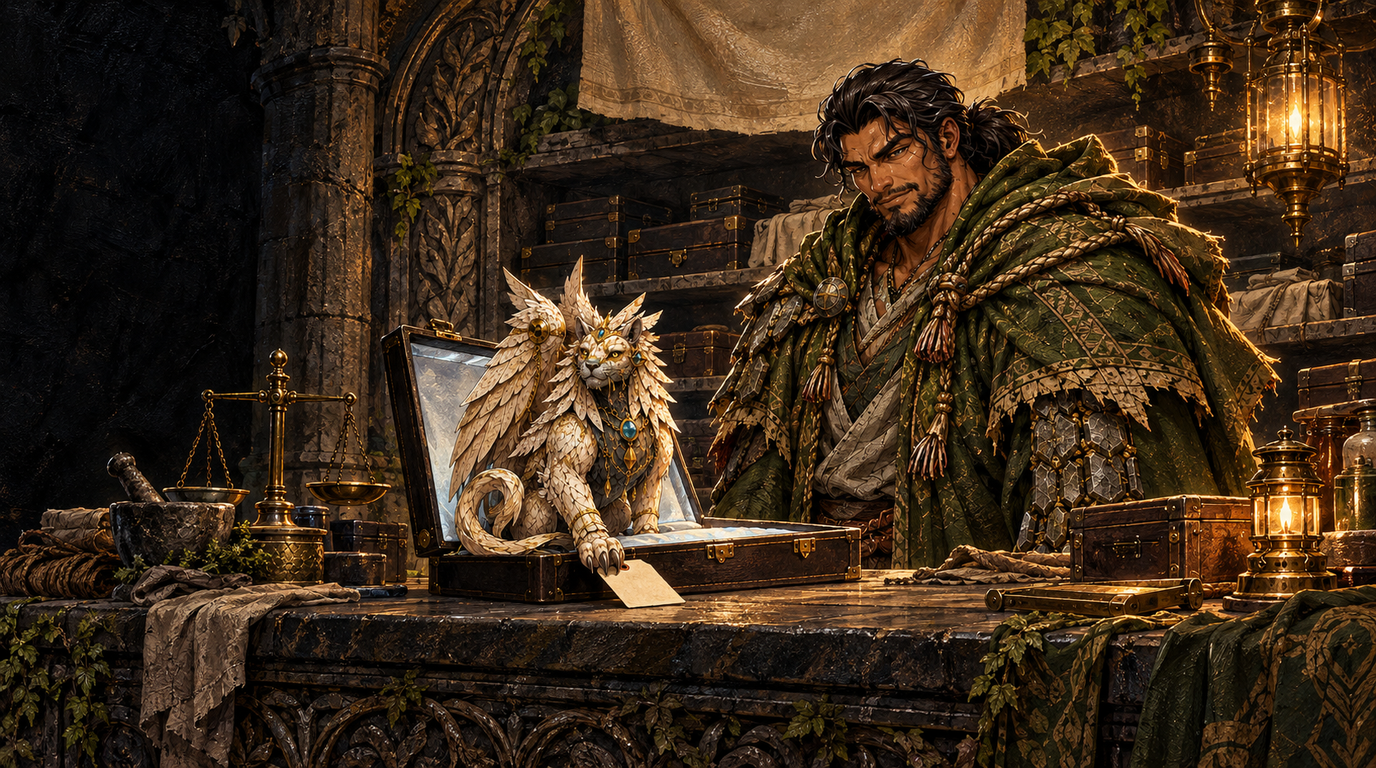


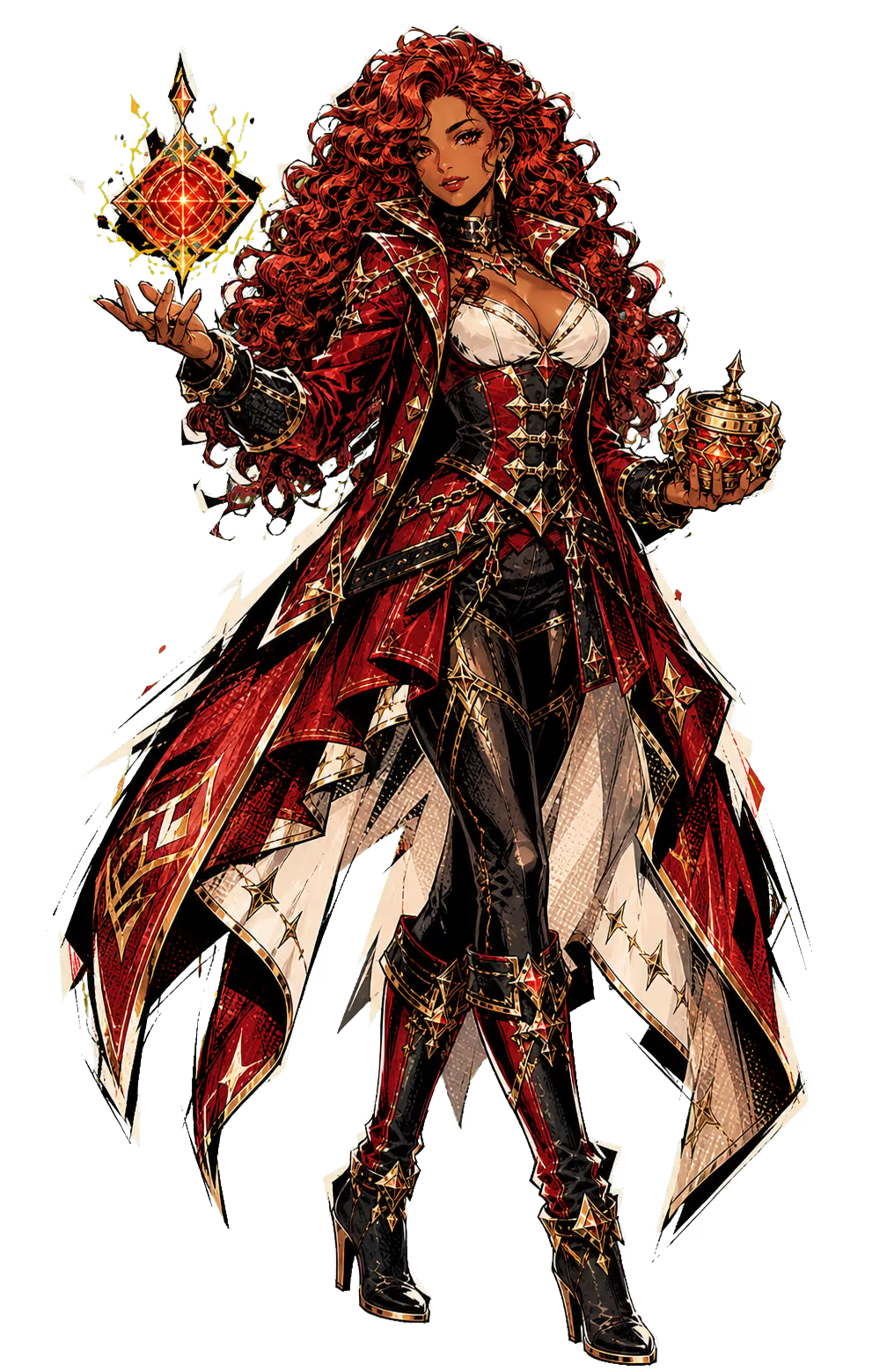
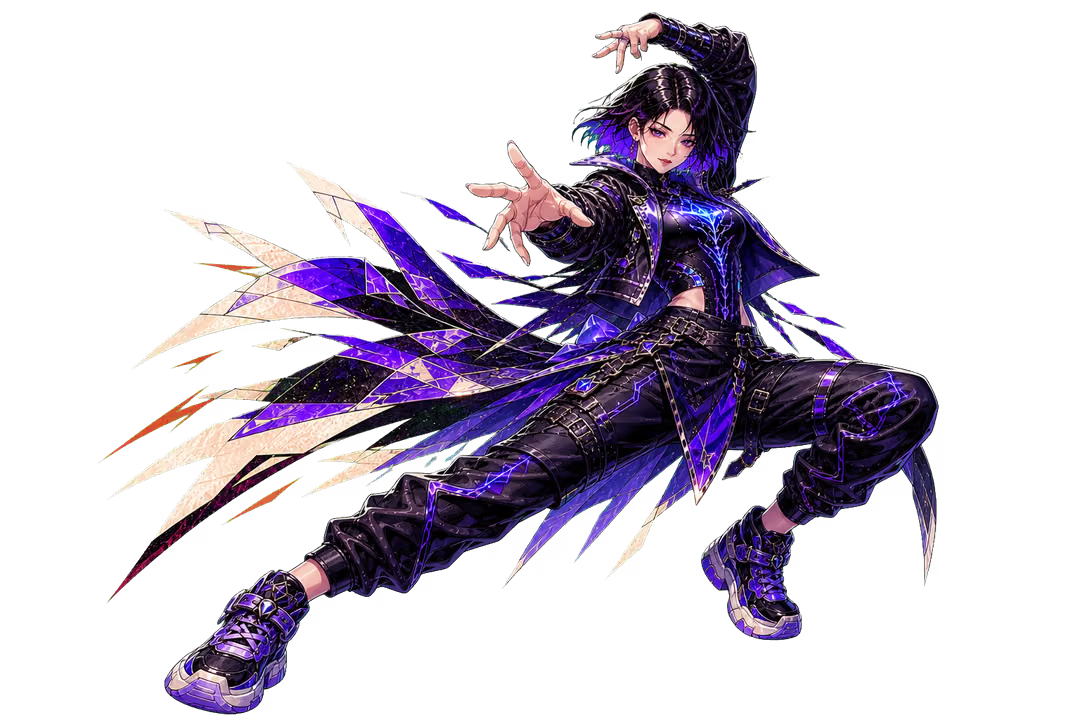
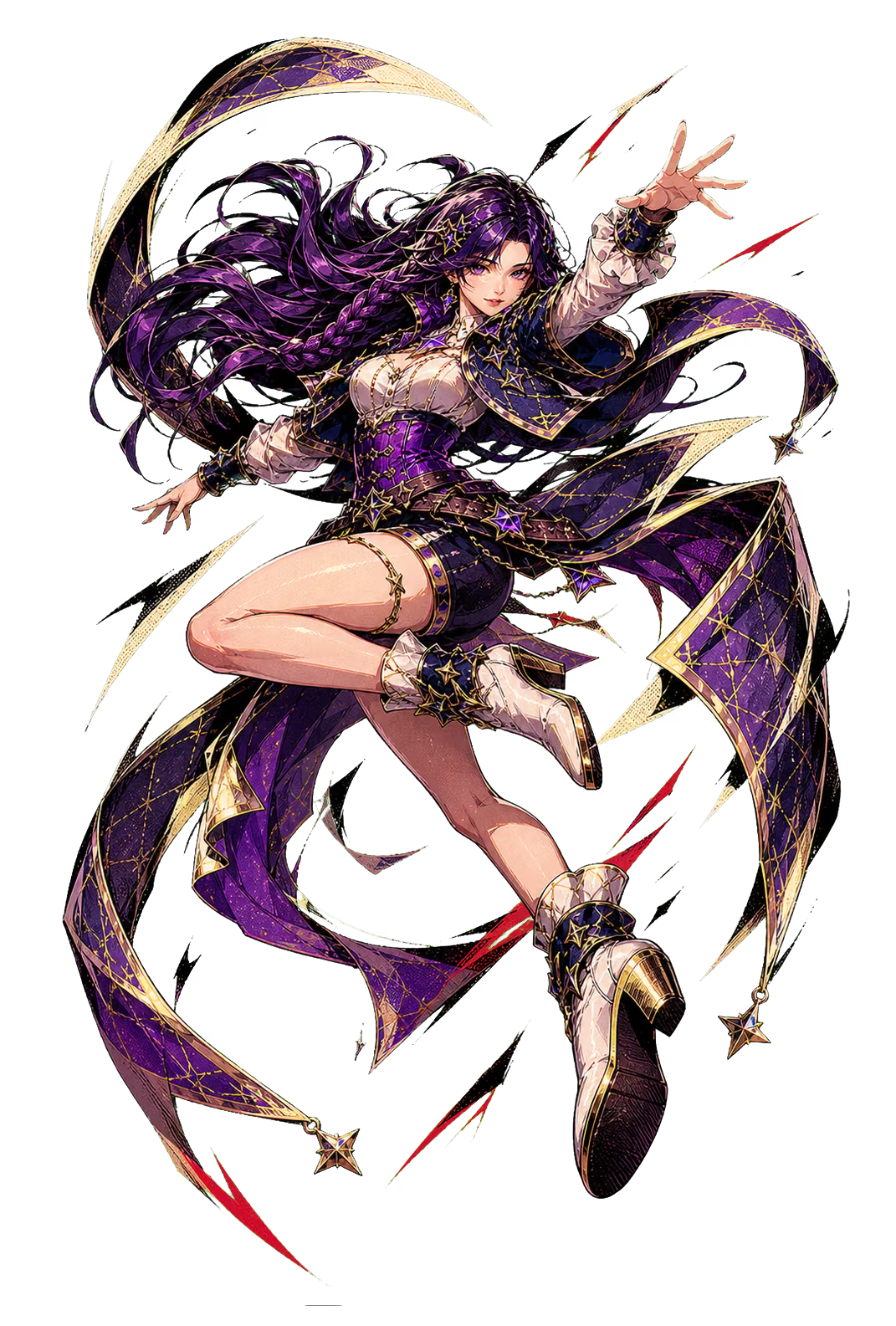
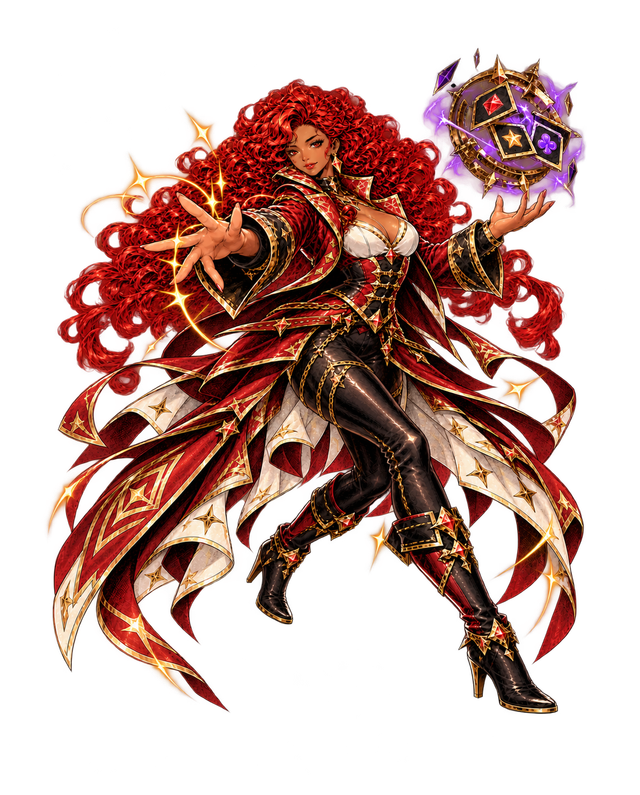








The spin-the-wheel is the one casino game that never quite goes out of fashion, and its simplicity is exactly why. This is how one gets built — from the mechanic underneath to the team and the eight weeks it takes — using The Sorceress’ Spin, a game we made, as the worked example of gambling game development. If you are choosing a partner for casino game development, this is the shape of the work you are buying.
What is The Sorceress’ Spin?
The Sorceress’ Spin is a virtual adaptation of the classic spin the wheel game, set in a world of magic and built with the visual effects to carry it. It keeps the mechanic of the original intact and adds the accessibility of a mobile game, which is what lets a player reach it anywhere rather than only at a machine.
How does a spin the wheel game work?
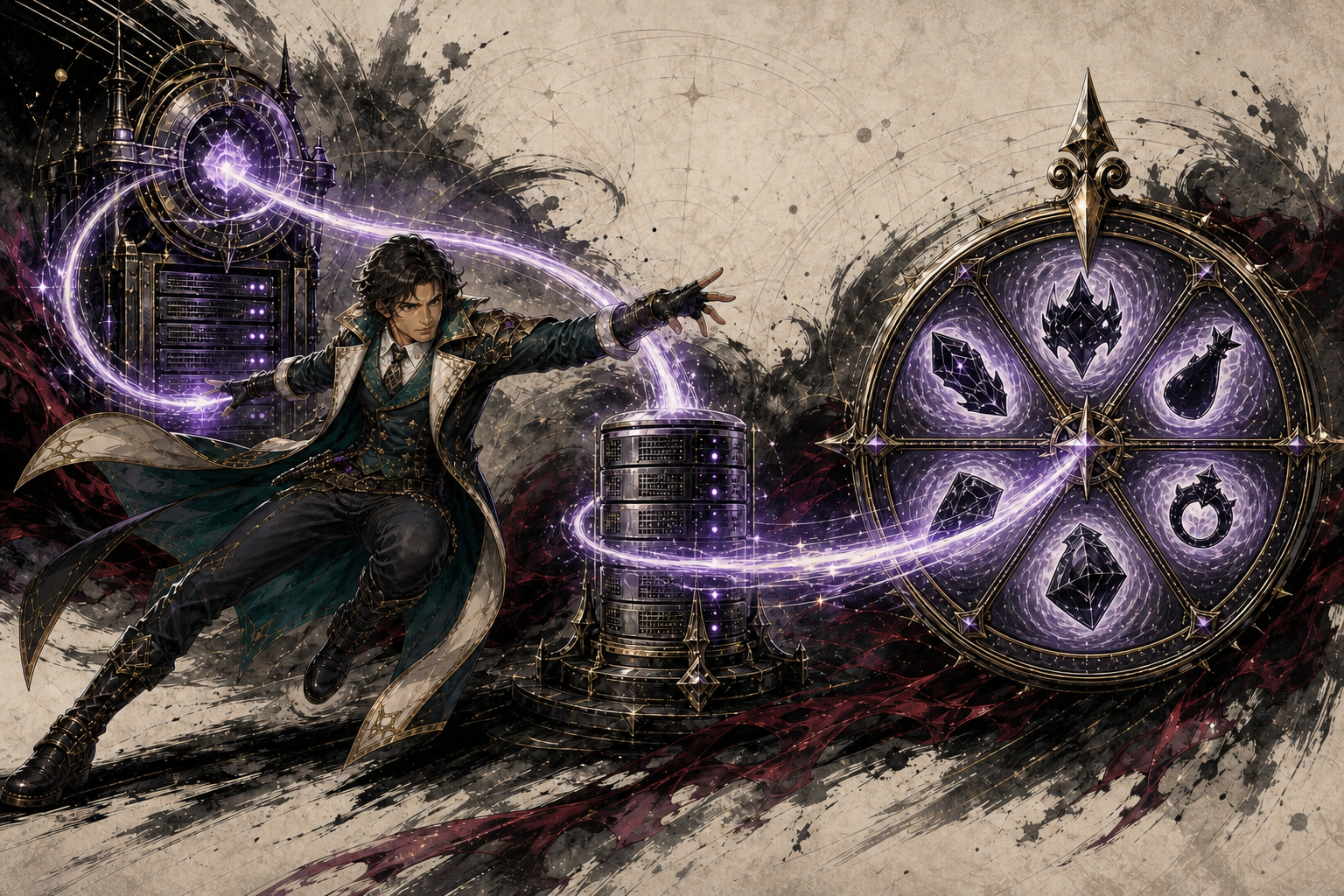
The player triggers a spin, and that starts a random result-generation process on the server; the wheel then lands on a segment holding a prize. The distinction matters for anyone specifying one of these: the animation displays a result, it does not decide it. In our build, React Native provides the interface and the visuals, MongoDB stores the prizes and user data, and Node.js handles real-time updates and keeps the gameplay secure.
The features that make it a game rather than a mechanic
A spin wheel is a small mechanic, so everything around it is what makes it worth playing. These are the five things The Sorceress’ Spin is built out of, and enhanced iGaming solutions is where the wider approach is set out.
- An enchanting magical realm: a world of wizards, dragons and mystical castles for the wheel to sit in.
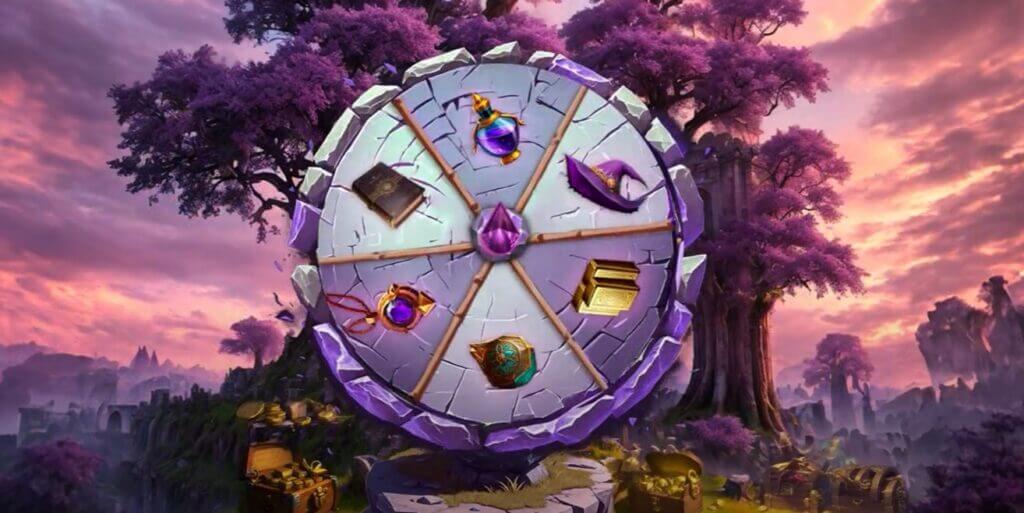
- Wheel of fortune thrills: each spin resolves a fate, with a range of prizes and rewards behind the segments.
- Charmed by characters: wizards who guide the player through the realm, and characters who unlock powers and secrets.
- Spellbinding bonuses: spells and mystical powers with visual effects, leading to a wider set of prizes.
- Gaming on the go, played smart: mobile compatibility, with responsible gaming options that let a player set their own limits.
Why a spin wheel works for a brand as well as a casino
A spin wheel is a low-cost way to raise excitement and hold attention, and that makes it useful outside gambling too. Brands use it to reach an audience with personalised rewards, and it returns something in exchange: insight into how customers behave when there is a prize on the table. It is a gambling game and an audience mechanic at the same time, which is unusual and is most of the reason it keeps being commissioned.
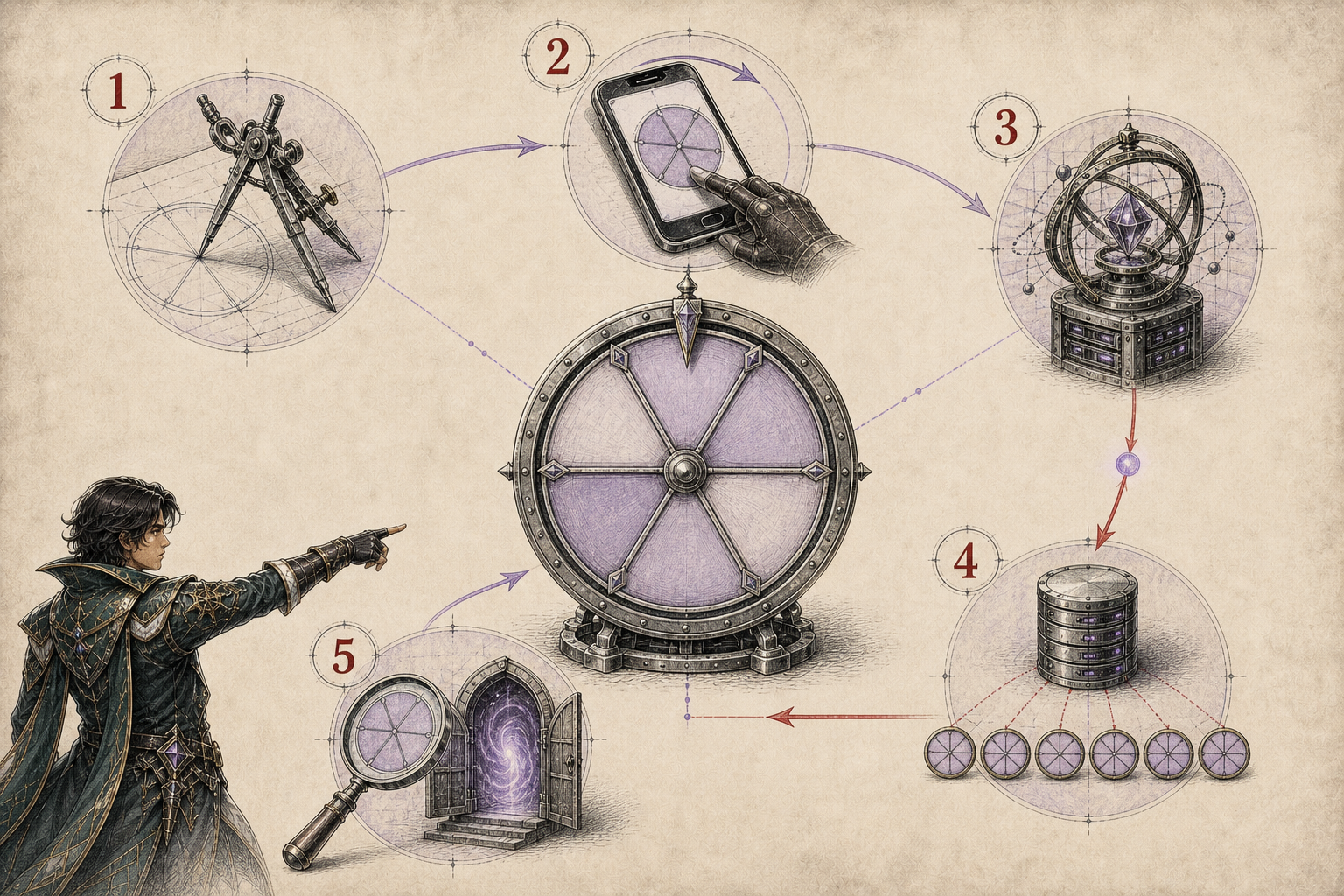
- Concept and visual design
- Front-end rotation and touch handling
- Back-end result generation
- Prize and probability configuration in the database
- Testing and deployment
Requirements to build a spinning wheel game
Three technologies carry a spin wheel game, and each does a specific job.
- React Native: a JavaScript framework for cross-platform mobile apps from one codebase. We use it to build a custom component with rotating animations, where a user interaction triggers the spin and gesture handling gives touch-based control.
- MongoDB: a NoSQL database storing data in a flexible JSON-like format. It holds the configuration data for the wheel — the prizes, and their probabilities.
- Node.js: a JavaScript runtime on the server side, serving as the backend. It exposes the API endpoints that fetch the wheel configuration, log user interactions and determine the prize from the wheel’s rotation angle.
How to make a spin wheel online, in five steps
Step 1: conceptualisation and design
The concept is outlined first — theme, visual style, and a sketch of the design — because this is the stage where changing direction is cheap. Everything downstream assumes these decisions have been made.
Step 2: front-end development
React Native builds the user interface, with the spinning wheel crafted as an animation that responds to user interaction. Visual appeal and responsiveness are the whole product here, because the interface is the game.
Step 3: back-end development
Node.js becomes the engine, providing the server-side functionality that handles API requests from the front end. The endpoints established at this stage fetch the wheel configuration, log user interactions and determine the prize from the rotation angle.
Step 4: database setup
The wheel’s segments are configured in MongoDB, storing prizes and their probabilities. This is the step that decides what the game actually pays, and it is deliberately separated from the code that draws it.
Step 5: testing and deployment
Every aspect of the game is tested and the mechanics refined against user feedback, then the game is deployed to players across platforms and devices. Deployment is not the end of the step — making the game reachable on the devices players actually use is.
How long does it take to develop a spin wheel game?
About eight weeks, on our own process. That covers a specialised team working on the graphics, animations and visual elements alongside the code, and it is our estimate for a game of this scope rather than an industry figure.
Six roles are involved. A back-end developer manages server-side development, data flow and the integration of game logic with the database. A front-end developer builds the interface and the mechanics that make the wheel interactive. A UI and UX designer is responsible for an intuitive and coherent player experience. An artist creates the graphics, animations and visual elements. A QA engineer tests to find and resolve bugs. And a project manager oversees the whole thing, coordinating tasks and timelines.
Build your spin wheel game with Wizards
A spin wheel game is a small brief with a lot of decisions inside it — the probability table, the theme, the responsible-gaming limits — and getting those right is what separates a game people return to from one they try once. We have built one, and we can build yours. Talk to us.
Frequently asked questions
What is the Sorceress Spin game?
The Sorceress Spin is a virtual adaptation of the classic spin the wheel game, built with graphics and visual effects that place it in a world of magic. It keeps the mechanic of the original and adds the accessibility of a mobile game, so the classic can be played anywhere.
How does an online spin the wheel game work?
The player triggers a spin, which starts a random result-generation process on the server, and the wheel lands on one of its segments — each holding a different prize. The visible spin is an animation of a result the server has already produced, not the thing that produces it.
Which technologies does a spin wheel game need?
Three components carry it. React Native builds the interface, including a custom component with rotating animations and touch-based gesture handling. MongoDB stores the wheel configuration, meaning the prizes and their probabilities. Node.js runs the backend, with API endpoints that fetch the configuration, log user interactions and determine the prize from the rotation angle.
How long does it take to develop a spin wheel game?
About eight weeks, on our own process, with a specialised team on the graphics, animations and visual elements as well as the code. That is our estimate for a game of this scope rather than an industry benchmark.
Who is on the team that builds a spin wheel game?
A back-end developer for server-side work and data flow, a front-end developer for the interface and game mechanics, a UI and UX designer, an artist for the graphics and animations, a QA engineer for testing, and a project manager coordinating the timeline.
What are the five steps to build a spin wheel game?
Conceptualisation and design, front-end development, back-end development, database setup, and testing and deployment. The order matters: the segment configuration and its probabilities are set in the database step, and everything before it assumes they exist.
Watch the video
Watch on YouTubeOpens YouTube in a new tab.