



















This article was originally marked as updated, but the linked follow-up is no longer available.
Facebook’s outage began at around 11.45 a.m. ET and lasted at least six hours, taking out communications platforms that billions of people and businesses use every day. Instagram and WhatsApp went with it.
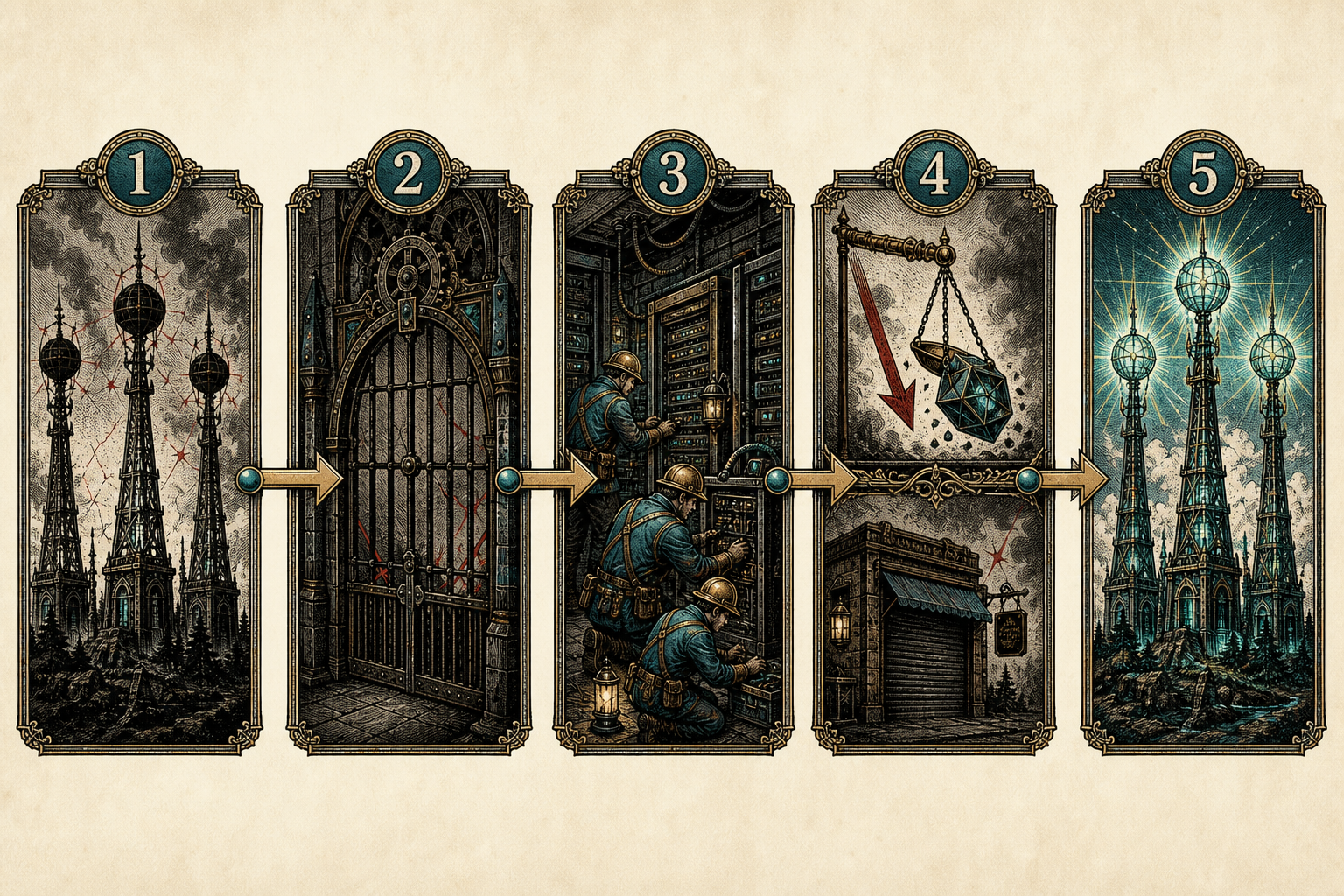
- Around 11:45 a.m. ET — public communication services become unavailable
- Internal security and scheduling tools fail with the public services
- A small team is reportedly sent to reset servers physically in Santa Clara
- The interruption reaches market value and businesses dependent on the platforms
- Around 6 p.m. — Facebook, Instagram and WhatsApp return online
What Facebook said
The company apologised on Monday afternoon for the disruption to everyday communication. Mike Schroepfer, its chief technology officer, tweeted:
“Sincere apologies to everyone impacted by outages of Facebook-powered services right now, we are experiencing networking issues and teams are working as fast as possible to debug and restore as fast as possible.”
What caused it
The root of the issue had not been identified when this was written, but cybersecurity experts were confident about what it was not: a cyberattack. The evidence pointed instead at Facebook’s own systems and internal issues.
How far inside the company it reached
The outage took Facebook’s internal systems down with the public ones, including security and scheduling tools. The Times reported that some employees could not even get into buildings.
Fixing it meant going to the hardware: the company dispatched a small group of employees to reset servers manually in Santa Clara.
What it cost
More than $50 billion of market capitalisation went with the six hours, in the stock’s worst day of trading in almost a year, and Mark Zuckerberg’s personal wealth was hit with it.
The larger loss is harder to count. Small businesses that depend on Facebook for their revenue lost more than money for the day the platform was gone.
What else went wrong that day
Twitter, Facebook’s rival, posted “hello literally everyone” to almost half a million retweets, and the memes followed. Then Twitter had thousands of reported issues of its own that afternoon, and according to DownDetector both Gmail and LinkedIn had problems during the blackout.
Facebook, Instagram and WhatsApp came back online at 6 p.m.
What a business should take from it
A presence you do not own can be switched off without warning. Global Wizards works on digital presence across the channels a business controls as well as the ones it rents, building brand awareness, customer loyalty and satisfaction on both.
Read more about us, see our works, or talk to us about where your audience actually lives.
Frequently asked questions
How long were Facebook, Instagram and WhatsApp down?
The outage began at around 11.45 a.m. ET and lasted at least six hours. The services came back online at 6 p.m.
What caused the outage?
The root of the issue had not been identified at the time of writing. Cybersecurity experts were confident it was not caused by a cyberattack, and that it related instead to Facebook’s own systems and internal issues.
What did Facebook say about the outage?
Mike Schroepfer, Facebook’s chief technology officer, tweeted: “Sincere apologies to everyone impacted by outages of Facebook-powered services right now, we are experiencing networking issues and teams are working as fast as possible to debug and restore as fast as possible.”
How did the outage affect Facebook internally?
It disrupted internal systems including security and scheduling tools. The Times reported that some Facebook employees could not even enter buildings because of it, and the company dispatched a small group of employees to reset servers manually in Santa Clara.
What did the outage cost Facebook?
More than $50 billion of market capitalisation, in the stock’s worst day of trading in almost a year. Mark Zuckerberg’s personal wealth was hit with it — but small businesses that depend on Facebook for their revenue lost more than money.
Were other services affected that day?
Twitter itself reported thousands of issues on Monday afternoon, and according to DownDetector both Gmail and LinkedIn also had problems during the blackout.