
















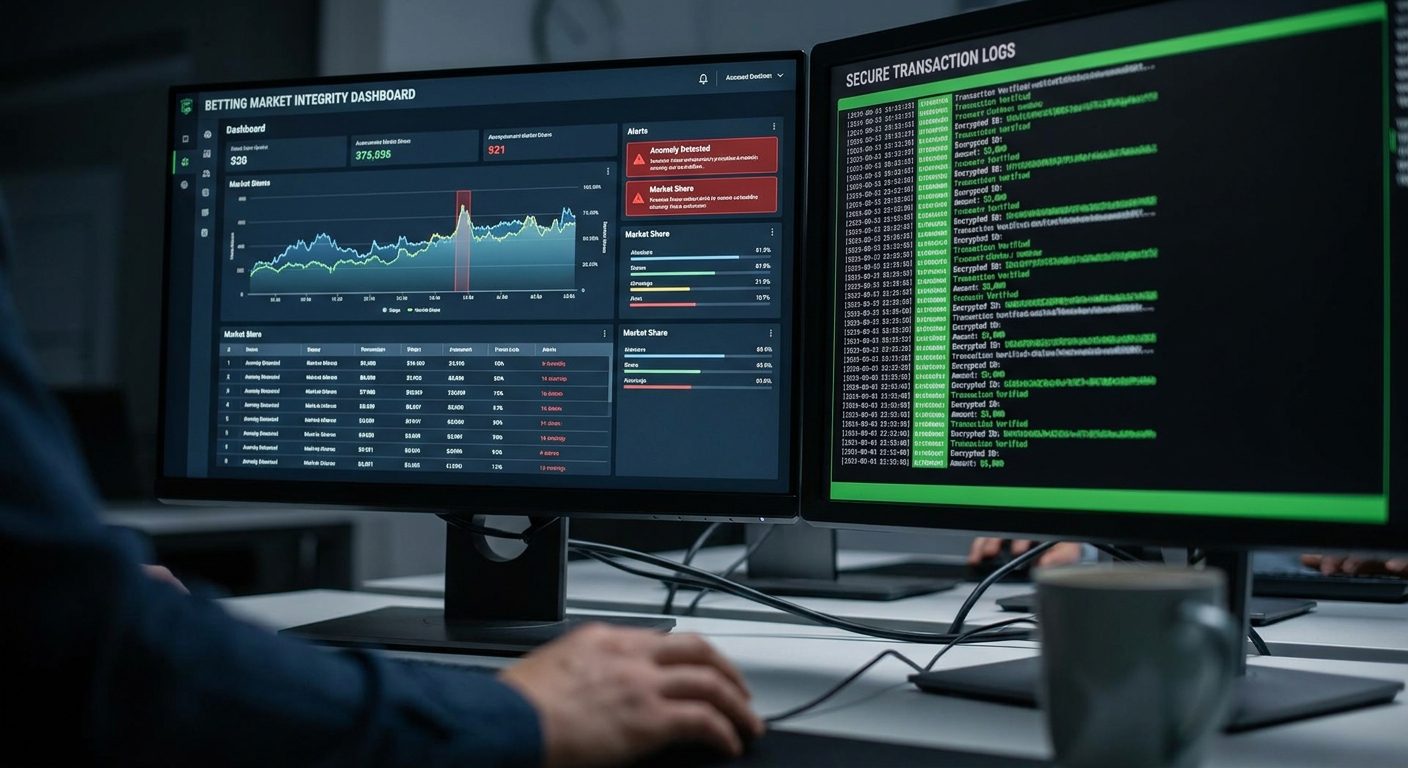

GLI-33 serves as the primary technical benchmark for sports betting systems in jurisdictions such as Ontario, where regulators require certification before licensed operators can go live. Passing a GLI-33 audit confirms that your wagering engine and risk management protocols handle transactions with technical integrity.
Failure to meet these standards often results in significant launch delays and potential regulatory scrutiny before you even take your first bet. Many operators work with our specialists who provide iGaming certification services to identify technical gaps before formal lab testing begins.

Why GLI-33 differs from GLI-19 for sportsbook platforms
GLI-19 and GLI-33 test different technology entirely. GLI-19 covers interactive gaming systems such as digital slots and table games, while GLI-33 applies specifically to event wagering systems, the software layer that powers sportsbook operations. Our overview of GLI certification breaks down how these standards fit into the broader compliance landscape.
Confusing the two standards creates real technical risk. A platform certified under GLI-19 for its casino games is not automatically compliant for sports betting, and vice versa. Operators launching both verticals typically need separate certification tracks, each evaluated against its own technical requirements and audit criteria.
The technical domains where most sportsbook audits succeed or fail
The scope of this standard encompasses three technical layers: the wagering engine, client devices, and background systems. Testing labs examine how your platform processes interactions, from the initial price pull to final wager settlement. A GLI-33 certification confirms that no single point of failure can compromise the betting market or player funds.
Wagering engine logic is the most scrutinized area during the evaluation process. Labs verify that your sports gambling software correctly calculates payouts, handles parlays with complex legs, and manages minimum and maximum bet limits consistently. Security protocols also fall under this umbrella, requiring robust encryption for all data transmissions between the player and the server to prevent unauthorized access or tampering.
Back-end support systems must maintain comprehensive audit trails for every transaction and system event. This includes logging all administrative changes, such as manual price adjustments or bet overrides, which regulators require for post-event investigations. Reporting modules are tested to ensure they generate accurate daily revenue and tax reports, which are essential for maintaining a valid license in highly regulated markets.
Integrating a certified engine into your stack is simpler when using pre-vetted sports betting software designed for high-volume markets. This approach reduces the likelihood of architectural revisions late in the development cycle, as the core wagering logic already aligns with the expectations of major testing laboratories and state regulators.
How the GLI-33 process affects your launch timeline
Entering a regulated market requires a technical submission that typically takes several weeks to review. The GLI-33 evaluation begins with a pre-testing phase where labs flag potential logic gaps before you file formal documentation, avoiding a “fail” report that would force a full resubmission. Our guide to starting a sportsbook covers the licensing steps that run alongside this process.
The quality and completeness of your technical documentation are the biggest variables in the certification timeline. Labs require detailed descriptions of your Random Number Generators, wagering logic, and data retention policies. Inconsistencies between your code and your documentation trigger requests for information, which can stall the process for days or weeks.
Once the lab completes its evaluation, it issues a formal report to the relevant gaming commission. In many jurisdictions, you cannot go live until the regulator reviews and accepts this report, which can take an additional two to four weeks. Any delay in the lab phase pushes back your revenue generation date and may cost you major sporting events.
Testing environments must mirror your production setup as closely as possible to ensure results are valid. If you make substantial changes to the code after the lab finishes testing, you may need a delta-audit: a targeted review confirming the new code does not affect the previously certified components of the system.

Technical gaps that often cause sportsbooks to fail an audit
Logic for voiding and canceling bets is the most frequent technical hurdle for operators. Technical debt here often leads to failed audits when systems fail to revert player balances or update risk limits instantly. If a platform cannot handle a late-scratch event without corrupting the database state, the lab will likely issue a deficiency report.
Significant event logging is another area where many startups struggle during a technical review. Regulators require that every critical action, from a password change to a server reboot, is captured with a timestamp, IP address, and user ID. The following table highlights common technical requirements and the typical failure points observed during the certification process.
| Technical Requirement | Common Failure Point |
|---|---|
| Wager Cancellation | Logic fails to revert player balance or update risk metrics in real-time. |
| Significant Events | Logs omit critical metadata like terminal IDs or specific user permissions. |
| Resulting Integrity | Wagering engine accepts results from unverified or unauthenticated sources. |
| Data Retention | Automatic purging cycles wipe audit logs before the required statutory period. |
| Error Recovery | System fails to maintain wager state during a sudden database disconnection. |
Reporting inconsistencies frequently emerge when the back-end data does not match the front-end display. If the player’s transaction history shows a different balance than the administrative dashboard, the platform is considered non-compliant. These discrepancies often stem from synchronization issues between the wagering engine and the player account management system during peak load times.
Security vulnerabilities in the API layer can also lead to a failed audit. Labs test for common exploits like injection attacks or broken session management that could let a user place a bet after an event has started. Properly authenticated, rate-limited API endpoints are fundamental to meeting the standard’s security requirements.
Why kiosks and mobile apps have different GLI-33 requirements
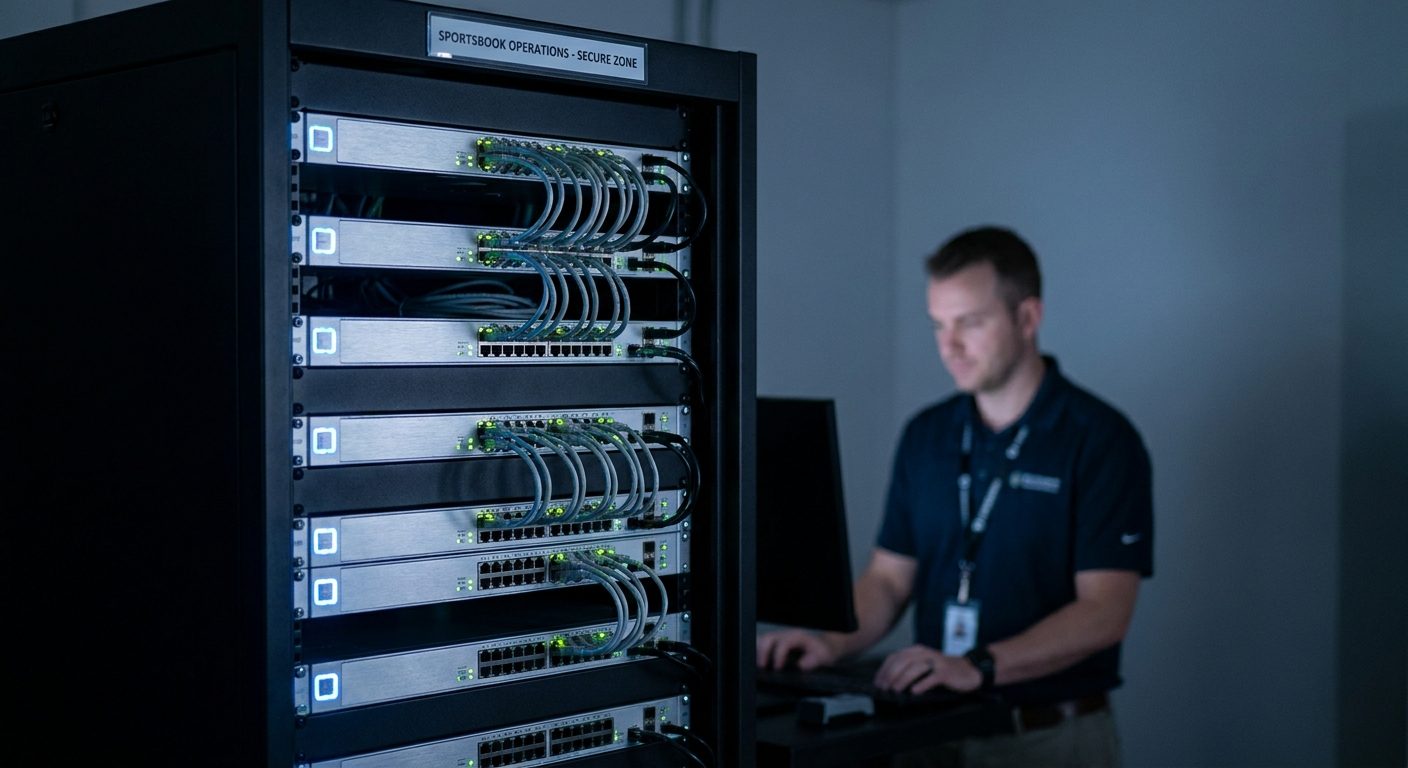
While the back-end wagering engine might be identical for both channels, the delivery method changes the compliance burden significantly. Physical kiosks require a hardware security audit covering physical tampering, peripheral device integrity, and BIOS security. Labs check that the kiosk cannot be manipulated via USB ports or other external interfaces to influence a wager’s outcome.
Mobile applications face unique challenges, primarily focused on geolocation precision and session security. To satisfy testing requirements, mobile apps must prove they can accurately determine if a player is within licensed territory before accepting a bet. Any failure in the geolocation handshake or GPS spoofing vulnerability will result in a compliance failure.
Session management on mobile devices must be robust enough to handle frequent disconnections without losing transaction data. If a player loses their connection mid-wager, the system must either complete the transaction from the last known state or revert it safely. Multi-channel operators need this consistency across every player touchpoint.
Retail environments also demand power management and data recovery features that mobile users do not need. Kiosks must recover their exact state following a power failure, ensuring no bets are lost or duplicated during reboot. These hardware-specific tests are often performed in person or via remote access to a localized testing environment.
What steps to take after receiving your technical report
Receiving a passing certificate does not end the compliance cycle; it starts the formal change management phase. Any substantial update to your wagering engine likely requires re-certification from the testing lab. Most regulators require notice of “critical” code changes, and a clear internal workflow for documenting them helps you avoid unauthorized deployments that could lead to license suspension.
Consulting with an experienced iGaming compliance team helps you navigate post-certification maintenance, from documenting software updates to meeting ongoing gaming commission expectations. Data retention remains a continuous requirement: your servers need sufficient capacity to store years of transactional data and system logs, and regularly testing backup and recovery procedures ensures you can produce records quickly during an audit.
Reach out to our team at Wizards when you are ready to prepare your sportsbook platform for its technical audit. We focus on streamlining integration and technical compliance so your wagering engine meets local standards without major re-engineering. Let’s discuss what your event wagering project needs to reach its launch deadline.
Frequently asked questions about GLI-33 standards
How does GLI-33 differ from GLI-19 for interactive gaming?
GLI-33 governs event wagering systems, while GLI-19 governs interactive gaming systems like slots. The two standards use separate testing protocols, so a passing GLI-19 report cannot substitute for a GLI-33 audit, or the reverse. A platform that combines sportsbook and casino products needs both certifications, planned in sequence.
Which testing labs are authorized to issue these certificates?
Gaming Laboratories International authored the standard, but other independent, accredited testing labs are often authorized to perform the evaluation. You should verify which labs a specific regulator, such as the Pennsylvania Gaming Control Board, recognizes before scheduling your audit to ensure the results are legally valid.
Does a GLI-33 certificate allow me to operate in multiple US states?
A certificate does not provide automatic passporting because each state, such as Colorado or Michigan, maintains its own regulatory nuances. While the GLI-33 framework provides the technical foundation, local regulators may add specific requirements for tax reporting. Generally, the core technical report can be repurposed to streamline submissions across different North American markets.
How long does the technical evaluation typically take?
The lab testing phase for a new platform can take anywhere from several weeks to a few months, depending on platform complexity and how much remediation the code needs. Submitting complete documentation upfront is what most often keeps that window from stretching.
What is the impact of using a third-party risk management service?
If you integrate a third-party feed like Sportradar or Genius Sports, the lab must verify how your engine handles their data. The audit focuses on the communication security between your platform and the provider’s API. Specifically, the system must demonstrate it can handle a data feed outage without leaving active markets in an unverified state.
Is a source code review part of the standard evaluation?
Labs perform functional testing and a limited source code review to verify the wagering engine’s logic. This includes examining the algorithms used for odds calculation. In jurisdictions like West Virginia, the regulator may request deeper access to repositories. Organizing these files to match each commission’s documentation expectations before the audit is what avoids delays.