




















Crypto casinos spent 2025 competing on things a traditional operator cannot easily copy: settlement speed, verifiable fairness and rewards a player actually owns. Blockchain is what sits under all three, allowing a casino to run in a decentralised way with transparency as a property of the system rather than a promise. As more players find these platforms reliable, mainstream adoption follows — which is a different story from the one crypto gambling had been telling for years.
The five changes in short
- Crypto casinos are using new technology to reshape online gambling.
- Blockchain supplies transparency, and transparency is what builds trust.
- AI personalises the experience and raises engagement.
- NFT rewards change what a loyalty scheme can offer.
- Security is materially better than it was.
What AI is doing for players and against risk
AI reads a player’s activity through data analytics to suggest games and personalised bonuses, which is the part an operator measures in retention. The other half is responsible gaming: the same systems monitor play patterns and flag irregular behaviour such as excessive bets, so intervention comes early rather than after harm. That combination is what keeps a healthier gambling environment defensible to a regulator as well as to a player.
How fast payouts have become
Leading crypto casinos can process Bitcoin deposits and withdrawals in under 12 minutes, on this article’s own figure, which names no source and should be read as indicative rather than measured. What is not in question is the direction: a payout that lands in minutes solves the complaint traditional banking created, and it puts pressure on conventional operators to match an efficiency they were not built for.
What NFT rewards actually add
An NFT reward is a digital asset a player earns, trades and sometimes redeems for an in-game advantage or an unusual experience. Because it can be traded, it holds value outside the platform that issued it, which is what a points balance never does. The collectability that follows resonates in gaming communities for reasons that have nothing to do with gambling, and that overlap is why the mechanic is being built rather than announced.
What provably fair means, precisely
A provably fair game lets a player verify the fairness and randomness of an outcome themselves, using the blockchain. That is the whole difference from a traditional casino, where the mechanism of fairness is opaque and a player is asked to accept an assurance. Verification turns trust from a marketing claim into a property of the software, and it is the single reason the sector has any credibility argument at all.
Where security actually improved
Crypto casinos use strong encryption and decentralised technology to protect user information against breaches and cyber attacks, and the anonymity that cryptocurrency allows adds a privacy layer for players who worry about their data being held at all. Security protocols keep evolving, and in a business where trust is the product, that is a competitive position rather than an overhead.
VR, AR and the multisensory session
Virtual and augmented reality are blending physical and digital environments, so a player can walk into a virtual casino that responds to them and play socially with people anywhere in the world. What that changes is the reason to log in: a session becomes somewhere to be rather than something to do, which reaches casual and committed players for different reasons.
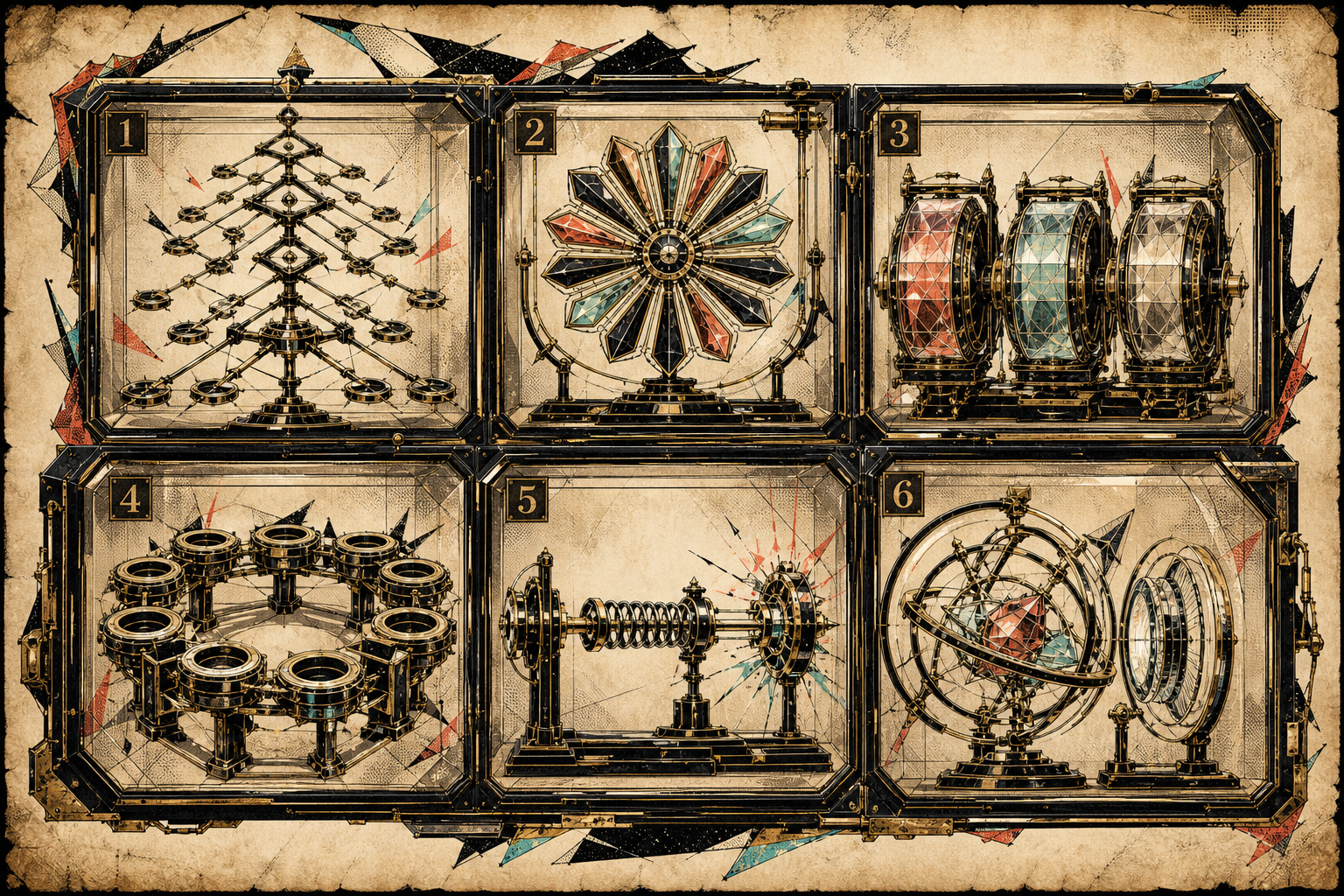
- Inspectable twenty-one logic
- Configurable wheel logic
- Collectible-reward reels
- Social room play
- Rapid rising-risk play
- Simulated racing with an analysis layer
The game formats trending in 2025
- Provably Fair Blackjack, on an open protocol, so transparency is built into the rules rather than reported afterwards.
- Decentralized Roulette, where players can set rules, which turns customisation into part of the product.
- NFT slot machines, adding collectible rewards to a familiar format.
- Metaverse poker rooms, where the social interaction is the reason to be there.
- Crash betting and instant games, for players who want a fast session rather than a long one.
- Virtual horse racing with AI analytics, which pairs the event with something to analyse.
Where this goes next
Speed, privacy and personalisation are the three axes crypto casinos are competing on, and blockchain and AI are what make all three possible at once. NFT integration and instant settlement are the trends with the most room left in them, for high rollers and casual players alike. Our reports on the latest crypto casino trends and top games and on what is driving innovation in online gaming cover the neighbouring ground.
If you are building against any of this, talk to us about what to do first. You can also follow the analysis on LinkedIn.
Sources
- Morningstar via RadCred – Trusted Crypto Casinos Are Taking Over Online Gambling in 2025
- The European Business Review – Online Casino Trends You’ll Regret Not Catching in 2025
- Intuic – Best Crypto Casinos 2025 – Secure Bitcoin Sites Reviewed
- Casino Life Magazine – The Future of Online Gambling: Trends Shaping the Industry in 2025 and Beyond
- Boxpiper – Latest Innovations Transforming Casino Game Technology in 2025
Frequently asked questions
Why are trusted crypto casinos becoming dominant?
Blockchain lets a casino operate in a decentralised way that puts transparency and trust ahead of the operator’s word, and cryptocurrencies give players immediate access to their funds with speed and privacy. As more players recognise that those platforms are reliable rather than experimental, adoption moves toward the mainstream.
What role does AI play in personalizing gaming experiences?
AI algorithms analyse a player’s activity to suggest games and offer personalised bonuses, which is the engagement side. The same monitoring supports responsible gaming by flagging irregular behaviour such as excessive bets, so a platform can act early rather than after a problem has formed.
How are NFT rewards changing player engagement?
NFT rewards are unique digital assets a player can earn, trade, and sometimes redeem for in-game advantages or unusual experiences. Because they can be traded, a reward carries value outside the platform that issued it, which adds collectability to a session and gives a player something to keep.
How is security being enhanced in crypto casinos?
Crypto casinos use robust encryption and decentralised technology to protect user information against data breaches and cyber attacks, and the anonymity cryptocurrencies allow adds a layer of privacy for players concerned about their data. In a business built on trust, security is the competitive position rather than a cost.
What does it mean for games to be provably fair?
A provably fair game lets a player verify the fairness and randomness of an outcome for themselves using the blockchain, rather than accepting an operator’s assurance. In a traditional casino the mechanism of fairness is opaque; here it is checkable, which is what makes the claim worth anything.
What are the top crypto casino games trending in 2025?
Provably Fair Blackjack on an open protocol, Decentralized Roulette where players can set rules, NFT slot machines with collectible rewards, metaverse poker rooms for social play, crash betting and instant games for fast sessions, and virtual horse racing with AI analytics.