




















Crypto casinos became the dominant force in online gambling over 2025, and the reason is a set of frictions removed rather than a single feature added. Withdrawals arrive fast — often under 12 minutes for Bitcoin, on this article’s own figure, which names no measurer and should be read as indicative. Sign-up is anonymous where no traditional Know Your Customer process applies, mobile-first design fits how most players actually arrive, and NFT rewards give a player something they own rather than a points balance.
The five changes behind it
- Crypto casinos are becoming the dominant force in online gambling.
- Instant transactions and AI personalisation are raising engagement.
- Modular systems let operators adapt to market demand quickly.
- DeFi casinos promote transparency and community involvement.
- Mobile-exclusive games and NFT rewards are the newer formats.
How AI and blockchain took crypto casinos mainstream
Nearly every major gaming site now accepts Bitcoin, Ethereum and stablecoins, which is the clearest evidence of where player preference moved. Blockchain supplies provably fair games, so a result can be verified rather than trusted, and near-instant withdrawal removes the wait that made online gambling feel like a bank. AI does the other half: personalising recommendations and bonuses from behaviour, and watching the same behaviour for risky patterns, which makes the safety work a by-product of the retention work.
What modular platforms actually buy an operator
Modularity is speed of response. An operator can adjust bonuses, games and payment methods as demand shifts, and drop in whole components — a sportsbook, a live casino, another payment rail — without a rebuild. The article puts over 75% of engagement on mobile devices, again without naming a source, and the design consequence is the same either way: intuitive mobile interfaces come first. Scalability plus compliance with local regulation is what keeps a platform in the market rather than ahead of it.
Are DeFi casinos the future of gaming
A DeFi casino lets a player hold a stake in the operation through tokens or a DAO, with smart contracts automating payouts and making fairness verifiable. What that changes commercially is who the customer is: a player with governance rights behaves like a stakeholder, and the loyalty that follows is not something a bonus can buy. Traditional operators now face entrants offering decentralised betting and community decision-making together, which is a harder combination to answer than either alone.
The innovations driving growth
Provably fair games are the base, and on top of them sit blockchain-based VIP reward programmes offering loyal players customised incentives, and personalised streaming that lets a player watch casino gaming tailored to their preferences. BetHog, launched in November 2024, is the platform this article names as combining distinctive content, a strong loyalty scheme and inclusive streaming.
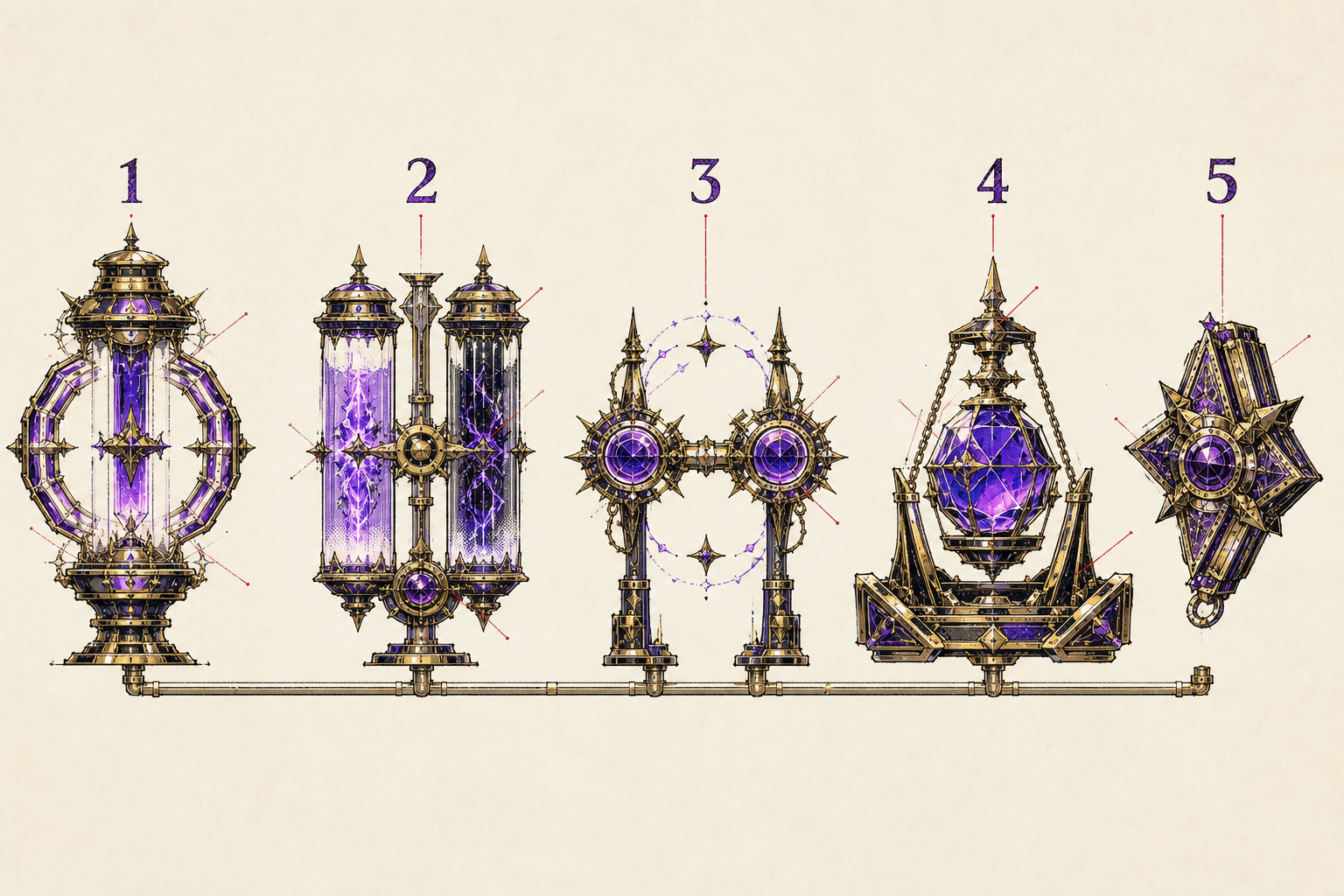
- Repeatable game loop with inspectable outcomes
- Synchronous live interaction
- Peer-to-peer event participation
- Portable collectible reward
- Handheld-first play
The game types trending in 2025
| Game Type | Notable Features | Why It’s Trending | Platform Examples |
|---|---|---|---|
| Provably Fair Slot Machines | Blockchain-verified results, often NFT-powered jackpots | Players verify fairness, unique NFT rewards | Stake.com, BC.Game |
| Live Crypto Blackjack | Instant crypto betting, streaming, smart contracts for outcomes | Real-time play, transparency | BitStarz, NowPlix |
| Decentralized Sports Betting | Player-owned odds, smart contract payouts | Remove middlemen, provable results | Rollbit, BetHog |
| NFT Prize Games | NFT collectibles as winnings or in-game use | Crosses gaming/gambling audiences | CryptoGames, BC.Game |
| Mobile-Exclusive Crypto Games | Intuitive mobile UI, exclusive crypto bonuses | 75%+ mobile traffic, crypto-only perks | Bitcasino, FortuneJack |
How Las Vegas is absorbing crypto
Hybrid casinos in Las Vegas accept crypto both on site and through online portals, and use blockchain for event ticketing and side bets, which lets a visitor pay how they prefer without giving up the reason they came. Modular systems are doing the regulatory work behind that, covering anti-money laundering obligations and local blockchain legislation. The privacy side is deliberate too: wallet-only sign-ups and minimal personal data collection answer a concern that predates crypto.
What comes next
The direction is consistent: more community-driven operation, more transparency, and mobile technology removing the last constraints on where and when a player plays. Loyalty is expected to follow from the first two rather than from bonus size, which is a different basis of competition from the one this industry has used. Our reports on crypto casino trends and top games and on what should you know about crypto casino innovations cover neighbouring parts of the same picture.
If you are building or relicensing a platform against any of this, talk to us. You can also follow the analysis on LinkedIn.
Sources
- GlobeNewswire – Trusted Crypto Casinos Are Taking Over Online Gambling in 2025
- European Business Review – Online Casino Trends You’ll Regret Not Catching in 2025
- Blackjack Review – iGaming Trends 2025 and the Rise of Modular Casino Systems
- Yogonet International – The Biggest Casino Industry Trends in 2025
- Servers.com News – iGaming Trends and Predictions
Frequently asked questions
What are the key trends in crypto casinos for 2025?
Instant transactions, AI-driven personalisation and NFT-based rewards are the three this article puts first. Each attacks a different friction: settlement speed, relevance of what a player is shown, and whether a reward is worth anything outside the platform that issued it.
How is AI enhancing the user experience in crypto casinos?
AI personalises game recommendations and bonuses from a player’s own behaviour, which raises satisfaction and retention. The same monitoring is used for responsible gaming, watching play patterns for signs of risk, so the engagement system and the safety system are the same system.
What makes DeFi casinos stand out in the gaming industry?
A DeFi casino lets players hold a stake in the operation itself through tokens or a Decentralized Autonomous Organization, and uses smart contracts to automate payouts and make fairness verifiable. That combination of ownership and provable settlement is what traditional operators cannot offer without rebuilding.
How do modular systems improve online gambling platforms?
Modular systems let an operator change bonuses, games and payment methods quickly instead of rebuilding, and add whole components such as a sportsbook or a live casino as demand appears. Because those changes can also be made to meet a local regulation, modularity is what keeps a platform compliant and competitive at the same time.
What is the future outlook for crypto casinos?
More community-driven initiatives, more transparency, and mobile technology continuing to remove the constraint of where a player is. Player loyalty is expected to follow from the first two rather than from bonus size, which is a different competitive basis from the one online gambling has used until now.
How are traditional casinos incorporating crypto?
In Las Vegas, hybrid casinos are accepting crypto payments both on site and through online portals, and using blockchain for event ticketing and side bets. Alongside it they are adopting modular systems for regulatory adaptability, covering anti-money-laundering obligations and local blockchain legislation, and offering wallet-only sign-ups that minimise the personal data collected.