



















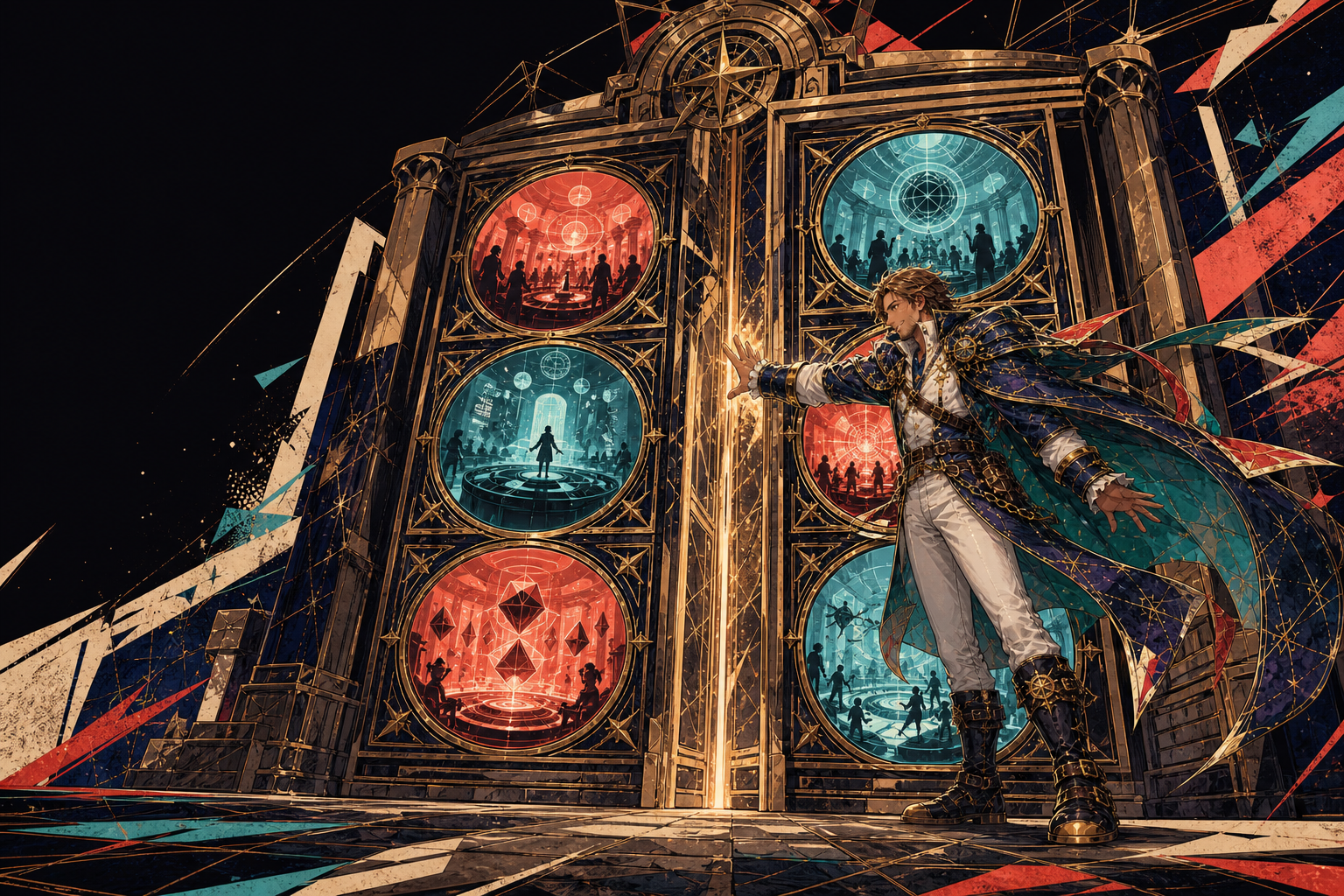

Crypto casinos have moved into the mainstream, and the reason is not novelty but arithmetic: blockchain settles fast, costs little and works across borders. Bitcoin, Ethereum and stablecoins are standard payment options now, which removes the traditional banking barrier from both ends of a session. The same ledger that makes that possible is what allows a player to audit the outcome of a game — so anonymity and verifiable fairness arrive together rather than in tension.
The five things that changed
- Crypto casinos are growing quickly, and blockchain is what made it possible.
- VR and AR are raising engagement by changing what a session feels like.
- AI is personalising the journey and carrying the support load.
- Fairness and transparency are the trust mechanism, not a marketing line.
- Decentralised governance is giving communities ownership of the platform.
How VR and AR are changing the session
Virtual reality lets a player walk a lifelike digital casino, meet avatars and sit at individual tables, which is a different product from a list of casino games on a page. It appeals particularly to younger players, who are being offered an authentic casino experience without the travel. Augmented reality does the inverse, bringing casino elements into the player’s own room. Between them they are resetting what a player expects a session to be.
What AI is actually doing
AI recommends games, bonuses and difficulty settings by reading how an individual plays, and chatbots carry support around the clock. The part that gets less attention is the safety one: the same algorithms watch for signs of risky behaviour so an operator can intervene before a problem escalates. Personalisation and player protection turn out to run on the same machinery, which is the strongest argument for having it.
Why provably fair became the standard
Provably fair technology uses cryptography and the blockchain to let a player verify an outcome without asking anyone, which is a different kind of assurance from a licence or an audit certificate. It reduces the room for manipulation to something checkable. That is what attracts players who have been burned, and it reassures investors for the same reason: integrity that can be demonstrated is worth more than integrity that is asserted.
What decentralised governance gives, and what it costs
Decentralized Autonomous Organizations let token holders vote on game acquisitions, profit distributions and platform changes, which turns a customer base into an owner base. The honest caveat is in the same paragraph as the benefit: broad participation slows decisions down. Getting the balance right between stakeholder involvement and governance efficiency is what will determine whether these platforms last.
How payments are evolving
Payment is where crypto casinos have the clearest advantage and they are pressing it: fast borderless transactions, bonuses and payouts automated through smart contracts, and support for several cryptocurrencies so a player uses what they already hold. Lower fees follow, and crypto-exclusive bonuses and promotions are becoming standard. It widens the addressable audience without adding a single banking relationship.
Skill-based and social play
Skill-based games and competitive formats are growing because players are asking for depth and strategy rather than only chance. Leaderboards, multiplayer and practice modes are what make that possible, and they have a side effect operators care about: community. A player who is competing against others stays longer than a player who is playing alone, which is why this format is a focus rather than an experiment.
Regulation and responsible gaming
Under increased regulatory scrutiny, crypto casinos are deploying age verification systems and deposit and session limits, with AI and blockchain doing the compliance work underneath — including for the newer problems that virtual reality and cryptocurrency create. Meeting the requirement is the floor; what builds durable credibility with players and regulators alike is treating player wellbeing as a product decision rather than a legal one.
The formats players are choosing
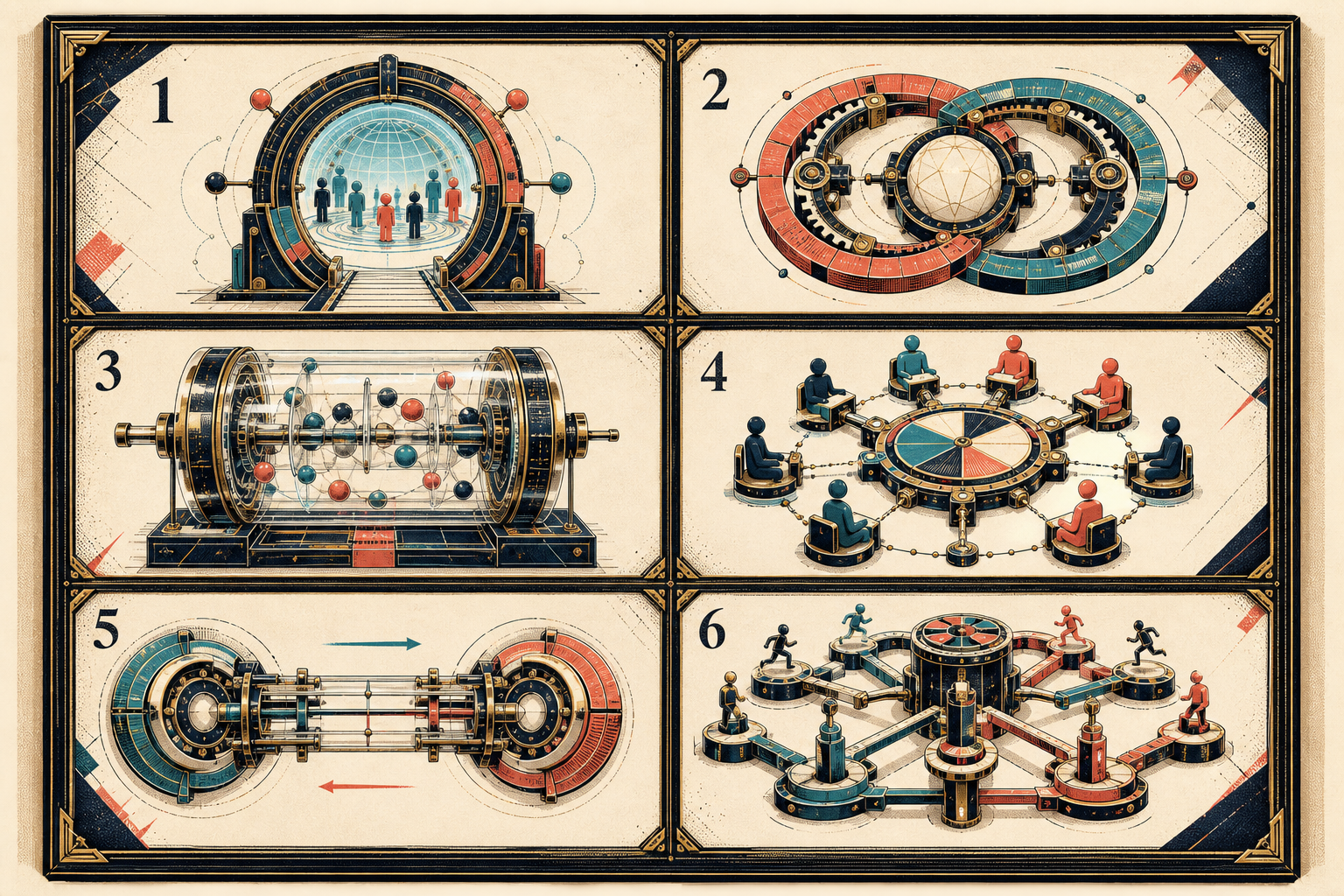
Six formats stand out in the current catalogue. Live VR casino games put blackjack and poker inside a fully interactive environment. Provably fair slots and table games give verifiable randomness — Provably Fair Roulette from Bitcasino is the example named here. Skill-based tournaments run on crypto prizes and long leaderboards. NFT-integrated games offer collectible assets carrying VIP perks. Hybrid AR and VR poker lets a remote player join a physical table through an avatar in real time. And DAO-governed releases let a community influence which games launch at all.
- Immersive and social presence
- Personalization with player protection
- Independently inspectable outcomes
- Participatory governance
- Flexible cryptocurrency settlement
- Skill-based and social play
Are crypto casinos the future of gambling
The direction is consistent across every section above: more transparency, more personalisation, and more of the platform’s behaviour written into code a player can inspect. Operators that adopt those changes will set the standards rather than follow them. Our reports on crypto casino trends and top games and on how crypto casinos are evolving go further into the implementation side.
If you are building any part of this, talk to us about what to do first. You can also follow the analysis on LinkedIn.
Frequently asked questions
What are crypto casinos and how do they work?
Crypto casinos are online gambling platforms that use blockchain technology for secure and transparent transactions. Players deposit and withdraw in cryptocurrencies such as Bitcoin and Ethereum, which removes the traditional banking step, and the same ledger that makes payouts fast is what lets a player check that a game was fair.
How is AI transforming the gaming experience at crypto casinos?
AI analyses player behaviour to recommend games, bonuses and difficulty settings suited to the individual, and AI-powered chatbots provide support around the clock. The same models watch for signs of risky play so an operator can intervene early, which is why AI shows up in the responsible gambling conversation as well as the engagement one.
Why is blockchain essential for fair gaming in crypto casinos?
Provably fair systems use cryptography and the blockchain to let a player verify a game outcome independently, which reduces the scope for manipulation to something a player can check rather than something they must trust. That verifiability is what attracts players and reassures investors about the integrity of the platform.
What are the advantages of decentralized governance in crypto casinos?
A Decentralized Autonomous Organization lets token holders vote on game acquisitions, profit distributions and platform changes, which gives a user base genuine ownership rather than a loyalty tier. The trade-off is speed: broad stakeholder involvement slows decisions down, and balancing the two is the open problem for these platforms.
How are payment options evolving in crypto casinos?
Casinos are supporting more cryptocurrencies at once, settling fast and across borders, and automating bonuses and payouts through smart contracts. Lower transaction fees and crypto-exclusive promotions follow from that, and together they widen the audience a platform can reach without adding banking relationships.
What are the top trending crypto casino game formats?
Live VR casino games, provably fair slots and table games, skill-based tournaments with crypto prizes and leaderboards, NFT-integrated games offering collectible assets and VIP perks, hybrid AR and VR poker where players join physical tables through avatars, and DAO-governed releases where the community influences which games launch.