


















Crypto casinos have stopped being an alternative payment method and become a different kind of platform. Blockchain underneath, Layer 2 for speed, AI for personalisation, NFTs for ownership and DAOs for governance — each changes a different part of the product, and this is what each one actually does. Sources are named throughout and listed at the end.
The evolution of crypto casinos: why are they gaining traction?
Las Vegas and the global gaming markets are adopting blockchain as the backbone of gaming platforms rather than as a payment rail bolted onto one. Transparency and decentralization are what change the player experience and the operational integrity behind it. Using digital currencies such as Bitcoin and Ethereum, crypto casinos deliver fast low-fee transactions, better privacy and stronger security, which is why they are now a mainstream choice for cautious players as well as enthusiasts.
What role does blockchain play in trust and transparency?
Blockchain enables a level of transparency that a traditional gambling platform cannot match, because game outcomes become verifiable through cryptographic methods that a player can audit. Provably fair systems are the specific mechanism: a player can establish that a game is not rigged rather than being told so. As consumer expectations around privacy and security harden, that verifiability is what makes the category credible.
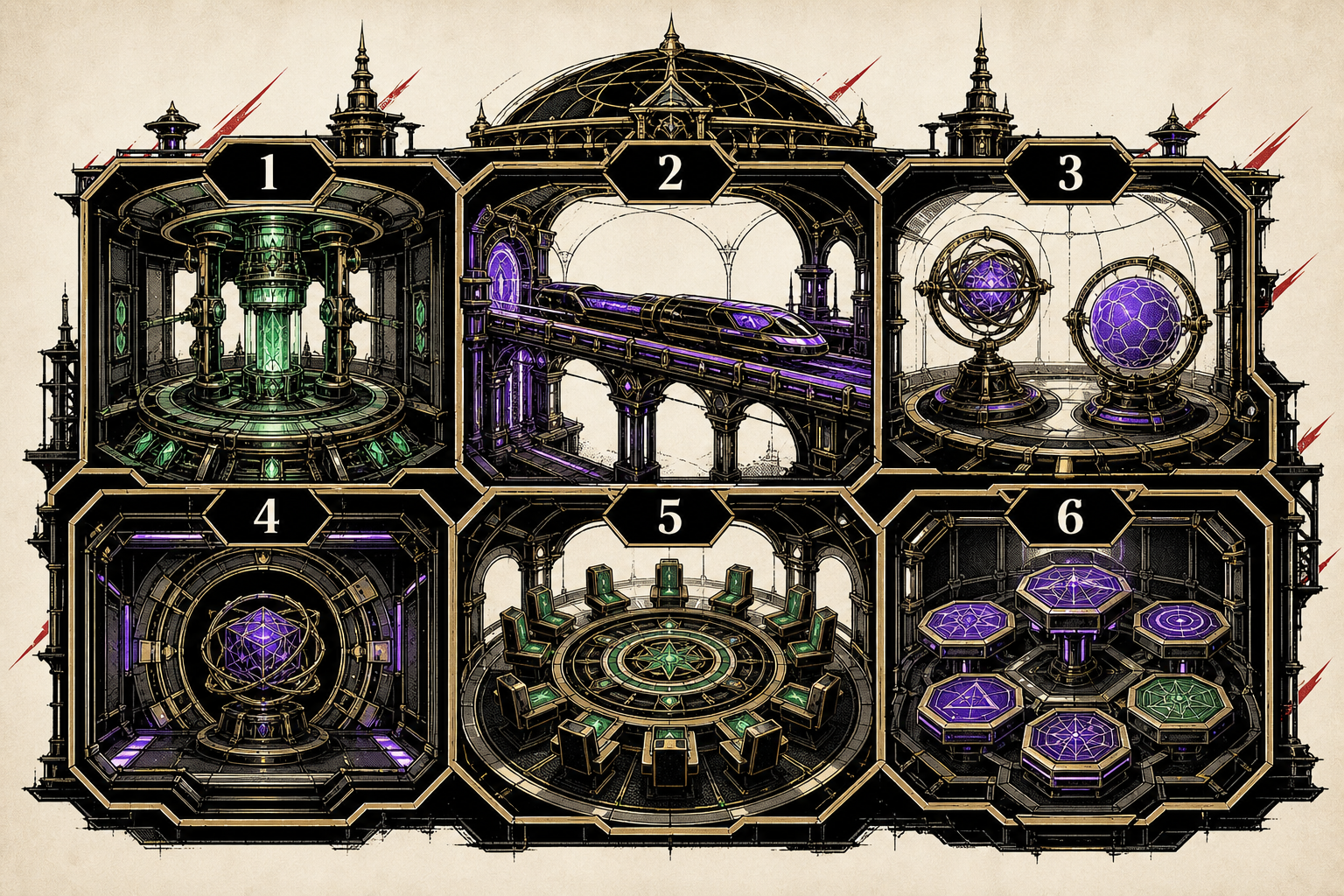
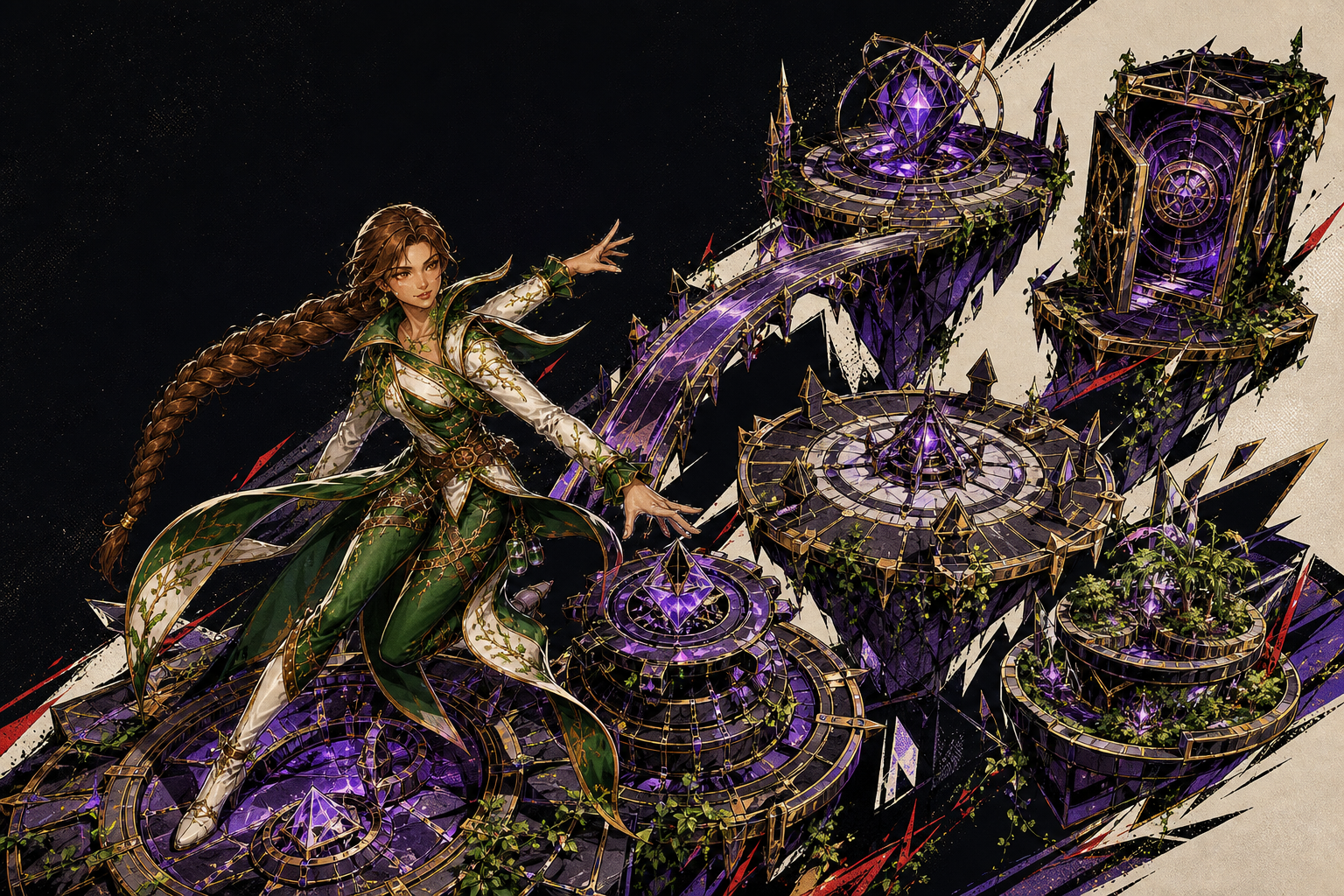
- Verifiable foundation
- Layer-2 transfer rail
- Personalization and player protection
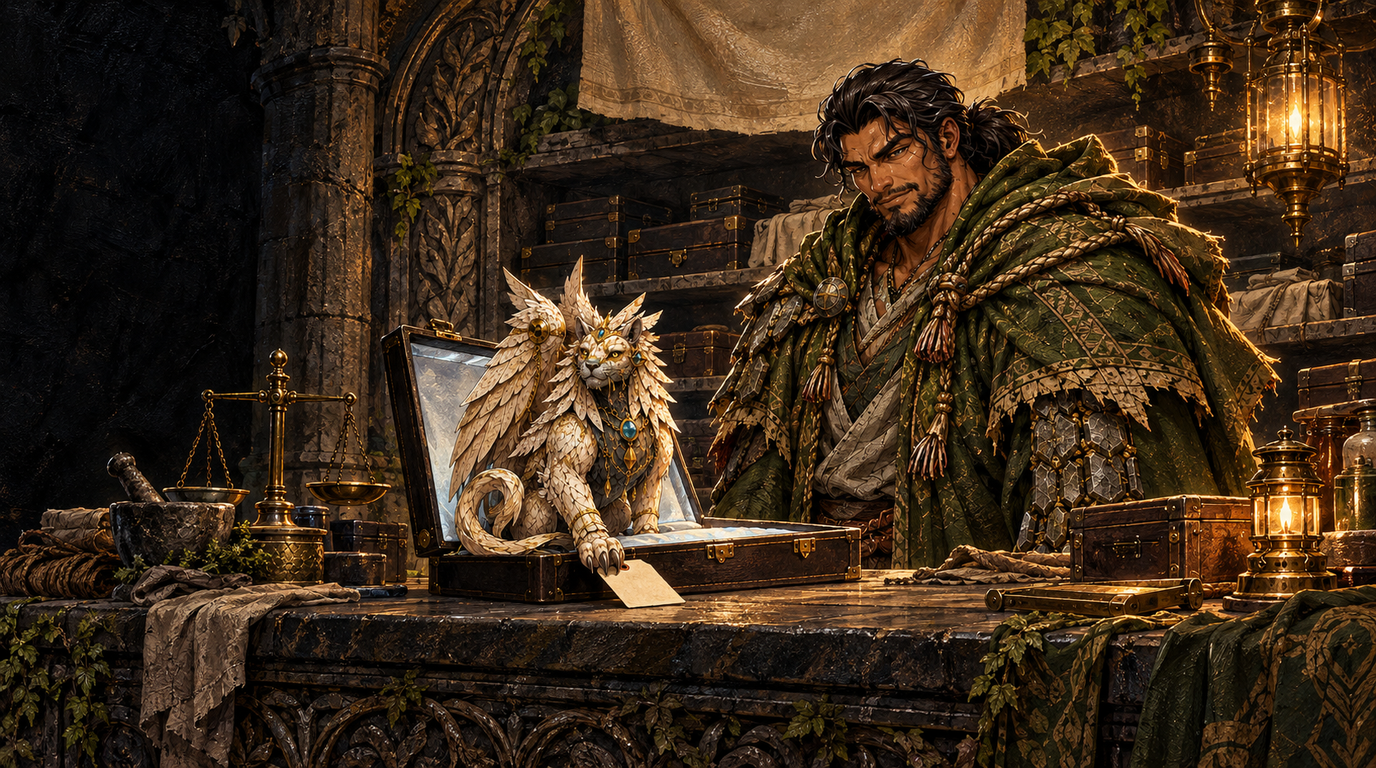
- Ownable-asset vault
- Shared-governance chamber
- Modular game layer
What impact do layer 2 solutions have on gameplay?
Layer 2 technologies such as Polygon and Arbitrum have taken out the speed and fee problems that made blockchain gaming worse than the alternative. They also allow several cryptocurrencies across different blockchains to be used through a single interface, so a player is not forced to consolidate holdings before playing. Cheaper and faster transactions plus multi-chain flexibility is the combination that makes the experience competitive.
How is AI transforming the player experience?
Machine learning lets a casino analyse user behaviour and tailor both gameplay and promotional offers to the individual. The same analysis serves responsible gaming, identifying risk patterns and alerting a player who may be overextending. Those two functions running on one system is the interesting part: personalisation and player protection stop competing for the same data.
Are NFTs reshaping the landscape of in-game assets?
Non-Fungible Tokens turn in-game items into things a player owns and can trade — exclusive avatars, poker chips, access passes. Tournaments gated by NFTs and limited-edition items create an environment where ownership carries value outside the session it was won in. That connects gambling to the collectibles market, which is a genuinely new incentive to keep engaging with a particular game.
How do decentralized governance models change casinos?
Decentralized Autonomous Organizations give players a vote through token voting mechanisms, on features, operations and even game rules. The effect is shared ownership rather than customer relationship, and it does build loyalty. It also brings problems an operator has to solve first: scalability and security are both harder under distributed governance, and neither has an obvious answer yet.
What kinds of games are trending in the crypto gambling arena?
Game design in the sector has been borrowing from video games rather than from casino floors, with skill-based mechanics and modular features. Themed experiences run from Minecraft-inspired adventures to NFT-enabled racing games, aimed at an audience wider than traditional gamblers. Provably fair mechanics sit at the core of these titles, which is what lets a new player trust a format they have never seen before.
What are the benefits of these innovations?
| Innovation | Key Benefit | Source Name |
|---|---|---|
| Blockchain/Provably Fair Gaming | Verifiable game fairness, player trust | Nadcab Labs, Quantified Strategies |
| Layer 2 & Cross-Chain Tech | Low fees, fast transactions, multi-chain play | Nadcab Labs |
| AI Personalization | Custom gameplay, smarter bonuses, safer gaming | Hollywood.com, The European Business Review, BlackjackReview.com |
| NFTs in Casino Games | Gamified ownership, resale/trade of in-game assets | Nadcab Labs |
| DAO Governance | Community-driven operations, transparent management | Quantified Strategies, Nadcab Labs |
| Modular, Themed Game Design | Broader engagement, new game formats | BlackjackReview.com, GR8 Tech |
What is next for crypto casinos?
The open question is regulatory rather than technical. Las Vegas and its regulators are adapting to make tech-driven platforms comply with existing law while keeping the experience fair and engaging for a broad demographic, and responsible gaming is the axis that debate turns on. Blending physical casino culture with online innovation creates both the opportunity and the difficulty, and momentum depends on navigating it rather than outrunning it.
How will innovation shape the future of online gambling?
Blockchain, AI, decentralized governance and gamification are converging on the same outcome: a platform a player has reason to trust and a reason to stay with. Operators who lean into that keep the clients they have and reach an audience that was not previously interested in gambling at all. You can follow Wizards on LinkedIn for what comes next — and if you are building a platform that has to do all of this at once, talk to us.
Sources
- Hollywood.com – Casino Trends 2025: What’s Changing in the Gambling World?
- The European Business Review – Online Casino Trends You’ll Regret Not Catching in 2025
- Quantified Strategies – Pros and Cons Of Investing In The Crypto Casino Industry In 2025
- Nadcab Labs – Recent Innovations in Blockchain Technology for Online Gambling
- BlackjackReview.com – iGaming Trends 2025 and the Rise of Modular Casino Systems
- GR8 Tech – Online Casino Trends 2025: Mid-Year Update
Frequently asked questions
What are crypto casinos and why are they popular?
Crypto casinos are online gambling platforms that use cryptocurrencies like Bitcoin and Ethereum for transactions. Their popularity is on the rise due to advantages such as fast, low-fee transactions, enhanced privacy, and security, making them a trusted option for players seeking fairness and innovation in gaming.
How does blockchain enhance trust in crypto casinos?
Blockchain technology plays a crucial role in ensuring trust within crypto casinos. It allows game results to be verifiable and ensures fairness through provably fair gaming systems, where players can audit outcomes, significantly boosting user confidence compared to traditional gambling platforms.
What role do Layer 2 solutions play in crypto gaming?
Layer 2 solutions, such as Polygon and Arbitrum, improve gameplay by offering faster transaction speeds and lower fees. By allowing cross-chain transactions on a single interface, these technologies enhance the user experience, making crypto gambling more accessible and seamless for players.
How is AI improving the player experience in casinos?
Artificial Intelligence is transforming the player experience by creating personalized gameplay through data analysis of player behavior. Additionally, AI contributes to responsible gaming by identifying potential risks, ensuring that players engage safely while enjoying tailored gaming experiences.
Are NFTs changing the way assets are owned in crypto casinos?
Yes, NFTs are reshaping in-game asset ownership in crypto casinos. By offering unique and tradable digital items, such as exclusive avatars or tokens, NFTs enhance user engagement and allow players to invest in valuable digital assets, bridging traditional gaming with modern collectibles.
How does DAO governance change a crypto casino?
A Decentralized Autonomous Organization gives players a vote, through token voting mechanisms, on decisions about features, operations and even game rules. It builds a sense of shared ownership and loyalty, and it brings its own problems: scalability and security are the two an operator has to navigate before handing governance over.