


















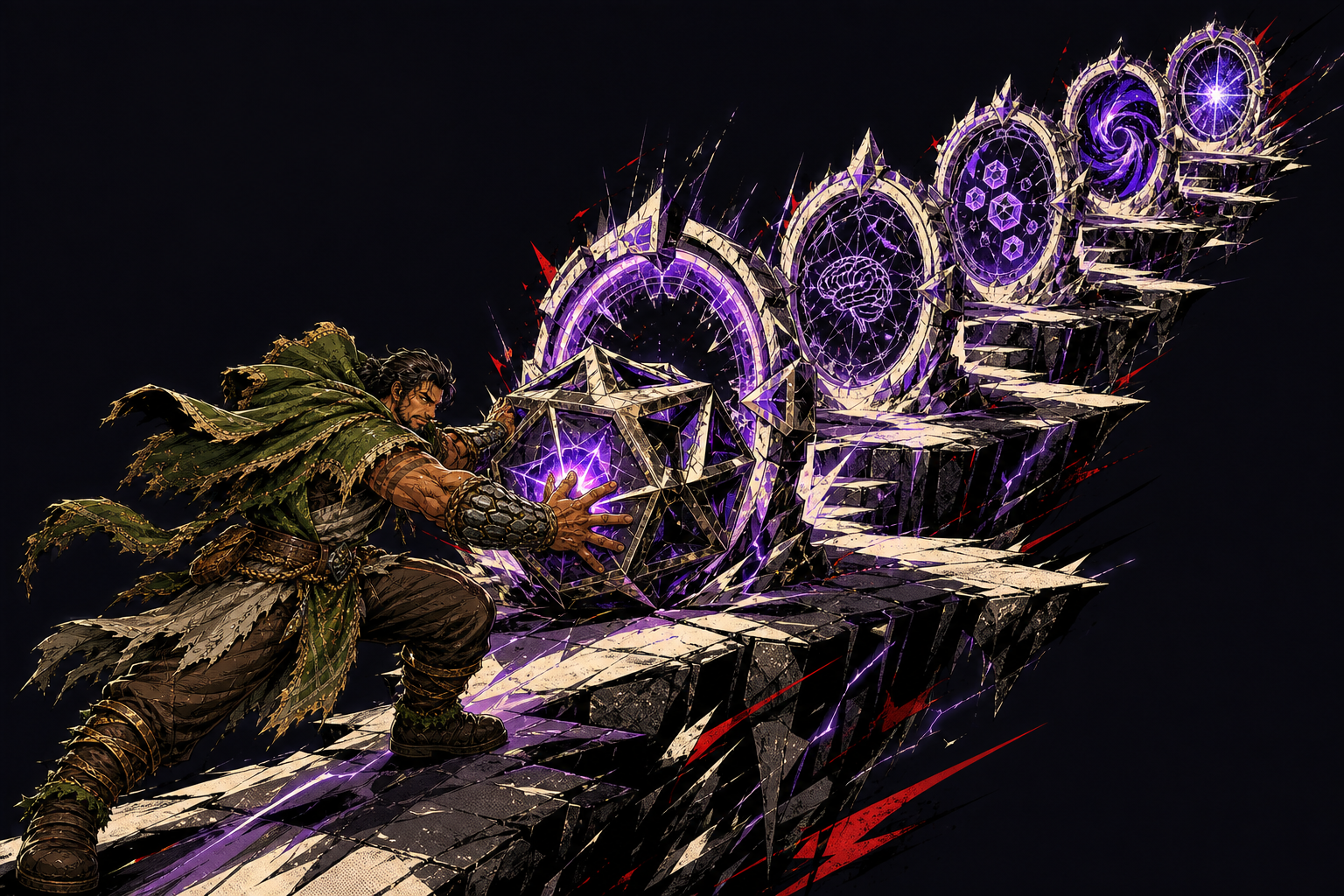

Crypto casinos in 2025 are being rebuilt rather than upgraded: entire platforms are moving onto blockchain, which gives fast transactions, global reach and a level of transparency the previous architecture could not offer. Bitcoin, Ethereum and stablecoins lead the payment side, and the change a player uses directly is verification — a mechanism for checking the randomness and fairness of a game without asking the operator to confirm it.
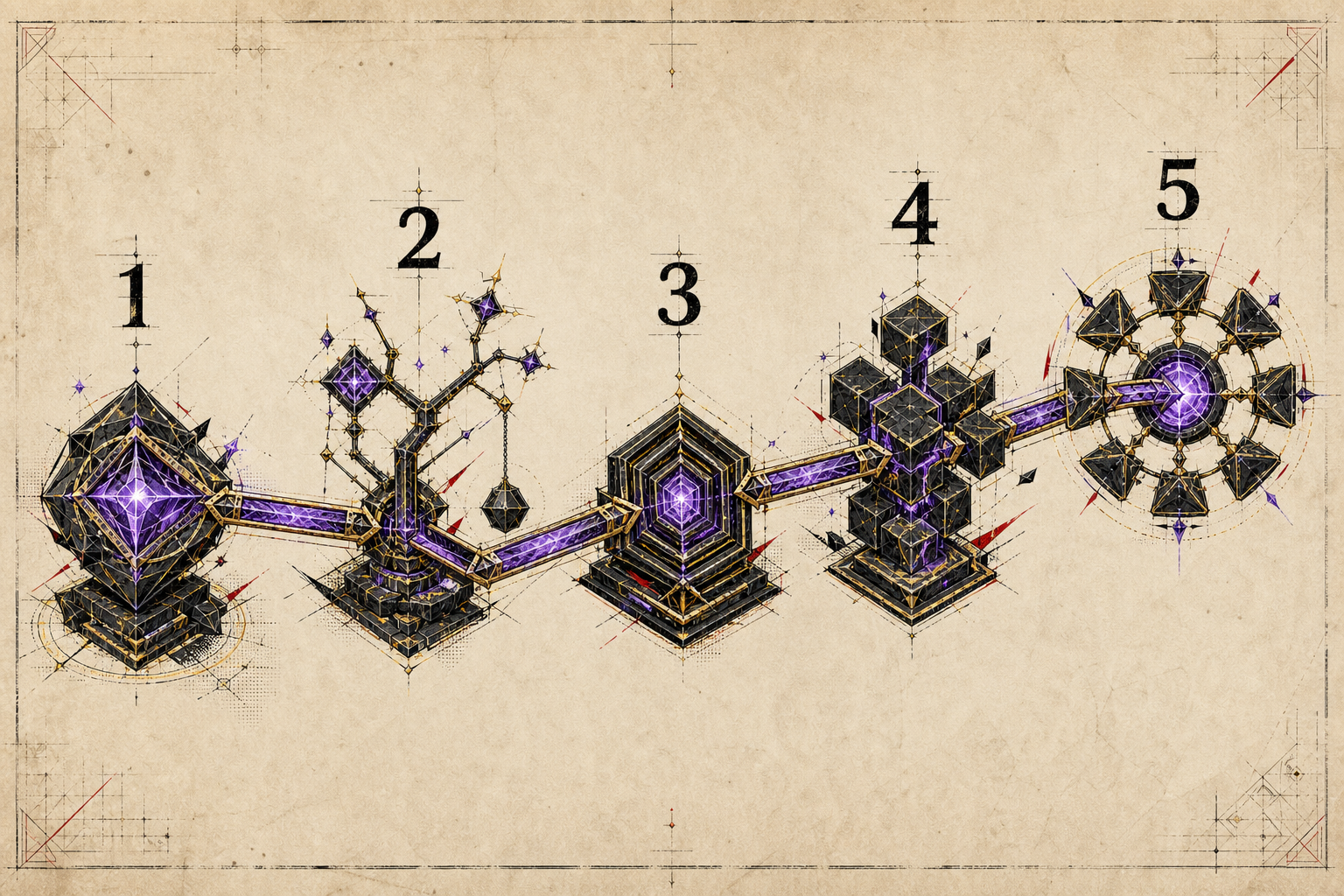
- Verifiable blockchain operations and settlement
- AI personalization, risk management and security
- Mobile-first product delivery
- Modular configuration for each market
- Participatory ownership and community
The five shifts, in short
- Blockchain technology is being used to rebuild casino operations, not decorate them.
- AI carries personalisation and risk management at once.
- A mobile-first approach is the condition of player engagement.
- Modular systems give operators flexibility to enter markets quickly.
- Decentralised casinos put ownership and governance in players’ hands.
What AI is doing beyond recommendations
AI is doing three separate jobs in a modern crypto casino, and only one of them is marketing. It personalises game recommendations and bonuses for the individual, which is the engagement case. It performs risk management, detecting patterns of problem gambling and offering real-time assistance, which is the responsible-gaming case. And it monitors gameplay continuously to stop fraud, bonus abuse and collusion, which is the security case. Running all three off the same behavioural model is what makes the investment defensible.
Why mobile-first stopped being a choice
This article puts over 75% of players on mobile — a figure it gives without naming a source, so read it as direction rather than measurement. The design consequence is not in dispute: native applications optimised for Android and iOS are where wallet integration, live odds notifications and instant loyalty rewards actually work. Those apps have become the main relationship a player has with an operator, which is a different thing from being a channel into one.
What modular architecture buys
Modular systems let an operator deploy sportsbooks, live casinos and payment processors as separate components, each configured for a market’s demand and its regulations. Startups use it to launch and established operators use it to scale, but the underlying gain is the same: a market entry becomes a configuration rather than a project. In a sector where the regulation changes faster than a release cycle, that is what keeps a roadmap credible.
Decentralised casinos and what community means here
In a fully decentralised casino a player can own a stake and vote on decisions affecting the platform, which is participation of a kind a loyalty scheme cannot imitate. Live chat, social bets and influencer-led streams supply the social layer on top of it. Together they answer something online gambling had been missing rather than adding a feature: the reason to come back when you are not playing.
The games trending in this space
Provably fair slots and table games are the core of the trending catalogue, because verifiable outcomes are what players looking for a trustworthy casino game actually ask for. Decentralised sportsbooks settling through smart contracts are extending the same logic into sports betting. And NFTs are being used as bonuses and loyalty rewards, which puts the collectible market and the gambling market in the same product.
The innovations, with the reporting behind each
Each of these is attributed to the publication that reported it, because the value of the table is the sourcing rather than the summary:
| Trend/Innovation | Summary | Source (Publication Date) |
|---|---|---|
| Blockchain Casino Platforms | Fast, transparent, global access, and provably fair games. | European Business Review (09/2025) |
| AI Personalization | Tailored experiences, risk reduction, and fraud prevention. | Value the Markets (08/2025); European Business Review (09/2025) |
| Mobile-First Gaming | Seamless mobile experiences, instant rewards, social features. | GGB Magazine (06/2025); Value the Markets (08/2025) |
| Modular Casino Architecture | Customizable systems for rapid adaptation. | Blackjack Review (05/16/2025) |
| DeFi Casinos | Decentralized ownership and governance. | Yogonet (04/25/2025) |
| NFT Rewards | In-game NFT use for bonuses and collectibles. | Value the Markets (08/2025) |
| Social Community Features | Bet-sharing, live video, influencer betting. | Value the Markets (08/2025) |
What to do with this
The through-line is that blockchain, AI and decentralised ownership are changing what a player expects rather than only what an operator can build, and the organisations that adapt early set the standard for the ones that follow. Our reports on the latest crypto casino trends and top games and on what should you know about crypto casino innovations cover the format and the technology sides in more detail.
If you are deciding what to build against this, talk to us — we will tell you what is realistic before you commit a roadmap. You can also follow the analysis on LinkedIn.
Sources
- European Business Review – Online Casino Trends You’ll Regret Not Catching in 2025
- GGB Magazine – 10 Trends for 2025
- Yogonet – The Biggest Casino Industry Trends in 2025
- Blackjack Review – iGaming Trends 2025 and the Rise of Modular Casino Systems
- Value the Markets – Crypto Betting Trends 2025: 10 Innovations to Watch
Frequently asked questions
What are the key blockchain casino trends for 2025?
Entire casino platforms are being rebuilt on blockchain rather than having crypto payments bolted on, which gives fast transactions, global reach and transparency in the same move. The part players use directly is verification: many casinos now provide a mechanism for checking the randomness and fairness of a game independently.
How does AI improve the user experience in crypto casinos?
AI personalises game recommendations and bonuses for the individual player, which raises engagement. It also does risk management, with algorithms that detect patterns of problem gambling and offer help in real time, and security, monitoring gameplay continuously to stop fraud, bonus abuse and collusion.
Why is a mobile-first design important for crypto casinos?
This article puts over 75% of players on mobile devices, without naming a source for the figure. Either way, native apps for Android and iOS are where the wallet integration, live odds notifications and instant loyalty rewards land, which makes the app the main relationship a player has with an operator.
What impact do modular systems have on iGaming companies in 2025?
Modular architecture lets an operator deploy components — a sportsbook, a live casino, a payment processor — configured for a specific market and its regulations, without rebuilding the platform. Startups and established operators use it for the same reason: it turns a market entry into a configuration rather than a project.
How are decentralized casinos changing community engagement?
In a decentralised casino a player can own a stake and vote on governance decisions, so participation goes beyond placing bets. Live chat, social bets and influencer-led streams add the social layer on top, which is what turns an audience into a community rather than a user base.
What games are trending in the crypto casino space?
Provably fair slots and table games, where a player can verify the outcome, are the core. Decentralised sportsbooks settling through smart contracts are growing alongside them, and NFTs are being used as bonuses and loyalty rewards, which merges the collectible market with the gambling one.