







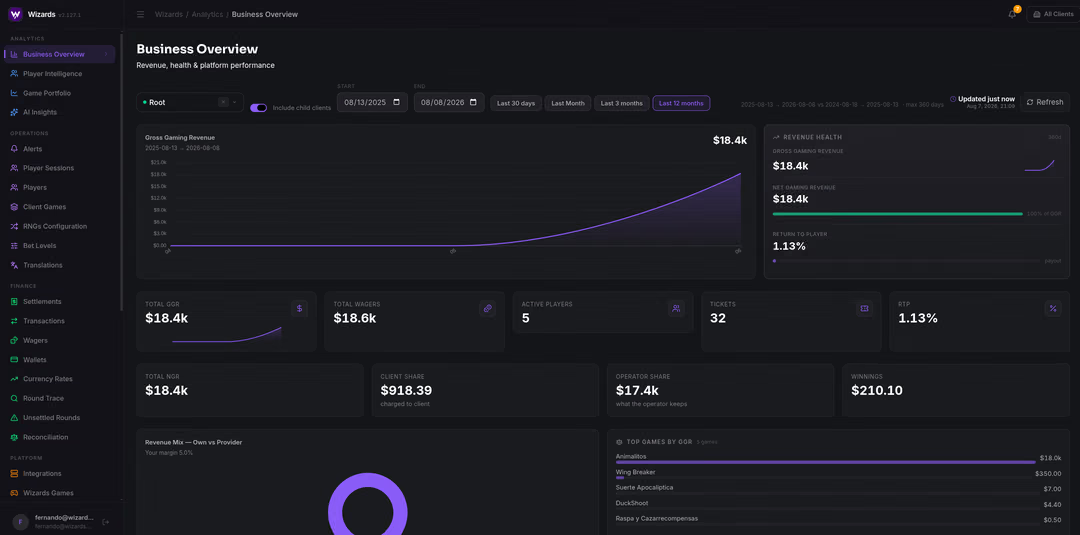


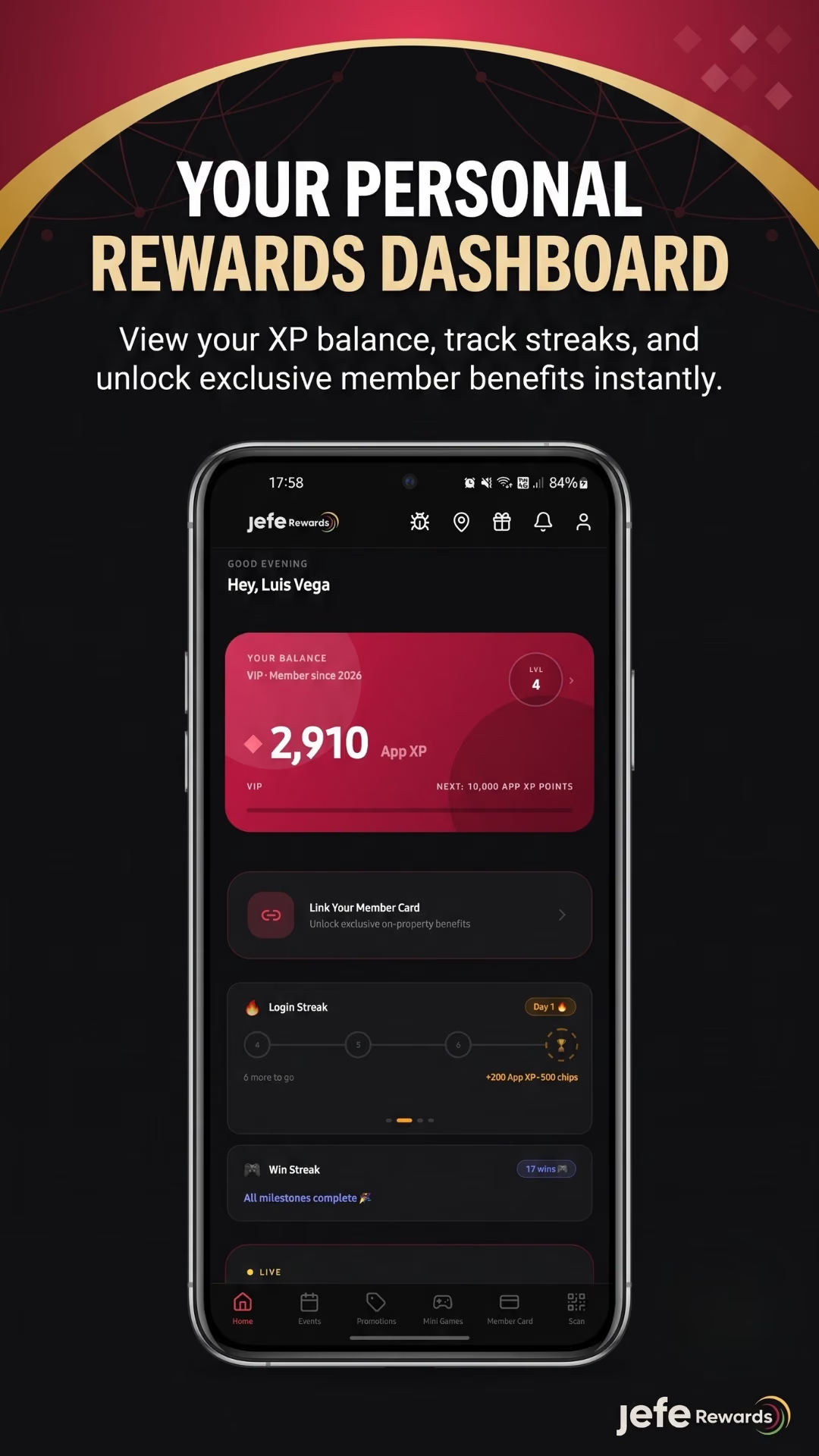











Crypto-native casinos have moved from fringe experiments to sophisticated platforms that blend blockchain primitives with conventional gaming UX, and the change worth noting is one of operational maturity rather than novelty. Teams are solving liquidity, compliance and UX friction at the same time. The commercial design problem underneath all of it is the balance between on-chain mechanics that build trust and off-chain engineering that delivers speed.
The four things that define the 2025 platform
Four positions have hardened into defaults, and an operator without them is competing on something else:
- Multi-coin rails and instant withdrawals are table stakes for global reach and retention.
- NFTs, AI personalisation and immersive formats are shaping loyalty and engagement strategy.
- Compliance-first architectures — segregated custody, replayable telemetry, geofencing — reduce regulatory risk.
- Live game-show productions and AR/VR scale social play and virality, when paired with low-latency wagering integrity.
What the headlines are actually about
Industry reporting has converged on trust and convenience as the axis the top crypto casinos compete on, with NFT rewards and AI personalisation reshaping retention, branded tokens and staking establishing loyalty economies, and immersive AR/VR broadening what engagement means. Those themes appear across outlets including European Gaming and iGaming Today, and they match what we see in client roadmaps: a pragmatic fusion of entertainment and financial primitives rather than a bet on either.
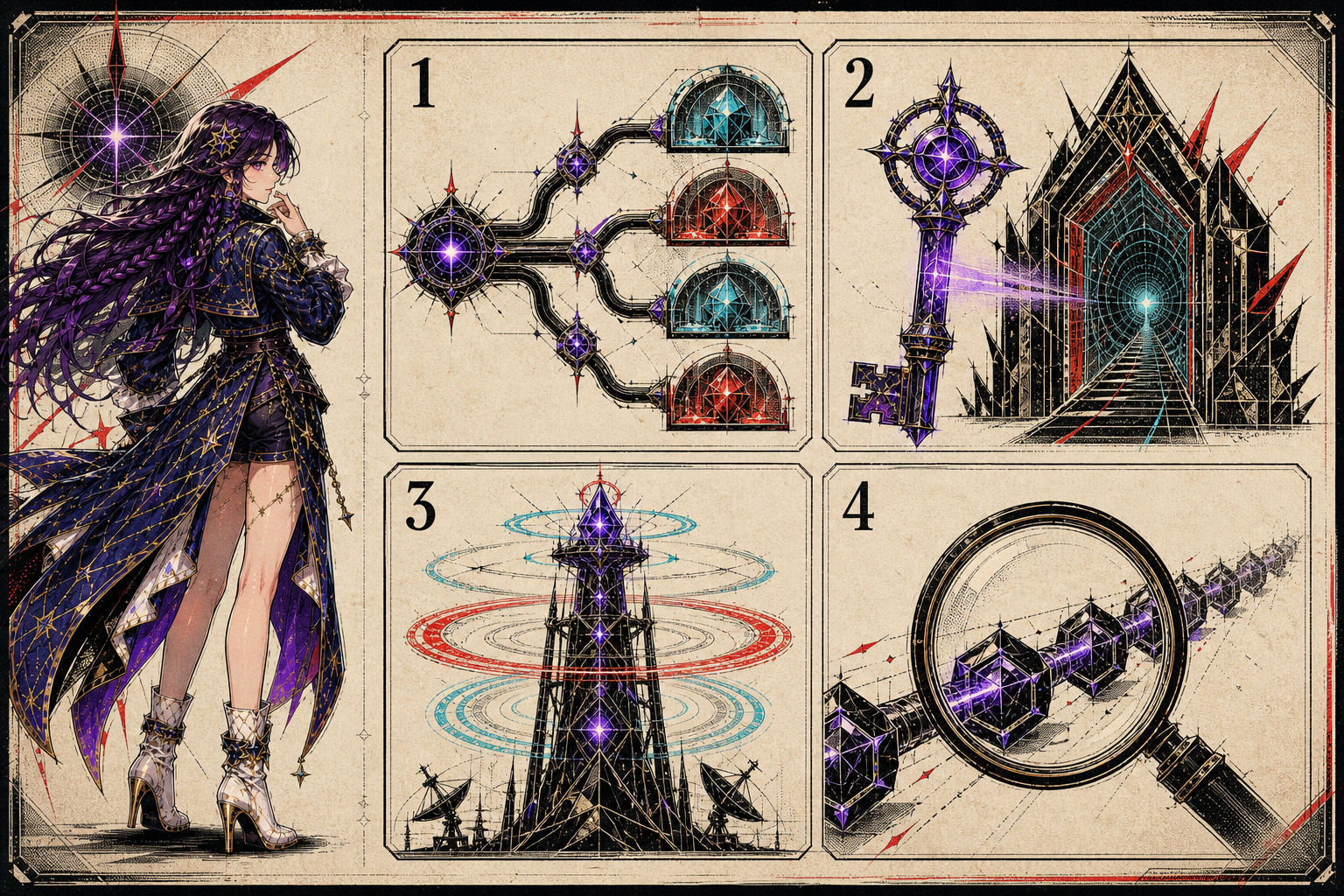
- Composable payment rail
- Utility-bearing loyalty key
- Live-production signal tower
- Replayable compliance ledger
Why multi-coin rails became table stakes
Supporting coins beyond Bitcoin and Ethereum is now the entry condition for global reach, not a differentiator. Several rails reduce conversion friction, allow instant withdrawals and lower fees, which matters most to privacy-conscious players and to markets whose fiat rails are weak. Provably fair audits remain the credibility driver alongside them: transparent smart contracts and on-chain settlement logs cut disputes and support regulatory reporting. Our advice is to keep core liquidity segregated from gameplay wallets, so the fast experience does not cost you operational control or your AML and KYC workflow.
Gamification, NFT rewards and AI personalisation
Engagement has moved past bonus schedules into quest systems, seasonal missions and verifiable NFT rewards that work as collectible and access token at once. An NFT used as a premium loyalty asset grants tournament entry, accelerated staking yields or an exclusive event seat, which changes the lifetime value calculation rather than decorating it. Artificial intelligence is doing the personalisation underneath — recommending content, detecting anomalous patterns that suggest fraud, tuning reward cadence — and the implementations that work pair it with transparent privacy controls, so a recommendation feels relevant rather than surveilled.
Live dealer formats as broadcast production
Live casino has become television: charismatic hosts, multi-angle HD streams, real-time chat, spin wheels and audience voting, scaling to thousands of concurrent viewers. The shareability is the point, and it is what attracts cohorts who grew up on live entertainment. The engineering problem is the marriage of low-latency streaming, reliable geofencing and wagering integrity, and it is solved by coordination between studio, platform and compliance teams rather than by any one of them.
AR, VR, skill-based play and wearables
Immersive technology has stopped being a proof of concept. VR and AR deliver walkable casino floors and social 3D lobbies where players meet, spectate and compete, and the engagement gain is real when the incentives underneath are meaningful. Skill-based slots and tables let player decisions influence outcomes, which reaches talent-driven and e-sports-adjacent audiences that pure chance does not. Wearables add utility at the short-session end. The architecture we recommend for all three is hybrid: iterate physics and rendering client-side, and keep deterministic outcome settlement on secure servers or smart contracts.
Sportsbook integration and flexible payment rails
Putting a sportsbook next to the casino is a wallet-share lever, and cross-product promotions, shared loyalty balances and single sign-on are what make players move between them. Delivering it means flexible fiat and crypto rails, branded tokens with staking incentives, and split-settlement accounts to keep liquidity smooth across products. The engineering underneath is treasury management, real-time risk engines and accounting that can reconcile tokenised and fiat balances at once — and partnerships with regulated processors and off-ramp providers, to keep counterparty exposure down.
The game types leading right now
The leaderboard blends spectacle and agency. Large-scale live casino game shows, complete with spinning wheels and interactive segments, drive virality and social sharing. Skill-based slots and hybrid dice or card games attract players who want influence over outcomes. NFT-based loyalty games convert tournament wins into scarce, tradable assets, and VR table games recreate the ambience of a walkable floor. Operators experimenting with hybridised automated-dealer mechanics get throughput without losing the social cues that make live play compelling.
What Las Vegas teaches about compliance
US regulatory posture toward crypto gambling remains fragmented and cautious, and Nevada has become the leading laboratory for experimentation inside it. Statutes and regulator expectations there emphasise stringent KYC, age verification and responsible-gambling safeguards, and Las Vegas operators show how to pilot blockchain integrations while staying inside them: separate custodial accounts, enhanced transaction monitoring, conservative on-boarding tied to identity. Our policy work with operators is consistent on one point — compliance designed into the product flow, rather than pasted onto it, reduces enforcement risk and speeds up approvals in conservative jurisdictions.
What this asks of product and technology leaders
The current wave rewards modular architecture, observability and secure integration over feature velocity. Keep user-facing gameplay logic separate from the settlement layer, make telemetry replayable so a dispute can be resolved from the record, and run machine-learning fraud detection with human review rather than instead of it. Partnerships — streaming studios, wallet providers, regulated processors — should be contractually structured to limit settlement exposure and to specify audited operational SLAs.
How to approach implementation
Implementation is a systems problem, so legal, compliance, platform engineering and product design have to iterate together rather than in sequence. Start from a minimal viable compliance model mapping identity, geography and payment rails, then validate the player experience through closed cohorts and staggered rollout. Open-source smart contracts and provably fair libraries accelerate verification, but cryptographic transparency has to be paired with strong custody and treasury practice. Prioritise partnership agreements that include security audits, uptime SLAs and data-sharing terms that preserve privacy while still enabling regulator reporting.
What leaders should do next
The momentum behind crypto casinos is real and pragmatic: the innovation is in delivery — seamless payments, credible fairness, richer social formats, compliance-first rollouts — rather than in headline experiments. The immediate priorities are modular payment and settlement layers, AI deployed for safe personalisation, and immersive formats that scale socially. Our reports on zero-knowledge proofs and on-chain verification and on MiCA-compliant hybrid frameworks cover the compliance half in more depth.
If you are deciding what to build first, talk to us — we will tell you what is realistic for your licence and your timeline. You can also follow the analysis on LinkedIn.
Sources
-
European Gaming – Best Crypto Casinos of 2025 — Top 5 Bitcoin & Crypto Gambling Sites for Big Wins & Fast Payout
-
iGaming Today – Online Casinos in 2025 — Industry Transformation
-
CasinoLifeMagazine – Player engagement and loyalty reporting
Frequently asked questions
What are the key crypto casino trends 2025 CTOs should prioritize?
Multi-cryptocurrency support, instant withdrawals, composable payment stacks, and a clean separation between gameplay logic and settlement layers. Alongside those: provably fair audits, observability, replayable telemetry so disputes can be resolved from the record, and AI-driven fraud detection with a human in the loop. None of it works without product, compliance and treasury teams aligned on the same liquidity and latency targets.
How do instant withdrawals and multi-cryptocurrency support affect player retention?
They remove conversion friction, lower fees and increase trust, which is why they are treated as table stakes rather than differentiators. Fast, low-cost rails matter most to privacy-conscious players and to markets with weak fiat rails. The way to deliver them without losing control is segregated liquidity and a composable payment stack that keeps AML and KYC workflows intact.
Are NFTs effective loyalty rewards in crypto casinos, and how should teams use them?
They are effective when they confer utility — tournament access, accelerated staking yields, exclusive event seats — rather than existing as collectibles alone. Limit supply so the value holds, write the rules into transparent smart contracts, and set clear secondary-market terms. Pair them with privacy-safe personalisation, because a loyalty asset a player does not trust is worse than no loyalty asset.
What compliance controls should product leaders build for crypto casinos in 2025?
KYC, geofencing, transaction monitoring and separate custodial accounts are the base layer. Build AML rules into the payment rails rather than beside them, keep replayable transaction logs for audit, and tie on-boarding conservatively to identity verification. Contractual SLAs with payment and custody partners are what limit settlement risk when something goes wrong.
How can live dealer shows and AR/VR increase engagement in crypto casinos?
Broadcast-quality streams, multi-angle feeds and interactive mechanics such as spin wheels and audience voting make a session social and shareable, which is what attracts younger cohorts used to live entertainment. The architecture that supports it is hybrid: client-side rendering for immersion, secure servers or smart contracts for deterministic settlement, and low-latency delivery with geofencing intact.
What are the top trending crypto casino game types?
Large-scale live casino game shows with spinning wheels and interactive segments, skill-based slots and hybrid dice or card games where player decisions influence outcomes, NFT-based loyalty games that turn tournament wins into scarce tradable assets, and VR table games that recreate a walkable floor for social play. Hybrid automated-dealer mechanics sit alongside them, buying throughput without losing the social cues that make live play work.