



















The era of anonymous, unregulated cryptocurrency betting has ended, and what replaced it is a hybrid: on-chain settlement running inside a Tier-1 licence. By March 2026 many of the industry’s most prominent decentralised gambling platforms had completed that transition, moving away from the grey-market roots that once defined the sector and toward MiCA-compliant frameworks that bridge offshore operations and jurisdictions such as Malta and the Isle of Man.
What a MiCA-compliant hybrid framework actually is
A hybrid framework keeps the blockchain and adds the licence, rather than choosing between them. The change is not cosmetic: operators who previously functioned without oversight have rebuilt how they interact with the global financial system, and their internal auditing has been overhauled so that every transaction is traceable. As these platforms integrate with established regulatory frameworks, the distinction between a traditional online casino and a crypto-based one is narrowing.
Why FATF pressure forced the change
Pressure from international regulatory bodies, most notably the Financial Action Task Force, is the reason this happened when it did. European regulators have been particularly aggressive in demanding adherence to Anti-Money Laundering protocols and implementation of the Travel Rule for digital asset transfers, and failure to comply became an existential threat rather than a fine. That is the difference between the current wave and earlier ones: non-compliance now removes an operator from the market instead of costing it money.
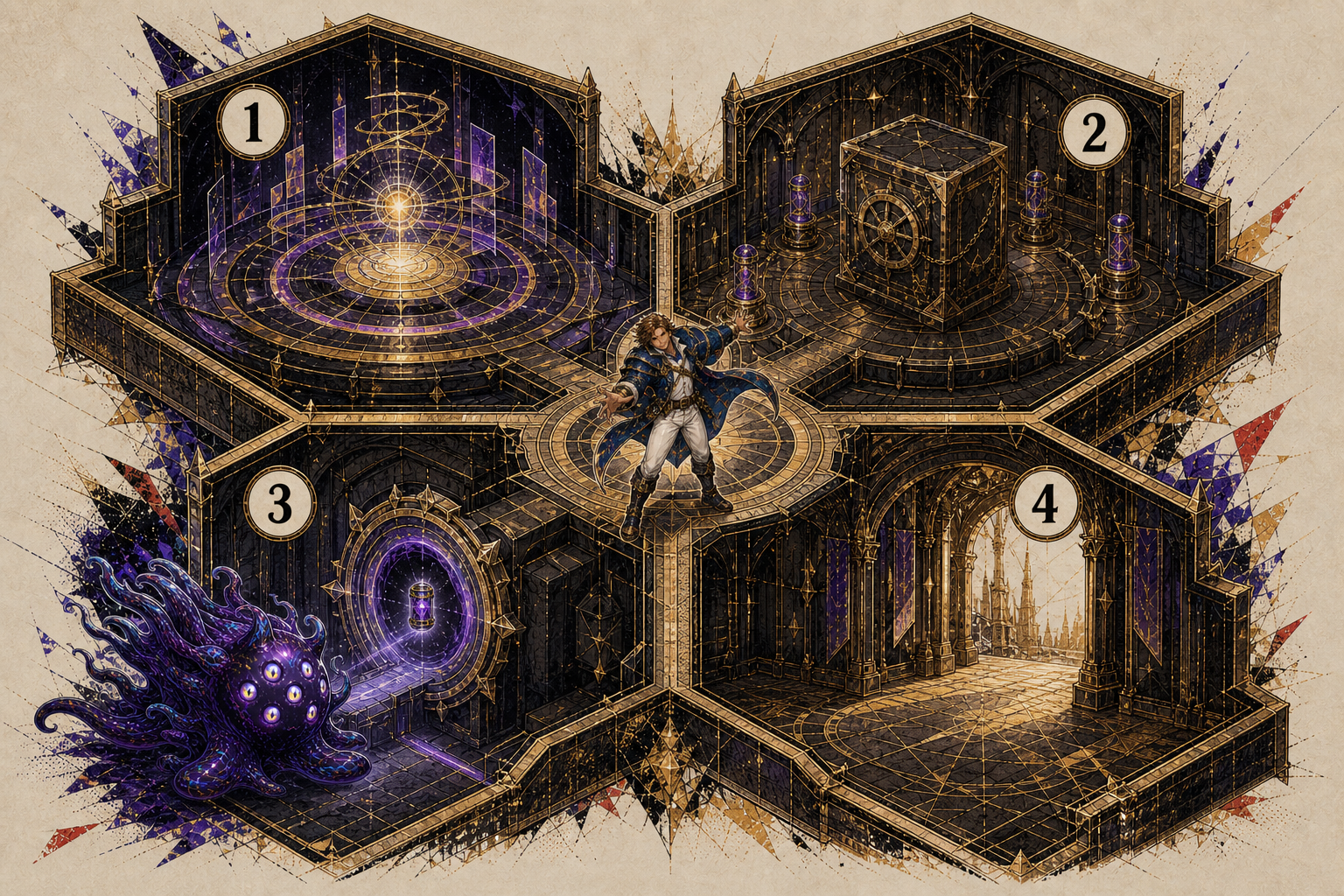
- Player-facing game layer
- Custody and settlement chamber
- Eligibility-proof gateway
- Supplier and licensing access
What B2B suppliers now require before granting access
The gate is the content catalogue, not the regulator. Evolution and Pragmatic Play now require crypto-operators to demonstrate MiCA-equivalent compliance before granting access to their premium gaming suites, which forces a non-compliant platform to choose between regulation and losing the titles players actually ask for. The barrier to entry for new crypto-first operators has risen accordingly, and it favours entities that can navigate a legal framework as well as ship a product.
Why the industry moved off Ethereum onto Layer 2 and Layer 3 AppChains
The technological foundation has migrated from general-purpose blockchains like Ethereum to specialised Layer 2 and Layer 3 AppChains built for gaming. These dedicated networks enable gas-less interactions and real-time on-chain auditing, which is what makes the high-frequency betting behind modern slots and table games practical on-chain. The same shift is examined in more depth in our report on sovereign Layer-3 appchains.
Malta’s first permanent DASP endorsements
The Malta Gaming Authority has issued its first permanent Digital Asset Service Provider endorsements, giving operators a clear legal pathway to handle crypto-assets inside a Tier-1 jurisdiction. Securing one is how a platform demonstrates to players and partners that it meets Maltese standards for consumer protection and financial integrity, and it has positioned Malta as a central hub for regulated crypto-gaming.
Provably Fair 3.0, and what Solana and SoftSwiss built
The partnership between the Solana Gaming Hub and SoftSwiss produced a Provably Fair 3.0 suite that lets a player verify the randomness of a result in real time. It uses Solana’s high-throughput architecture to guarantee the integrity of each game outcome, removing the need to trust the operator’s internal servers, and it applies across a suite of ordinary casino games rather than a single showcase title. Our earlier coverage of zero-knowledge proofs and on-chain verification traces where that verification stack came from.
Stable-Bet protocols and the end of betting on two risks at once
Stable-Bet protocols have become the norm for risk management because volatility made a crypto wager a double-layered risk. Interest-bearing stablecoins such as USDC and EURC let a player wager in an asset pegged to the Dollar or the Euro while earning a yield on an idle balance, which gives the house a predictable book as well. As stablecoin adoption grows, reliance on volatile tokens for gambling is expected to diminish — a direction, not a completed change.
How Zero-Knowledge KYC satisfies GDPR and MiCA at once
Zero-Knowledge KYC lets a player prove their legal age and residency without sharing identification documents with the operator. That satisfies the requirements of both the General Data Protection Regulation and MiCA without collapsing player privacy entirely, and it narrows what a breach at the operator could expose, because the operator never held the documents. It is the bridge between the privacy-centric roots of crypto and the transparency modern regulators demand.
Secondary licences, and why Stake and Rollbit took them
Stake and Rollbit have secured secondary licences in jurisdictions such as the Isle of Man in order to keep high-level commercial partnerships alive. Major sports leagues and media entities are hesitant to associate with a platform that lacks clear regulatory standing, so a licence from the Isle of Man Gambling Supervision Commission is what makes global sponsorship possible. This regulatory layering lets a company keep its crypto roots and buy the credibility mainstream marketing requires.
What the traditional conglomerates are reportedly doing
Entain and Flutter Entertainment are reportedly scouting GambleFi protocols for acquisition or strategic investment — reported, not announced, and worth holding at that strength. What is not in doubt is the direction of travel: platform providers have become crypto-gateways integrated with monitoring tools such as Chainalysis, which watch on-chain transactions for suspicious activity in real time and are now a condition of holding a Tier-1 licence and a banking relationship.
The games this model produced
The mechanics that came out of this are ones a centralised casino could not have offered. Liquidity Rush is a DeFi-slot in which players act as liquidity providers for the house rather than betting against it, contributing to a pool that funds payouts and taking a share of the house edge in return. Nebula Flight, a 3D crash game, adds Squad Betting, where a group wagers together on a single round and shares the risk through integrated social tools.
What compliance now buys an operator
Regulation has turned from a cost into a competitive position. Crypto-first operators are estimated to account for 35% of global Gross Gaming Revenue — an estimate this report carries without naming its source, and one worth treating as indicative rather than audited. The more durable claim is the structural one: the house edge is becoming an observable metric, and operators still hiding behind proprietary algorithms are losing ground to those who let it be checked. Where technological transparency and regulatory compliance meet is where the next decade of this market gets decided.
If you are building or relicensing against this stack, that meeting point is the work we do — talk to us about what your jurisdiction actually requires.
Frequently asked questions
What is a MiCA-compliant hybrid framework in iGaming?
A MiCA-compliant hybrid framework is a structure that lets a crypto-native gambling platform keep its on-chain settlement while meeting the requirements of a Tier-1 regulated jurisdiction such as Malta or the Isle of Man. It is the arrangement most of the largest decentralised platforms had adopted by March 2026, replacing the grey-market posture the sector grew up with.
Why do Evolution and Pragmatic Play now require MiCA-equivalent compliance?
Both suppliers now require a crypto-operator to demonstrate MiCA-equivalent compliance before it is granted access to their premium gaming suites. That gatekeeping makes the content catalogue, not the regulator, the practical enforcement point: a non-compliant platform loses access to the titles players ask for, which is why the barrier to entry for new crypto-first operators has risen.
What is a Digital Asset Service Provider endorsement from the Malta Gaming Authority?
The Malta Gaming Authority has issued its first permanent Digital Asset Service Provider endorsements, which give an operator a legal pathway to handle crypto-assets inside a Tier-1 jurisdiction. The endorsement is what lets a platform show players and partners that it meets Maltese standards for consumer protection and financial integrity rather than asserting it.
What are Stable-Bet protocols?
Stable-Bet protocols let a player wager in assets pegged to the US Dollar or the Euro, such as USDC and EURC, while earning a yield on balances that are sitting idle. They exist because betting in Bitcoin or Ethereum exposed a player to two risks at once, the wager and the exchange rate, and removing the second makes the outcome predictable for the house as well as the player.
How does Zero-Knowledge KYC work?
Zero-Knowledge KYC uses cryptographic proofs to let a player demonstrate their legal age and residency without handing identification documents to the operator. It satisfies both the General Data Protection Regulation and MiCA, and it reduces what a data breach at the operator could expose, because the operator never held the documents.
What is Provably Fair 3.0?
Provably Fair 3.0 is the suite launched through a partnership between the Solana Gaming Hub and SoftSwiss, which uses Solana’s high-throughput architecture to let a player verify the randomness of a result in real time. It removes the need to trust the operator’s internal servers, which is the practical meaning of the Do Not Trust, Verify position the sector has taken.