





















Crypto casinos have moved from novelty to competitor by changing four things at once: how fast money moves, how much it costs to move it, how personal a session feels, and how much a player has to take on trust. This is what each of those changes is actually worth.
The five points in short
- Crypto casinos are growing on fast transactions and lower fees.
- AI and VR are what shape the experience around them.
- Data protection is what user trust rests on.
- Provably fair table games and NFT-based slot machines are the formats trending.
- Mainstream adoption is the direction, once regulation is clearer.
What is driving the rise
As technology continues to reshape gambling, crypto casinos are emerging as a dominant force in the industry. By integrating blockchain, these platforms offer fast transactions, reduced fees and greater transparency than a traditional online casino. This article also reports that total bet volume in the sector doubled to $26 billion in the first quarter of the year — a figure it gives without naming a source, and one to read as an industry estimate rather than a measured total.
Why they are becoming mainstream
The trend toward crypto casinos reflects a broader acceptance of digital currencies in everyday transactions. Players in Las Vegas, Nevada have embraced these platforms because payouts arrive faster. Most leading crypto casinos can process a withdrawal in what this piece describes as under 12 minutes for Bitcoin — again a figure carried here without a source, describing what platforms advertise. The direction is not in doubt even where the number is: fast withdrawal has become the standard the rest of the market is judged by.
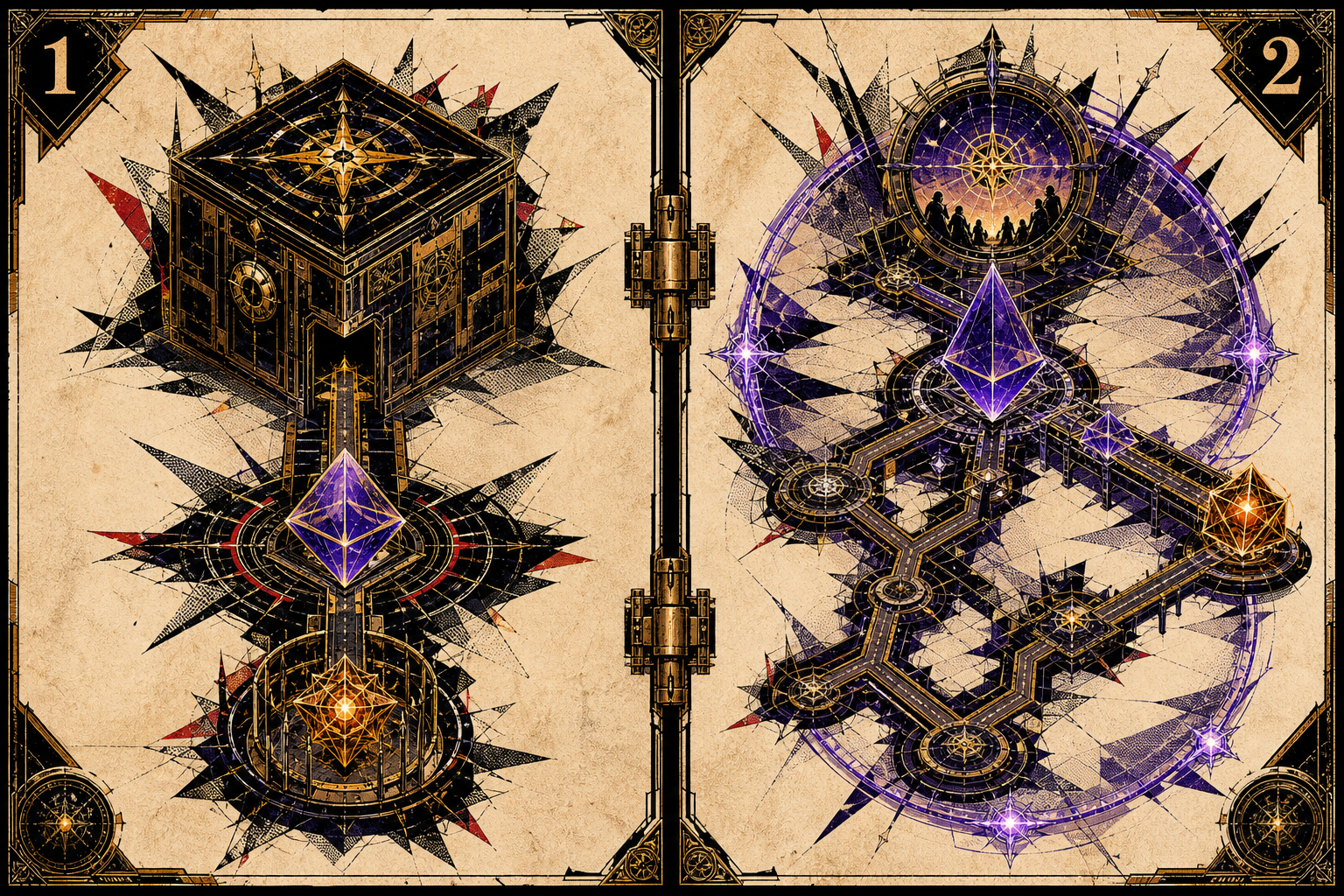
- Earlier pattern: closed path, generic experience and locally trapped reward
- Emerging pattern: inspectable path, adaptive experience, portable reward, social presence and protective boundary
Which innovations matter
Technological innovation is at the heart of the growth. The most impactful is artificial intelligence, and not only for personalisation: AI tools recommend games from player behaviour, and the same algorithms analyse patterns for early signs of gambling-related harm, so an operator can intervene when intervening is still useful.
What AR and VR add
Augmented and virtual reality are breaking new ground online. They let a player inhabit a gaming environment rather than look at one, interacting with avatars in scenarios that reproduce the atmosphere of a real casino. As the technology continues to evolve, the realism and the engagement are expected to rise with it.
What data protection has to deliver
As crypto casinos grow, robust data protection becomes the precondition rather than a feature. Players need to trust that their personal and financial information is safe, and many platforms now use advanced encryption to protect accounts. The emphasis on security protects against unauthorised access and builds the trust that brings the next group of players in.
Which formats are trending
Several formats have emerged as frontrunners. Provably fair table games are the most popular, because a player can verify the fairness of each round through cryptographic proofs. NFT-based slot machines are changing the slot experience by letting players acquire unique, tradable digital assets. VR poker tournaments are the third, putting players in fully interactive environments that reflect the atmosphere of a real poker room.
What comes next for the sector
The trajectory points upward. Continued innovation and the arrival of newer technologies will keep changing what a gaming experience is, and operators that adapt will build more engaging platforms than the ones that do not. As the regulatory position on cryptocurrencies becomes clearer, mainstream adoption is the likely result, and that is what makes growth in this sector sustainable rather than cyclical.
Where to read more
Our reports on the latest crypto casino trends and innovations and on how crypto casinos reshaped the online gambling landscape cover the same ground with more detail on the platform side.
If you are building against any of this, talk to us about which part to prove first. You can also follow the analysis on LinkedIn.
Frequently asked questions
What are crypto casinos?
Crypto casinos are online gambling platforms that use cryptocurrencies for transactions and blockchain for the record underneath. What that buys a player is faster payouts, lower fees and transparency an operator cannot quietly withdraw, which is the whole of the appeal in one sentence.
How do crypto casinos protect player data?
Platforms are deploying advanced encryption to protect user accounts, because a player has to trust that their personal and financial details are safe before anything else matters. The security work is also community work: it protects against unauthorised access and it is what persuades cautious players to try blockchain-based gaming at all.
Which game formats are trending in crypto casinos?
Provably fair table games lead, because a player can verify the fairness of each round through cryptographic proofs rather than trusting the house. NFT-based slot machines follow, letting players acquire unique tradable assets, and VR poker tournaments are the third, recreating the atmosphere of a real poker room.
Why are crypto casinos becoming mainstream?
The shift tracks a broader acceptance of digital currencies in everyday transactions, and the specific thing players cite is payout speed. Near-instant withdrawal changed what an online casino is expected to do, and satisfaction with that has set the standard the rest of the market is measured against.
What does AI do inside a crypto casino?
AI personalises game recommendations from player behaviour, which is the engagement side. It also detects gambling-related problems early by analysing patterns, so an operator can intervene while an intervention is still useful rather than after harm has been done.
How do AR and VR change online gambling?
Augmented and virtual reality let a player inhabit a gaming environment rather than look at one, interacting with avatars in scenarios that reproduce the feel of a real casino floor. As the technology improves, the realism and the level of engagement are expected to rise with it.