




















The crypto casino industry changed shape through 2025 under three pressures at once: new technology, different player expectations and a moving regulatory frontier. What that produced is a shift away from the traditional gambling model toward products where the player has agency — skill-based games, AI personalisation, NFT rewards and stablecoin settlement. This is a summary for the people who have to decide what to build, in the order the decisions arrive.
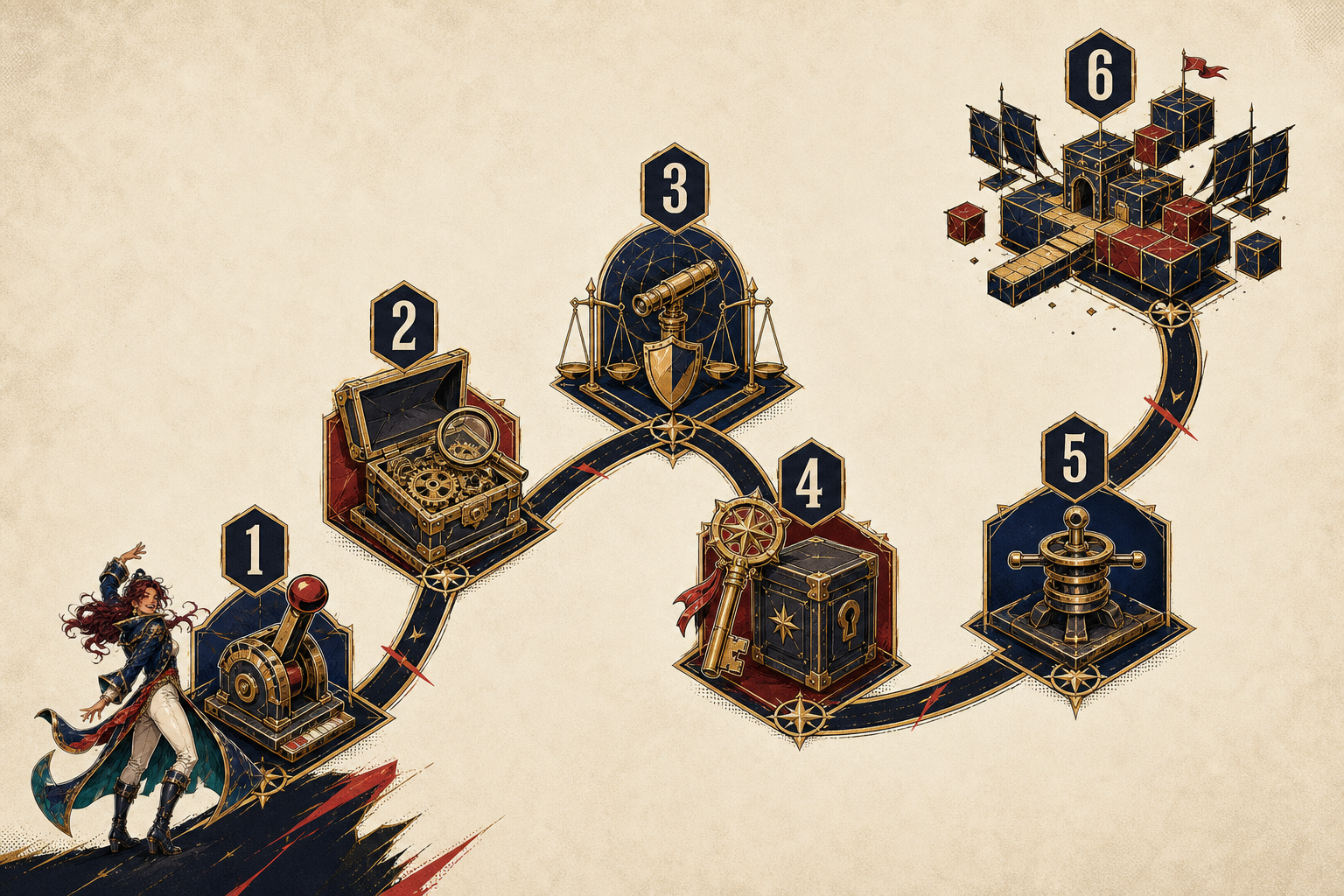
- Skill and player agency
- Inspectable outcomes
- Personalization with safeguards
- Ownable loyalty
- Stable settlement
- Mobile and modular delivery
Skill-based games and what they change
Skill-based and interactive games are the clearest departure from the slot. Arcade-style mechanics, shooters and performance-driven bonus rounds mean the outcome depends partly on what the player does, which produces a sense of achievement and progression rather than a result. In a market saturated with near-identical catalogues, that is what makes a product distinguishable — and it turns a session into something a player gets better at, which is a stronger retention mechanism than a bonus.
Provably fair play and mainstream acceptance
Blockchain platforms brought transparent, swift and secure transactions, and provably fair gaming let players verify outcomes for themselves. Those two together are why crypto casinos reached mainstream acceptance rather than remaining a niche: they answer the specific complaints players had about traditional online gambling instead of offering a better version of the same arrangement. Every operator adopting them widens the audience that treats transparency as a requirement.
What AI personalisation is for
AI reads behaviour and preference to offer game recommendations that fit the individual player, which is the retention argument. The second use is responsible gambling: the same models can identify risky patterns early enough for a platform to intervene, which turns a compliance obligation into something the technology does rather than something a team reviews. An operator that runs both from one system has a defensible position with regulators as well as with players.
NFTs as loyalty rather than collectibles
An NFT-based reward is different from a loyalty point because it can be traded. Traditional programmes hand out generic rewards inside a closed scheme; a unique digital asset carries value outside the platform and a place in the wider gaming culture. That link between playing and owning is what makes the mechanic worth building, and it is also the reason the reward has to be genuinely scarce for the model to hold.
Why stablecoins won the settlement argument
Players are moving to stablecoins because a volatile asset means betting twice — once on the game and once on the exchange rate. A stable value makes deposits and withdrawals predictable and allows fixed dollar-denominated bonuses and wagers, which removes an anxiety that has nothing to do with gambling. For an operator chasing mainstream players rather than crypto natives, that predictability is the entry condition.
Mobile-first is a design constraint, not a channel
This article puts more than 75% of traffic to online casinos on mobile devices — a figure it gives without naming a source, so treat it as indicative of the direction rather than as a measurement. What follows from it either way is that speed, accessibility and touch interfaces are the primary design constraints, not adaptations made after the desktop build. Platforms that start there reach a demand for immediate engagement that a resized desktop product cannot.
Modular systems and the speed of compliance
Modular casino platforms let an operator adjust for a regional regulation or a user preference without overhauling the platform underneath. In a market where compliance standards change frequently, that is not a convenience — it decides whether a jurisdiction is reachable this quarter or next year. Operators who adopt modularity are the ones able to treat regulation as a product requirement rather than a project.
Regulatory adaptability
Compliance has become non-negotiable, and modern platforms are shipping the tooling to navigate it, particularly in heavily regulated markets such as the United States. Being able to align quickly with a legal requirement is what keeps a business operating and a player base trusting it. As regulators grow more vigilant and player protection rises up the agenda, adaptability is what separates a trusted operator from a licensed one.
What the sector looks like from here
The market is moving toward personalisation, mobile accessibility and blockchain transparency, and the platforms investing in AI, NFTs and stablecoins are the ones positioned for it. The through-line across every trend above is player agency: ownership and skill rather than luck alone. Whether that produces a durable business depends on the same thing it always did — technology that matches what players actually want, with responsible gaming built in rather than bolted on. Our report on crypto casino trends and top games covers the format side, and how crypto casinos are evolving covers what leaders are doing about it.
If you are making these decisions now, talk to us — we will tell you what is realistic for your licence and your timeline.
Frequently asked questions
What are the key trends in crypto casinos for 2025?
Skill-based gaming, AI personalisation, the rise of NFTs and the growing use of stablecoins. Each of them moves the product away from pure chance and toward something a player has agency in, and together they are what is making online gambling more engaging and more transparent at the same time.
How do skill-based games enhance player experience?
Skill-based games add arcade-style mechanics, shooters and performance-driven bonus rounds, so the outcome depends partly on what the player does rather than only on luck. That gives a sense of achievement and progression, which is why the format appeals to younger audiences and produces deeper loyalty than a slot does.
How is blockchain technology impacting crypto casinos?
Blockchain gives crypto casinos transparent, fast and secure transactions, and provably fair gaming lets a player verify the integrity of an outcome directly. That combination is what has brought mainstream acceptance: it answers the trust problem that traditional online gambling never solved.
Why are NFTs significant in online casinos?
NFT-based reward systems replace generic loyalty points with unique, tradable digital assets, so a reward has resale value and a place in wider gaming culture rather than only inside one operator’s scheme. The link it creates between playing and owning is what makes it more than a rebrand of a points balance.
What role do stablecoins play in online gambling?
Stablecoins hold a consistent value, so a player is not exposed to a price swing on top of the bet they placed. That makes deposits and withdrawals predictable and allows fixed dollar-denominated bonuses and wagers, which is why operators looking for mainstream players are prioritising them over volatile assets.
How do modular casino systems help operators adapt?
A modular platform can be adjusted for a regional regulation or a user preference without an extensive overhaul of the whole system. In a market where compliance standards change frequently, that is the difference between entering a jurisdiction and waiting a release cycle to enter it.