




















Malta, Curacao and the Isle of Man have adopted the Unified On-Chain Compliance Framework, and the effect is that crypto-native casinos become a standardised B2B ecosystem rather than a semi-regulated one. The framework requires two things of an operator: real-time on-chain reporting of Gross Gaming Revenue, and Zero-Knowledge Proof protocols for identity verification. The design intent behind that pairing is that Anti-Money Laundering compliance can be satisfied without collapsing the privacy digital asset users came for.
What made the UCCF possible
Two things arrived at once: regulatory pressure and cheap block space. MiCA and a wider international push for transparency in digital finance closed the legal ambiguity crypto gambling platforms had been operating inside on tax liability and player protection. Layer 2 rollup technology cut transaction costs far enough that recording every individual wager, win and loss permanently on a public ledger became economically feasible. Neither alone would have produced this framework.
Why the incumbents asked for it
Tier-1 operators and B2B suppliers launched crypto-first sub-brands and then lobbied for a level playing field with high-standard KYC and AML — which is to say the incumbents asked to be regulated, because the alternative was competing with startups that were not. The result is stablecoins and major cryptocurrencies inside frameworks previously reserved for fiat, and a pivot away from offshore models toward regulated on-chain transparency that has brought institutional investment and banking partnerships with it.
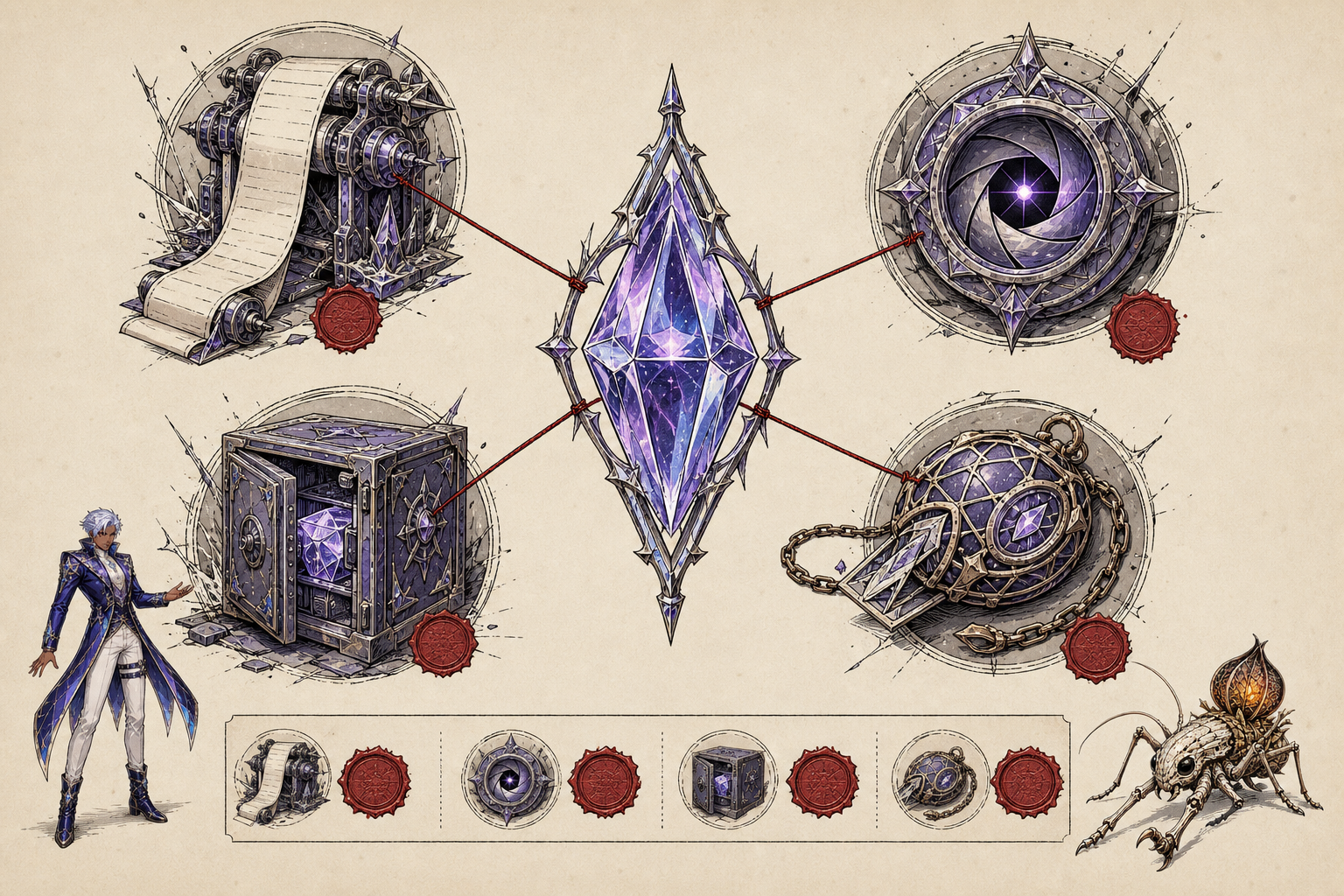
- Continuous reporting conduit
- Privacy-preserving proof aperture
- Segregated reserve vault
- Wallet-level protection limits
Malta replaces the sandbox with Smart License 2.0
The Malta Gaming Authority has moved every participant out of its sandbox and onto a permanent crypto-service licence. Under the Smart License 2.0 guidelines, all Random Number Generator outputs must be hashed on-chain using the UCCF protocol. An MGA official framed it as the marriage of technological innovation and player safety, and added that the authority no longer asks for trust but provides the tools for verification. The practical effect is a single technical expectation for any operator using blockchain assets in a regulated jurisdiction.
Soulbound Tokens and identity that proves without disclosing
Two major identity verification providers have launched a joint venture that lets a player prove eligibility — age, residency — without sharing personal data with the casino. It works through blockchain-based Soulbound Tokens which confirm that a player is over 18 and outside a restricted jurisdiction. That is the same tension every operator has been carrying, resolved rather than balanced: the sensitive information stays where it was, and the AML standard is still met.
What the aggregators are shipping
SoftSwiss and EveryMatrix have built plug-and-play crypto casino modules that handle multi-chain liquidity management and real-time tax withholding across more than 15 jurisdictions, and studios such as Pragmatic Play are making their game math compatible with on-chain verification. Between them, the B2B suppliers have become the practical gatekeepers of compliance: an operator inherits its regulatory posture from the module it integrates.
Yield-Based Wagering, and where the house edge comes from
A model called Yield-Based Wagering has emerged in which part of the house edge is generated by DeFi lending protocols instead of exclusively by player losses. Liquidity Pool Slots are the example: players stake stablecoins into a decentralised pool and revenue comes partly from interest earned on those assets. Analysts quoted here suggest it creates a new asset class; what is verifiable from the mechanism itself is that it supports a more capital-efficient Return to Player than a pure loss-lead model does.
Instant Swap, and cross-chain betting
A major blockchain gaming foundation has partnered with a top-tier sportsbook supplier to enable Instant Swap betting, where a user wagers in one cryptocurrency and is paid out in another without an intermediary exchange. Removing the conversion step is what makes digital assets genuinely usable in sports betting rather than merely accepted there, and the same low-friction requirement applies to high-frequency slot play.
Regulators start reading contracts instead of logs
The UK Gambling Commission and the Curacao GCB are moving from auditing static logs to validating active blockchain nodes, which requires regulatory staff who can read smart contract code off the ledger. Alongside that, FATF Recommendation 16 — the Travel Rule — is now mandatory in iGaming, requiring originator and beneficiary information for every crypto transfer above €1,000. Regulators are becoming part of the technical infrastructure they oversee rather than an audience for its reports.
Reserves, and limits written into the wallet
MiCA II requires crypto-casinos to hold 1:1 reserves for all player deposits in audited cold-storage vaults, which protects funds against operational risk and against a liquidity squeeze when withdrawals spike. Several jurisdictions separately mandate Responsible Gambling Smart Contracts, hard-coding cool-off periods and deposit limits into the player’s wallet interaction. Because the restriction attaches to a cryptographic identity rather than an email address, a new account does not clear it — which is the loophole this closes.
Who benefits from the barrier to entry
Established suppliers and Tier-1 operators have received the framework well, on the view that it keeps bad actors out and moves the sector toward being listable on a public exchange. Reports cited here indicate a 40% increase in crypto-native mergers and acquisitions during the second quarter — a figure given without a named source, and one to treat as indicative. Smaller offshore operators have said the cost of ZK-KYC and real-time auditing is high, which points the same way: consolidation, with compliance capability as the sorting criterion.
What players are choosing
Live Dealer ZK-Poker is gaining ground among professionals, and the reason given is not the graphics. The Chief Product Officer at a leading B2B studio says the game is now about the settlement layer, and that players expect to see a win confirmed on the block before the animation finishes. Those rooms use Mental Poker protocols so no party knows the hole cards until they are revealed. On-Chain Sports Prediction Markets are growing on the same logic, using oracle aggregators to settle the moment an event concludes and removing the 24-hour withdrawal wait entirely.
Where this settles
The UCCF and Smart License 2.0 make operational transparency permanent, and the more they spread the less the distinction between a traditional and a crypto casino means. Zero-Knowledge Proofs and Layer 2 scaling are what let the sector meet global AML standards and still deliver the privacy and speed its users expect. Our reports on zero-knowledge proofs and on-chain verification standards and on the Unified Digital Asset Standard cover the neighbouring frameworks.
If your licence is about to require any of this, talk to us about what it means for your build.
Frequently asked questions
What is the Unified On-Chain Compliance Framework?
The Unified On-Chain Compliance Framework, or UCCF, is the standard adopted by Malta, Curacao and the Isle of Man to move crypto-native casinos out of semi-regulated territory into a standardised B2B ecosystem. It requires operators to report Gross Gaming Revenue on-chain in real time and to use Zero-Knowledge Proof protocols for identity verification, so anti-money-laundering obligations are met without stripping the privacy digital asset users expect.
What is Smart License 2.0?
Smart License 2.0 is the Malta Gaming Authority guideline that replaced its sandbox with a permanent crypto-service licence. Under it, every Random Number Generator output must be hashed on-chain using the UCCF protocol. An MGA official described the authority as no longer asking for trust but providing the tools for verification, which is the shift the licence encodes.
How do Soulbound Tokens verify a player without collecting their data?
Two identity verification providers have launched a joint venture in which blockchain-based Soulbound Tokens confirm that a player is over 18 and not in a restricted jurisdiction, without the casino ever receiving the personal data behind that claim. It resolves the standing tension between KYC requirements and the privacy players ask for.
What is Yield-Based Wagering?
Yield-Based Wagering is a model in which part of the house edge is generated by DeFi lending rather than exclusively by player losses. Liquidity Pool Slots are the example given: players stake stablecoins into a decentralised pool and the revenue comes partly from interest earned on those staked assets, which supports a more sustainable Return to Player.
What reserve requirements does MiCA II place on crypto-casinos?
Under updated European directives, MiCA II requires crypto-casinos to hold 1 to 1 reserves for all player deposits in audited cold-storage vaults. The purpose is to protect player funds from operational risk and to ensure the operator stays liquid when withdrawals spike.
How do Responsible Gambling Smart Contracts prevent a player bypassing limits?
Several jurisdictions now require cool-off periods and deposit limits to be hard-coded into the player’s wallet interaction rather than stored in an operator’s account record. Because the restriction attaches to the cryptographic identity rather than to an email address, opening a new account does not clear it.