



















It is no secret that marketing has changed drastically within the last decade. The way in which people sell their products and services, as well as how they advertise them to potential customers, has all been affected by technology. Nowadays, it seems like most things can be done programmatically – or automatically– without a need of human intervention at any stage of the process. Programmatic advertising platforms seem to be the future of marketing.
When people talk about Programmatic Marketing, they are referring to using automation or software for buying, selling and placing advertisements.
What programmatic advertising is
Programmatic Advertising, also called Programmatic Marketing, is related to the automation of advertising using special software. It is a new approach to digital marketing that makes use of cutting-edge technology to make personalized adds reach their specific target.
It’s a growing trend in today’s market, and many new businesses are looking to get ahead by adopting this strategy and eliminating manual labor from their budget altogether.
How the auction actually runs
Programmatic marketing is an intricate and exciting way to make a hyper-personalized brand experience for your customers. Once you have all the data, algorithms can be used to pinpoint exactly who are your best prospects so that they get more relevant content from you than any other company in their market space.
Artificial intelligence technologies have algorithms that analyze a visitor’s behavior to tailor real-time campaigns specifically aimed to potential converters. This provides an edge over other methods such as traditional marketing, where it is difficult to get feedback from customers and target specific audiences. Programmatic companies can use the data collected through artificial intelligence technology, to gain insight into their market, develop more relevant messages, make better decisions on pricing, and direct advertising towards consumers that are more receptive to its message.
Programmatic marketing involves 3 main agents: a website visitor, the website’s owner, and the advertisers.
The process starts when a person clicks on a webpage that works with programmatic advertising platforms. The website publisher offers that spot in an SSP or Supply Side Platform and then an auction is started in a Demand Side Platform (DSP) where advertisers offer bids for the ad impression. As in every auction, the highest bidder wins and the ad is served on the website. The user finishes the process by clicking on the ad and converting.
The entire process happens in milliseconds and users don’t even notice it.
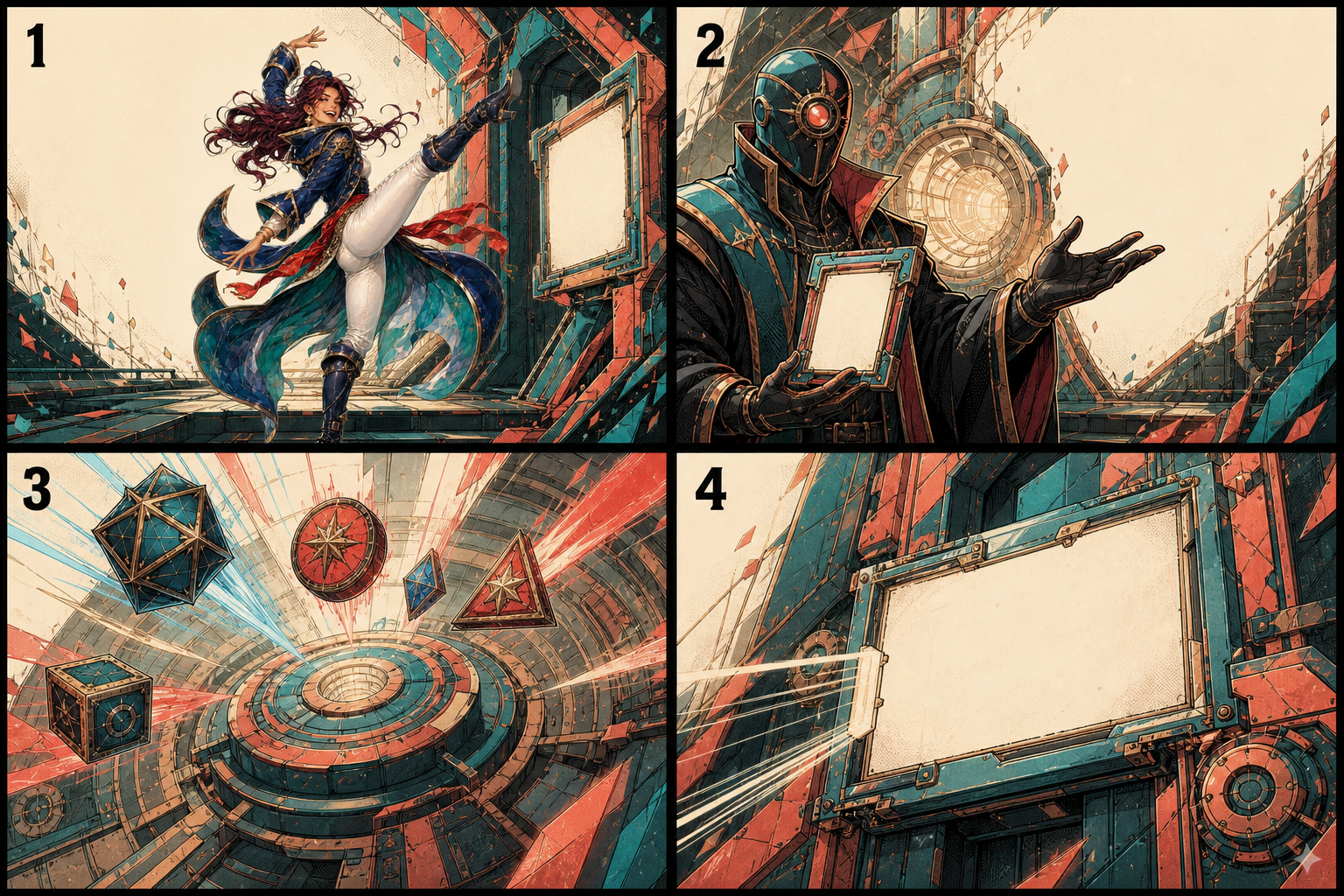
Gale CorsairOne visitor. One open window.
Auction KeeperOffer the impression, not the audience.
- A visitor opens a page that carries an available advertising position
- The publisher offers that single impression through a supply side platform
- Advertisers bid for the impression through a demand side platform
- The winning neutral advert is delivered into the open position
Five advantages of programmatic advertising
Programmatic marketing is changing the way advertising and promotions are done. This process opens up a series of opportunities to do more because ads can be placed automatically, which was not as feasible in the past due to human limitations with manual placement.
The sheer number of opportunities that are available with programmatic marketing makes it the most effective and efficient way to advertise. Here are 5 reasons why you need programmatic marketing:
Increased audience reach
Programmatic advertising allows you to reach a much larger audience across multiple websites and online platforms.
Cost-effective
By using real-time data, advertisers can make adjustments and optimizations to their campaigns as needed. Optimizing ensures that each campaign is running efficiently by targeting only those ideal customers while using the budget effectively.
More control
Programmatic ads offer a layer of transparency that allows marketers to see all aspects of their ad in real-time, including the sites it is reaching, the types of customers that see the ad, and the associated costs per space.
Real-time measurement
Programmatic exchanges allow advertisers and publishers to check up on the performance of their ads, so that they can modify them with ease. Ads are placed in real-time, obtaining data at a quick pace and more accurate reports.
Third-party data
By mining user data to filter out the preferences that do not align with what a person is looking for, it becomes easier to craft unique interactions, tailored specifically towards their needs.
Why it is treated as the future of digital marketing
Writing in 2021, this article quoted Phil Gaughran, US chief integration officer at McGarryBowen, predicting that by 2022 80% of the advertising process would be automated. It is a named prediction about a year that has since passed, and it is left as it was published rather than checked against what happened.
We will probably experience programmatic marketing in the TV and radio, and it will definitely make an impact in AR (Augmented Reality) and VR (Virtual Reality) spaces, where brands will have limitless opportunities.
What this means for an advertiser
Marketing continues to grow and evolve, and therefore the world will experience new ways of advertising. Little by little, traditional marketing is being left behind due to the perks of using programmatic marketing.
Global Wizards is constantly keeping track of the latest tendencies in the world of marketing. Our note on the marketing trends worth following puts this alongside the other directions the same market was moving in. If you want more on programmatic advertising, contact us.
Frequently asked questions
What is programmatic advertising?
Programmatic advertising, also called programmatic marketing, is the automation of advertising through software: buying, selling and placing adverts without a person doing each step. It uses current technology to get a personalised advert in front of a specific target rather than a broad one.
How does programmatic marketing work?
Three agents are involved: a website visitor, the website owner and the advertisers. When a visitor opens a page, the publisher offers that advert slot on a supply side platform, an auction runs on a demand side platform where advertisers bid for the impression, the highest bidder wins, and the advert is served. The whole exchange happens in milliseconds and the visitor sees none of it.
What are an SSP and a DSP?
A supply side platform, or SSP, is where a publisher offers the advert space it has. A demand side platform, or DSP, is where advertisers bid for it. The two together are what make an automated auction possible for a single impression rather than for a block of inventory.
What are the advantages of programmatic advertising?
Five are named here: a much larger audience across multiple sites and platforms; cost-effectiveness, because real-time data lets a campaign be optimised toward the right customers; more control, since a marketer can see which sites are being reached, who is seeing the advert and what each space costs; real-time measurement, so an advert can be changed while it runs; and third-party data for tailoring the interaction.
How does AI fit into programmatic advertising?
Algorithms analyse a visitor’s behaviour to tailor a campaign in real time toward the people most likely to convert. That data is also what gives a programmatic company insight into its market, better messages, better pricing decisions, and a way to aim advertising at consumers who are more receptive to it.
Where is programmatic advertising heading?
Beyond display. This article expects programmatic buying in television and radio, and a significant impact in augmented and virtual reality, where the inventory a brand can address is not limited by a fixed page.