




















If you are building a website for your brand you have probably already met the Wix versus WordPress debate. Both are good ways to build a page from the ground up, and the honest answer depends on four decisions: who builds it, who hosts it, what you extend it with, and who maintains it afterwards.
What Wix is
Wix is one of the most intuitive website builders in the world. It has been around for about fifteen years, and in that time it went from a drag-and-drop page builder to a wider set of solutions for business websites.
Today Wix can be used to create almost any kind of page, from a main site to a dynamic portfolio, without writing a single line of code. It also sells domains, integrates SEO tools, adds the mandatory SSL certificates, and makes analytics straightforward to implement.
What WordPress is
WordPress has been in the business of building websites since the early 2000s, when it started as a blogging platform. Its appeal was that it gave users a starting point from which to create the blog they wanted.
It has kept evolving, adding features for novices and for experienced developers, so you can start with a basic website and extend it with plugins until it does what you need.
The main benefit is that it is powered by its community. Developers publish templates constantly, which lets a user with no coding experience start from something close to what they want and change it.
Those templates are not perfect, though, which is why you ideally want at least one web developer who can deal with the problems that arise.
Which is better for building the site
Both platforms answer this differently, so it comes down to what you value and what your project actually needs.
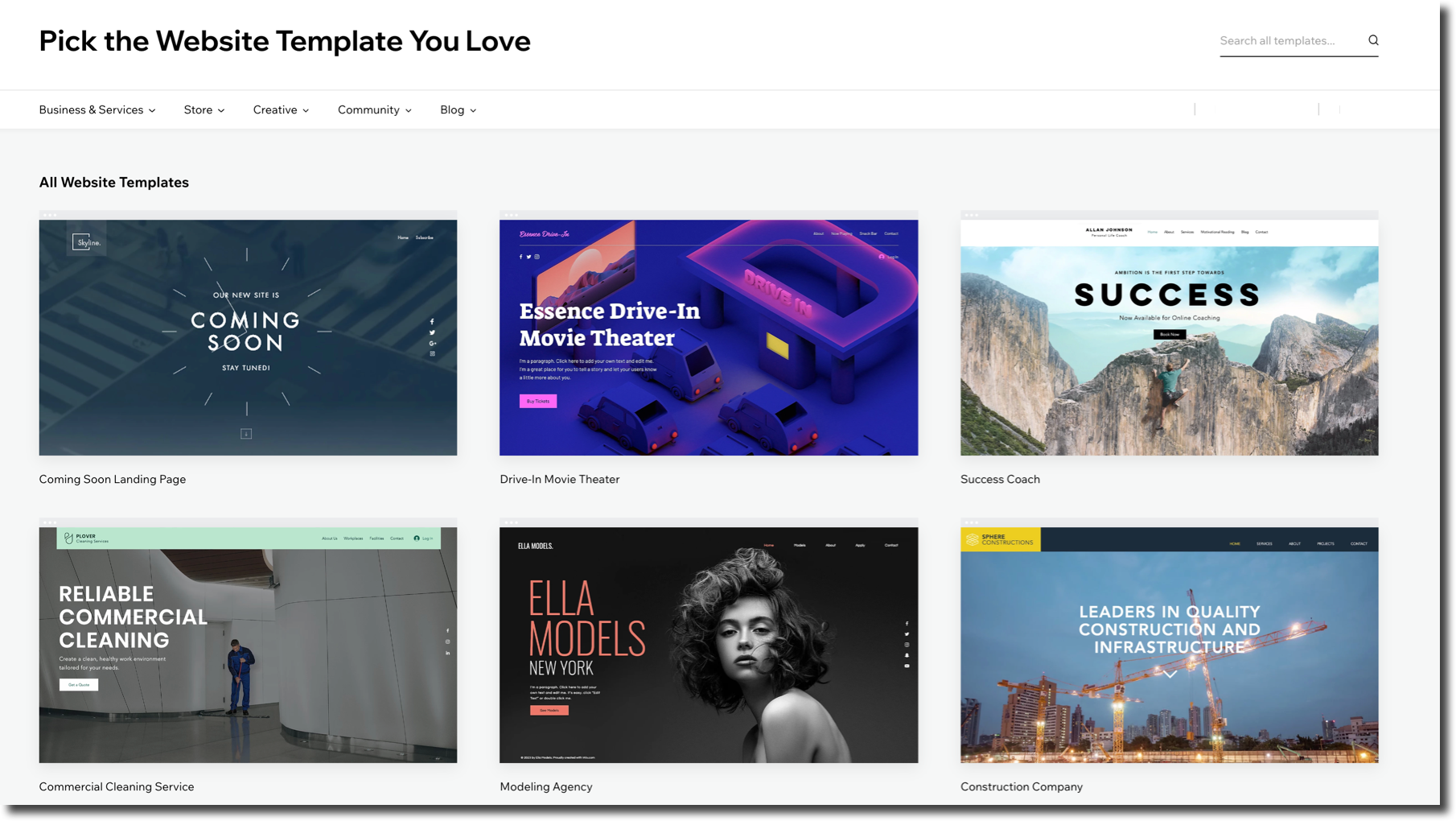
Wix is probably the easiest site builder in the world to use. Its interface is intuitive, and its system for designing websites is a drag-and-drop that has been refined over years. Inside it you get a long list of features to add and a design approach that mostly asks you to move things around until you are happy.
WordPress works the other way round. You pick a community template you like and modify it. That takes more skill, and because the templates come from the community they arrive with their own rules and their own price packages. With a developer working on it the process is far easier, and you end up with more ways to customise the result.
Which is better for hosting
Wix offers a range of hosting that depends on your monthly subscription, so there is nothing to shop for, and you get round-the-clock customer support if something stops working.
WordPress does not come with hosting, because it is a content management system rather than a service. It is popular enough that nearly every host supports it, and some — Hostinger among them — will create a WordPress site for you from their own site.
WordPress also gives you more freedom to migrate hosting, because you effectively control the HTML. Moving away from Wix is harder.
Which is better for plugins
WordPress wins on quantity, and that is less of an advantage than it first appears.
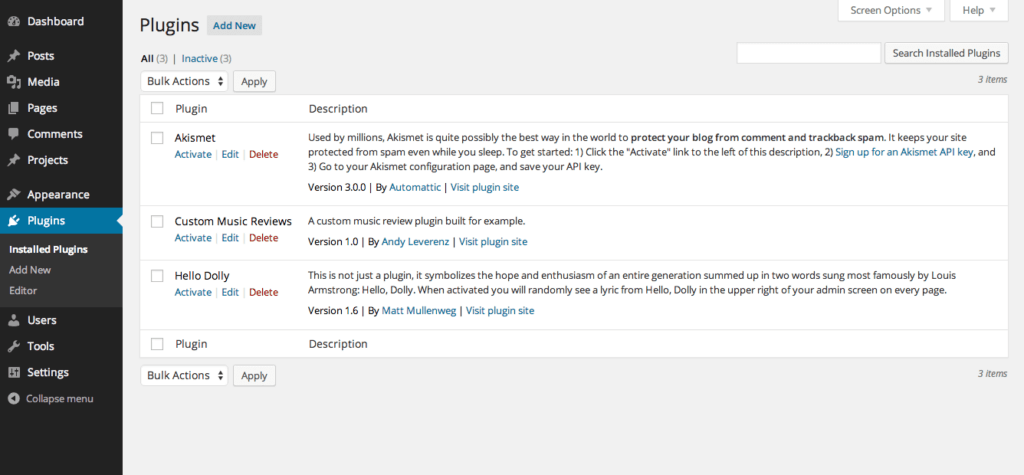
WordPress plugins are made by the community. Think of it as an app store: there are excellent tools in it, and there are glitchy, poorly made ones, and on a business website that distinction matters — a bad plugin can break the site.
Wix instead offers a curated selection of plugins for different purposes. There are fewer of them, they are easy to implement, and you can be reasonably confident they will not damage the page.
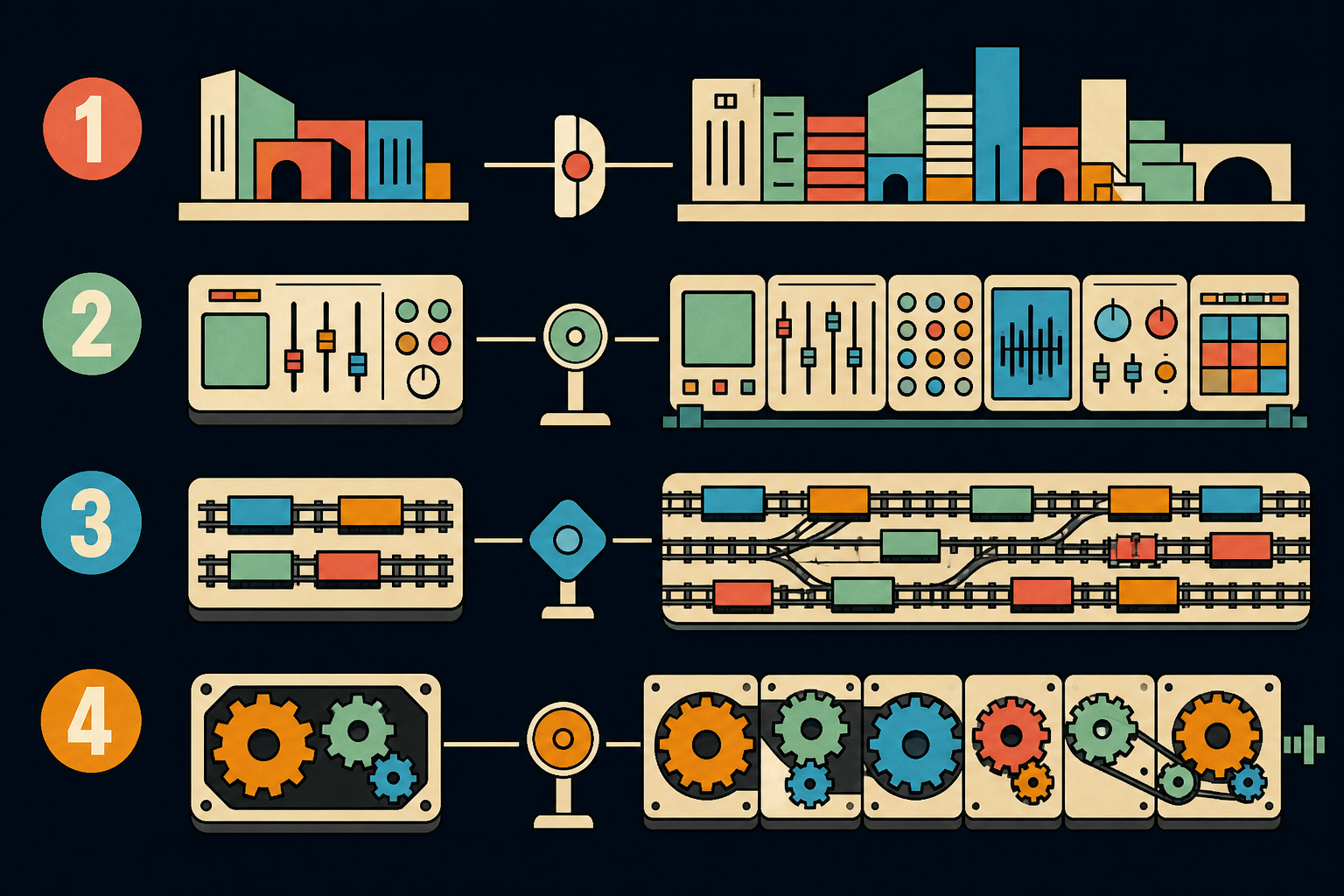
- Building: a compact drag-and-drop route on one side, a template or custom route on the other
- Hosting: a bundled service on one side, a separately chosen host on the other
- Extensions: a curated app shelf on one side, a broad community plugin shelf on the other
- Ownership: managed simplicity on one side, greater portability and technical control on the other
The rule for choosing
The debate does not settle cleanly, but there is a rule that works.
Wix is a monthly service offering intuitive design, reliable hosting and curated features. It is the right choice if you are new to this, or if you have a business to run and no interest in learning about content management systems and web development.
WordPress is the right choice if you already know this territory, or if you have a web developer who can fine-tune the site. You get more room to customise and more freedom to change host later.
Our guide to choosing a WordPress cache plugin covers what maintaining the second option actually involves.
If you are starting out or want to take a site further, drop us a line — or read more on our blog.
Frequently asked questions
What is Wix?
Wix is one of the most intuitive website builders there is, and over roughly fifteen years it grew from a drag-and-drop page builder into a wider set of solutions for business websites. It can be used to build anything from a main page to a dynamic portfolio without writing a line of code, and it also sells domains, SEO tools, mandatory SSL certificates and analytics integration.
What is WordPress?
WordPress has been building websites since the early 2000s, when it started as a blogging platform whose appeal was giving users a starting point rather than a blank page. It has since added features for novices and for developers alike, so you can begin with a basic site and extend it with plugins.
Which is easier to build a website with?
Wix is the easier of the two by a wide margin, because its drag-and-drop system has been refined over years and its interface asks nothing of you beyond moving things around until the result looks right. WordPress starts from a community template you pick and modify, which takes more skill and, with a developer on hand, gives you far more control.
Which is better for hosting?
Wix bundles a range of hosting with your monthly subscription, so there is nothing to shop for, and it includes round-the-clock customer support. WordPress is a content management system and comes with no hosting at all, but almost every host supports it, and because you control the HTML it is much easier to move a WordPress site to another host than a Wix one.
Which has better plugins?
WordPress wins on quantity outright, and that is not the unqualified advantage it sounds like: the plugins are made by the community, so alongside the excellent ones there are glitchy and poorly made ones, and a bad plugin can break a business site. Wix offers a curated selection instead, which is smaller and much less likely to damage a page.
So which should you choose?
Choose Wix if you are new to this or simply do not want to spend time learning about content management and web development while running a business, because it gives you intuitive design, reliable hosting and curated features for a monthly fee. Choose WordPress if you already know the territory or have a developer, because you get more customisation and more freedom to change host.