




















The design of Google Search’s new interface includes a second column of suggestions and predictions. Also, the company confirmed that a new edge-to-edge autocomplete interface is being tested along with other full-width elements.
Google Search’s new interface offers an enhanced autocomplete version that shows additional search predictions like “People also ask”, “People also search for” and other results related to users’ queries.
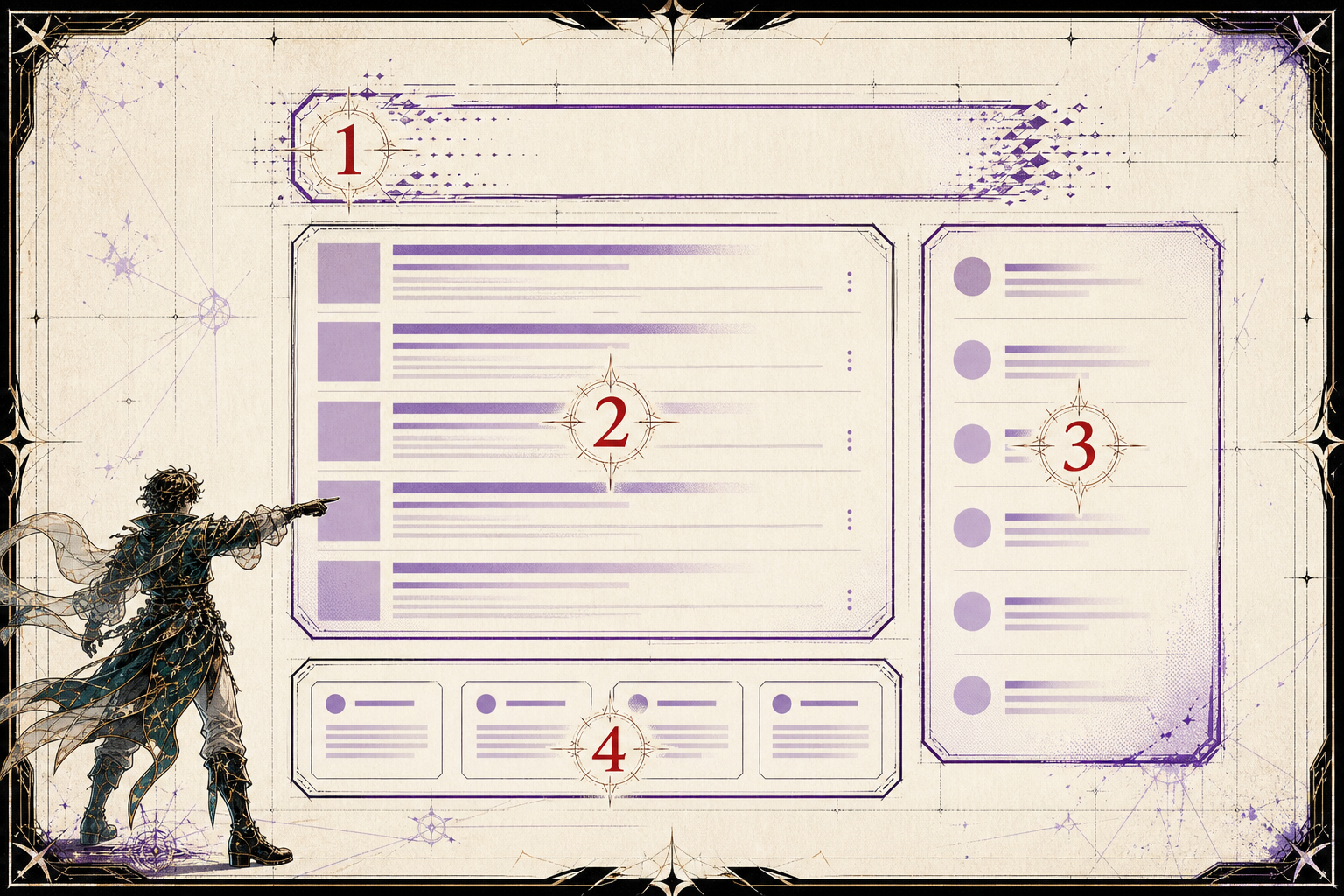
- An edge-to-edge query field with its outer border removed
- The main avenue of search results
- A separate right-hand column of predictions
- Related-question and related-search cards
What the new interface looks like
Whenever you do a search on the Google desktop interface, a second column of predictions will appear on the right side.
The search company is also testing a new variation of autocomplete called “edge to edge”. This means that there is no border around the search box where users enter their query and there is a combination of the elements of search results.
Google is frequently testing out new tools’ improvements and features to offer its users a better experience. Just to name an example, on 7 December the company announced some visual changes to Google Search on desktop when users look for news. This piece was published in December 2021 and that date belongs to it.
“Starting today you’ll notice something different when you look for news on Google Search desktop” -says part of the announcement on Twitter.
Why an interface change matters to a site owner
Changes to the Google Search interface, either big or small, influence the way people use Google Search. That is, how often they decide to carry out a new search, where they may click and more interesting data.
These changes also may have a significant impact on how many people click and visit your website from Google’s search results for certain queries.
Global Wizards, an experienced digital marketing agency, is always looking for the latest news and trends in the digital marketing world to help you stay updated.
Our note on the marketing trends worth following covers what to do about a search surface that keeps moving. Visit our blog, take a look at our services, or contact us.
Frequently asked questions
What changed in the Google Search interface?
The design added a second column of suggestions and predictions on the right of the desktop results page, and an enhanced autocomplete showing additional predictions such as People also ask and People also search for, alongside other results related to the query.
What is edge-to-edge autocomplete?
It is a variation of autocomplete Google confirmed it was testing, in which there is no border around the search box a user types into and the elements of the search results are combined. It was described as being tested rather than shipped, along with other full-width elements.
Where does the second column of predictions appear?
On the desktop interface, on the right-hand side, whenever a search is run. It is additional to the results rather than a replacement for any part of them.
Does an interface change affect traffic to a website?
It can. Changes to the Google Search interface, large or small, influence how people use search: how often they run a new query and where they click. That can have a significant effect on how many people click through to a given website for particular queries.
Does Google announce these changes?
Sometimes. This article records an announcement made on 7 December about visual changes to Google Search on desktop when a user looks for news, published on Twitter and opening with a line about noticing something different.
How often does Google change the search interface?
Frequently. Google tests improvements and new features to its tools continually rather than in occasional releases, which is why an interface someone learned to read six months ago may no longer behave the way they expect.