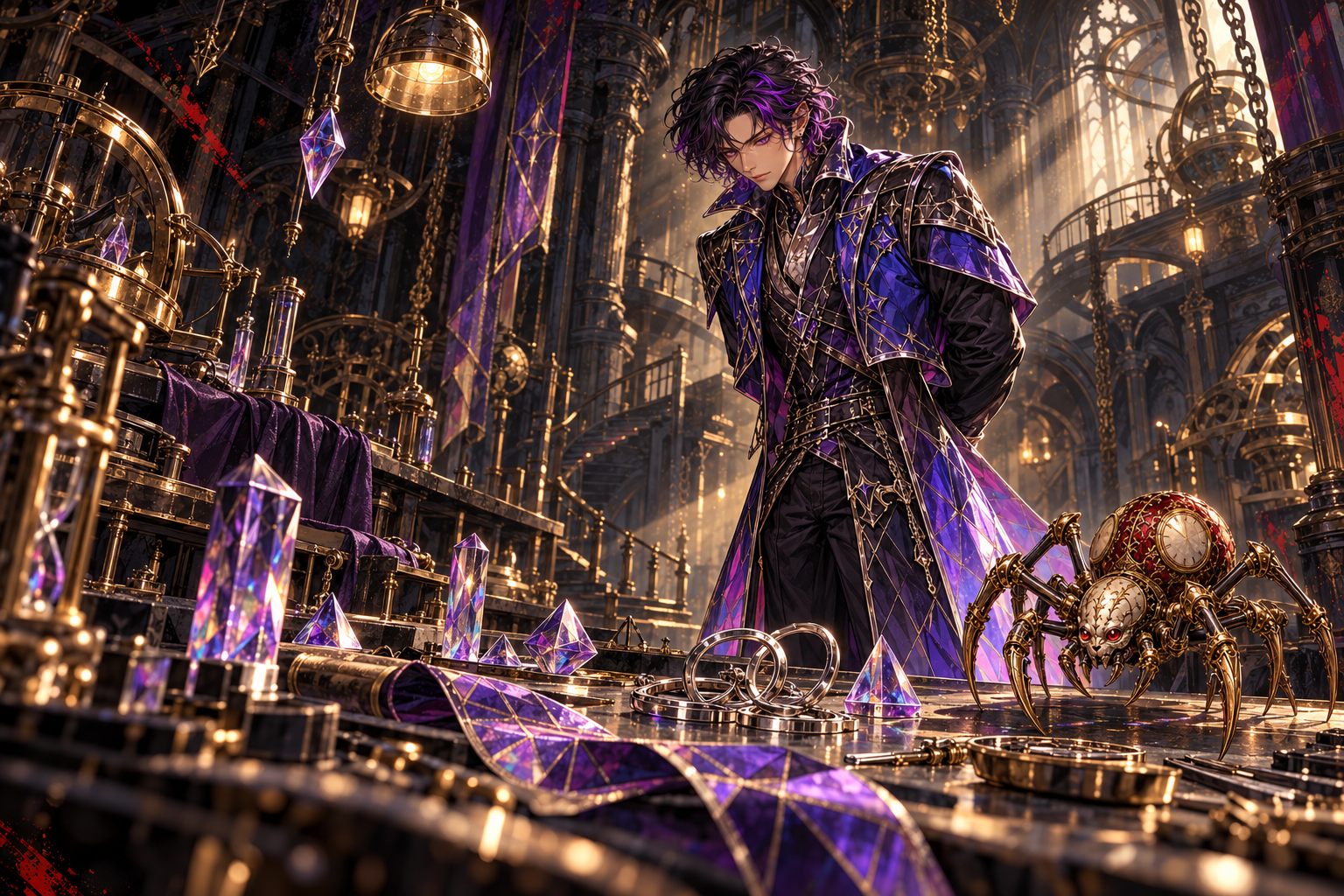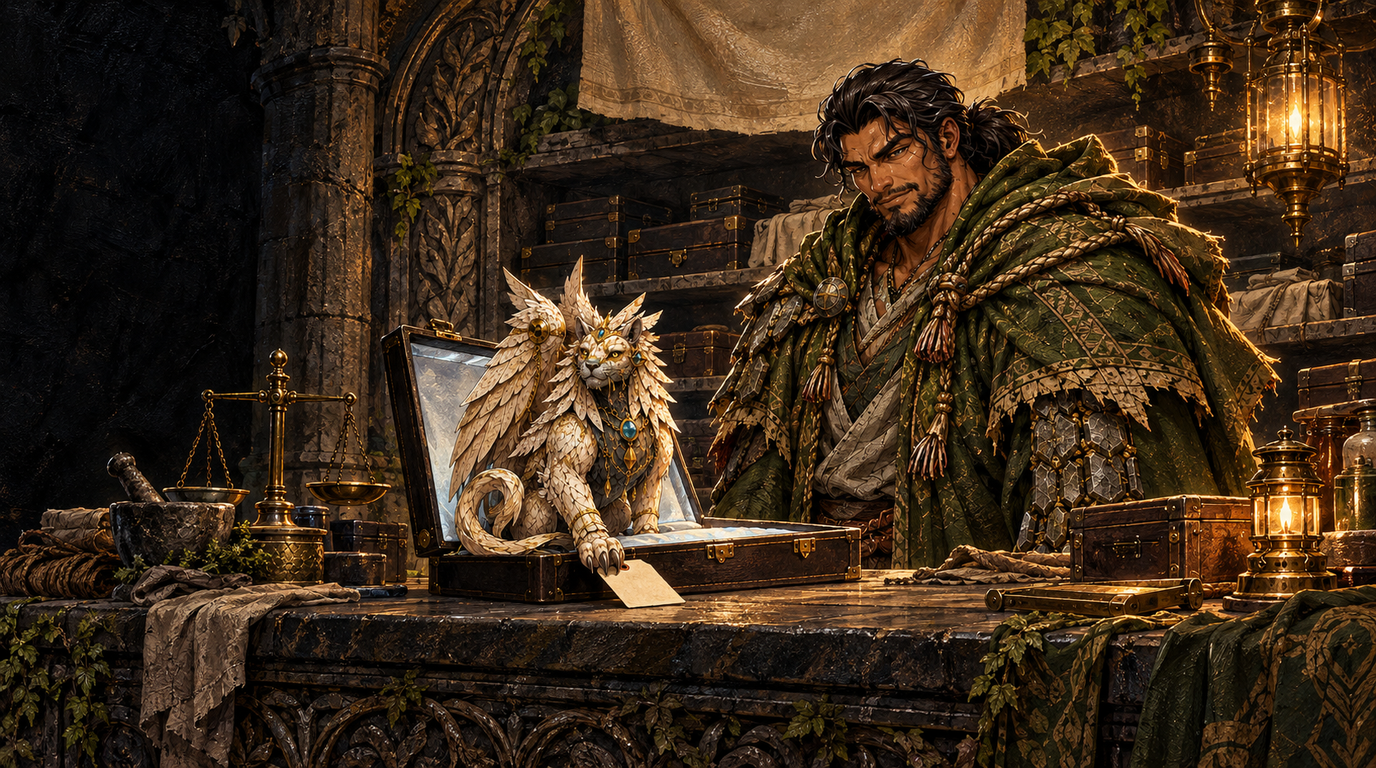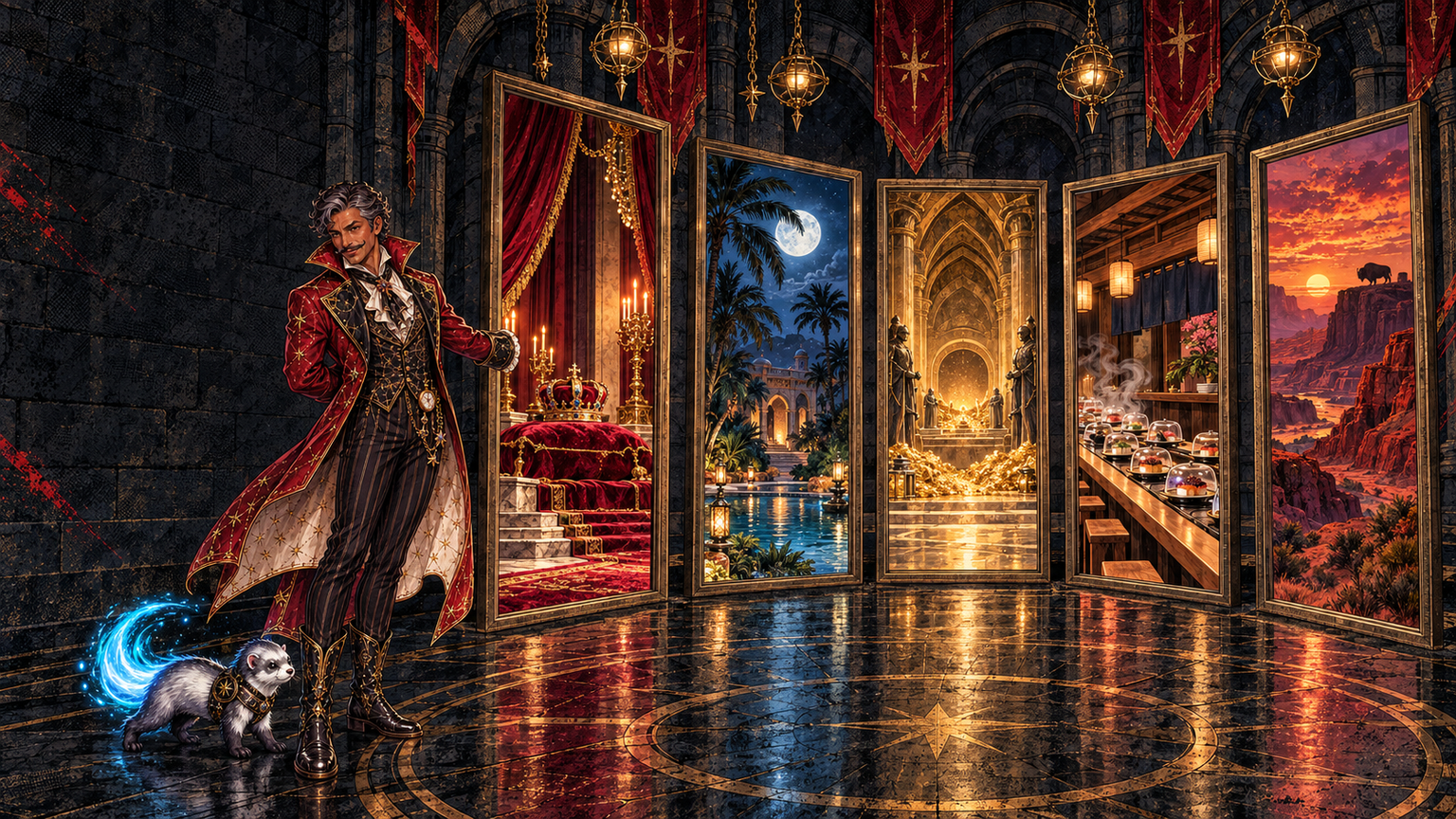


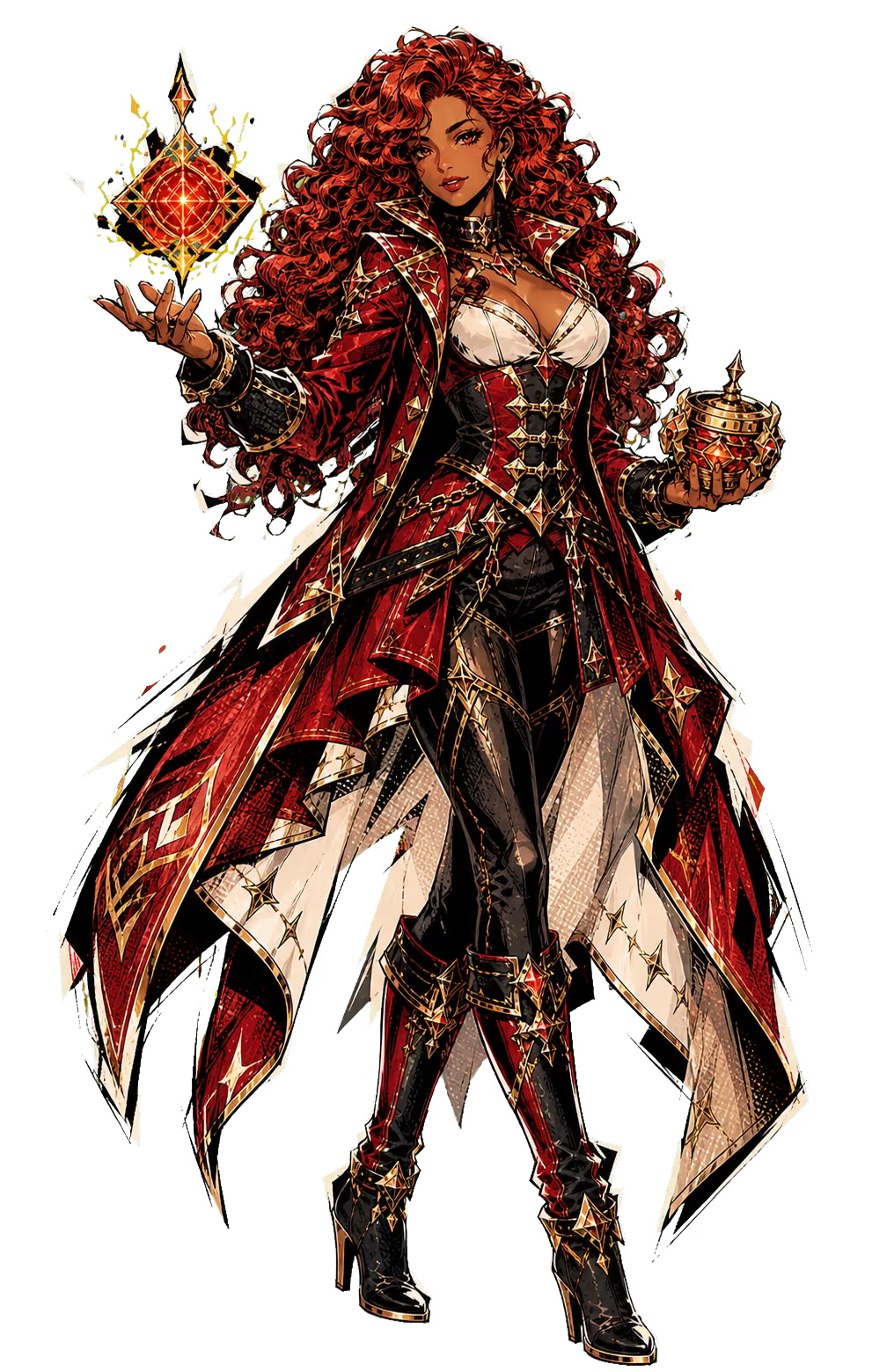
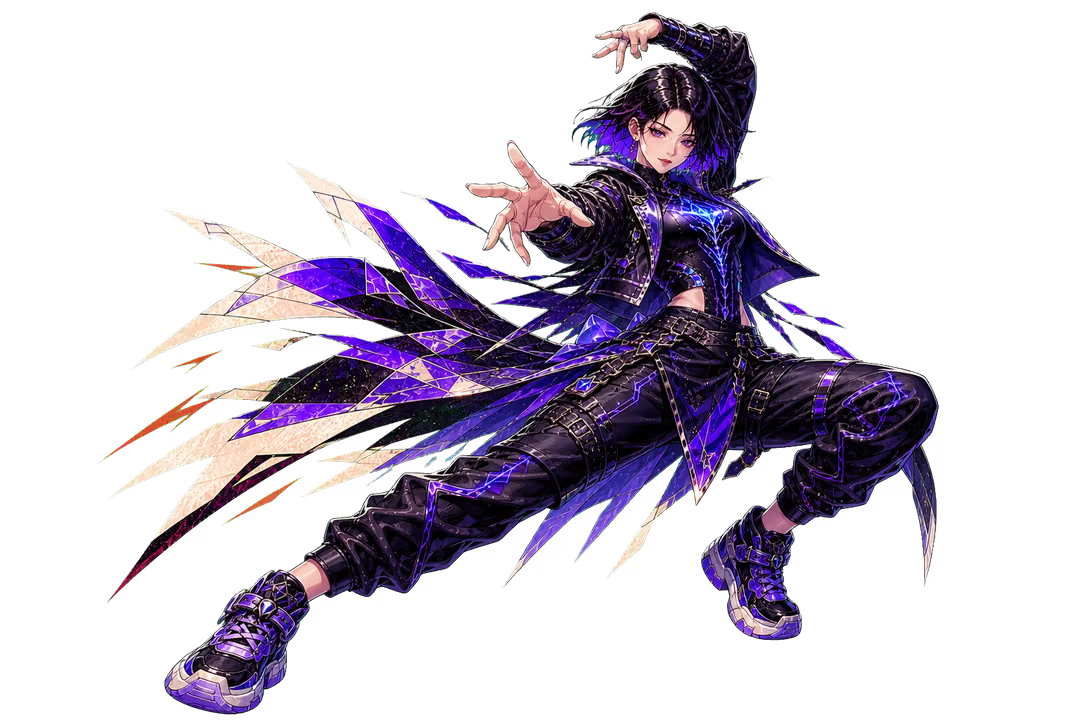
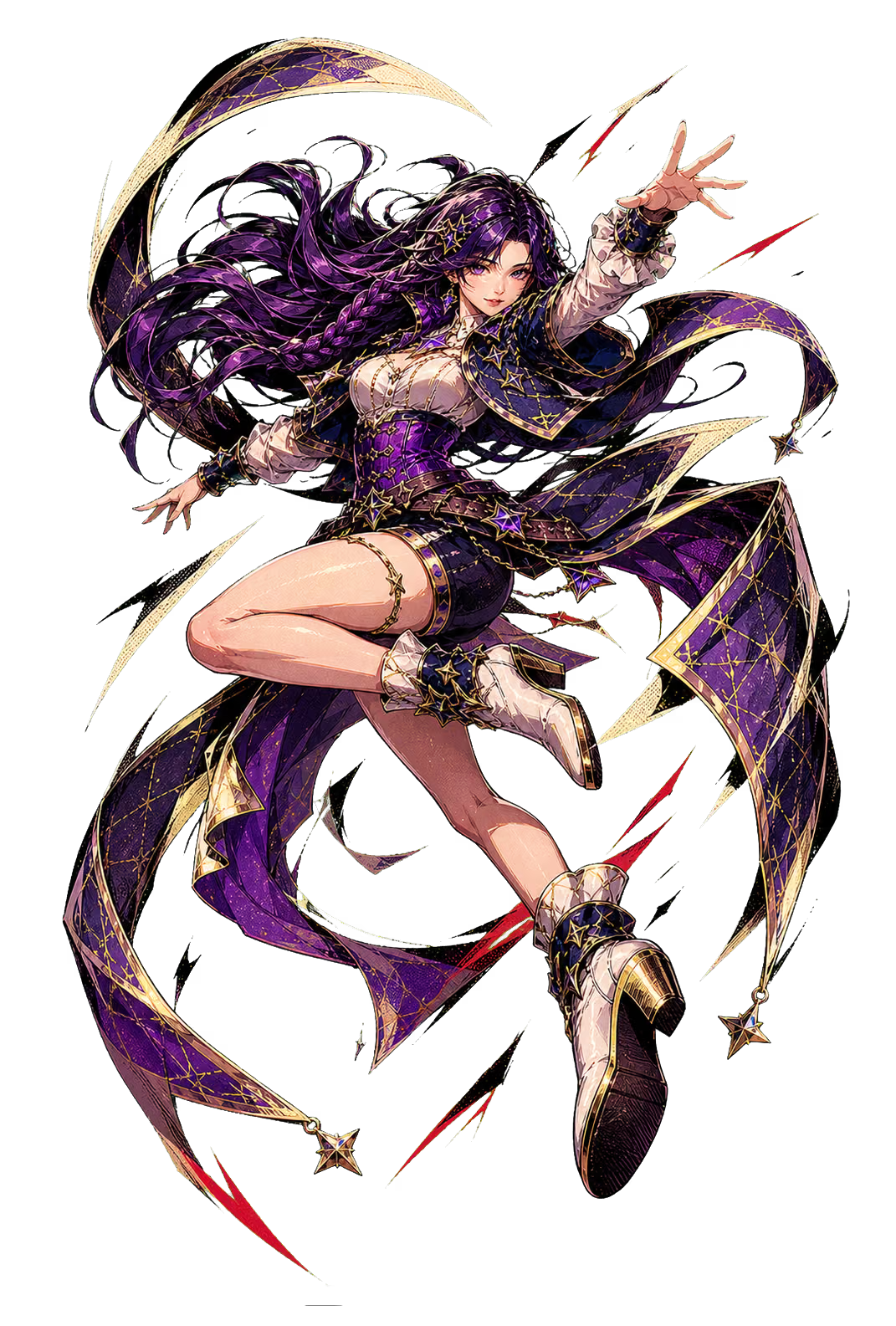
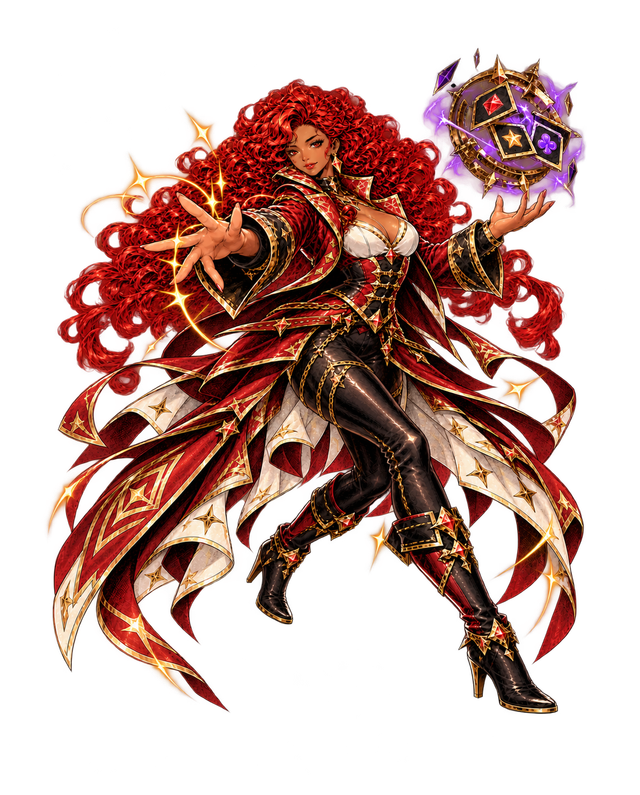







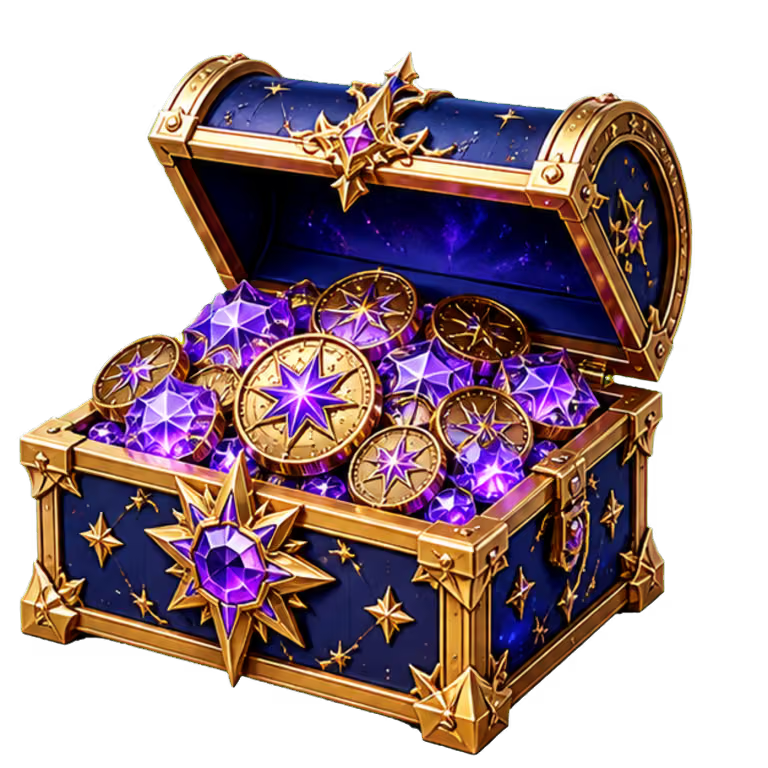


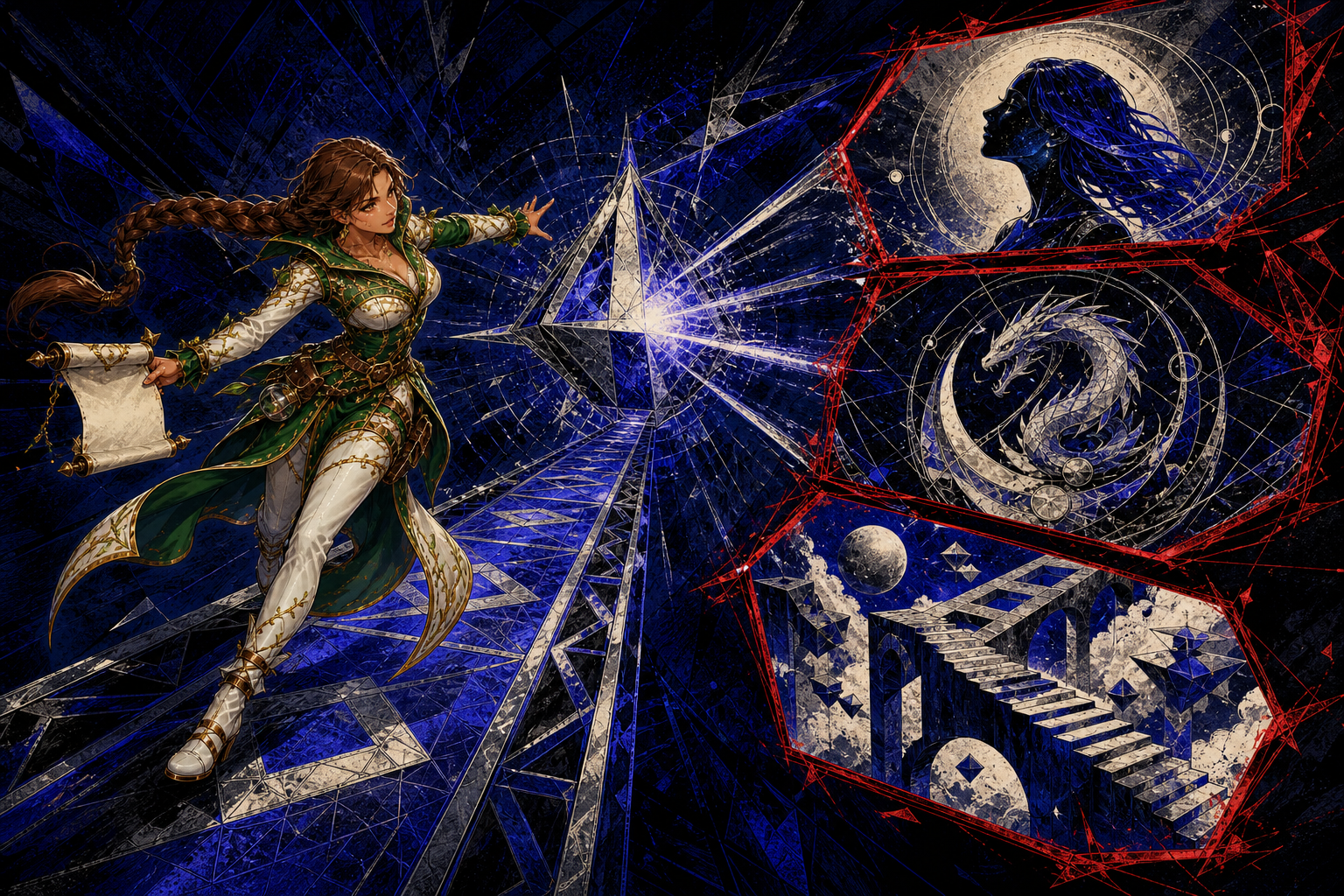
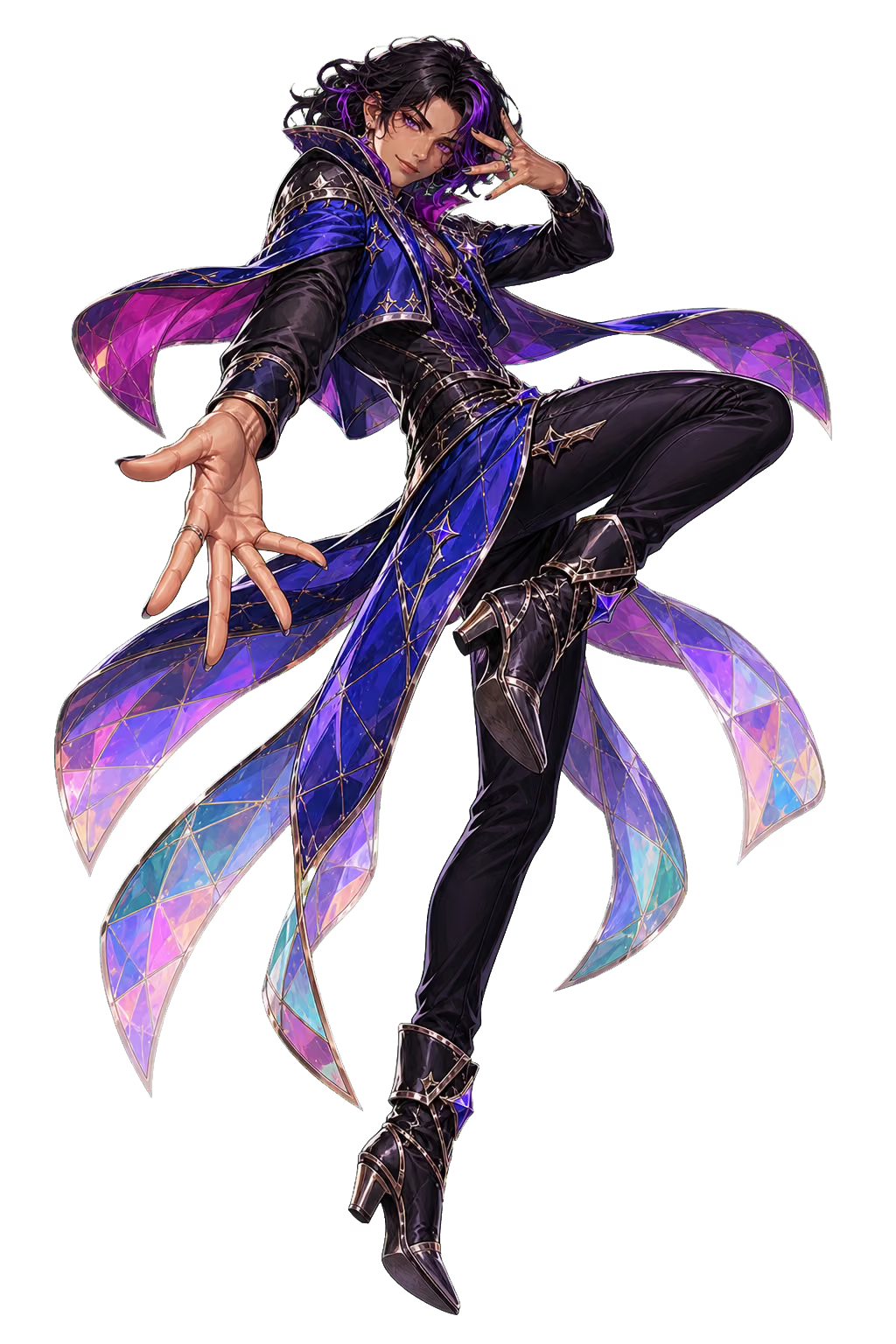
Conjuration.ai is an AI art generator built by Wizards Studio, a branch of Global Wizards, and it is in its final development phase. It turns a written prompt into original artwork in minutes, and it is aimed at the people who need a picture for a campaign this week.
This piece explains what AI-generated art is, how a generator makes it, and where it earns its place in a marketing team’s week — with examples Conjuration.ai produced.
What Conjuration.ai is for
Conjuration.ai is a new tool from Wizards Studio made for marketing work rather than for a gallery wall. Whether the job is a unique visual for the next campaign or an extra touch of flair on a social post, it exists to get an engaging image made without a shoot, a licence or a queue.
What AI-generated art is
AI-generated art is any artwork created with the help of artificial intelligence. That covers generative art, which uses algorithms to create new images, and machine-learning art, where a computer is trained to recognise and reproduce a particular pattern or style.
It is the result of a collaboration between an artist and an AI system: the artist uses the model as a creative tool, sets the rules the machine works to, and the algorithm analyses thousands of images to learn a process before producing new shapes, figures and patterns of its own.
How an AI art generator makes a picture
Every AI-generated image starts as a string of words. The user enters a prompt — sometimes with the help of an AI art prompt generator — and the model returns an image built from it.
Enter the same string twice and you will not get the same picture twice. That unpredictability is the part people find exciting and the part that makes the tool useful: each run is a new option rather than a re-render of the last one.
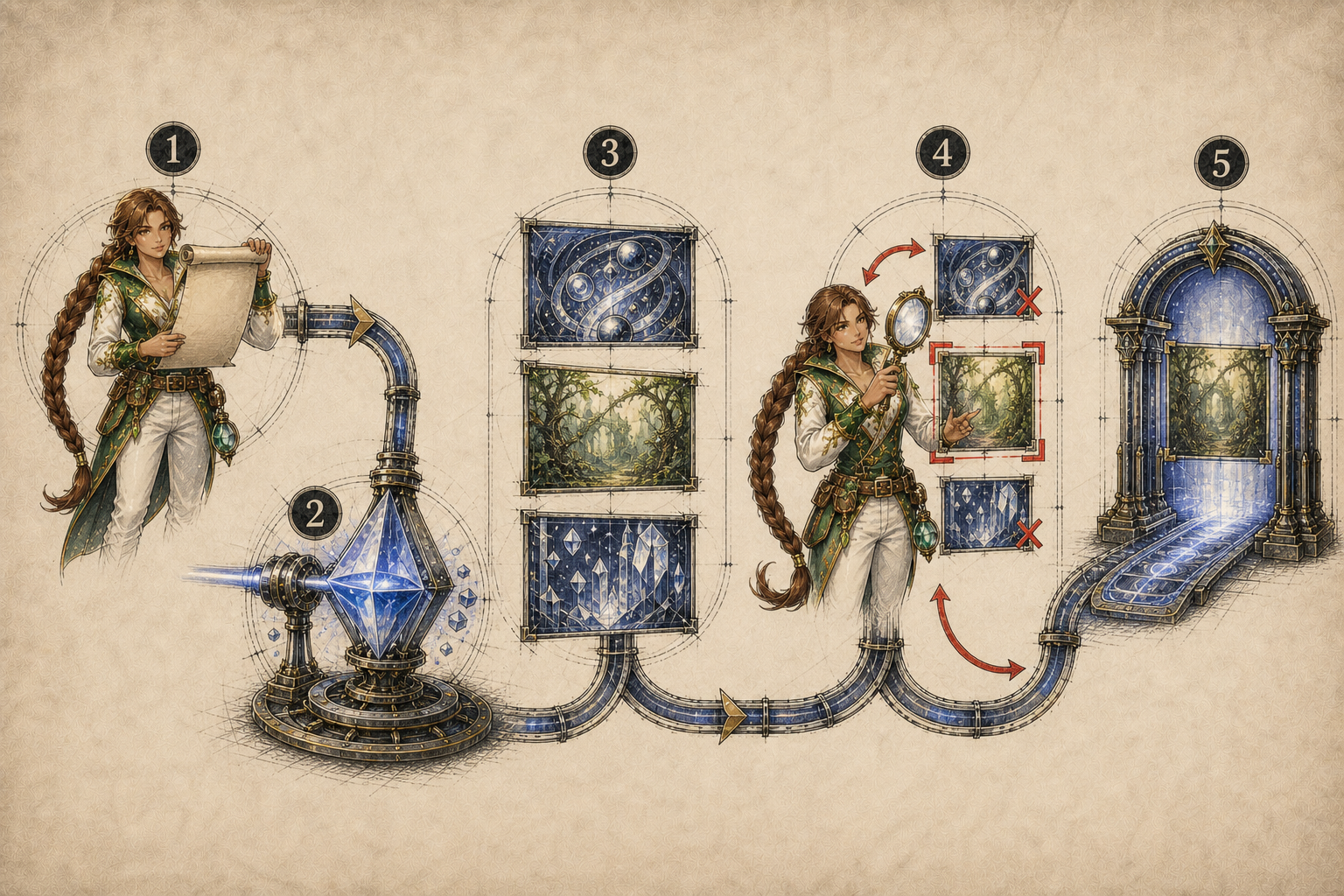
- Human brief and intended use
- Written prompt enters the generator
- Multiple candidates emerge
- Human selection, rejection and reframing
- Chosen visual delivered to the campaign
Where an AI art generator earns its place
Like any new tool, an AI art generator has trade-offs. Three of its uses are worth the trade on almost any marketing team.
It takes the repetitive work
Artistic production is full of repetitive tasks, and they consume the time and the energy that the creative part of the job needs. Getting stuck in a cyclical task costs more than the hours it takes: it takes attention away from the work that only a person can do.
An AI art generator automates those routine steps and shortens the list in minutes rather than days.
It gives you somewhere to start
AI-generated art is a good source of inspiration when a concept will not come. Ask for something close to what you have in mind and you can see a version of it before committing anyone’s week to it.
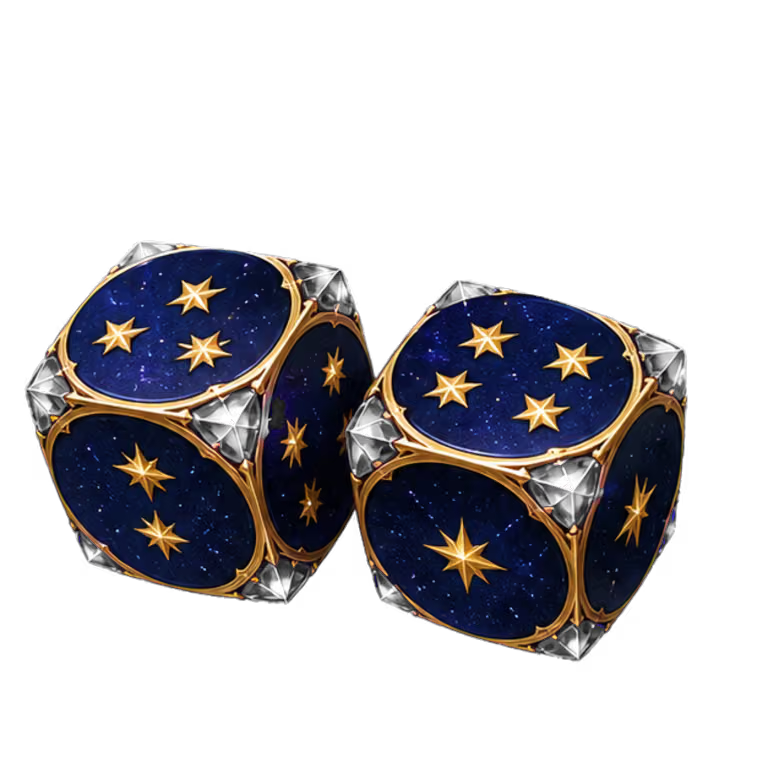
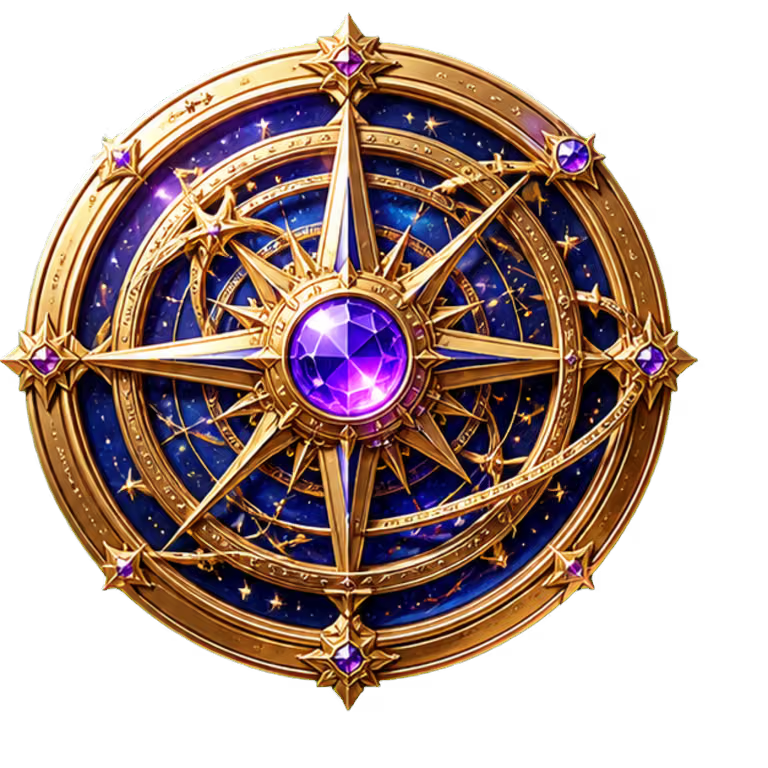
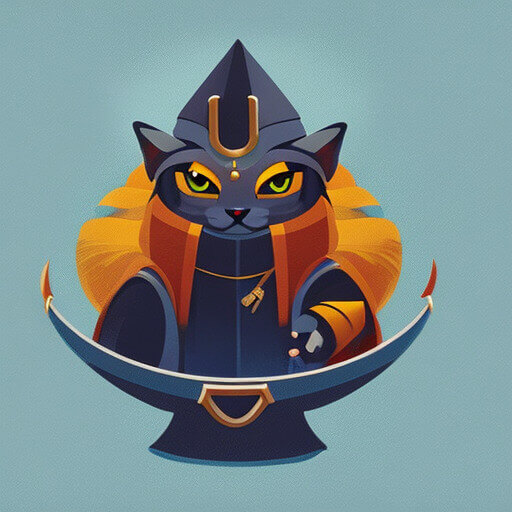
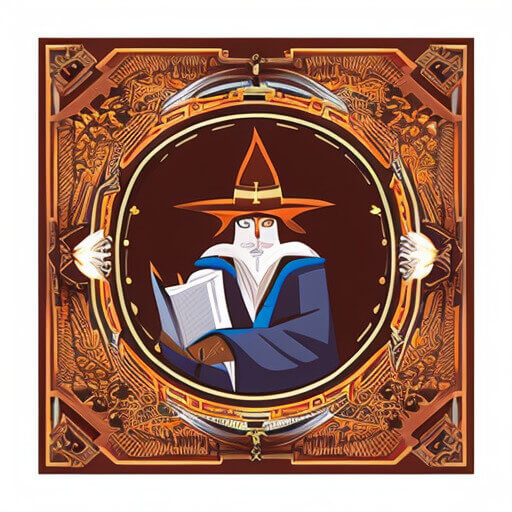
That is how the two images below came about: possible new logos for Wizards, where the magic is always somewhere in the frame.
It makes the picture nobody has
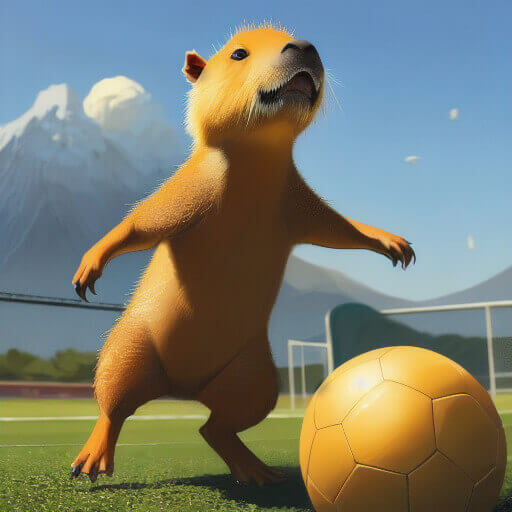
Some briefs are simply not in a stock library. A picture of a capybara playing football, for instance: you can search the stock markets for one made by a human artist, but a one-off request like that rarely has a pre-existing answer, and where it does the copyright status may be unclear or the licence expensive.
Generating it is cheaper, faster and usually closer to the brief.
Why AI-generated art is controversial
The objection is that typing words into a tool and pressing a button is not making art. It is worth taking seriously, and it rests on a claim that is not true: that the machine did the work on its own.
No AI art generator makes a decision without a person. Choosing the materials, arriving at an idea of what to create and deciding what the piece should say to an audience are all still the artist’s, and a model that can surface a pattern a human eye would miss is not therefore autonomous. The relationship between artists and their work is unchanged; what changed is how quickly a version of it can be seen.
Questions about AI art generators
What is Conjuration.ai?
Conjuration.ai is an AI art generator built by Wizards Studio, a branch of Global Wizards, and it is in its final development phase. It is made for marketers who need original visuals for a campaign or a social post rather than for a gallery.
What is AI-generated art?
AI-generated art is any artwork created with the help of artificial intelligence. That covers generative art, which uses algorithms to create new images, and machine-learning art, where a computer is trained to recognise and reproduce a pattern or a style.
How does an AI art generator work?
The user enters a string of words as a prompt, and an algorithm trained on thousands of images produces new shapes, figures and patterns from it. Entering the same string again returns a different result, so no two runs of one prompt are the same picture.
What can an AI art generator do for a marketing team?
Three things this article sets out: it automates the repetitive parts of visual production, it gives a starting point when a concept will not come, and it produces one-off images a stock library does not hold — faster and more cheaply than commissioning them.
Is using an AI art generator cheating?
No AI art generator makes decisions without a person. Choosing the materials, deciding what to create and deciding what the work should say to an audience are still the artist’s, so the relationship between an artist and their work is unchanged.
What has Conjuration.ai produced so far?
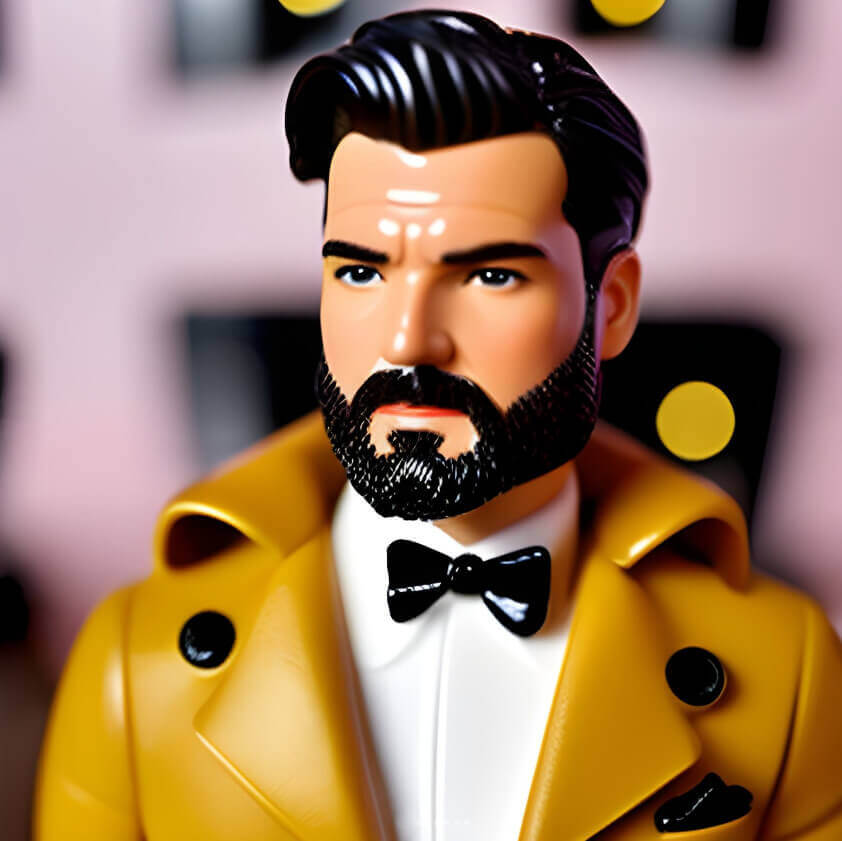
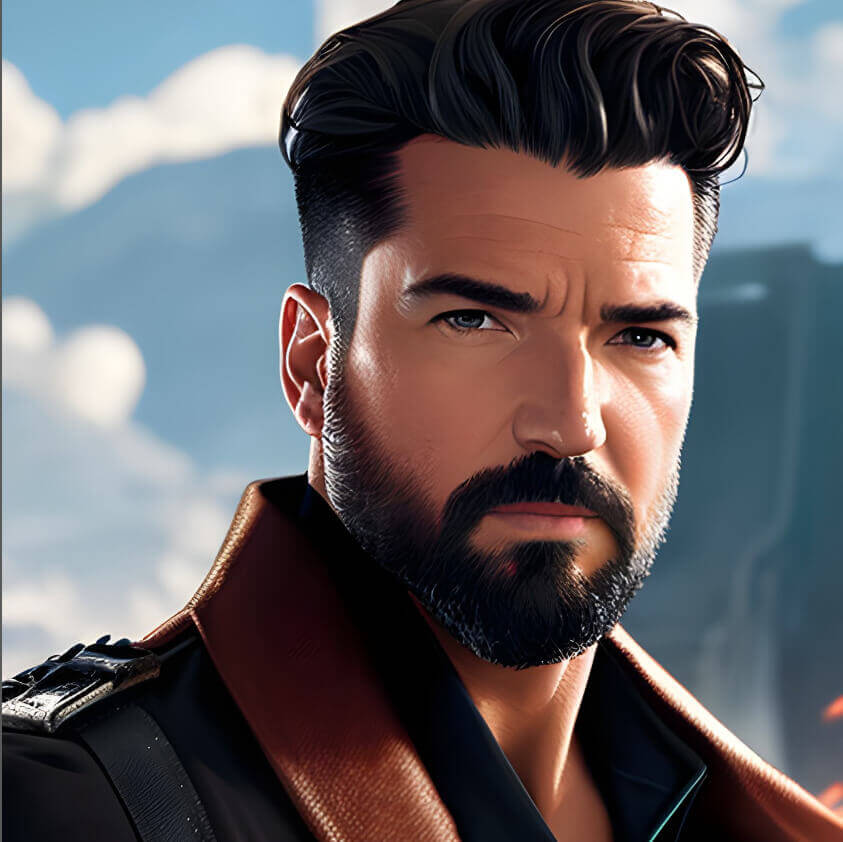
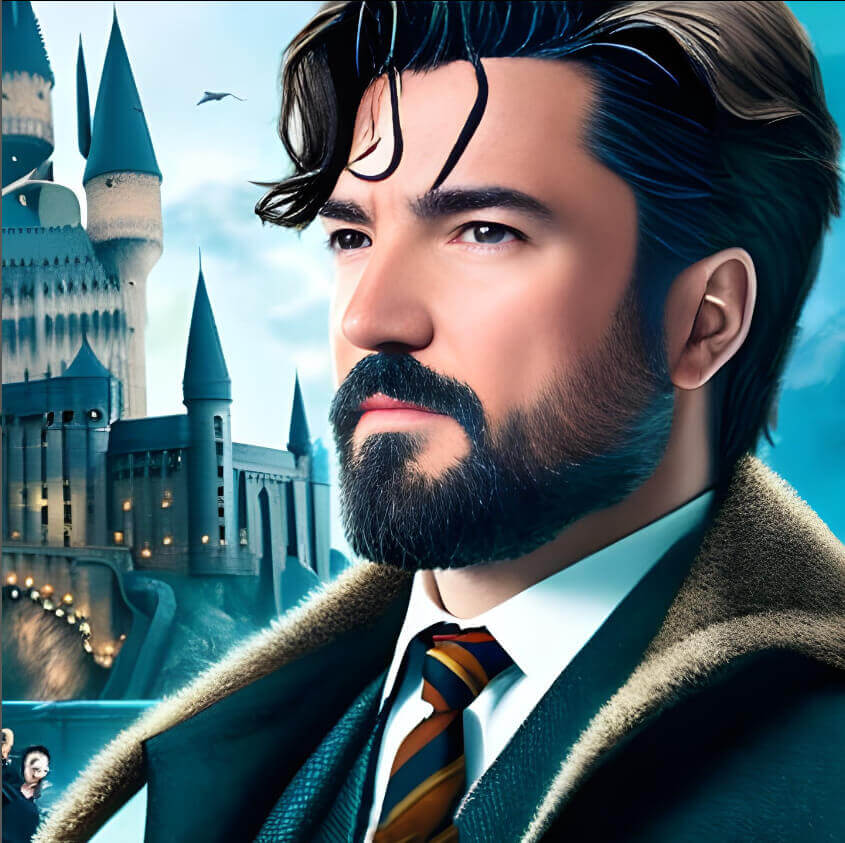
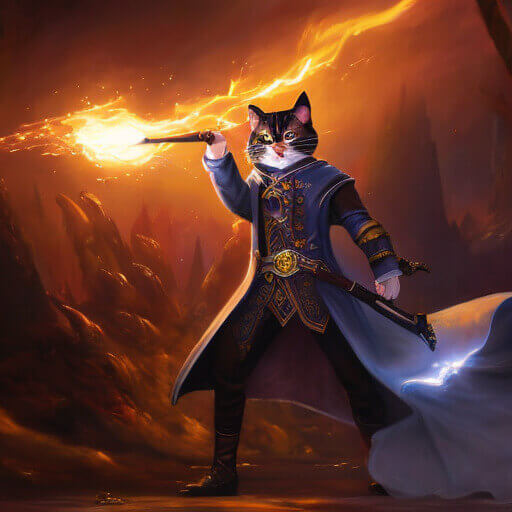
The examples in this article are all Conjuration.ai’s: a series of avatars of Fernando Polti, Global Wizards’ CEO, two possible new logos for Wizards, a capybara playing football, and a cat dressed as a wizard.
Work with us
If you need artwork nobody has made yet — for a campaign, a brand or a game — our studio can make it. Talk to our team and tell us what the picture has to do.