


















The Unified Blockchain Gambling Standards have come into force across the European Economic Area, and their immediate effect is that Tier-1 operators have abandoned legacy systems for “Hybrid-Custodial” architectures. The standards align with the final enforcement stages of the Markets in Crypto-Assets regulation, and they combine decentralised finance security with the established regulatory frameworks of jurisdictions such as Malta and the Isle of Man.
What is being described as the end of the speculative era for crypto-gambling is a migration toward platforms that keep on-chain transparency while meeting the compliance standards the European Securities and Markets Authority expects.
What the UBGS and the EGBA Transparency Directive require
Operators must now provide real-time, on-chain proof of reserves, which is the requirement that most clearly separates this period from the one before it. The European Gaming and Betting Association’s Transparency Directive changed the operational requirements for any platform accepting digital assets, and the auditing protocols it introduced — Provably Fair 2.0 — are verifiable by individual players and continuously audited by regulatory smart contracts as well.
Dr Elena Vasquez, Chief Regulatory Officer at the Malta Gaming Authority, has described on-chain auditing as the greatest advance in player protection since the invention of the random number generator. A statement from the Malta Gaming Authority puts the change plainly: regulators are no longer asking operators for trust, they are relying on mathematical verification from the ledger.
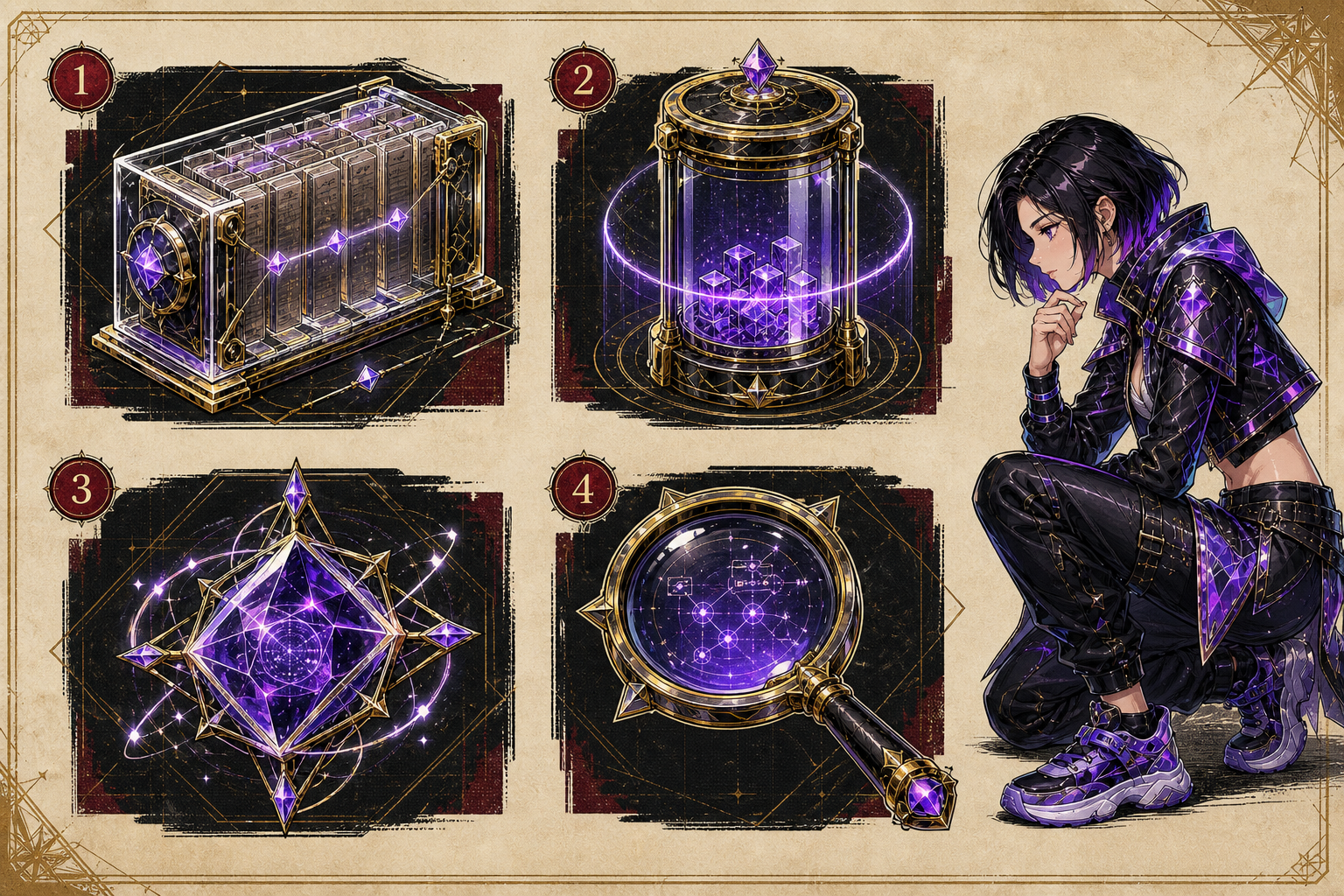
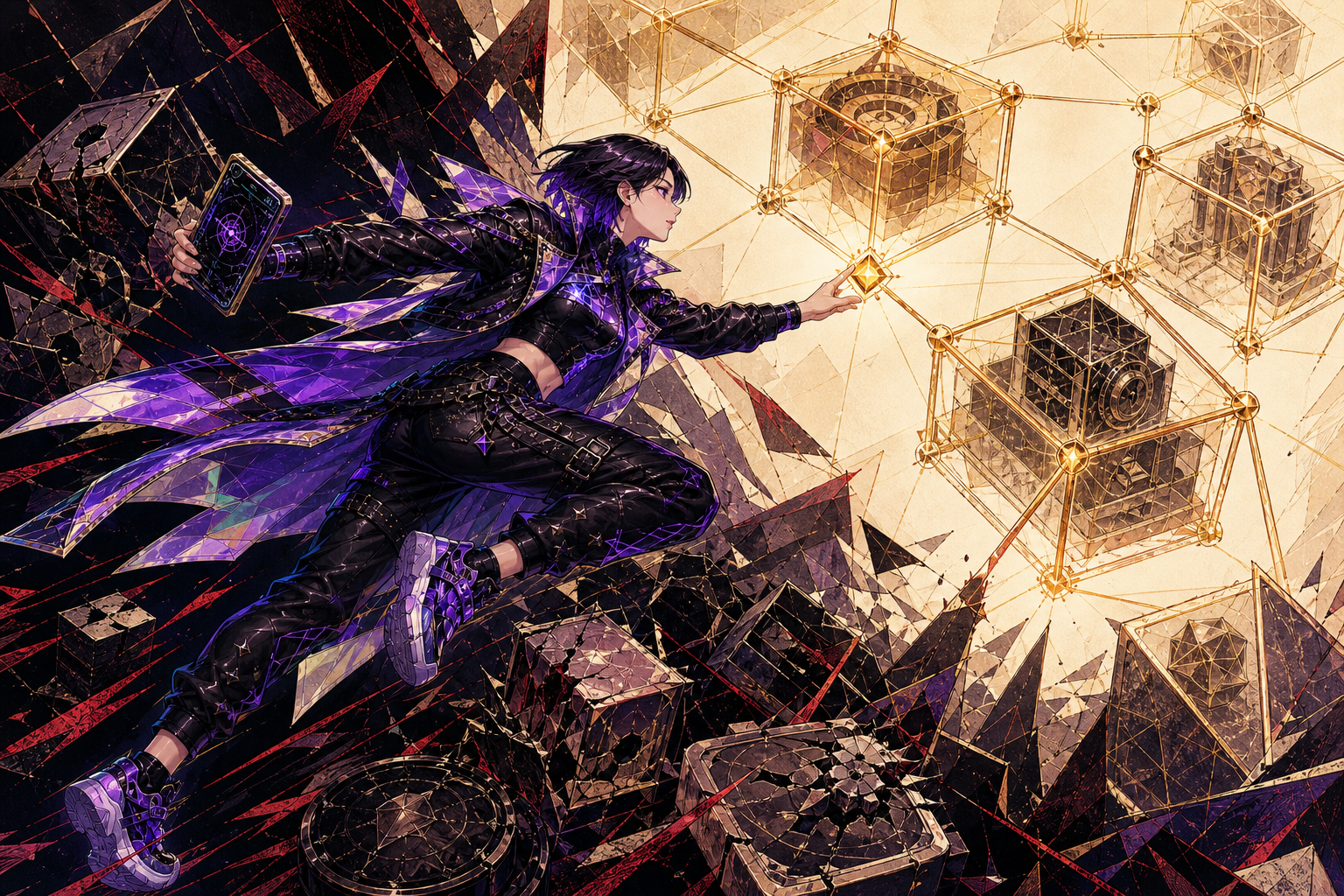
- Transparent game record
- Segregated reserve vessel
- Privacy-preserving eligibility token
- Independent audit lens
How Layer 2 made one-cent bets viable
The move from the Ethereum mainnet to dedicated “AppChains” on Polygon, Arbitrum and Base is what made micro-betting economically viable on-chain for the first time. Wagers as low as one cent are now practical, which widens the market well beyond high-rollers.
That same infrastructure is behind the rise of Social-Fi gambling, in which betting is integrated into social messaging interfaces rather than a casino portal. The TON ecosystem is the leading case and is estimated to carry 22% of global crypto-wagering volume — an estimate from the TON Foundation ecosystem report rather than an audited figure.
Marcus Thorne, chief executive of a leading crypto-casino platform, has said the market has moved past “Bitcoin casinos” to “Instant-L2” experiences, and that any platform settling transactions in more than two seconds is considered obsolete by modern consumers.
Malta’s first DAO-structured licence
The Malta Gaming Authority has granted its first Class 4 Crypto-Native Licence to an operator structured as a decentralised autonomous organisation. The significance is governance rather than technology: the MGA has accepted that a cryptographic governance model can meet the same fit-and-proper standards as a corporate board, provided the organisation can show accountability and adherence to international anti-money laundering protocols.
Zero-Knowledge age verification, and who is building it
Evolution AB has detailed a strategic pivot toward “Crypto-First Studios”, a division building games that natively support Zero-Knowledge proofs. The purpose is instant, anonymous age verification without personally identifiable information changing hands.
That resolves the tension the sector has carried since it started: an operator can confirm a player is of legal age and in a permitted jurisdiction without ever accessing or storing their personal data.
What the market data shows
Daily active users of multiplier and crash games on Solana have passed 1.2 million unique wallets, an all-time high recorded within a 48-hour window, and the growth is attributed to titles such as Aero-Crash that offer the sub-second latency high-frequency wagering needs. Solana’s throughput at low cost is what has made it the preferred infrastructure for developers aiming at the mass market.
Analysts at iGB call this period the “Great Normalization”: stock prices for publicly traded companies with heavy blockchain integration are up an average of 12%, and venture capital and pension funds that avoided the sector are now funding infrastructure. Both figures are iGB’s own. Operators that have not adopted modern compliance and KYC protocols are losing traffic as internet service providers in major jurisdictions block non-compliant sites.
Oracle networks, custody and a shared loyalty token
Three infrastructure changes are pulling functions out of the operator and into shared services. Demand is rising for “Wallet-as-a-Service” products, which let a casino hold digital assets through a secure third-party custodian rather than carry the security risk itself. A partnership between Chainlink and several Tier-1 sportsbooks has produced Universal RNG Oracles, tying game outcomes and sports bet settlement to decentralised data feeds. And the Gambling Utility Token, a cross-platform loyalty asset supported by five major operators, lets a player earn rewards at one participating casino and spend or stake them at another.
The compliance rules operators now work under
MiCA reclassifies a crypto-gambling platform as a Crypto-Asset Service Provider, and that single change carries a capital requirement with it. Title V requires those platforms to maintain significant reserves in compliant stablecoins. Alongside it, the FATF Travel Rule requires originator and beneficiary information for any transaction above one thousand euros — which operators have implemented through Identity-Bound NFTs, or Soulbound Tokens, that confirm KYC status on-chain without exposing the holder’s identity on the public ledger.
The United Kingdom is moving the same way after a two-year trial. A UK Gambling Commission white paper suggests smart-contract escrow for player funds will likely become mandatory for high-stakes wagering, holding deposits in immutable contracts rather than on the operator’s balance sheet. A joint statement from the European Banking Authority says the convergence of iGaming and DeFi through MiCA-compliant stablecoins has significantly reduced the money-laundering risk that characterised the early crypto-gambling years.
What this settles, and what it does not
The legal certainty that UBGS and MiCA provide is what lets institutional money into the market, and Zero-Knowledge proofs and Layer 2 scaling have removed the technical objections that preceded it. As operators adopt Hybrid-Custodial models and decentralised auditing, the line between a crypto-native platform and a licensed casino is likely to disappear.
What that produces is described here as a math-over-trust approach, in which transparency is a baseline rather than a selling point. Whether the social-messaging and tokenised-loyalty trends hold is a forecast rather than a result.
If you are building a gambling platform that has to satisfy this framework from the first commit, talk to us about what it has to prove and to whom.
Frequently asked questions
What are the Unified Blockchain Gambling Standards?
The UBGS are the standards implemented across the European Economic Area alongside the final enforcement stages of MiCA. They have pushed Tier-1 operators off legacy systems and onto Hybrid-Custodial architectures, which combine decentralised finance security with the regulatory frameworks of jurisdictions such as Malta and the Isle of Man.
What does the EGBA Transparency Directive require of operators?
Any platform accepting digital assets must provide real-time, on-chain proof of reserves and use Provably Fair 2.0 auditing protocols. Those protocols are verifiable by individual players and are also continuously audited by regulatory smart contracts.
Has a DAO been granted a gambling licence?
The Malta Gaming Authority has granted its first Class 4 Crypto-Native Licence to an operator structured as a decentralised autonomous organisation. In doing so the MGA accepted that a cryptographic governance model can meet the same fit-and-proper standards as a traditional corporate board.
How does MiCA classify a crypto gambling platform?
Title V of the MiCA regulation treats crypto-gambling platforms as Crypto-Asset Service Providers, which requires them to maintain significant capital reserves in compliant stablecoins.
What is an Identity-Bound NFT in gambling compliance?
Identity-Bound NFTs, also called Soulbound Tokens, confirm a user’s KYC status on the blockchain without exposing their full identity on the public ledger. Operators adopted them to satisfy the FATF Travel Rule, which requires originator and beneficiary information for any transaction above one thousand euros, without breaking the user experience.
What is Social-Fi gambling?
Social-Fi gambling is betting integrated directly into social messaging interfaces rather than a browser-based casino portal. The TON ecosystem is the leading example and is estimated to account for 22% of global crypto-wagering volume.