

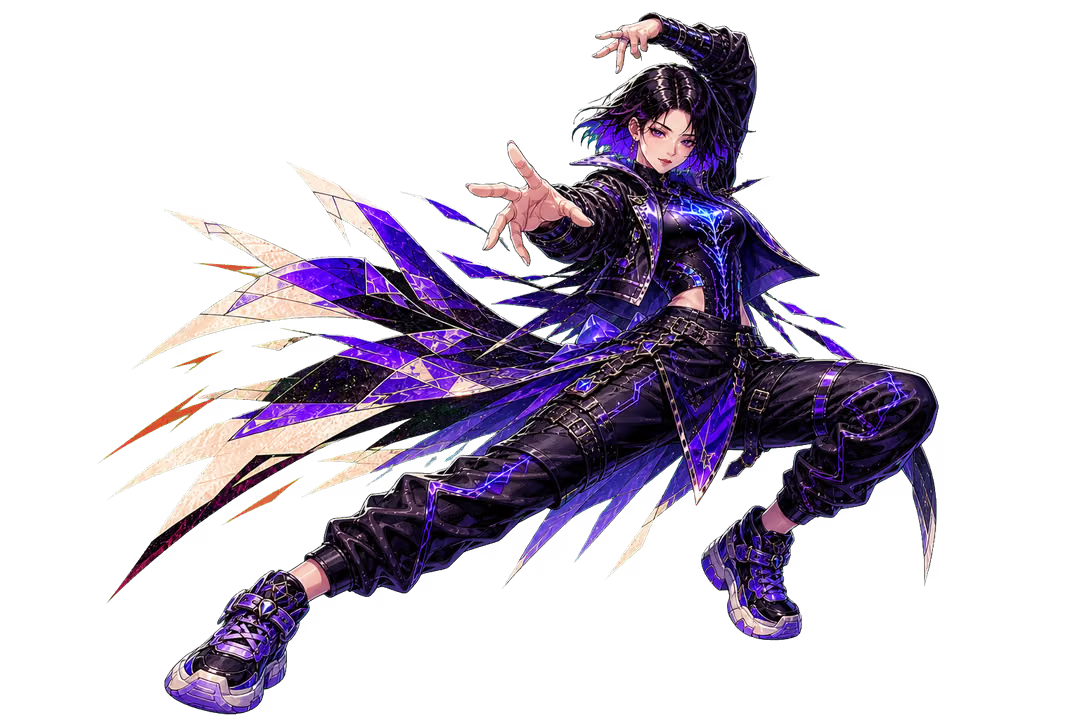
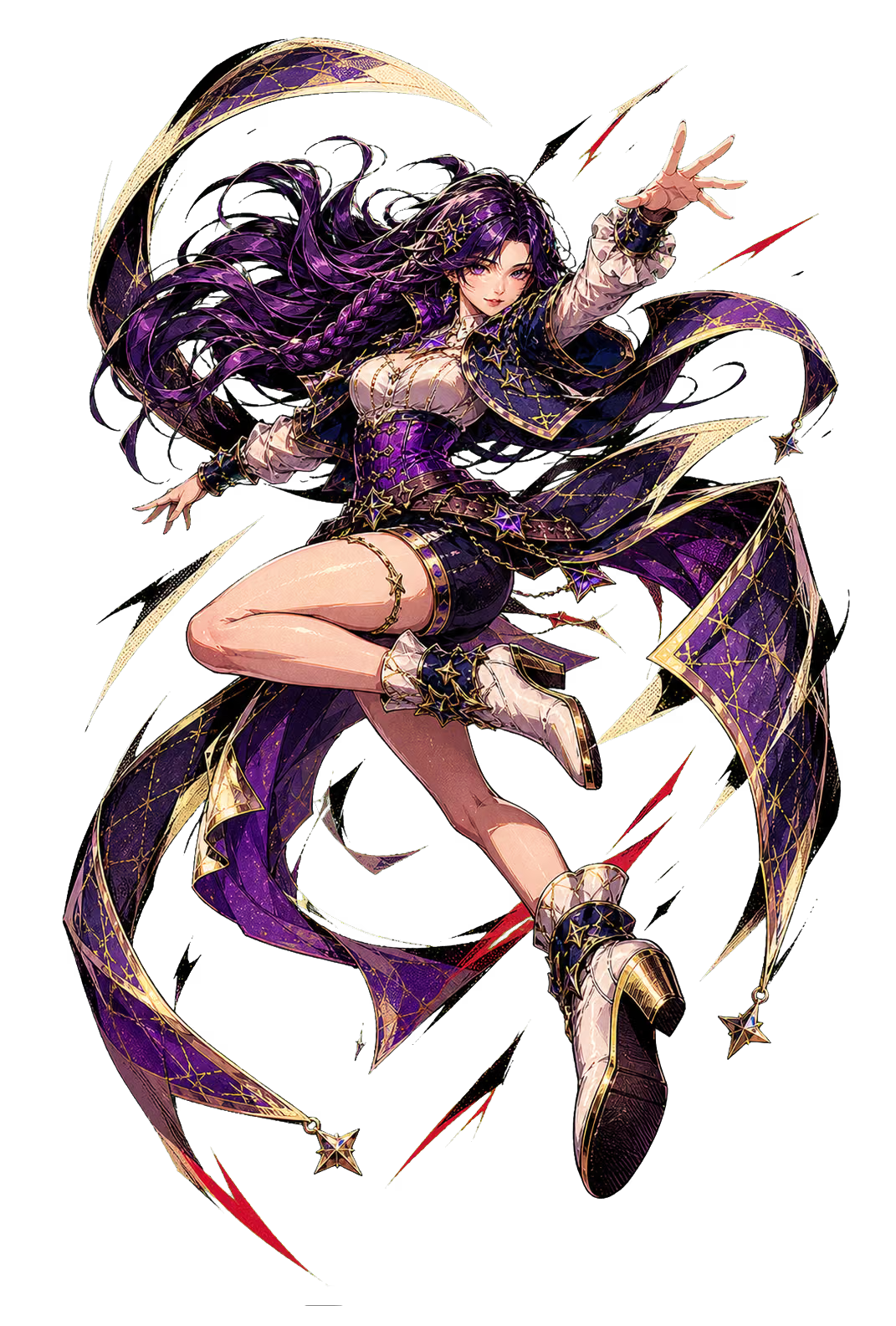
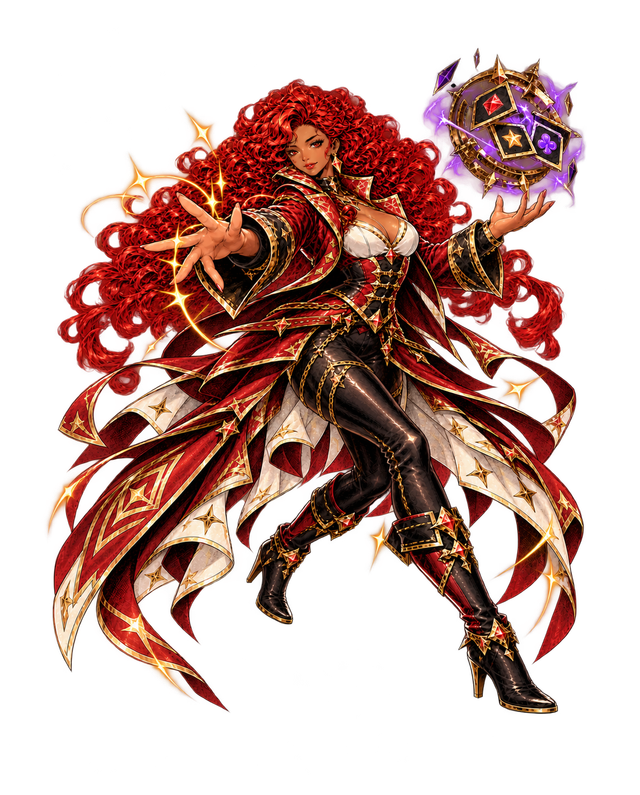










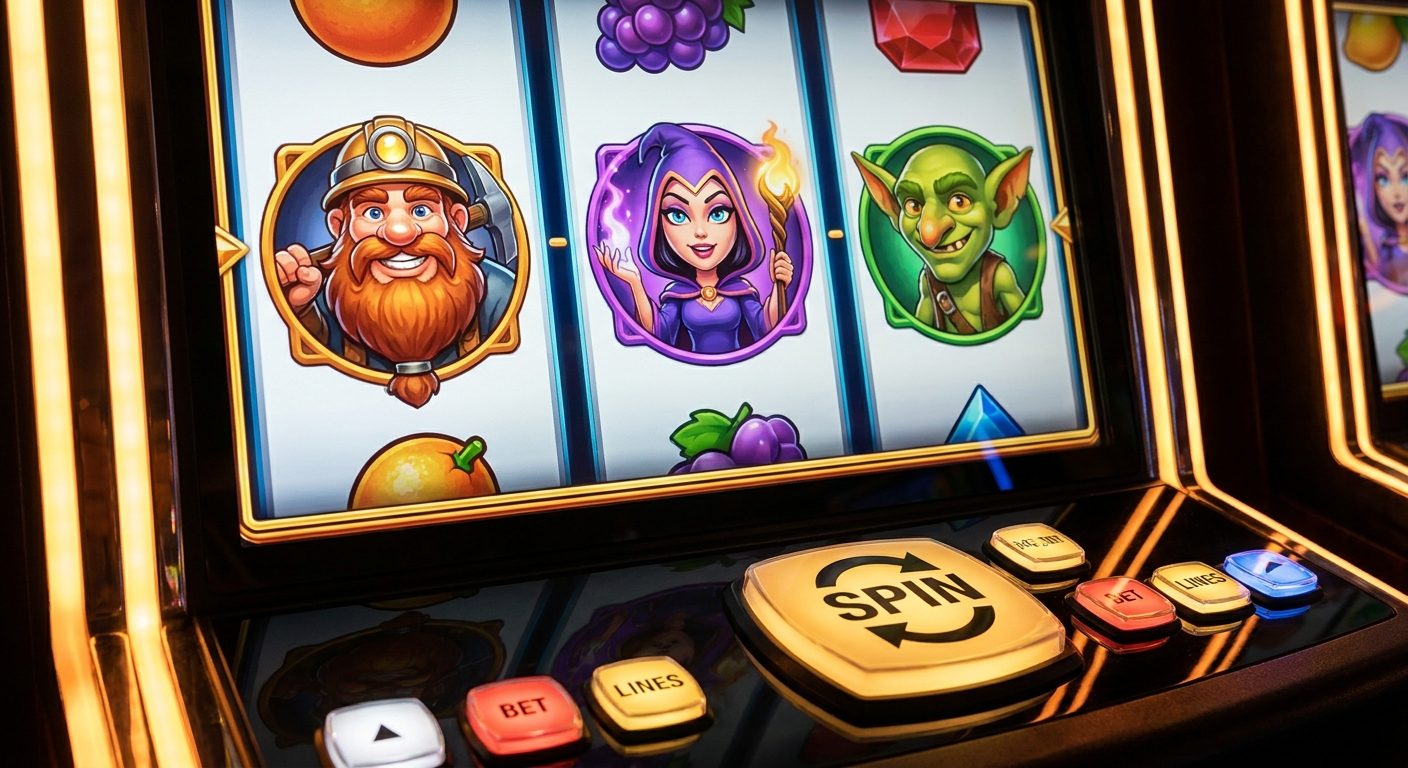
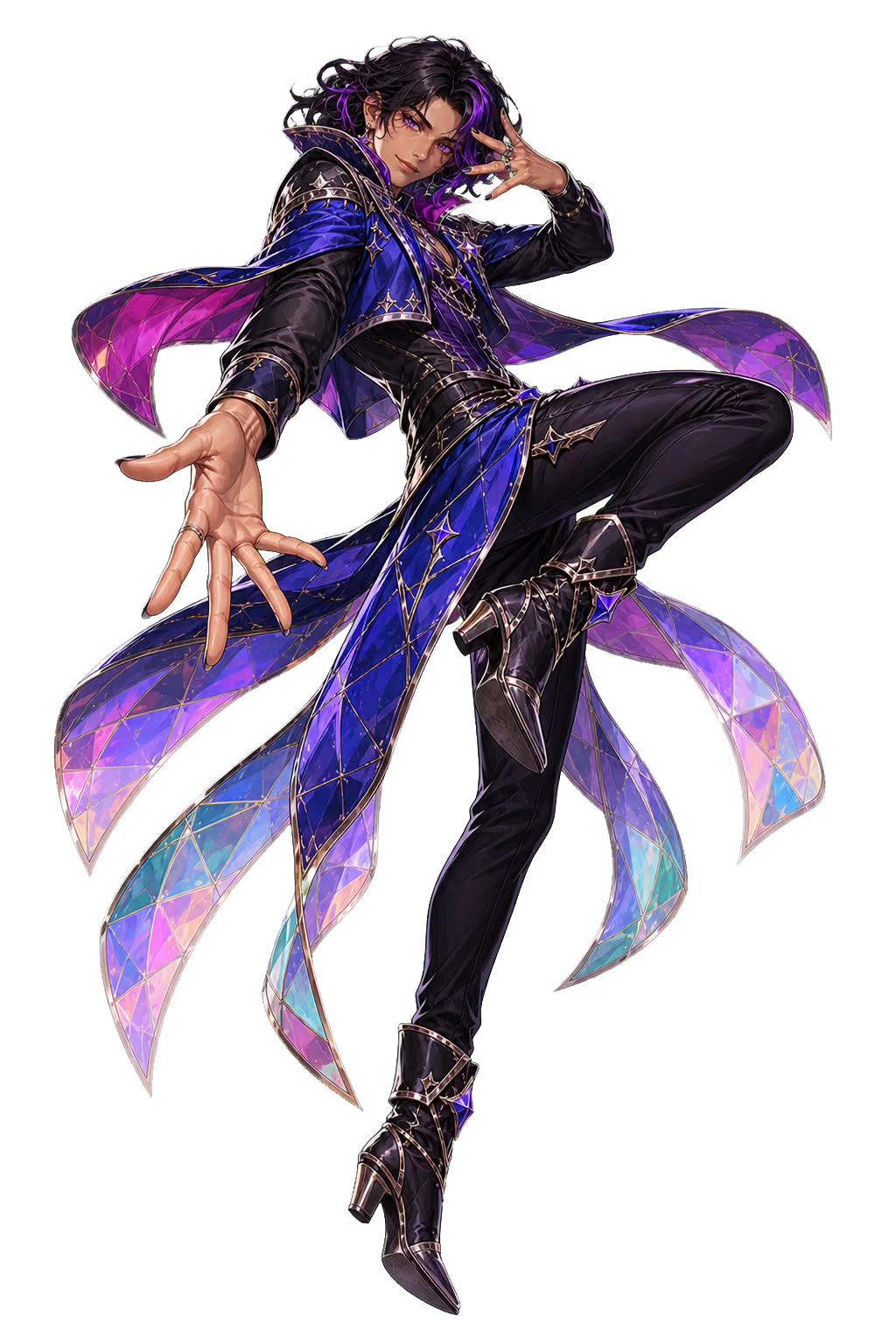
While many operators focus on RTP and bonus features, the visual identity carried by slot game art often determines a player’s initial engagement and long-term connection to a title. Neglect the visuals and players disengage before they even spin the reels.
We frequently see operators underestimate the strategic role of unique visual branding, focusing only on feature sets without considering how art direction differentiates a title in a crowded market.
Developing a distinct visual style is not merely cosmetic; it positions your offering and cultivates player loyalty. Understanding the process behind slot game development becomes a real advantage for operators.
What makes players connect with slot game art initially?
A player’s decision to engage with a new slot title is often made within the first three seconds, driven mainly by its visual presentation. The brain processes colors, shapes, and thematic coherence instantly, forming a first impression before any reels spin.
Effective slot game art uses color psychology and familiar themes to create immediate appeal. Warm colors can evoke excitement, while cooler tones suggest mystery or calm. Themes drawn from popular culture, mythology, or adventure provide an instant connection point, making the game feel accessible and intriguing.
Beyond aesthetics, the clarity of the user interface (UI) matters. Players need to quickly find core elements like spin buttons, bet levels, and win displays. Ambiguous or cluttered interfaces cause frustration and rapid disengagement, regardless of the underlying mechanics.
How does unique visual identity build your operator brand?
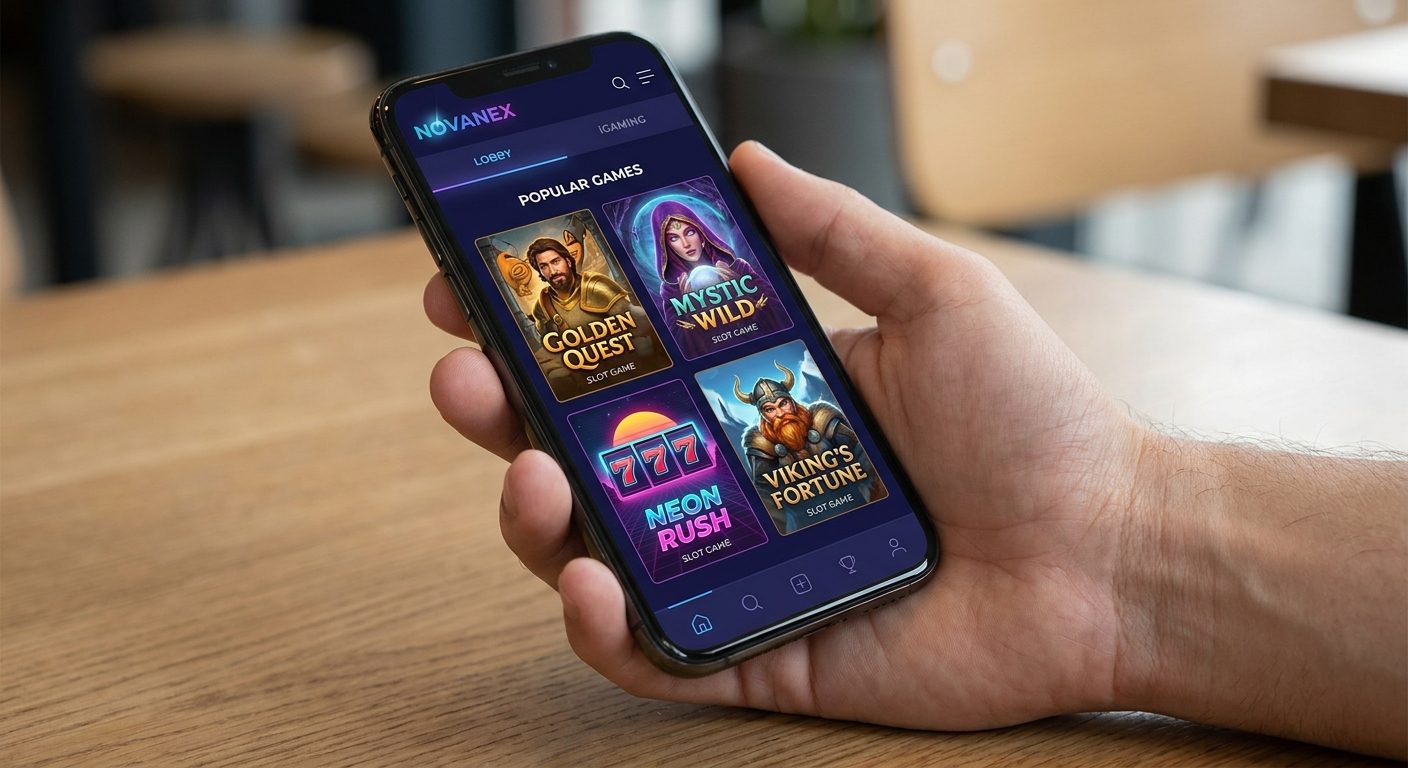
A distinct visual language can turn a new game into a recognizable extension of your brand portfolio. Consistent, high-quality slot game art establishes an aesthetic signature that players begin to associate directly with your casino or platform.
Consider an operator that consistently launches games with a bold style, perhaps blending futuristic elements with classic fantasy. Applied across themes and mechanics, that coherent approach builds subconscious recognition.
When players encounter a new title with that familiar artistic fingerprint, it reinforces brand recall and fosters trust, leading them to prefer your offerings over others.
This differentiation extends beyond individual releases, creating a stronger overall identity. Our iGaming consulting experts often advise integrating clear brand guidelines into the art process, so every new game contributes to a cohesive visual narrative instead of looking generic or disconnected.
What steps do studios take to develop your slot game art?
Creating visuals for a new title follows a structured pipeline, with close operator collaboration at each stage. This iterative process keeps the final product aligned with both creative vision and strategic goals alongside the casino game developers. The typical stages are:
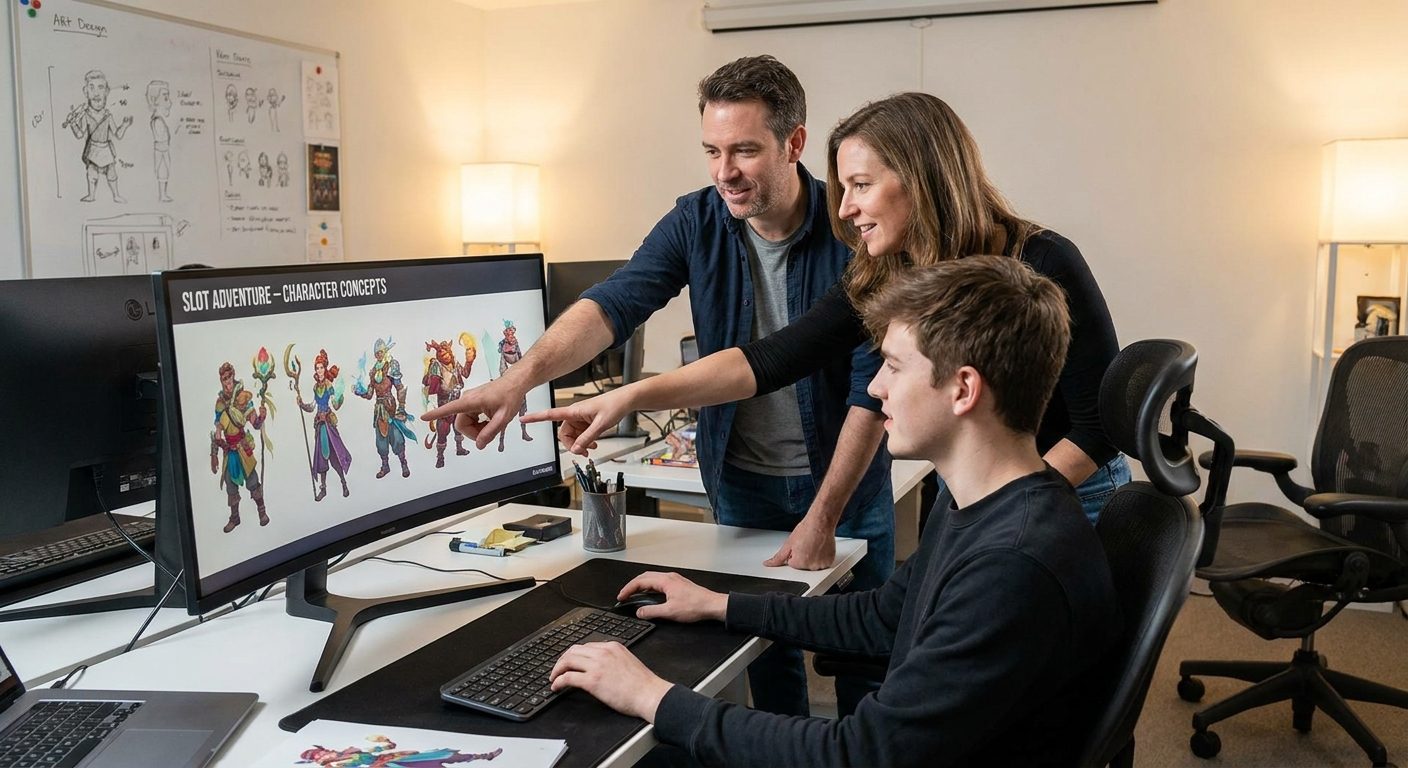
- Concept and Mood Board: define the core theme, narrative, and desired emotional impact. Designers build mood boards with visual references, color palettes, and stylistic examples, aligning art direction with the operator’s vision before production starts.
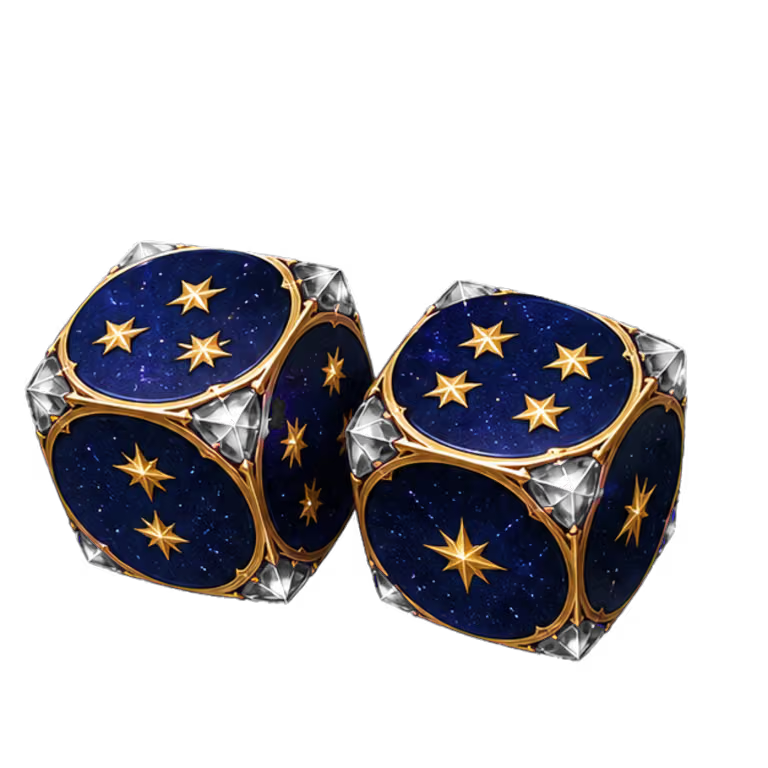
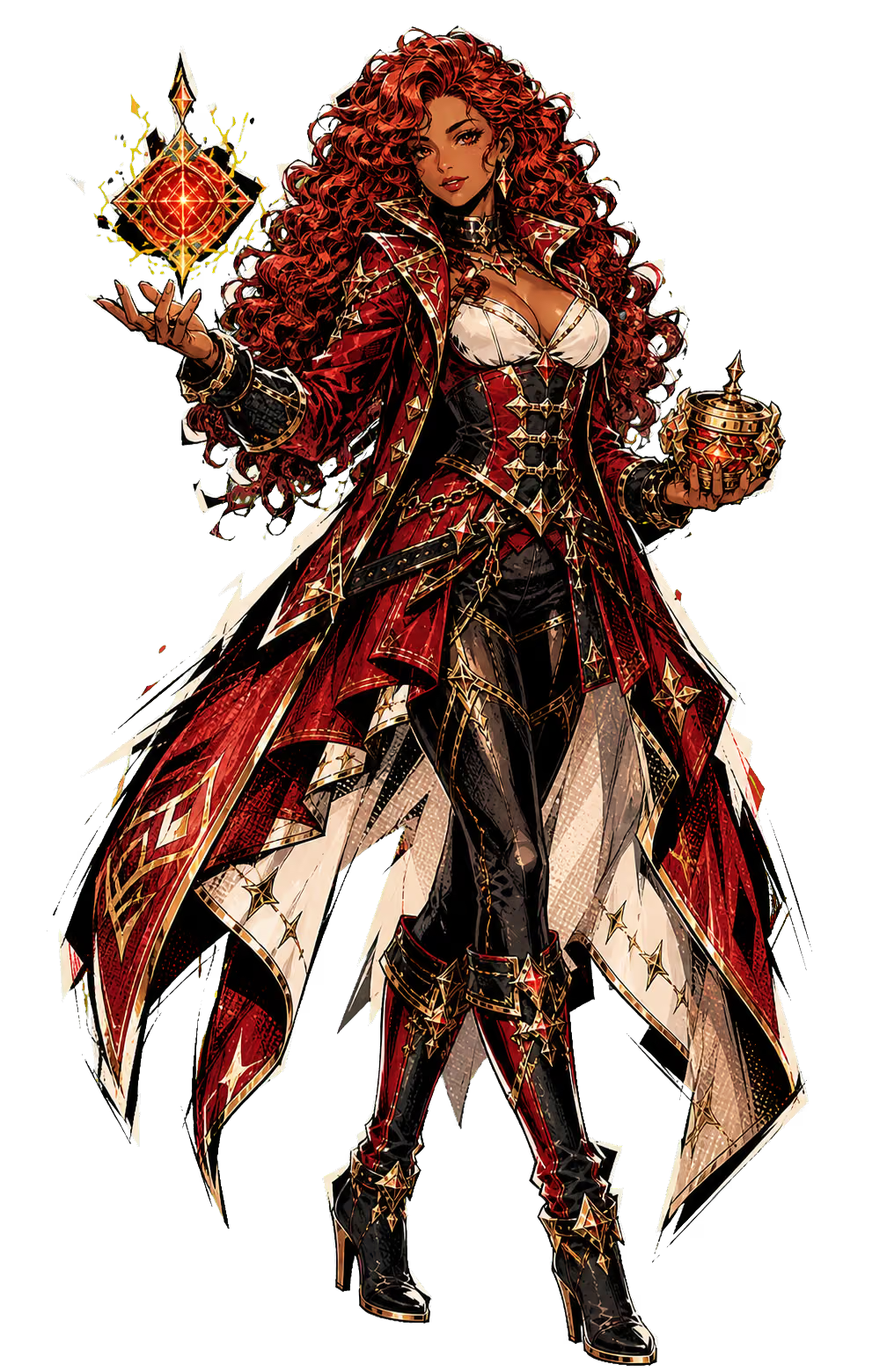
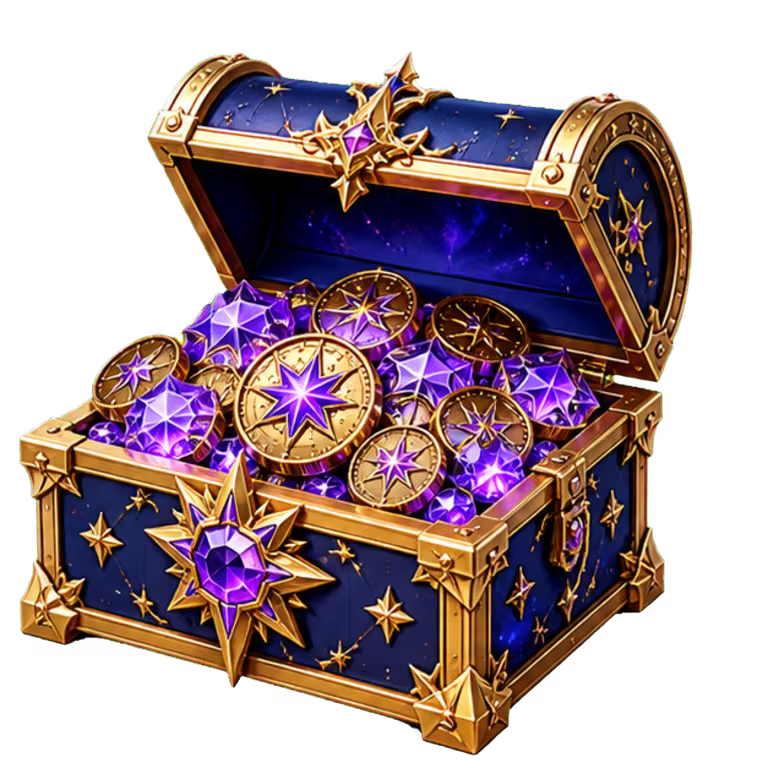
- Character and Symbol Design: artists develop the characters, icons, and special symbols on the reels. Each element conveys personality, function, and thematic relevance, with sketches and digital mockups for review and approval.
- Background and Environment Art: the backdrop sets the scene, from static images to dynamic, animated environments that react to gameplay events.
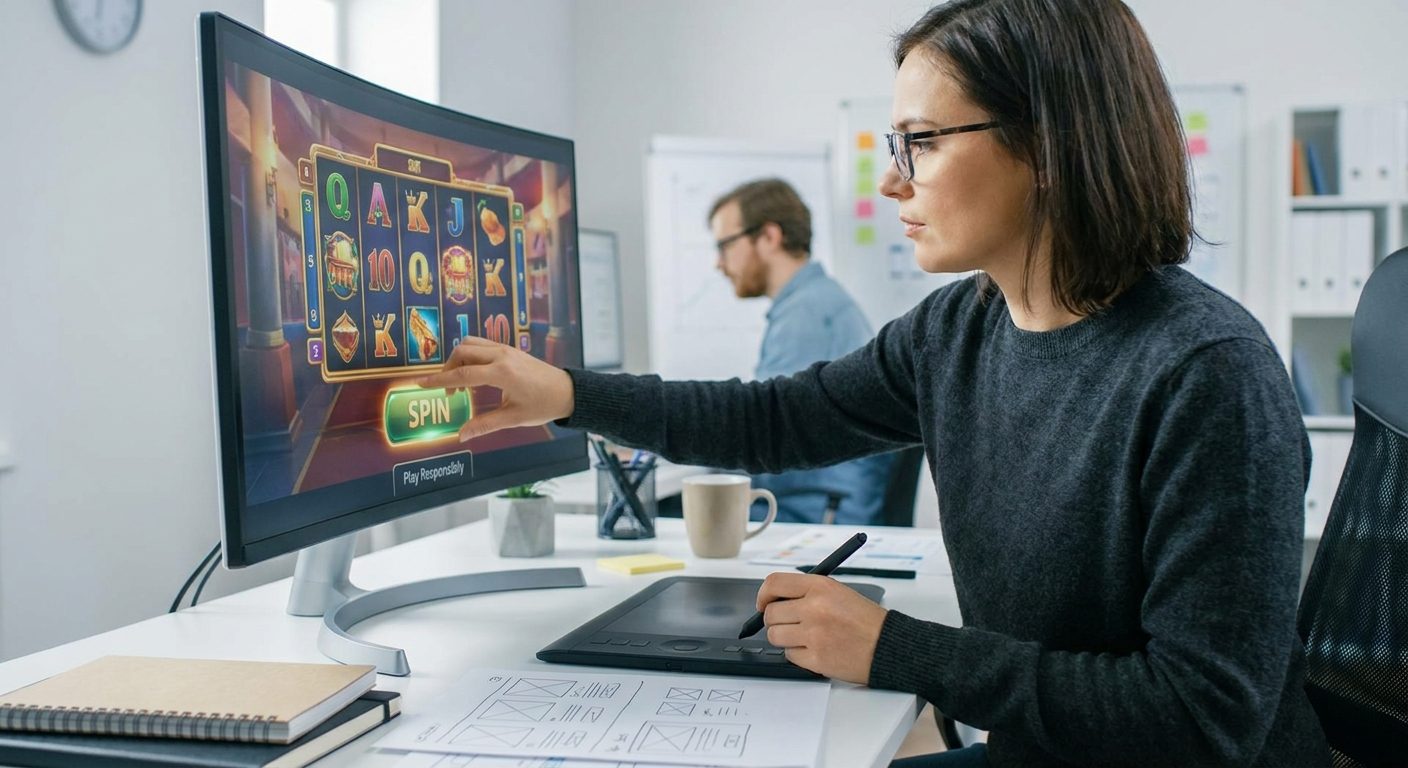
- UI/UX Integration: spin buttons, paytable access, bet controls, and responsible gaming prompts are designed to be intuitive and seamlessly integrated into the overall aesthetic.
- Animation and Special Effects: animations for wins, bonus rounds, and transitions bring the game to life, crafted to enhance excitement without creating sensory overload.
How do compliance and technical standards influence iGaming design?
Regulatory frameworks and technical specifications shape both the look and the function of any new slot title. These factors can constrain creative choices, so plan for them early rather than late.
| Compliance area | Impact on slot game art and UI | Specific examples |
|---|---|---|
| Responsible Gaming | UI must clearly display responsible gaming information and tools, avoiding manipulative design. | Prominent display of time and money spent, self-exclusion links, clear limits. No “losses disguised as wins” visuals. |
| Age Verification and Child Protection | Art must not appeal to minors; characters and themes stay strictly adult-oriented. | Avoiding cartoon characters, bright primary colors associated with children’s media, or fairy-tale themes. |
| Gameplay Transparency | RTP, volatility, and paytable information must be easy to access and unambiguous. | Clearly labeled paytable, rules, and game-info buttons. UI must not obscure crucial data. |
| Technical Standards (GLI) | Interface functions and interactions must be clearly indicated and consistent. | GLI-19 for interactive gaming systems sets expectations for clear button labels, predictable touch-point behavior, and defined graphic asset specifications. |
| Performance and Accessibility | Art assets must be optimized for varied devices and network conditions without losing quality. | Optimized file sizes, scalable vector graphics, adaptive layouts for mobile and desktop. |
What are the risks of overlooking strategic game visual development?
Neglecting the strategic side of visual design has tangible business consequences, not just aesthetic ones. Weak slot game art can trigger a cascade of negative outcomes:
- Low Player Engagement: generic visuals fail to capture attention in crowded lobbies, leading to lower click-through rates and shorter sessions than visually compelling titles.
- Poor Brand Recall: without a distinct artistic identity, your games blend into the background, so players struggle to recall your brand and loyalty drops.
- Higher Acquisition Costs: if games do not stand out visually, you spend more on marketing just to get players to try them. A strong identity attracts attention organically.
- Difficulty Standing Out: the market is saturated with new releases. Mechanics alone may not be enough; unique visuals are a critical differentiator for market share.
Investing in strategic slot game art is not just about looks; it directly affects acquisition, retention, and brand loyalty. Compelling visuals position your titles advantageously and help them resonate with players. Let’s talk through your upcoming slot game art needs so your titles stand out with a strong visual identity and deliver measurable results.
Frequently asked questions about slot game art and visual identity
How can smaller iGaming operators develop distinctive visuals on a limited budget?
Smaller operators can prioritize strong core themes and leverage existing asset libraries as a base to save on initial costs. Focus on unique character animation and clear UI over elaborate backgrounds. Strategic use of freelance artists or a modular design approach can also reduce expenses significantly, often cutting initial development time by 20-30%.
What is a typical timeline for creating new slot game art assets from concept to final delivery?
Developing core slot game art assets typically spans 6 to 12 weeks, depending on complexity and animation requirements. This includes concepting, character design, background art, and UI/UX integration. Iterative feedback rounds with operators significantly influence this timeline, usually adding a week or two per major revision.
Is it possible to update or refresh existing slot game art, or must operators always develop entirely new visuals?
Yes, refreshing existing slot game art is a common strategy. Operators can opt for UI overhauls, symbol redesigns, or new animation sets to extend a game’s lifecycle and improve engagement. This approach can often be 30-50% more cost-effective than developing a completely new title, and often takes half the time.
Beyond general feedback, what specific deliverables do operators review during the slot game art pipeline?
Operators typically review deliverables at each stage: initial mood boards and conceptual sketches, detailed character and symbol mockups, static background renders, and interactive UI/UX prototypes. Approvals at these checkpoints, often weekly, are critical before proceeding, allowing early adjustments without significant rework and reducing total project time by up to 15%.
How do cultural preferences impact slot game art design across different iGaming jurisdictions?
Cultural nuances significantly influence art design. Vibrant, ornate designs often resonate in Asian markets, while Western European audiences might prefer more subtle or realistic aesthetics. Understanding local mythology, symbolism, and even color associations (such as red for luck in some cultures) is central to market penetration, potentially increasing player retention by up to 10% in targeted regions.
What role does playtesting have in finalizing slot game art and UI before launch?
Playtesting validates slot game art and UI effectiveness by checking whether visual cues are clear and animations engaging. Insights from initial player groups, typically conducted in multiple rounds, often pinpoint areas for graphical refinement or UI adjustments, preventing up to 15% of post-launch player disengagement due to visual confusion or poor usability.