


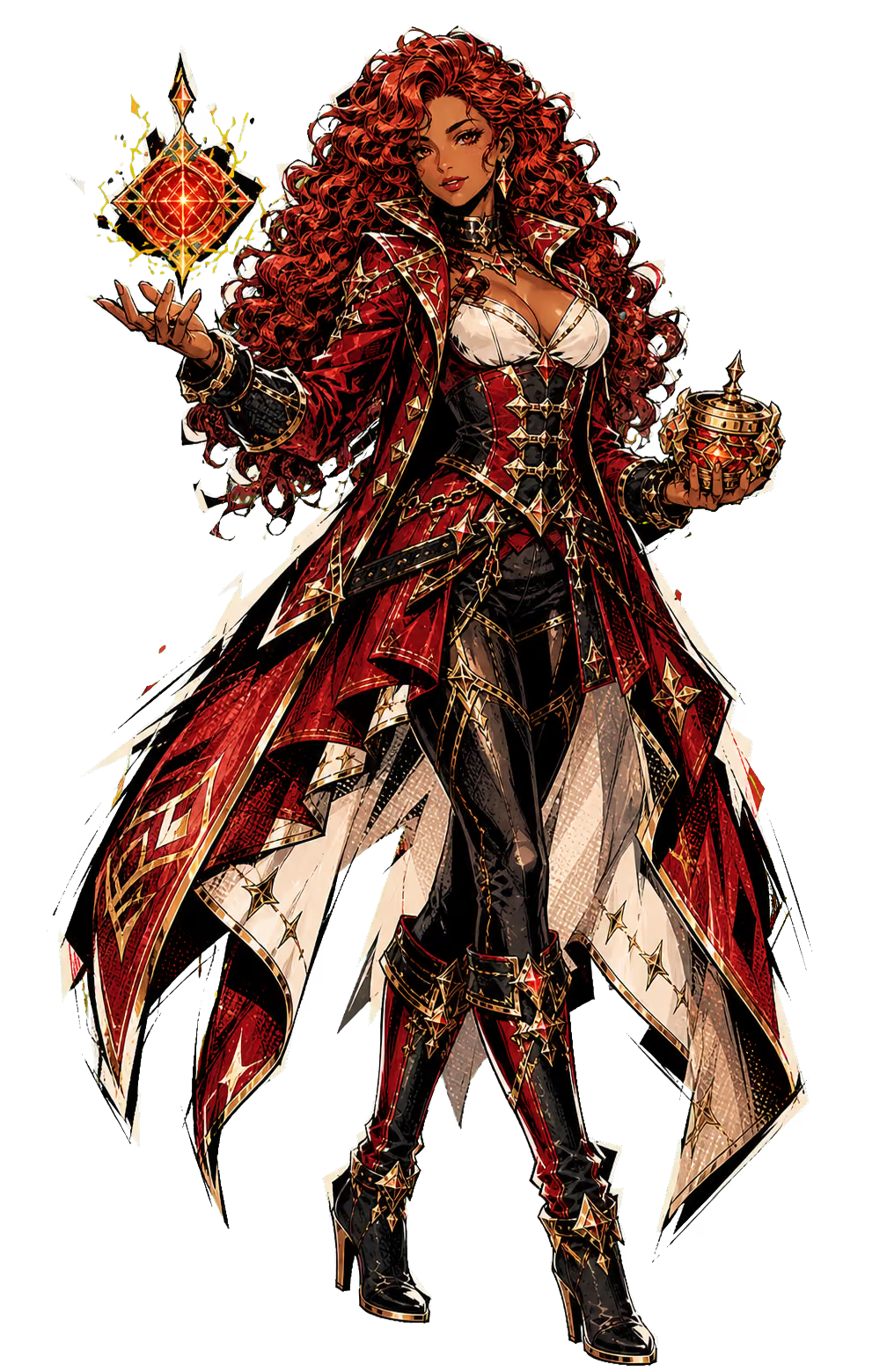
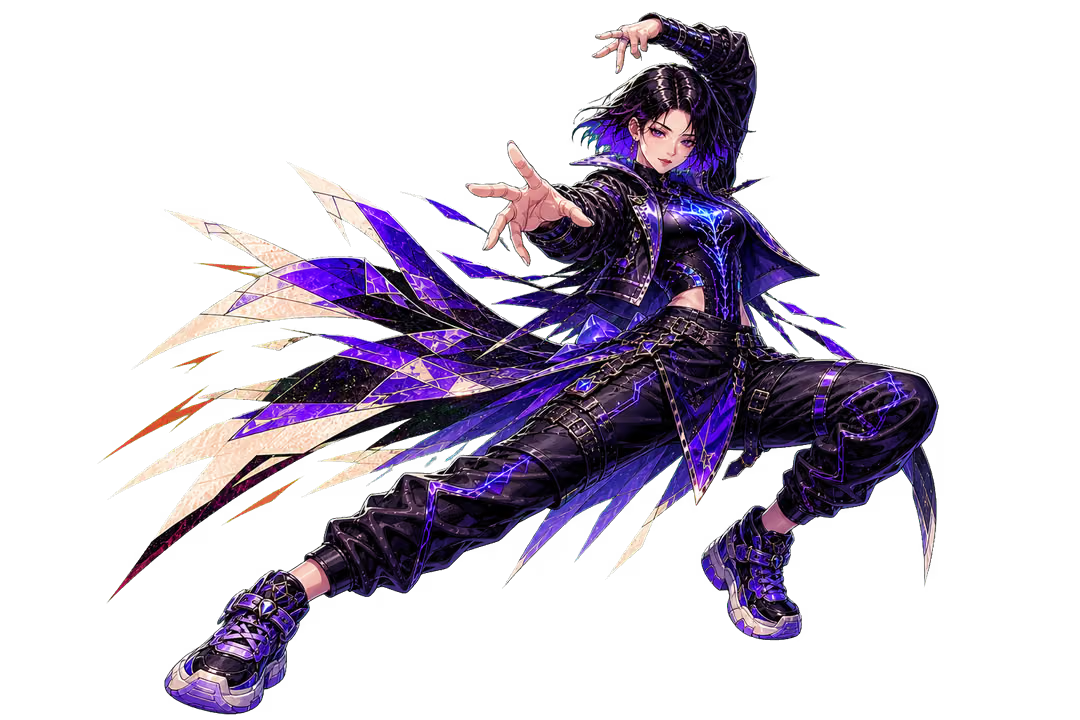
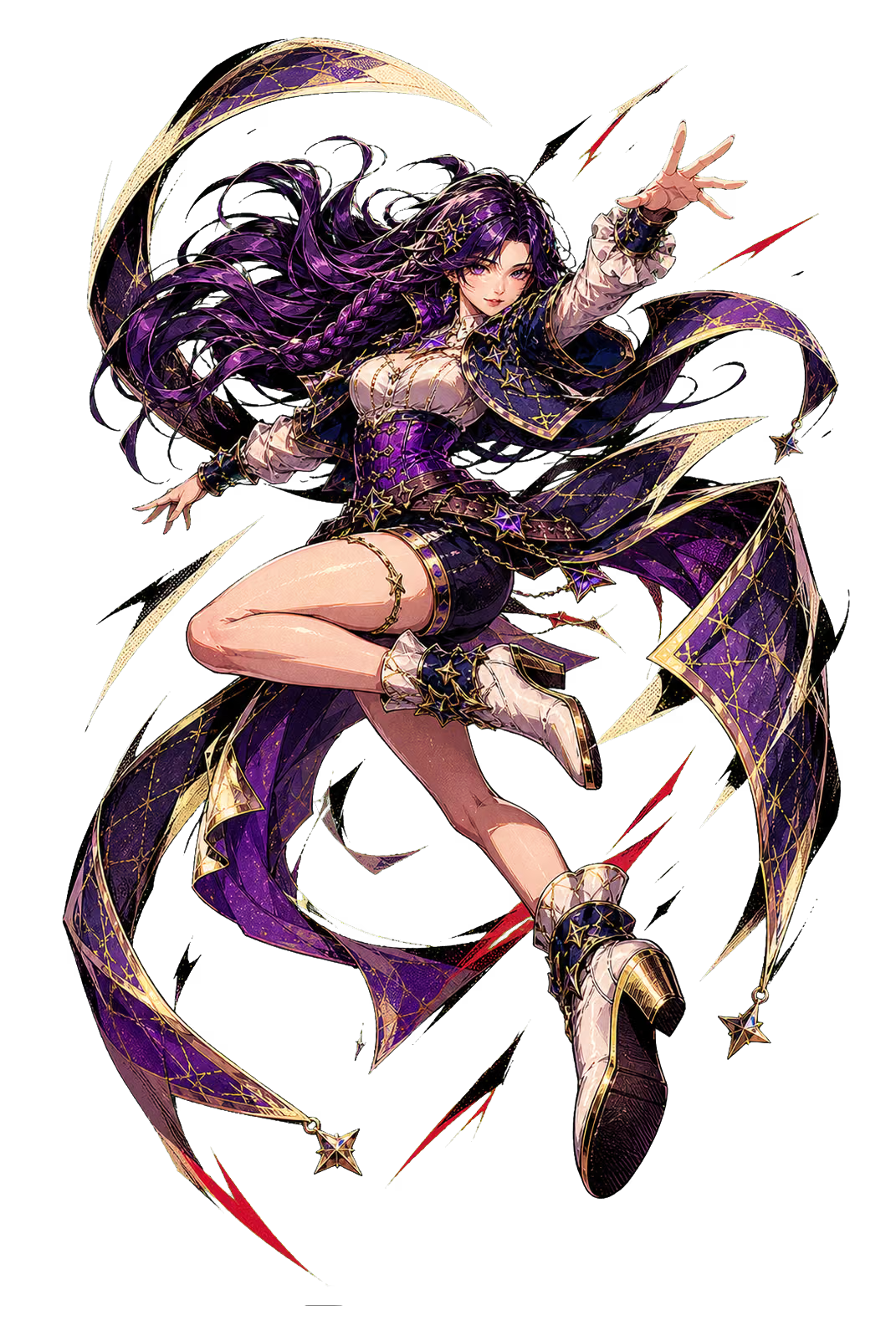
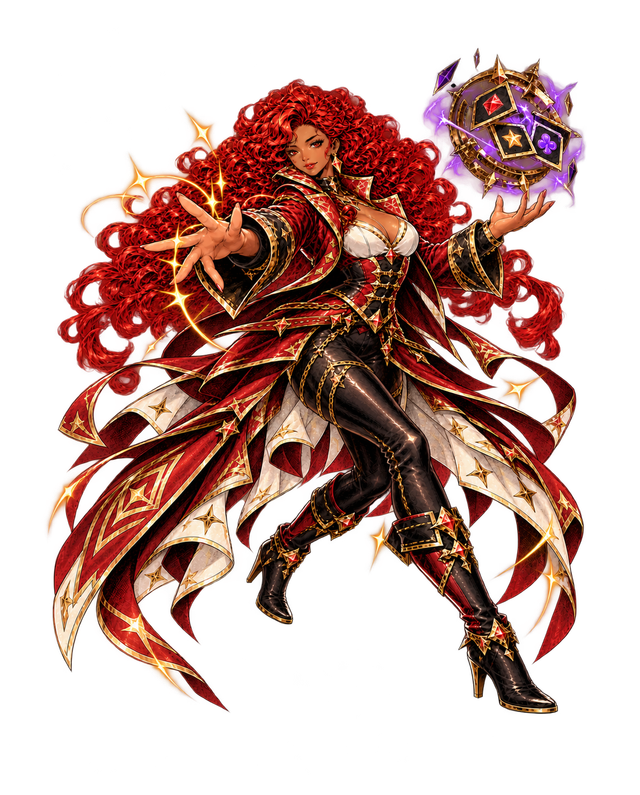

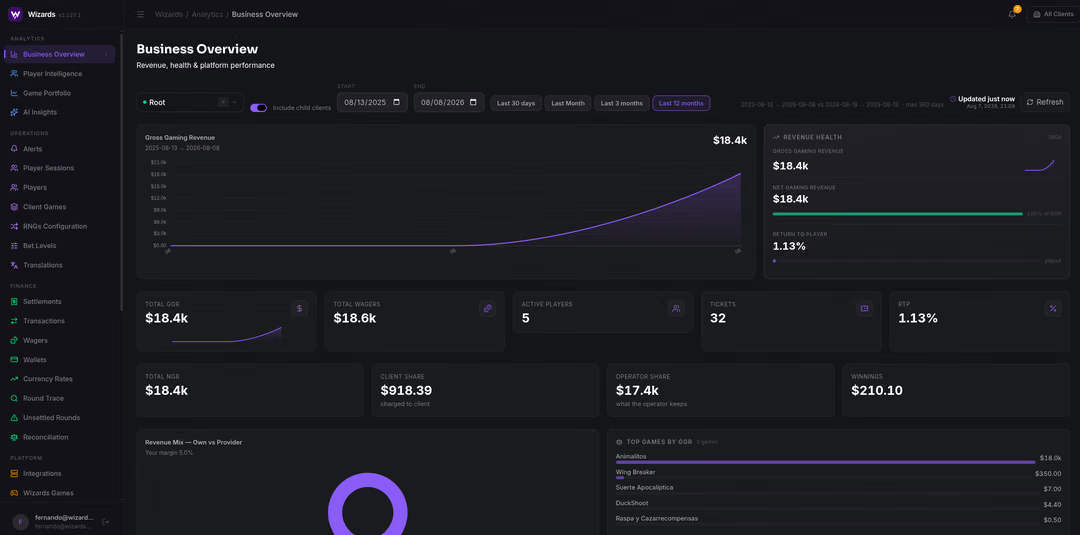
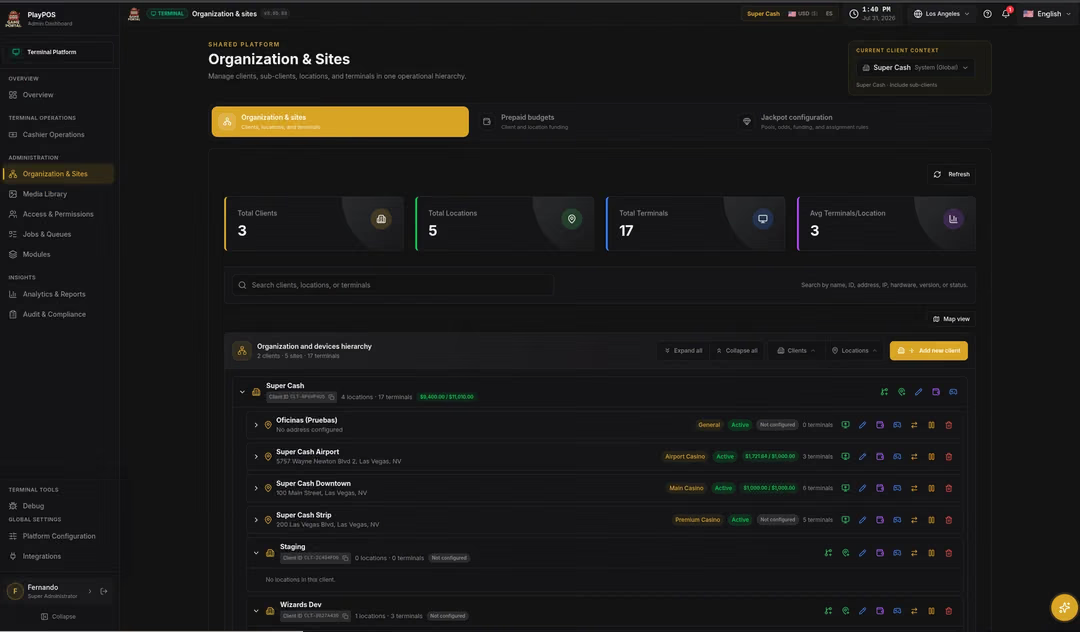

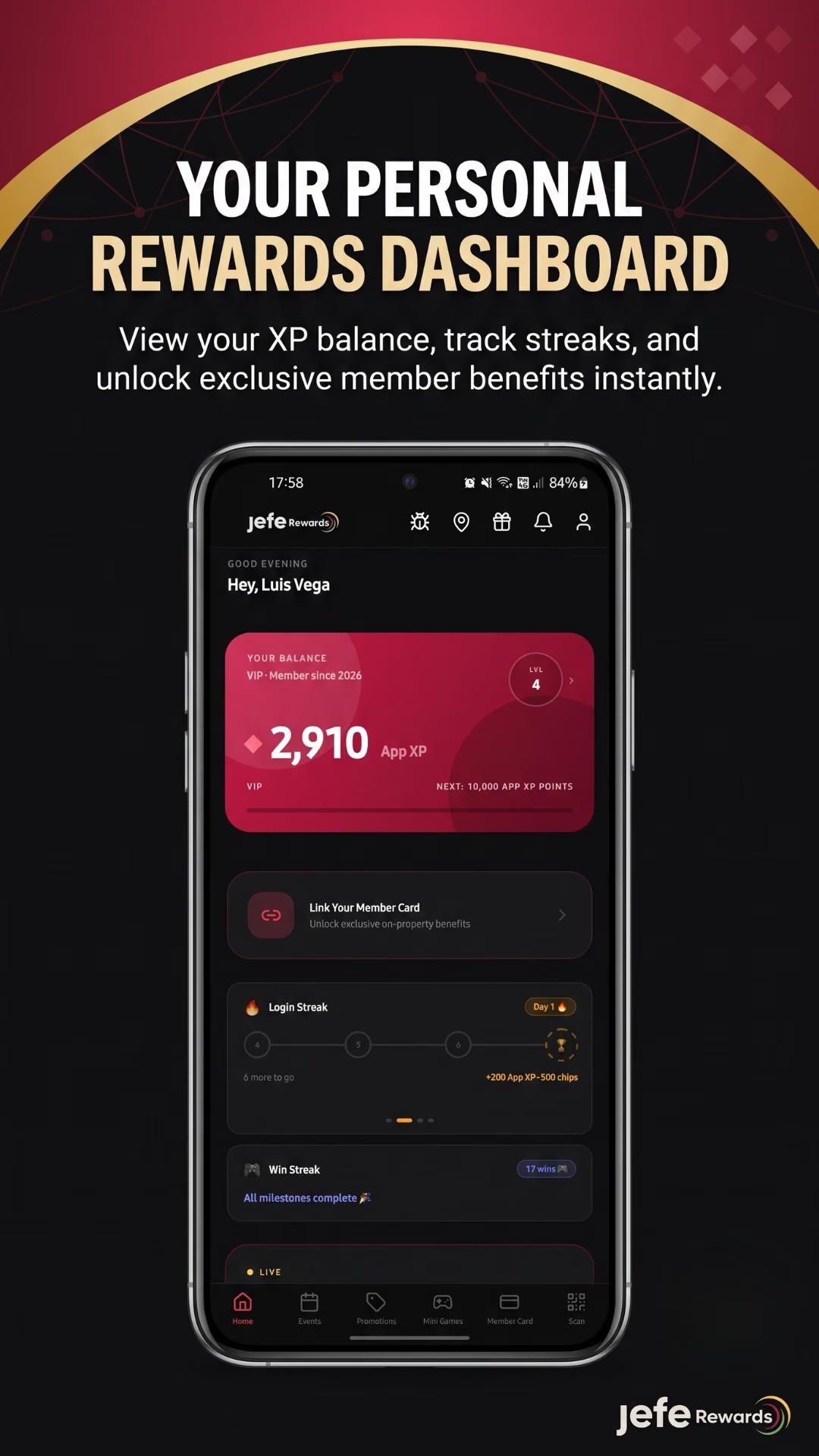










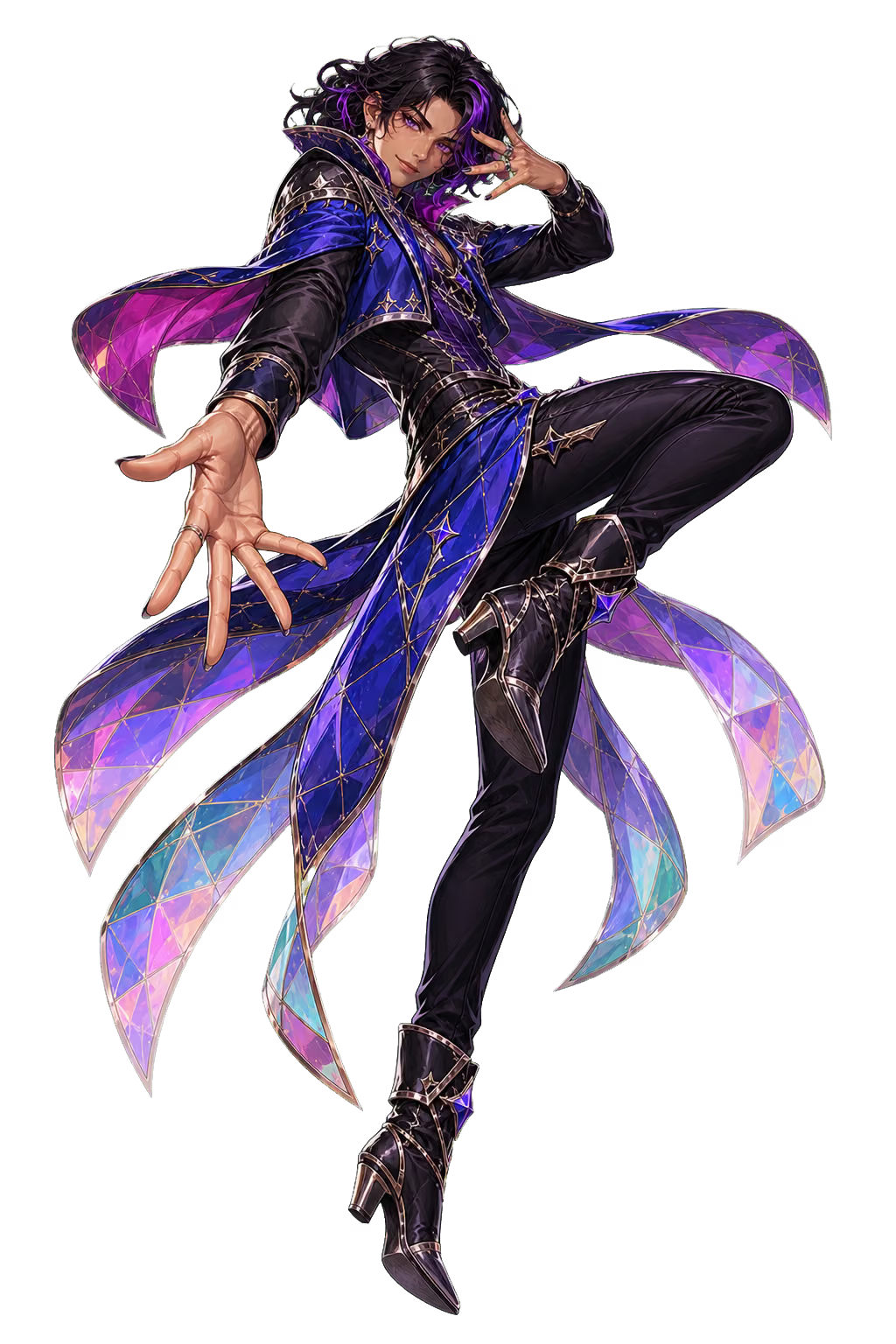
High-growth operators often grapple with the choice between functional minimalism and heavy thematic investment when expanding their proprietary portfolios. While the original crypto-graph style served early adopters, the modern market demands crash games with different art styles to achieve sustainable player retention and brand differentiation. Strategic visual design transcends cosmetic appeal, functioning as a psychological anchor that mitigates the high-speed cognitive fatigue typical of non-traditional betting verticals.
Effective visual storytelling defines a brand’s market position and directly influences lifetime value through immersive feedback loops and sensory rewards. Leveraging expert crash games providers allows operators to navigate these design complexities while ensuring technical stability across diverse jurisdictions. This transition from basic multipliers to narrative-driven environments is essential for any operator looking to scale in a increasingly saturated B2B landscape.

Does Investing in Crash Games with Different Art Styles Actually Improve Retention?
The transition from utilitarian line graphs to high-fidelity thematic environments marks a significant shift in how operators manage the player lifecycle. While a simple moving line satisfies high-frequency bettors, crash games with different art styles introduce an emotional layer that converts a purely mathematical event into a compelling entertainment experience. This evolution is critical for maintaining session lengths in regulated markets where competition for attention is increasingly fierce.
When players are submerged in a thematic narrative, the multiplier is no longer just a number but part of a visual journey. High-fidelity environments provide sensory feedback that rewards the act of playing, not just the outcome of the bet. This immersive quality helps bridge the gap between casual gaming and gambling, making the experience more palatable to a broader demographic that may find raw data unengaging.
Furthermore, visual variety acts as a powerful deterrent to player fatigue in high-frequency betting environments. By rotating themes or offering diverse visual skins, operators can prevent the “numbing” effect of staring at a single interface for extended periods. This variety keeps the cognitive load manageable while maintaining the excitement of the “crash” mechanic, leading to higher daily active user metrics and improved long-term loyalty.
The Psychology of Visual Cues and Perceived Fairness
In the high-stakes world of crash gaming, trust is often a visual byproduct rather than a purely technical one. For tech-savvy demographics, a minimalist, “high-tech” or “crypto-inspired” aesthetic reinforces the perception of algorithmic transparency and fairness. These players often associate clean, data-driven interfaces with the Provably Fair protocols that define the integrity of modern crash mechanics and non-traditional gaming systems.
Conversely, the role of organic themes, such as nature, space exploration, or adventure, can effectively soften the perception of the house edge. By placing the RNG mechanics within a relatable narrative context, the game feels less like a clinical financial transaction and more like a game of skill or luck. This psychological shift is essential for attracting traditional casino players who are accustomed to the thematic depth of modern video slots.
Visual animations also play a vital role in managing the psychological impact of the “near-miss” effect. Sophisticated feedback loops, such as a plane nearly escaping or a character narrowly avoiding an obstacle, provide emotional closure even when a bet is lost. This refined visual feedback maintains player engagement by focusing on the narrative tension rather than just the depletion of the balance, reinforcing the desire for “one more round.”
Targeting Demographics Through Thematic Narrative
Beyond building trust, the right art style acts as a strategic filter for an operator’s desired audience segments. By aligning visual aesthetics with specific demographic preferences, product managers can significantly reduce acquisition costs and improve the efficiency of marketing campaigns. The following themes illustrate how visual choices dictate market reach:
- Gen Z preferences: Utilizing vaporwave, retro-gaming, or minimalist “clean” aesthetics captures younger audiences who value visual authenticity and unique cultural markers.
- Emerging markets: Integrating localized themes, such as regional sports or folklore, increases immediate cultural relevance and fosters a sense of platform familiarity.
- The VIP aesthetic: Implementing dark modes and premium UI elements caters to high-rollers who equate visual sophistication with exclusivity and platform stability.
Strategic localization of themes ensures that the product resonates with the specific cultural nuances of the target jurisdiction. A crash game styled after a popular local sport will inherently perform better in terms of initial click-through rates than a generic space-themed clone. This targeted approach allows operators to build a diverse portfolio that appeals to multiple niches simultaneously without altering the core mathematical mechanics.

Balancing Immersive Art with UX Clarity for Operations
While increasing visual fidelity offers clear benefits for retention, it introduces a critical trade-off regarding technical performance and operational clarity. In high-speed crash games, the priority must always remain on “readability” and the ability of the player to react instantly to the multiplier. Over-designed environments that distract from the core data can lead to player frustration and a perceived lack of control during the betting phase.
Mobile-first constraints remain a dominant factor for operators, particularly in regions with limited bandwidth or older hardware. Heavy visual assets can lead to increased loading times and latency, which are the primary enemies of player trust in a real-time betting environment. A crash game that stutters or lags during the “Cash Out” window will inevitably lead to high churn rates and negative brand perception among the player base.
To mitigate these risks, the “Betting Zone” must be treated with absolute priority in the UI hierarchy. Thematic animations should exist in the background or peripheral areas, ensuring that the interactive elements and the multiplier remain unobstructed. Maintaining this balance ensures that the game remains immersive without sacrificing the functional integrity required for high-stakes, real-time decision-making on mobile devices.
Strategic Differentiation Using Custom Crash Games with Different Art Styles
For the modern operator, visual choices are the primary tool for escaping the “sea of sameness” found in most aggregator lobbies. When every competitor offers the same generic white-label solutions, crash games with different art styles provide a unique selling proposition that justifies direct traffic. Custom art allows an operator to build a recognizable “house style” that becomes synonymous with their brand identity and service quality.
Seasonal themes represent another powerful tool for short-term re-engagement and tactical marketing. Launching a World Cup-themed crash game or a holiday-exclusive skin allows operators to capitalize on current trends without the need for entirely new game development. These temporary visual updates create a sense of urgency and freshness that encourages lapsed players to return to the platform for a limited-time experience.
Ultimately, investing in brand-exclusive art is a long-term asset rather than a one-off operational expense. A unique visual identity protects the operator from player migration, as the specific aesthetic experience cannot be replicated on a competitor’s site. This level of exclusivity is what transforms a simple betting utility into a cornerstone of a successful iGaming ecosystem, driving both organic growth and sustainable market share.
Final Decision Framework for Thematic Crash Game Development
Concluding this analysis, the choice of art style should follow a clear business logic based on the operator’s primary KPIs. Decisions should be driven by whether the goal is pure volume through a familiar minimalist interface or long-term brand awareness through high-fidelity innovation. Balancing these two ends of the spectrum is the key to creating a product roadmap that satisfies both hardcore bettors and casual newcomers.
Operators must identify the sweet spot between innovation and familiarity to avoid alienating their core audience while seeking new growth. A recommended strategy involves starting with robust core mechanics and layering crash games with different art styles that match the specific demographic profile of the operator’s ecosystem. This modular approach allows for rapid testing and iteration based on real-world performance data.
By partnering with experienced crash games providers, stakeholders can ensure that their creative vision is backed by the technical excellence required for regulated markets. The ROI of aesthetics is found in the intersection of high performance and emotional engagement, proving that in the modern iGaming era, design is a fundamental driver of the bottom line.
FAQs about crash game visual performance
How does art style change the way players perceive fairness?
Trust in a crash game is often a visual byproduct rather than a purely technical one. For tech-savvy players a minimalist, crypto-inspired aesthetic reinforces the perception of algorithmic transparency, because they associate a clean data-driven interface with the Provably Fair protocols behind the mechanic. Organic themes work the other way: placing the same RNG inside a narrative softens the perception of the house edge and makes the game read as luck rather than as a financial transaction.
When evaluating product roadmaps, what primary factors determine if a narrative-driven art style is superior to a minimalist crypto-style?
Decisions often hinge on the operator’s existing ecosystem and primary Key Performance Indicators (KPIs). Minimalist styles typically favor high-volume, tech-savvy users who prioritize speed and algorithmic transparency. Conversely, narrative-driven aesthetics are better suited for operators aiming to lower Customer Acquisition Cost (CPA) in casual or traditional casino segments. Choosing the right style depends on whether the goal is to serve professional bettors or to provide a relatable entry point for social gamers transitioning from traditional video slots.
How can operators mitigate the risk of visual-induced latency when implementing high-fidelity crash game assets?
Integrating high-fidelity assets can introduce performance bottlenecks if not managed through rigorous optimization. Operators must ensure that thematic elements do not compromise the critical “Cash Out” latency, especially on mobile devices. Typical mitigation strategies include using scalable vector graphics, implementing aggressive asset compression, and ensuring the core betting interface remains on a separate high-priority rendering layer. Failure to maintain this balance can lead to perceived unfairness if players experience lag or stutters during high-multiplier moments, leading to immediate churn.
Do significant visual modifications or skin updates in crash games necessitate a complete re-certification process with regulatory bodies?
Generally, purely cosmetic changes that do not alter the underlying mathematics, Random Number Generator (RNG) logic, or game rules may not require a full technical re-certification. However, many regulated jurisdictions require a visual inspection or a “minor change” notification to ensure the user interface remains clear and compliant with responsible gaming standards. Operators should consult their certification and compliance team, as significant UI shifts could potentially trigger a partial audit if they are deemed to impact how players perceive game outcomes or odds.
What operational resources are typically required to manage a rotating library of seasonal or localized crash game themes?
Managing a dynamic library of visual skins requires a robust Content Management System (CMS) and a development pipeline capable of hot-swapping assets without downtime. Operators must account for the overhead of localized marketing materials, updated certification documentation for specific regions, and ongoing Quality Assurance (QA) testing across various browser-device combinations. While rotating themes can drive re-engagement, the complexity of maintaining multiple visual branches can increase technical debt if the game architecture is not inherently modular and built for rapid asset injection.
What are the common pitfalls for operators when commissioning custom crash game visuals from third-party developers?
One of the most frequent mistakes is prioritizing visual complexity at the expense of functional clarity, often referred to as over-designing. When commissioning custom crash games with different art styles, operators should ensure developers maintain a high contrast between the interactive betting zone and the background narrative. Additionally, failing to define asset weight limits can result in a product that performs poorly in emerging markets with low bandwidth. Operators should insist on performance benchmarks that guarantee stability across diverse hardware specifications.