


















In the high-stakes world of iGaming, the Random Number Generator (RNG) is far more than a technical component; it is the fundamental engine of fairness and the primary barrier between a legitimate operation and a legal liability. For stakeholders, understanding What does RNG mean in games is a prerequisite for any robust product roadmap, as it dictates the mathematical certainty required to satisfy both jurisdictional regulators and institutional partners. While randomness might seem like a simple concept, in a B2B context, it represents a sophisticated algorithmic architecture that ensures every outcome is independent and statistically sound.
Successfully launching company slot games depends heavily on the integrity of this underlying system, as market entry is impossible without a validated certification from recognized authorities. Beyond the technical launch, a reliable RNG serves as a commercial safeguard, protecting the house edge while maintaining the transparency needed to foster long-term player engagement and platform credibility. Integrating a certified generator is therefore a strategic necessity for operators looking to scale in regulated environments.

What does RNG mean in games and why it is the foundation of iGaming?
Now that we have established its importance, let us look at the specific definition within regulated environments. A Random Number Generator is a computational algorithm designed to produce a sequence of numbers or symbols that lack any discernible pattern. In the context of iGaming, this system acts as the digital dealer, ensuring that every spin of a reel or deal of a card is entirely independent of previous or future events.
The primary function of an RNG is to guarantee unpredictability and non-repeatability across millions of iterations. For a casino operator, this means the software cannot be predicted by players or manipulated by external parties, preserving the house’s mathematical advantage. Modern algorithms have replaced the mechanical randomization of physical reels, offering a level of precision and speed that is essential for high-volume digital platforms.
From a business perspective, the RNG is a core asset that underpins the legal status of the entire operation. Without a functional and audited generator, a game is technically flawed and legally non-compliant, posing a significant risk to the operator’s license. It transforms the abstract concept of chance into a measurable, verifiable technical specification that serves as the backbone of the global gambling industry.
PRNG vs. TRNG: Choosing the right architecture for your platform
Technical implementation varies depending on the scale and requirements of the platform. Most modern iGaming applications utilize Pseudo-Random Number Generators (PRNG), which are software-based algorithms. These systems are preferred due to their high processing speed and efficiency, allowing them to handle thousands of simultaneous game rounds without latency, which is critical for platform scalability and user experience.
While PRNGs use a starting value known as a seed to generate sequences, True Random Number Generators (TRNG) rely on physical entropy, such as hardware-based thermal noise or atmospheric fluctuations. TRNGs offer a higher theoretical level of randomness but are often more complex to implement at the scale required for global online casinos. For most CTOs, a high-end PRNG is the industry standard because it meets all regulatory requirements while offering superior performance.
The security of these systems often hinges on the seeding process. If a seed is predictable, the entire sequence becomes vulnerable to exploitation, which is the failure mode how developers implement RNG in slot games goes into at code level. Therefore, developers must prioritize sophisticated seeding methods to ensure that the algorithm remains secure against reverse-engineering. Understanding these architectural nuances allows technical leads to make informed decisions about vendor reliability and system security during the development phase.
The role of RNG certification in regulatory compliance
A robust algorithm is useless if it cannot be legally deployed in regulated markets. To ensure integrity, operators must submit their RNG systems to independent third-party testing laboratories. Organizations such as Gaming Laboratories International (GLI) and iTech Labs conduct rigorous audits to verify that the software produces truly random outcomes and remains resilient against tampering or external influence.
The certification process involves a deep-dive source code review and extensive statistical testing, including the Diehard battery of tests; what a lab actually asks for is set out in our note on GLI certification. These evaluations confirm that the RNG adheres to the specific technical standards of jurisdictions like Malta, the UK, or various US states. Obtaining these certifications is a non-negotiable prerequisite for any operator-aggregator agreement, as it proves the product’s reliability to all stakeholders.
For a business, certification is the ultimate tool for risk mitigation. It provides the necessary documentation to secure gaming licenses and facilitates smoother entry into new geographical markets. By prioritizing compliance early in the development cycle, product managers can avoid costly delays and ensure that their titles are ready for immediate integration into global distribution networks.
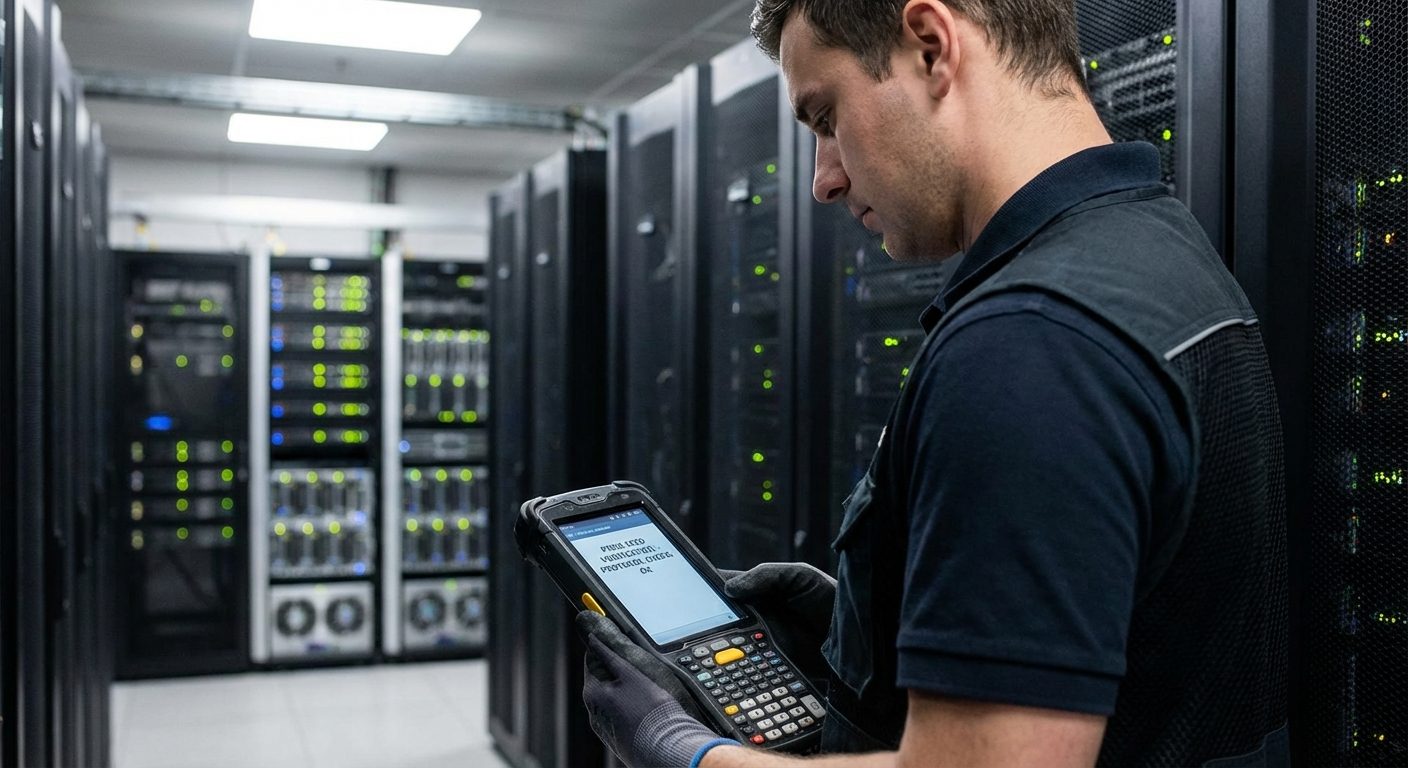
How RNG integrity drives player LTV and brand trust
Beyond compliance, the RNG directly impacts how players perceive and interact with the game. In an era where players are increasingly tech-savvy, the concept of provable fairness has become a significant marketing advantage. Transparency regarding RNG audits helps to dismantle the common player perception of rigged games, fostering a deeper sense of trust between the operator and the end-user.
When players believe they are participating in a truly fair environment, their long-term engagement levels tend to increase. This psychological security directly translates into higher Lifetime Value (LTV) and improved retention rates. An operator that can point to certified, audited randomness is better positioned to defend its brand reputation in the face of inevitable losing streaks experienced by players.
Maintaining high standards of RNG integrity acts as a form of brand equity. It protects the operator from public relations crises and legal challenges that arise from accusations of unfair play. By treating randomness as a transparent business value rather than a hidden technical detail, casinos can build a loyal player base that values the platform’s commitment to professional standards.

Integrating RNG with game mathematics and RTP models
The RNG does not work in a vacuum; it is the fuel for the game’s mathematical model. While the RNG provides the raw randomness, the game’s math model dictates how those numbers are translated into wins and losses. For example, in a slot game, the RNG might generate a value that corresponds to a specific stop on a virtual reel, which the math model then evaluates against the paytable.
This interaction is what defines critical commercial metrics such as hit frequency and volatility. A stable RNG is essential to ensure that the game performs exactly as designed over millions of spins. If the RNG were to exhibit patterns or biases, it could break the intended Return to Player (RTP) percentage, leading to unexpected financial losses for the operator or unfair conditions for the player.
Product managers must ensure that the mapping between the randomizer and the math model is seamless. An unstable or poorly integrated RNG can lead to a product that fluctuates wildly outside its certified volatility range. Understanding this relationship is crucial for balancing the excitement of the game with the commercial necessity of a predictable and stable house edge.
Strategic considerations for implementing certified RNG systems
Understanding the whole ecosystem leads to better strategic choices during development. Operators must decide whether to invest in proprietary RNG development or utilize licensed solutions from established third-party providers. While proprietary systems offer more control, licensed solutions often come with pre-existing certifications, significantly reducing the time-to-market and lowering initial regulatory hurdles.
Continuous auditing is another vital consideration for live operations. An RNG that passed certification at launch must be monitored to ensure it remains uncompromised as the platform grows. Regular statistical checks and security updates are necessary to maintain the integrity of the system against evolving cyber threats and to satisfy the requirements of ongoing regulatory oversight.
Ultimately, a certified RNG should be viewed not as an optional feature, but as the core compliance asset of the organization. When developing new company slot games, prioritizing the randomizer’s integrity from day one ensures a smoother path to licensing and a more sustainable business model. Investing in high-quality RNG systems is a strategic move that protects both the operator’s capital and the brand’s long-term viability.
FAQs about RNG certification for iGaming
What is the difference between a PRNG and a TRNG?
A Pseudo-Random Number Generator is a software algorithm that expands a starting value, the seed, into a sequence; a True Random Number Generator draws on physical entropy such as hardware thermal noise or atmospheric fluctuation. TRNGs offer a higher theoretical level of randomness but are harder to implement at the scale a global online casino needs, so a high-end PRNG is the industry standard — it meets the regulatory requirements while handling thousands of simultaneous game rounds without latency.
How should operators plan their product roadmap around the Random Number Generator certification timeline?
Operators should typically account for several weeks or even months when scheduling third-party audits with laboratories like GLI or iTech Labs. This timeline fluctuates based on the complexity of the math model and the quality of the technical documentation provided. It is often advisable to initiate the certification process early in the development lifecycle to avoid launch delays. Since market entry depends on these reports, the roadmap must treat the audit not just as a final check, but as a critical path dependency for both technical and legal teams.
What are the common indicators that an existing game randomizer requires a technical re-evaluation?
Beyond scheduled audits, technical leads should monitor for statistical anomalies in live game data that deviate significantly from the theoretical Return to Player (RTP) or volatility models. Significant platform updates, shifts in server infrastructure, or changes to the underlying source code can also necessitate a re-evaluation. If a game’s performance consistently falls outside its certified standard deviation, it may indicate a seeding issue or a flaw in the mapping between the algorithm and the game mathematics, requiring immediate investigation to maintain regulatory compliance and player trust.
When is it more cost-effective for a startup operator to license a third-party algorithm instead of building one?
For emerging operators or those with limited technical resources, licensing a pre-certified randomizer is often the most strategic path. Developing a proprietary system requires significant investment in specialized cryptography and extensive documentation for regulators. A third-party solution often includes existing certifications for multiple jurisdictions, which drastically reduces the time-to-market. While proprietary systems offer more long-term flexibility and avoid ongoing licensing fees, the upfront regulatory hurdles and the cost of maintaining a high-security environment often make established third-party providers a safer choice for initial platform scaling.
How does the compliance process change when deploying games across multiple international jurisdictions?
While the core algorithm remains the same, the specific technical requirements for RNG systems can vary between jurisdictions like Malta, the UK, or the United States. Testing labs must verify that the generator meets the unique statistical benchmarks and reporting standards of each local regulator. Operators should request jurisdiction-specific certificates from their vendors to ensure the software is legally compliant for each target market. This modular approach to certification allows businesses to expand geographically without redesigning the core technology, provided the initial architecture was built to universal standards.
What infrastructure safeguards are necessary to protect the integrity of a certified randomizer?
Even the most robust algorithm is vulnerable if the hosting environment is insecure. Operators must implement strict access controls, encrypted communication channels, and physical security for the servers where the RNG resides. Protecting the seed generation process is especially critical, as any external influence on entropy sources can lead to predictable outcomes. Regular vulnerability assessments and penetration testing of the platform’s overall architecture are often required by regulators to ensure that the certified software is not being bypassed or manipulated at the infrastructure level during live operations.