



















A remote gaming server (RGS) is the centralized backend that hosts a casino game’s math models, RNG logic, and outcome calculations — serving results to clients across any iGaming platform. Unlike consumer cloud-gaming setups, an iGaming RGS operates in a regulated B2B environment where every transaction must be auditable.
Deploying a well-architected RGS lets studios and operators decouple game logic from the player account management layer, enabling modular distribution across multiple platforms simultaneously. It is a foundational choice for any team working with iGaming platform software that needs to scale content without rebuilding the core stack each time.
Defining the remote gaming server in the iGaming ecosystem
The RGS acts as the authoritative backend of any digital casino game, hosting the critical math models and the Random Number Generator (RNG). By centralizing these components, the server determines game outcomes in a secure, isolated environment — far removed from the player’s browser or mobile app. This separation prevents client-side manipulation and ensures every spin or hand follows certified logic, regardless of device.
From a business perspective, RGS architecture creates a clear boundary between visual assets and backend execution. The front-end client becomes a display layer: it sends requests and receives results from the server via secure APIs. Operators who need consistent game performance across localized skins or partner sites rely on this modularity to avoid duplicating core logic across every deployment.
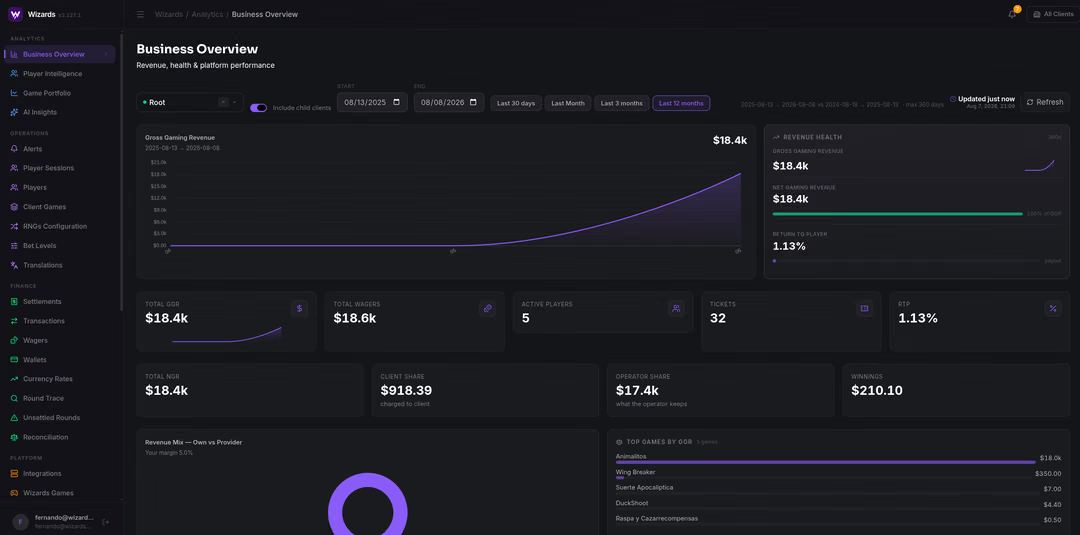
The server also functions as the primary point for transaction logging and game state management. Every bet and every win is recorded in real-time, creating a transparent audit trail for operators and regulators alike. This centralized data flow is what keeps Return to Player (RTP) figures within certified theoretical limits across millions of rounds.
How RGS architecture facilitates platform integration
The technical workflow depends on a continuous three-way loop: the game client initiates an action, the RGS calculates the result, and the Player Account Management (PAM) system verifies funds and records the transaction. This API-driven integration allows operators to connect new content providers quickly, using standardized protocols that reduce custom coding for each new title. For context on how this fits within broader top gambling platforms, the RGS is the layer that makes multi-provider lobbies operationally viable.
Speed matters here. A well-built RGS minimizes round-trip time between the server and the operator’s wallet, preventing the lag that triggers player churn in competitive markets. Optimized communication layers and error-handling protocols keep balance updates nearly instantaneous.
Concurrent session handling is equally critical. Modern systems use load balancers and microservices so thousands of simultaneous game rounds do not strain the database. Even when a player’s connection drops, the RGS retains game state and keeps the wallet accurate — a non-negotiable for data synchronization at scale.
The critical role of the RGS in compliance and certification
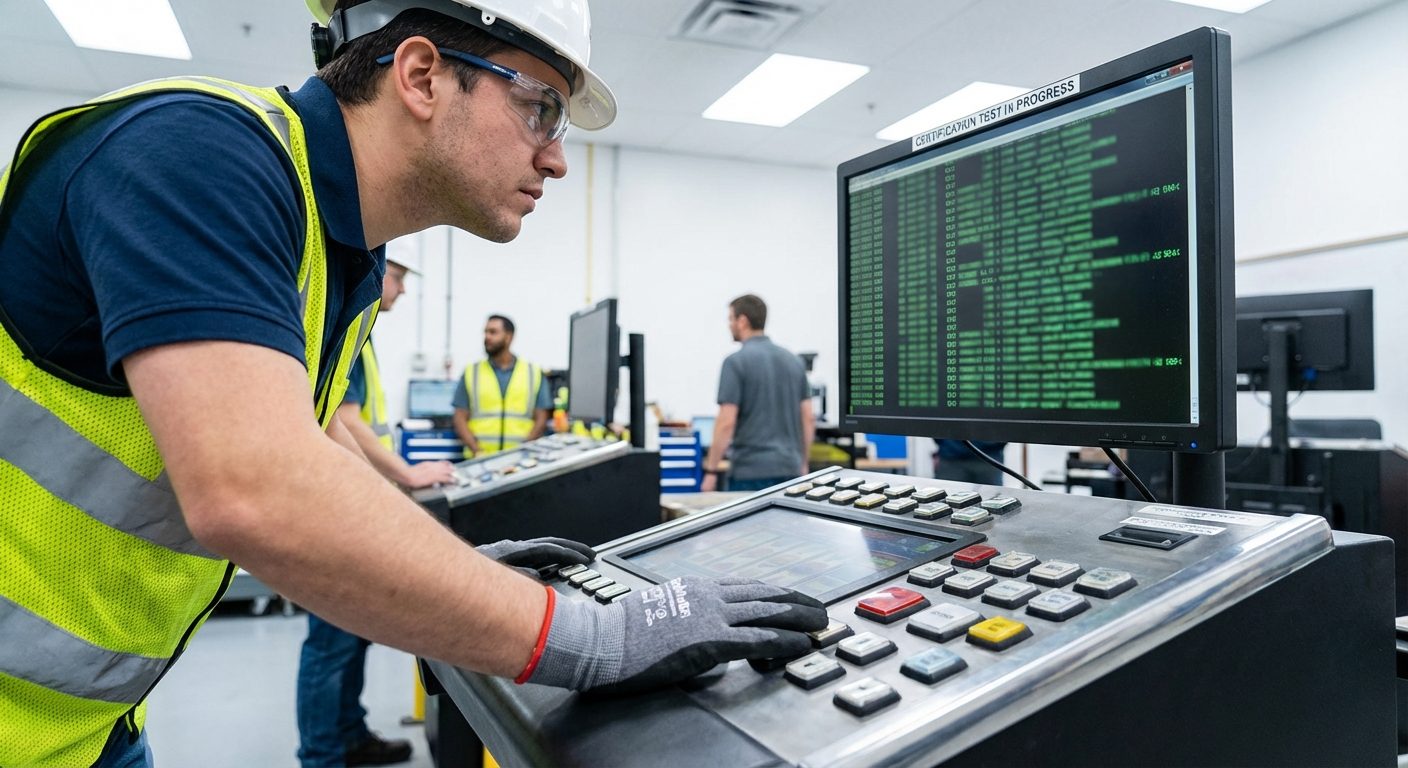
Regulatory bodies focus on the RGS because it is where game fairness is determined. A major operational advantage is the ability to certify the RGS engine once and then deploy multiple games on top of it. This “certify-once” model reduces the cost and time of laboratory testing by bodies such as GLI or eCOGRA, as of current standards — though requirements vary by jurisdiction and should be verified with the relevant authority before assuming coverage. For a full picture of what this involves, see our game testing and certification services.
Many regulated markets also require that game history and financial data be transmitted to government-monitored vaults in real-time. A modern RGS automates this, formatting transaction records to meet specific regional standards and simplifying audits for both studios and operators.
Centralizing compliance logic within the server speeds up market entry. Instead of rebuilding game logic per country, teams only need to update the RGS reporting modules to meet local requirements. This regulatory agility is a meaningful competitive edge — though entering a new jurisdiction still requires its own compliance review; certifying the RGS in one market does not automatically satisfy another.
Strategic business benefits of owning or leveraging a dedicated RGS
A dedicated RGS provides scalability that generic platform bundles rarely match. Operators can add hundreds of new titles without re-engineering the wallet connection, giving Product Managers room to curate specialized portfolios for different demographics and test new mechanics with low operational overhead. Compared to building on a white-label gambling platform, owning your RGS layer means retaining data and customization control at the game logic level.
The granular data generated by the server is equally valuable. Session length, average bet sizes, and title-level performance feed directly into lobby optimization and LTV modeling — intelligence that helps operators identify which math models perform best across specific player segments.
Modular RGS solutions also reduce vendor lock-in. With a dedicated game delivery layer, switching or adding PAM providers does not mean losing the entire game library. That strategic autonomy translates to better negotiating leverage with third-party service providers over time. Understanding how this connects to broader revenue reporting is easier when paired with a clear grasp of Gross Gaming Revenue (GGR), which the RGS data layer directly feeds.

Key technical requirements for a modern iGaming server solution
When evaluating or building an RGS, decision-makers should verify several technical non-negotiables before committing. A high-performing system needs:
- Horizontal scalability: The ability to add server capacity dynamically to absorb traffic surges during major launches or sporting events.
- Logic protection: Encryption of game math and RNG seeds to prevent external breaches or internal data leaks.
- Localization engine: Native support for multi-currency transactions and multi-language interfaces across a global player base.
- Automated reporting: Integrated tools that generate localized regulatory reports and data vaulting feeds without manual intervention.
Beyond core capabilities, a well-run RGS provides administrative dashboards showing server health metrics, transaction success rates, and latency logs. Real-time visibility lets technical teams catch and resolve issues before they affect players — a baseline expectation in any serious B2B iGaming operation.
Future-proofing your operation with a cloud-ready RGS
The industry is moving toward cloud-agnostic deployments as the default. Hosting game logic across multiple cloud providers ensures high availability and disaster recovery without dependency on a single infrastructure vendor. This flexibility is increasingly a baseline requirement from large-scale operators evaluating content partners, not a differentiator.
Looking ahead, AI-driven personalization — adjusting game volatility or bonus frequencies based on individual player profiles in real-time — is emerging as the next development frontier for RGS technology. These capabilities are still evolving and represent industry direction rather than established standards. Building toward a cloud-ready architecture now positions operators to integrate these features as they mature, without requiring a platform rebuild at that stage.
If your team is assessing RGS options or planning to integrate compliant game content at scale, our casino game development team can walk you through the architecture decisions that fit your market and roadmap. Reach out to start the conversation.
Frequently asked questions about remote gaming servers
What are the primary technical hurdles when integrating a centralized game engine with an existing PAM?
The most significant challenge typically involves latency during the balance check and transaction settlement loop. If the communication between the RGS and the Player Account Management (PAM) system is not optimized, players may experience hanging rounds. Operators must ensure high-speed API endpoints and robust error-handling protocols to manage network timeouts without losing game state. Mapping data fields between different reporting standards across systems can also lead to reconciliation errors if not standardized during the initial architectural phase.
How does a dedicated remote gaming server differ from a standard game aggregation service?
While aggregators provide quick access to a wide content library, a dedicated RGS offers greater control over game math, unique features, and data ownership. Aggregators often introduce an additional middleware layer, which can add latency and limit customization for specific jurisdictions. A dedicated server enables direct integration, more granular real-time analytics, and the flexibility to implement proprietary loyalty tools or progressive jackpots independent of an aggregator’s technical roadmap.
Why is RGS architecture considered a catalyst for faster jurisdictional market entry?
Regulators focus on where the logic lives. Because a remote gaming server centralizes the RNG and game outcomes, testing laboratories typically only need to certify the core engine once for multiple titles — as of current lab protocols, though this varies by jurisdiction. When entering a new market, teams generally update reporting modules such as data vaulting feeds rather than re-testing every game. This modularity reduces regulatory cost and time compared to legacy on-premise solutions, though each jurisdiction still requires its own compliance review.
How do operators typically mitigate latency issues in a high-traffic RGS environment?
Performance optimization generally relies on geographic distribution and edge computing. Deploying server instances closer to the target player base reduces physical data travel distance. Using asynchronous communication for non-critical tasks — such as updating leaderboard visuals — while keeping financial transactions synchronous helps maintain a smooth experience. Load balancers that handle rapid traffic spikes are also essential, keeping game-to-wallet communication stable under heavy concurrent loads.
What is the difference between an RGS and a Player Account Management system?
They sit on opposite sides of the same loop, and confusing them is what produces architecture diagrams that cannot be built. The RGS is the authoritative backend for the game: it hosts the math models and the Random Number Generator, and it decides what happened on a given round. The PAM holds the player — identity, wallet, bonuses, limits — and it verifies that funds exist before the bet and records the transaction after it. The client initiates an action, the RGS resolves it, and the PAM settles it. Keeping those responsibilities separate is precisely what lets one game run across several platforms and localized skins without its logic being duplicated in each.
What technical requirements should an operator check before choosing an RGS?
Four, before anything else is discussed. Horizontal scalability, meaning server capacity can be added dynamically to absorb the traffic surge of a major launch or a sporting event rather than being provisioned for the peak all year. Logic protection, meaning the game math and the RNG seeds are encrypted against an external breach and against an internal leak alike. A localization engine with native support for multi-currency transactions and multi-language interfaces, because retrofitting that across a live library is expensive. And automated reporting that generates localized regulatory reports and data vaulting feeds without manual intervention, since manual intervention is what fails during an audit.