



















Choosing an iGaming platform provider is one of the most consequential decisions a casino operator makes. The platform you select defines your compliance ceiling, your integration roadmap, and ultimately your margin — long before a single player places a bet. Operators who treat this as a software purchase, rather than a strategic architecture decision, tend to rebuild within two years.
This guide maps the layers of a modern iGaming platform software stack and the provider dynamics that shape them, so B2B decision-makers can evaluate options against the actual criteria that drive long-term ROI.

What makes an iGaming platform provider genuinely B2B-grade?
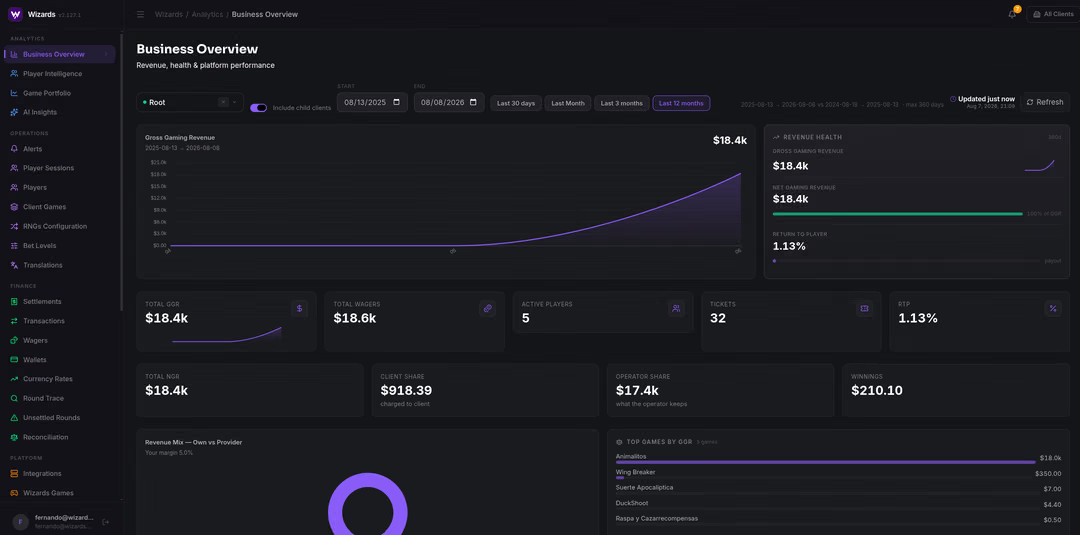
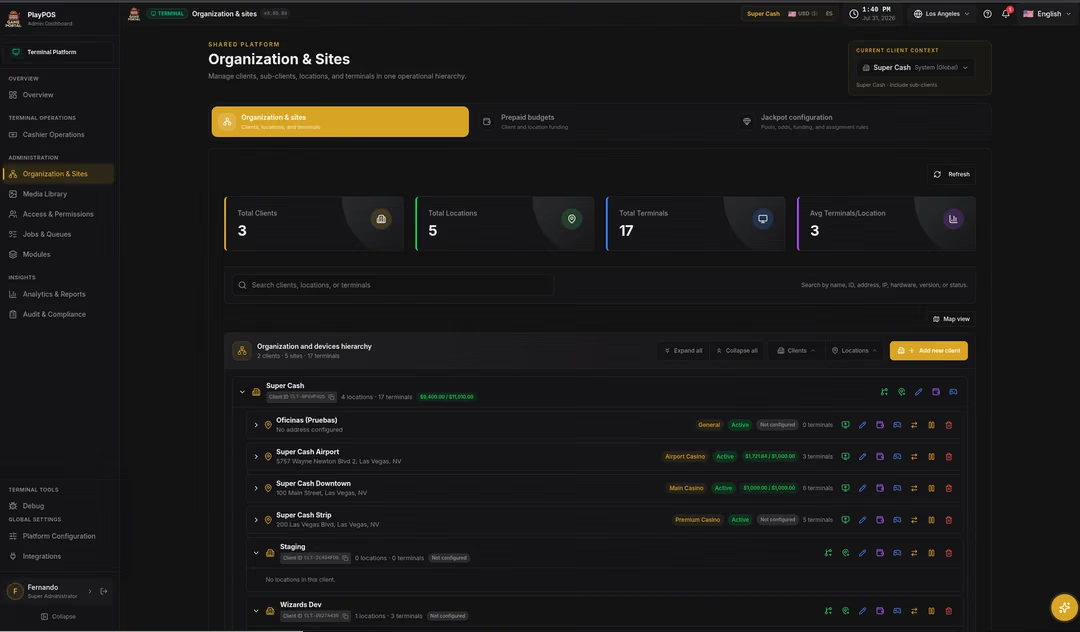
An iGaming platform provider delivers the core infrastructure on which casino operators run their business — not games themselves, but the PAM, wallet, lobby engine, reporting layer, and integration framework that connect every piece of the stack. The criteria that separate B2B-grade providers from legacy vendors are concrete and measurable, not marketing claims.
Elastic scalability is the baseline. A credible provider must demonstrate that the system can handle thousands of concurrent bets per second during peak events — major tournaments, jackpot releases — without degrading response times. For a CTO evaluating options, this means requesting verified soak and stress test results, not uptime SLAs alone.
API-first architecture is the second non-negotiable. Platforms built around a clean API layer let operators decouple the front-end experience from back-end logic, plug in specialized KYC, fraud detection, or marketing automation tools, and replace components without a full rebuild. Without this design philosophy, the operator’s roadmap is effectively controlled by the vendor.
Back-office depth rounds out the evaluation: real-time reporting, granular player management, bonus control, and behavior monitoring. These are not convenience features — they are the operational levers that protect margins and feed the data that drives retention strategy.
How the iGaming ecosystem layers connect
No platform operates in isolation. The iGaming technology stack is a layered system, and understanding those layers is what lets operators make precise sourcing decisions rather than buying a black box.
The Player Account Management (PAM) system sits at the center, managing the full player lifecycle: registration, wallet, loyalty, and regulatory reporting. It is the authoritative ledger for every transaction in the operation. Everything else in the stack either feeds into or draws from it.
Surrounding the PAM is the content supply chain. Game studios create the products; aggregators provide a single technical gateway to hundreds of studios at once, including a remote gaming server (RGS) layer that handles game logic, results, and session data independently of the platform. Using an aggregator dramatically reduces the integration burden while keeping promotional tools unified across game families.
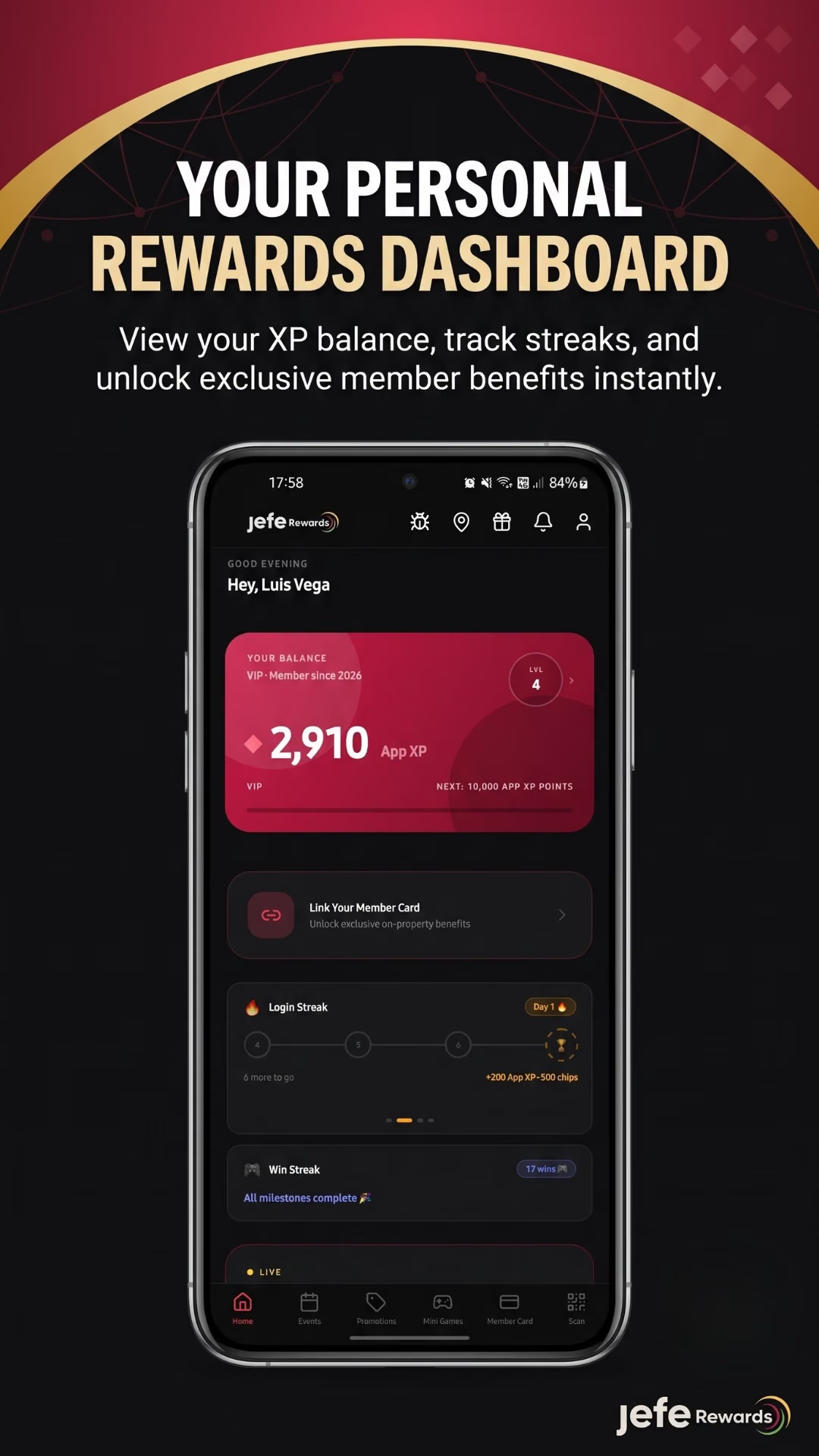
Managed Service Providers (MSPs) handle operational outsourcing — customer support, risk management, marketing execution — allowing operators to scale without immediately building large internal teams. Above all of this sit the data and analytics engines that transform PAM and aggregator output into actionable player insights, powering personalization and predictive retention.
Turnkey vs modular: the architecture trade-off
Every operator eventually faces the same fork: buy a complete turnkey package or assemble a modular stack. Neither is wrong — the right answer depends on where the business is in its lifecycle and how much technical ownership the team can sustain.
Turnkey solutions compress time-to-market significantly. They bundle PAM, content aggregation, payments, and front-end templates under one roof, lowering initial technical complexity and team requirements. For new entrants without an existing tech function, this is often the only viable launch path.
The tradeoff is that a white-label gambling platform built on a rigid turnkey may constrain customization. It can also create vendor dependency that becomes expensive to unwind once the business scales.
Modular architectures give operators best-of-breed optionality: choose the strongest PAM, the most efficient aggregator, the most competitive payment layer, and integrate them under a unified data model. The upfront integration effort is higher and requires more technical depth, but the long-term flexibility and IP ownership are substantially greater.
The model gaining traction among mid-sized operators is a hybrid approach: launch on a stable turnkey that exposes deep APIs, then progressively replace or augment components with custom modules as the business scales. This balances speed-to-market with the long-term goal of owning the technical roadmap.

Compliance and certification as platform foundation
Compliance is not a feature set operators add at launch — it is a structural property of the platform, and evaluating it correctly starts at the architecture level. The foundation is certification from recognized testing laboratories.
GLI (Gaming Laboratories International) and BMM Testlabs, for example, evaluate platform components including the RNG, financial reporting modules, and wallet logic against international standards for fairness, security, and operational integrity.
Data privacy is equally architectural. Jurisdictions operating under GDPR and equivalent local frameworks require platforms designed with privacy-by-design principles: player data encrypted at rest and in transit, and tooling for data access and deletion requests that can be fulfilled without manual intervention. Gaps in this layer carry significant regulatory risk.
Responsible gambling (RG) tools have moved from optional to mandatory for tier-1 licensing under regulators such as the MGA (Malta Gaming Authority) and UKGC. Credible iGaming platform providers integrate RG directly into the PAM flow — automated limit setting, self-exclusion triggers, and behavior monitoring — rather than bolting it on as an afterthought.
Operators should also verify gaming certification and compliance track records across multiple jurisdictions before selecting a provider. Each regulator has distinct data submission formats and reporting frequencies that the platform must handle natively.
One critical nuance: a certification in one jurisdiction does not transfer automatically to another market. As of mid-2026, Curacao’s regulatory framework has undergone reform under the new Gaming Authority of Curacao, MGA requirements continue to evolve, and UKGC maintains some of the strictest responsible gambling mandates globally.
These requirements can and do change. Verifying current status directly with the relevant authority is always recommended before making compliance-dependent decisions.
Integration agility and future-proofing the stack
A platform decision made today has to support integrations that do not yet exist. The technical indicators of a future-proof architecture are specific: Webhooks and RESTful APIs that push data to external systems in real time without polling, and a data model flexible enough to support high-throughput computation for AI-driven personalization at low latency.
Containerization and microservices are the architectural pattern that makes zero-downtime updates achievable. When individual components — the sportsbook engine, the casino lobby, the payment router — can be upgraded in isolation, the platform avoids the full-site downtime that directly correlates with revenue loss. Operators running on legacy monolithic platforms routinely lose this competitive flexibility.
Managing online casino payment methods is a practical test of integration agility: adding a localized payment provider for a new market should be a configuration task, not a development sprint. If the platform vendor cannot demonstrate rapid third-party onboarding with clear API documentation and a sandbox environment, the integration burden will compound with every market expansion.
When evaluating providers, request detailed onboarding timelines for new third-party integrations and evidence of how the platform has handled major API changes from existing partners. Technical transparency here is a reliable signal of long-term partnership quality.
Evaluating platform performance: metrics that matter
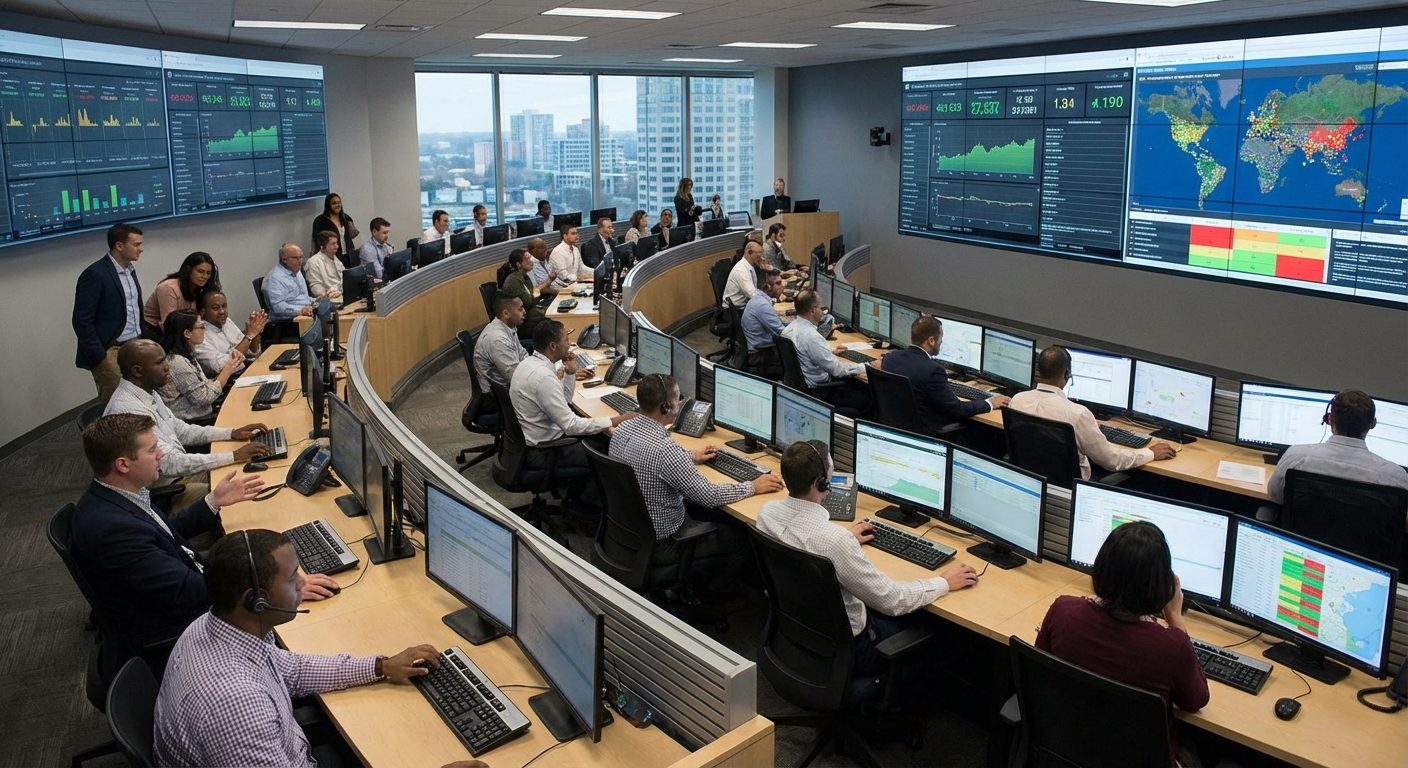
Performance evaluation should go well beyond uptime percentages. The metrics that reveal real platform quality are more granular: requests per second (RPS) thresholds under peak load, database latency at sustained concurrency, and how the system behaves when traffic doubles unexpectedly — not just at expected peaks.
Data ownership is a business-critical metric that operators frequently overlook during selection. Full ownership means the operator can access and export raw player and transactional data at any time, without dependency on vendor tooling.
Without this, migrating to a new provider or conducting independent business intelligence becomes structurally difficult. Verify specific SLA clauses on raw data access and exportability before signing.
Front-end flexibility is the third axis of evaluation. Off-the-shelf templates reduce launch cost but produce undifferentiated products in a saturated market. The strongest iGaming platform providers offer a composable front-end framework that allows deep UI customization while keeping the back-end stable and secure.
For GGR reporting and margin analysis, operators need a reporting layer that surfaces data at the granularity required to make retention and bonus decisions in real time — not just aggregate revenue figures.
Ultimately, the right platform partner acts as a technical enabler rather than a gatekeeper. The architecture decision you make defines your scaling ceiling, your compliance exposure, and your ability to respond to market shifts over the next three to five years.
If you are evaluating iGaming platform providers and want to understand which architecture fits your market entry timeline and compliance requirements, our team works with operators at every stage of that decision. Reach out to talk through your specific stack and expansion plans.
Frequently asked questions about iGaming platform providers
How can operators ensure they retain full data ownership when working with an iGaming platform provider?
Full data ownership starts with the contract, specifically the SLA clauses covering raw data access and exportability. A credible iGaming platform provider will offer real-time access to transactional databases and player activity logs through secure APIs or dedicated data streams. Operators should request a sample data export during due diligence to confirm the format is compatible with their external analytics stack. Without these provisions documented in writing, vendor lock-in becomes a structural risk at renewal or migration.
What are the trade-offs of integrating game studios directly versus using a content aggregator?
Direct studio integrations can improve margins by eliminating aggregator fees and may unlock earlier access to exclusive titles or bespoke promotional mechanics. The downside is a significantly higher technical burden: each studio requires its own API maintenance and certification pipeline. Aggregators address this by providing a unified gateway that accelerates time-to-market and reduces operational overhead. Most operators at scale use a hybrid model — aggregators for volume and breadth, direct connections for high-revenue studios where the margin uplift justifies the integration cost.
What primary technical challenges arise during an iGaming platform migration?
The most critical challenge is data mapping integrity between legacy systems and the new PAM: bonus balances, player verification statuses, and historical transaction records must transfer without discrepancies that trigger regulatory friction or player complaints. Operators also need to factor in the re-configuration of third-party integrations — payment gateways, KYC providers — and a warm-up period for organic performance. A phased migration approach with rigorous staging environment testing is the standard risk mitigation for platforms with an existing active player base.
Why is core platform certification separate from individual game certification?
Game certifications assess the RNG and mathematical fairness of a specific title. Platform certification is broader: it covers the security of the player wallet, the accuracy of financial reporting, and the robustness of responsible gambling controls at the infrastructure level. An operator can host fully certified games on an uncertified platform — which is a significant compliance risk in regulated jurisdictions. Ensuring the underlying architecture meets international standards (GLI, eCOGRA, BMM) protects the license holder and ensures all player-platform interactions are audited end-to-end.
What performance indicators show that an iGaming platform can handle extreme traffic spikes?
The most relevant indicators are requests per second (RPS) thresholds, database latency under sustained concurrency, and behavior under double-expected load — not just uptime averages. A genuinely scalable architecture uses microservices so components like the sportsbook engine or the lobby can scale independently without affecting the full system. Operators should request soak testing and stress testing reports from shortlisted providers. High concurrency performance depends less on raw server count and more on how efficiently the software manages state and concurrent database connections.
When does a hybrid turnkey-then-modular approach make sense?
It is the model gaining traction among mid-sized operators, and it fits a business that needs to be live before it needs to be bespoke. Launch on a stable turnkey platform that exposes deep APIs, then progressively replace or augment individual components with custom modules as the business scales. The trade-off is accepting some early vendor dependency in exchange for speed to market, while keeping the long-term goal of owning the technical roadmap intact. It only works if the turnkey provider is genuinely API-first, so verify that before committing.