



















RNG certification is the gate a casino game must clear before it can go live in a regulated market. Independent labs test the random number generator itself, the math model behind it, and how the two connect once the game ships.
If your team is asking how to make a RNG game, you are usually asking how to pass that review. Labs check the same order every time: math model first, engine architecture next, then the live integration and its audit trail.
Step 1. Define the Mathematical Model Before Writing Code

Every RNG game that seeks certification begins with a validated mathematical blueprint. For slot games, this means:
- Designing reel strips
- Defining symbol weighting
- Calculating hit frequency
- Setting target Return to Player (RTP)
- Modeling volatility and variance behavior
For table games, it involves:
- Probability matrices
- Event dependency mapping
- Payout logic verification
This math model sets the theoretical financial profile the game must hit, the same numbers a lab will check against the finished game math model during testing. Skipping this step turns development into guesswork and raises the risk of a failed audit.
The math document should be treated as a regulatory artifact, not just an internal design reference. Labs expect it to match your live game exactly, with no unexplained deviation.
Step 2. Select and Architect the RNG Engine
Once the math model is defined, the next step is choosing the randomization architecture. In regulated online gambling, high-quality Pseudo-Random Number Generators (PRNGs) are the industry standard, and certification focuses less on theoretical randomness and more on:
- Statistical robustness
- Long period length
- Secure seeding
- Audit reproducibility under controlled conditions
The RNG engine must stay architecturally isolated from:
- Frontend animations
- User interface triggers
- Audio layers
- Marketing overlays
That separation matters because graphical performance or user behavior should never influence outcome generation. It is a baseline requirement labs check before they look at anything else, and it applies the same way whether a team chooses to implement RNG in slot games or in table and crash formats.
Step 3. Map Random Output to the Certified Math Model
An RNG does not produce wins or losses on its own. It produces raw values, and those values must be securely mapped to:
- Reel stops
- Card sequences
- Bonus triggers
- Prize distributions
This mapping layer is where commercial performance takes shape. Improper mapping can distort RTP, volatility, or hit frequency, even when the RNG itself is statistically sound.
For regulated markets, the translation logic must strictly reflect the documented math model. Any deviation from that model can invalidate RNG certification and send the game back for re-testing.
Step 4. Integrate with a Remote Game Server (RGS)
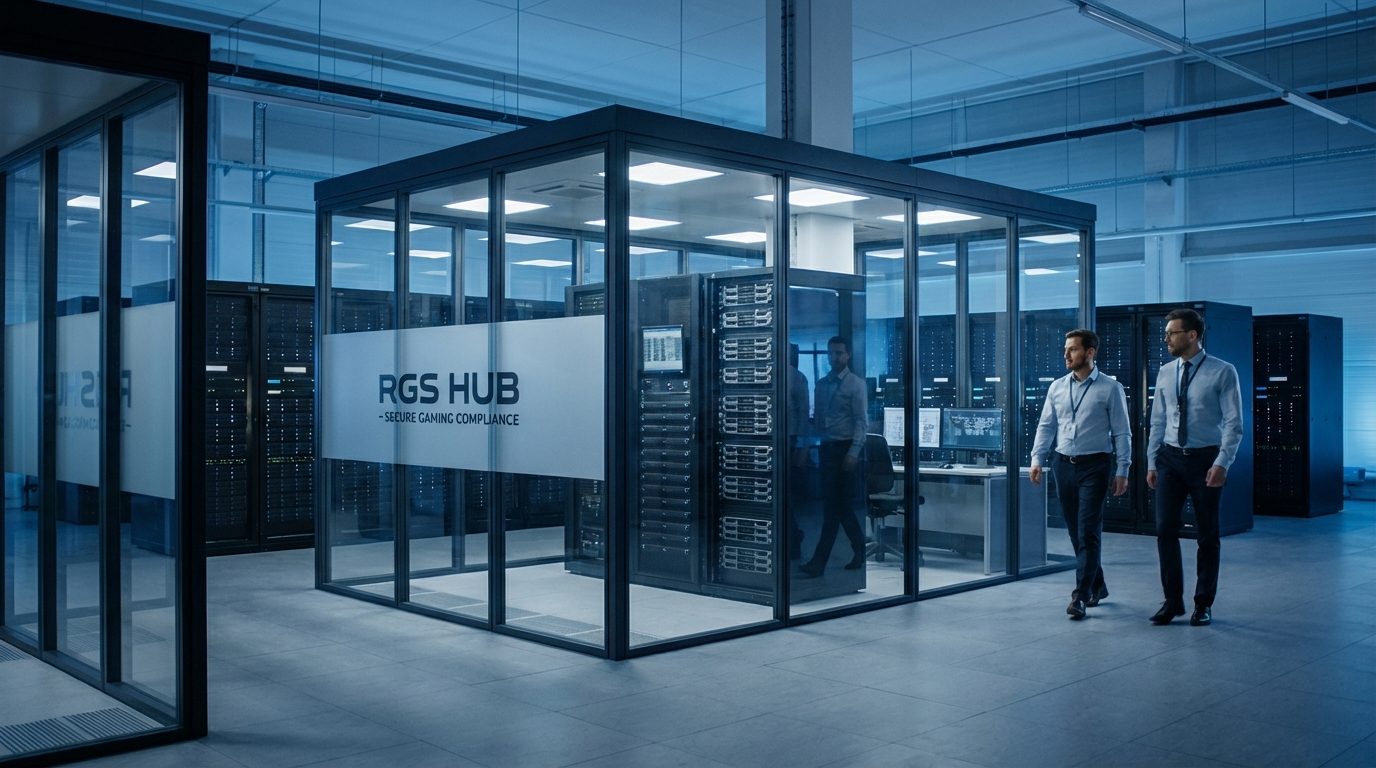
A certified RNG game cannot operate as a standalone client application. It must connect to a secure remote gaming server (RGS) responsible for:
- Session validation
- Transaction logging
- Wallet communication
- State management
- Audit trail generation
All RNG calculations should run server-side to prevent state exposure, and client applications should function purely as presentation layers. The RGS makes every wager, spin, and payout traceable, a non-negotiable condition in regulated environments and one of the first things labs confirm during RNG certification review.

Step 5. Pre-Certification Testing and Internal Simulation
Before submitting to a laboratory, professional teams run extensive internal simulations. This typically includes:
- Millions of spin simulations
- RTP deviation analysis
- Variance curve validation
- Seed integrity testing
- Stress testing under high concurrency
The goal is not just to confirm randomness. It is to verify that real-world output aligns precisely with the theoretical model, since skipping rigorous internal validation is one of the most common causes of RNG certification delays.
Step 6. Submit to Accredited Testing Facilities
To enter regulated markets, the game must be audited by an independent, accredited laboratory. The most recognized names include Gaming Laboratories International, BMM Testlabs, and iTech Labs, and passing GLI certification is one of the most widely accepted outcomes of independent RNG testing across jurisdictions.
The certification process typically involves:
- Source code review
- RNG statistical testing
- Security architecture inspection
- Verification of math documentation
- Infrastructure evaluation
Testing laboratories do not evaluate “game quality.” They verify statistical integrity, architectural isolation, and regulatory conformity, the core of casino game certification. Approval results in jurisdiction-specific certification required for licensing.
What Accredited Labs Check During RNG Certification
Accredited labs test three layers separately during RNG game development: the RNG algorithm itself, the math model it feeds, and the way both integrate into the live game. Reviewers examine source code, seeding methods, and statistical distribution across millions of simulated outcomes.
Some labs certify the RNG module on its own; others certify how it performs once wired into the finished game, under standards such as GLI-19 for interactive systems. A pass in one jurisdiction rarely transfers automatically, so in our experience most studios pair testing with a broader certification and compliance plan before expanding into a new market.
Step 7. Implement Post-Launch Monitoring and Change Control
Certification does not end the process. Live operations require:
- Continuous statistical monitoring
- Version control discipline
- Documented update procedures
- Re-certification protocols for core logic changes
Changes to the following areas can trigger additional review, depending on the jurisdiction:
- RNG engine
- Mapping logic
- Core payout structure
A structured change management process protects both compliance status and long-term platform stability.
Commercial Alignment Between Fairness and Profitability
Certification confirms your RNG is fair by design, but profitability still depends on strategic calibration. Your product team needs to ensure that:
- RTP aligns with competitive positioning
- Volatility matches target player segments
- Hit frequency supports session engagement
- House edge remains commercially sustainable
Mathematical fairness and commercial optimization are separate responsibilities, and both need active management. The par sheet that documents the certified math model is usually where product and compliance teams reconcile the two.
RTP is the clearest example. A certified payout percentage sets the ceiling for what a game can return over time, and studios calibrate volatility and hit frequency inside that ceiling to hit specific player segments.
Build vs License Considerations for RNG Development
If you are building a proprietary portfolio, you choose between two paths.
Custom RNG development
- Greater flexibility
- Higher certification cost
- Longer time-to-market
Licensed third-party RNG engines
- Faster deployment
- Pre-existing compliance documentation
- Reduced regulatory friction
The right call depends on the operator’s roadmap, technical maturity, and expansion goals across jurisdictions. Teams building custom engines for HTML5 casino games often accept a longer certification timeline in exchange for full control over the math model and the player experience.
Why Process Discipline Defines Long-Term Success
Learning how to make a RNG game for gambling markets is less about writing code and more about the process discipline that supports RNG certification over time. A compliant title requires:
- Mathematical rigor
- Architectural separation
- Regulatory awareness
- Infrastructure security
- Ongoing monitoring
When these elements come together in one development lifecycle, you can launch certified products with predictable margins and scalable distribution potential.
A well-built RNG game protects both revenue and regulatory trust once it clears certification. Our team works through this process alongside operators and studios that need support with end-to-end casino game development, from the math model through the final compliance sign-off.
FAQs about RNG certification for casino operators
What are the primary factors that delay the certification process when developing a random number generator?
Delays often stem from insufficient documentation of the mathematical model or a lack of clear separation between the game logic and the presentation layer. When testing labs identify tightly coupled code, they may require structural changes before completing the audit. Furthermore, inconsistencies in the statistical output during high-volume simulations can lead to repeated testing cycles. Ensuring that the RNG engine is modular and pre-tested against standard statistical suites can significantly streamline the path to market for B2B operators and product managers.
When should a casino operator choose a proprietary RNG over a third-party certified engine?
Developing a proprietary engine offers maximum control over unique game mechanics and long-term cost efficiency for high-volume studios. However, it requires a significant upfront investment in specialized mathematical talent and rigorous internal QA. Operators typically opt for third-party engines when they need to accelerate their time-to-market or lack the infrastructure to manage the ongoing compliance updates required by different jurisdictions. The decision usually hinges on whether the unique logic of the game provides a competitive advantage that justifies the additional certification overhead.
How can technical leads prevent state discovery in a live iGaming environment?
Preventing state discovery is critical to protecting the house edge and player trust. This is typically achieved by keeping all RNG calculations strictly server-side and never exposing the seed or internal state variables to the client-side code. Using high-entropy seeds sourced from physical hardware to periodically re-seed the software-based generator further complicates any attempts at reverse engineering. Robust encryption of all communication between the game client and the Remote Game Server makes it far harder for malicious actors to intercept the data needed to predict future outcomes.
Why does a certified RNG not guarantee a game commercial success or stable RTP?
While a certified generator ensures that the numbers produced are fair and unpredictable, the commercial performance depends on how those numbers are mapped to the paytable. A game can have a perfectly random engine but a poorly designed math model that results in frustrating volatility or an unattractive Return to Player percentage. Operators must differentiate between mathematical fairness, which labs certify, and mathematical balance, which drives player retention. Certification confirms the integrity of the tool, but the product profitability relies on the strategic design of the reward distribution.
What are the ongoing maintenance requirements for a certified RNG after market entry?
Maintaining a certified status requires continuous monitoring of live game data to ensure that the actual outcomes align with the theoretical probability models. Operators are often required to submit periodic reports to regulators or undergo re-certification if significant changes are made to the game core logic or the server environment. Security patches and updates to the seeding mechanism must also be documented and reviewed by an Accredited Testing Facility. Proactive auditing helps identify potential drift in randomness caused by software updates before they impact jurisdictional compliance.
Does RNG certification in one jurisdiction transfer to another?
Rarely, and never automatically. Some labs certify the RNG module on its own; others certify how it performs once wired into the finished game, under standards such as GLI-19 for interactive systems. Because the scope of the certificate differs between those two cases, and because each regulator sets its own conditions on top, a pass in one market is evidence rather than entitlement in the next. In our experience most studios plan for this by pairing the testing itself with a broader certification and compliance plan before they expand, rather than discovering the gap after a launch date has been announced.