






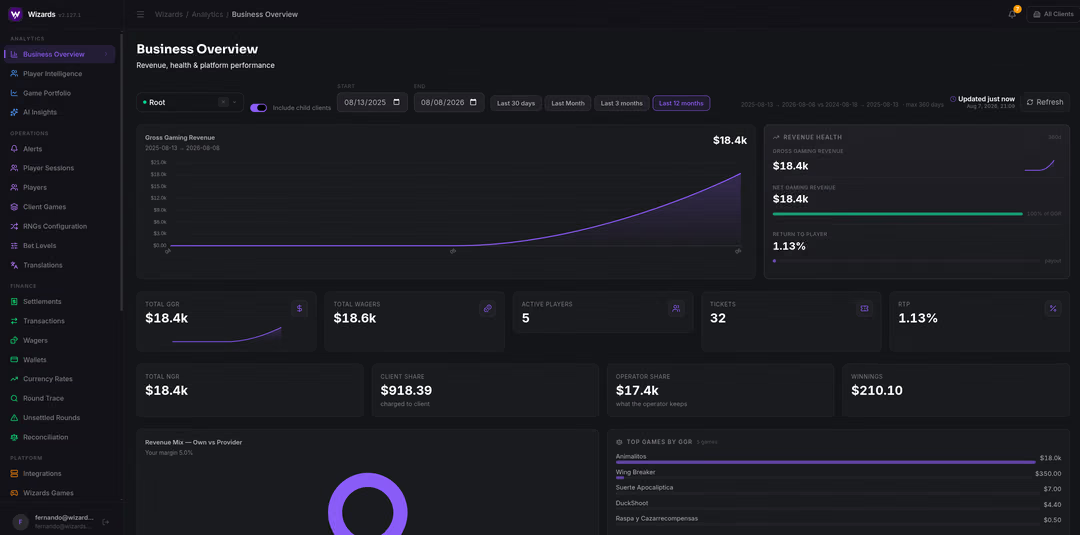
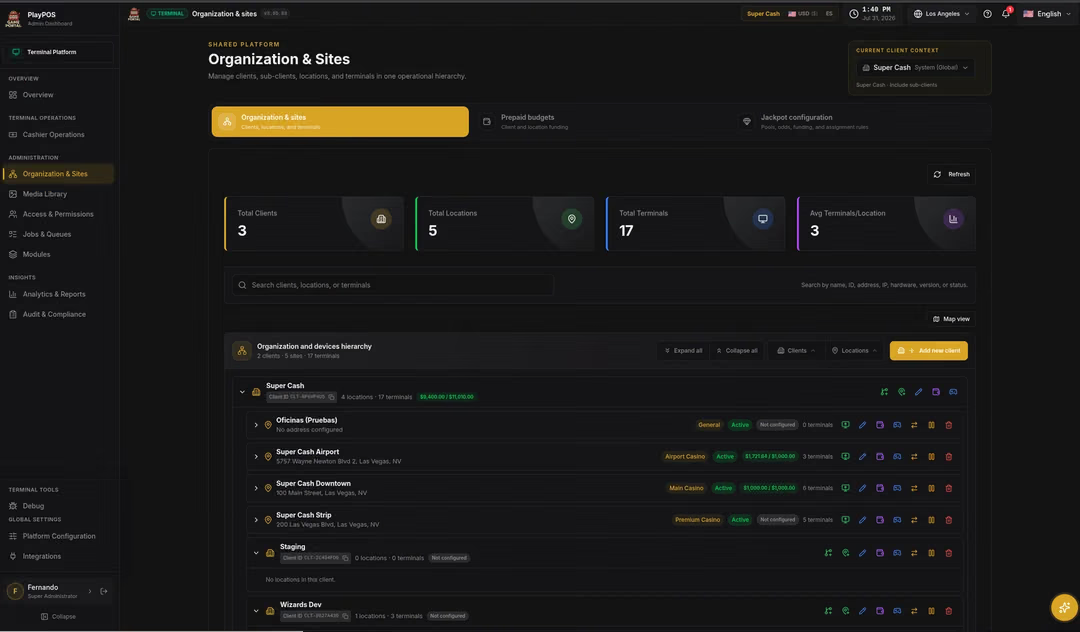













Slot machine payout percentage is the share of total wagers returned to players as winnings over a defined operational period. It differs from RTP: RTP is a fixed mathematical target built into the game engine; payout percentage is what your platform actually records month to month. For operators and product managers, closing the gap between those two numbers is where revenue management gets real.
Getting that alignment right starts with the math inside your titles. Working with a studio that builds slot machine math model transparency into every game gives you a reliable baseline for forecasting, compliance reporting, and long-term hold optimization.

Theoretical RTP vs. actual slot machine payout percentage
Theoretical Return to Player is a fixed value programmed into the random number generator and the game logic during development. It represents the expected long-run return across an infinite number of spins. For a B2B operator, this figure sets the ceiling for gross gaming revenue before accounting for operational costs and promotional spend.
The actual payout percentage is what your platform reports over a finite period. A game configured at 96% RTP might show a realized payout of 88% or 104% in any given month. The spread between theoretical RTP and 100% is the house edge — the fundamental margin operators depend on for sustainable revenue.
Understanding both figures together is what separates reactive operators from those who forecast with confidence. Theoretical RTP answers what the game is designed to do; payout percentage answers what it actually did in your market during a specific window.
Why realized payouts fluctuate from theoretical targets
Realized payouts rarely match theoretical targets in the short term. The Law of Large Numbers dictates that actual results only converge with the RTP model after millions of game rounds. Operators launching new titles or managing smaller player bases must build this deviation into their financial models from day one.
Volatility determines how wide those deviations run. High-variance games deliver large but infrequent jackpots, which can push monthly payout percentages well above the theoretical target. Low-volatility titles produce steadier, more predictable hold margins — useful for anchoring portfolio performance when a high-variance title runs hot.
Hit frequency adds a behavioral layer that operators often underweight. A game with frequent small wins may feel more generous to players even if its mathematical return is lower than a high-volatility alternative. Product managers who track these perceptions against session length and daily active users are better positioned to keep engagement stable without sacrificing hold.
Operational impact of monitoring payout variance
Monitoring payout variance lets your team distinguish between normal statistical swings and genuine anomalies. Enterprise platforms use Actual vs. Theoretical (AvT) reports to compare live performance against certified math models in real time. A game that consistently deviates beyond acceptable thresholds — across a statistically significant sample — warrants a technical review before the issue compounds.
Defining those thresholds requires knowing each game’s volatility profile. Operators typically monitor three indicators:
- Confidence Intervals: the statistical range where realized payout should fall given the total spins completed.
- Threshold Alerts: automated triggers when a game deviates beyond a set percentage of its theoretical return over a defined period.
- Player Behavior Audits: investigations into whether specific user segments are exploiting game mechanics in ways that shift the realized payout.
Technical transparency at this level protects revenue and builds the kind of platform reputation that reduces churn. When operators can demonstrate that games perform within certified parameters, player trust strengthens — and retention follows.
Regulatory compliance and RNG certification requirements
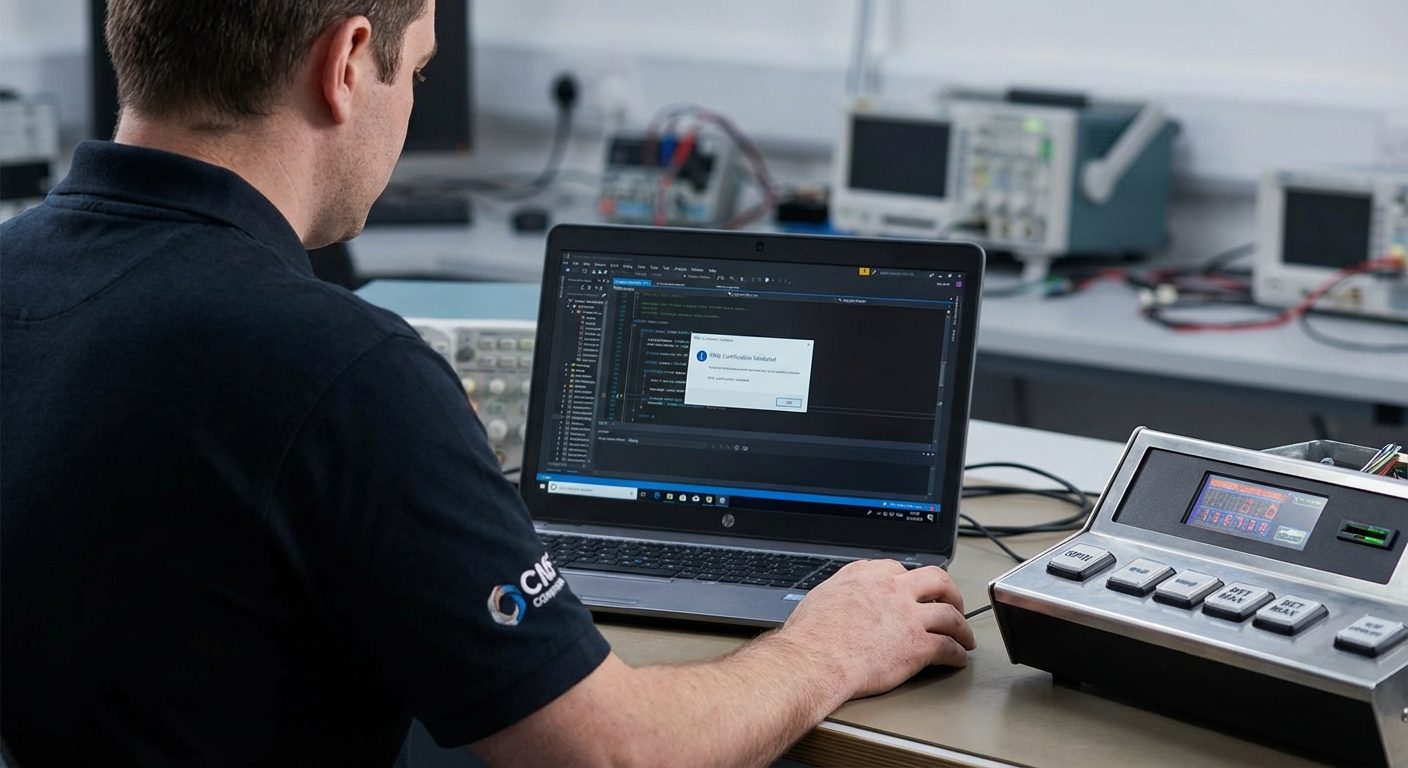
Regulated markets require third-party validation from accredited laboratories before a game can go live. Organizations such as GLI, BMM Testlabs, and iTech Labs audit the RNG and underlying math code to certify that titles operate as documented. Without current RNG certification, operators cannot legally offer games in most major jurisdictions or access reliable payment processing.
Beyond the initial audit, regulators require ongoing compliance: theoretical RTP must be disclosed to players within the game interface, and any software update that touches the payout structure must be documented and re-certified. Understanding how slot machines are programmed at the RNG level is foundational to managing these audit trails efficiently.
Certification requirements vary by jurisdiction, and a certificate issued in one market does not automatically satisfy another (as of mid-2026, under current MGA, UKGC, and Curacao frameworks). Teams that document each version of a game’s math model — and track which certificate applies to which market — avoid the compliance gaps that trigger fines or license risk.

How to optimize your game portfolio based on payout metrics
Portfolio optimization is a balancing act between immediate house hold and long-term player lifetime value. High-margin games may boost short-term revenue, but if the payout frequency is too low to sustain engagement, churn accelerates. Operators who mix high-volatility titles with high-RTP player favorites tend to build more resilient portfolios that perform across different player segments.
The most durable approach evaluates LTV rather than immediate hold. A game at 97% RTP that drives consistent session volume and repeat play can outperform a high-hold title that players abandon after a single session. Partnering with a specialized slot game development company that publishes transparent math documentation makes this kind of data-driven selection straightforward.
Mastering the balance between house hold and player trust
Sustainable profitability in iGaming depends on treating payout metrics as a risk management tool, not just a revenue line. Operators who track both theoretical and realized payouts systematically are better positioned to detect anomalies early, optimize by player segment, and demonstrate regulatory integrity under audit.
A disciplined monitoring framework — combining AvT reporting, threshold alerts, and periodic RNG audits — keeps the house edge functioning as a reliable revenue stream rather than a source of technical or compliance risk. The platforms that win long-term are those where math transparency and operational control reinforce each other at every layer.
If you’re evaluating how your current slot portfolio’s payout configuration stacks up against certified standards, we can help. Our team works with operators and developers to align math models, certification documentation, and platform monitoring — so your realized hold stays close to your theoretical targets over time.
FAQs about slot machine payout percentage and RTP metrics
How long does it typically take for realized returns to align with the theoretical model?
Alignment between the actual payout percentage and the theoretical RTP depends on game volatility and total betting volume. For a high-variance title, it may require several million spins — often spanning months of operation — to stabilize within a 1% margin of the math model. Operators should build these standard deviations into their financial forecasts rather than making premature adjustments based on weekly data. Temporary dips in hold are statistically expected and do not necessarily signal a configuration issue.
What are the common technical indicators of a payout discrepancy that requires an immediate audit?
Beyond normal variance, operators should flag AvT deviations that fall outside the 95% confidence interval over a statistically meaningful sample. Red flags include sudden shifts in hit frequency without corresponding changes in player volume, or a consistent failure to trigger bonus rounds at the expected rate. These patterns may indicate an integration error, a database synchronization issue, or attempted exploitation of game logic. If the discrepancy persists after verifying the RNG seed, a formal technical audit is necessary.
How does game volatility influence the operational risk of a new casino platform?
Volatility directly affects short-term realized returns and can strain the cash flow of smaller or newer operators. A portfolio weighted heavily toward high-variance games may experience extended periods where the realized payout percentage exceeds the theoretical RTP, resulting in a temporary negative hold. Balancing those titles with low-volatility games that produce more predictable margins helps maintain the operational capital needed to absorb large jackpot payouts while still hitting monthly revenue targets.
Why might different jurisdictions show varying payout percentages for the same slot title?
Variance across markets often comes from differences in player behavior, average bet sizes, and locally mandated minimum payout thresholds. While the core RNG and math model remain consistent, a jurisdiction with a smaller player base will naturally show more month-to-month variance. Some regulators also require market-specific RTP versions of the same game. Operators should verify which local configuration is active and track it separately to avoid reporting errors during compliance audits.
What is the most common mistake when evaluating the performance of a high-RTP game?
The most frequent error is equating a high theoretical return with low profitability. A game at 97% RTP can outperform one at 94% if it generates significantly higher engagement and total coin-in over time. Evaluating performance through LTV rather than immediate hold gives a more accurate picture of which titles actually drive platform revenue. High-RTP games that retain players consistently often build a more stable revenue foundation than high-hold titles that accelerate churn.
What is the difference between theoretical RTP and actual payout percentage?
Theoretical Return to Player is a fixed value programmed into the random number generator and the game logic during development. It represents the expected long-run return across an infinite number of spins, and it sets the ceiling for gross gaming revenue before operational cost and promotional spend. The actual payout percentage is what your platform reports over a finite period, and it can land well above or well below that figure in any given month. Theoretical RTP answers what the game is designed to do; payout percentage answers what it actually did in your market during a specific window. Closing the distance between the two is where revenue management stops being theoretical.