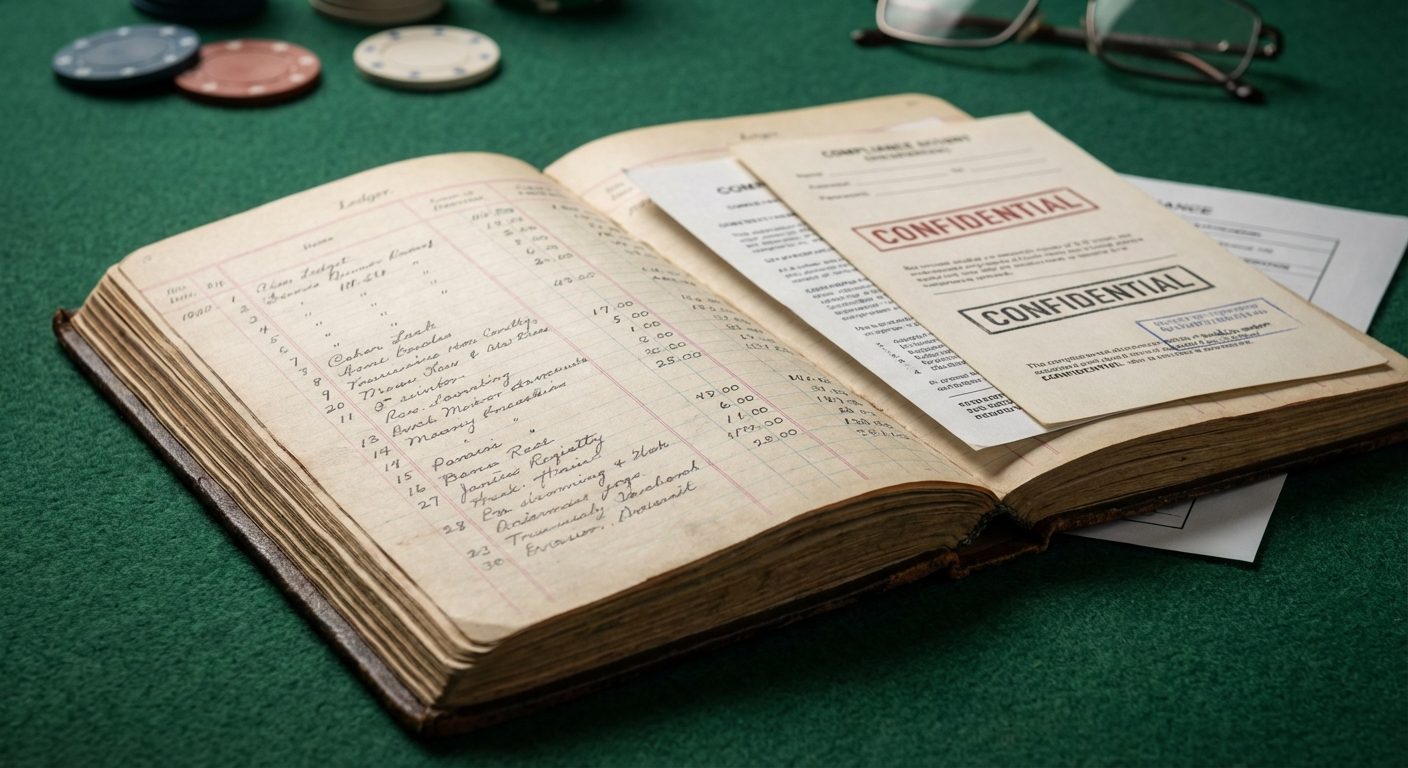


















A slot machine PAR sheet isn’t the par sheet your bar manager keeps for liquor inventory. In regulated iGaming, knowing what a slot machine PAR sheet is matters because it’s the mathematical blueprint that governs a title’s math before it reaches a casino floor.
We use this Probability Accounting Report, sometimes just called a PAR sheet, to evaluate house edge and long-term profitability before a game launches. It documents every probability a lab will test, so your team sees the math behind the game, not just the marketing.
Why a slot machine PAR sheet is the mathematical DNA of every title
While your players see high-definition graphics and engaging animations, the backend runs entirely on the technical parameters defined in the slot machine PAR sheet. This document separates the front-end experience from the slot machine math that determines outcomes. It’s the primary technical record you need to verify how a game generates its theoretical return over millions of spins.

Regulators and testing labs treat this report as one of the most authoritative technical records for the game. Understanding what a slot machine PAR sheet is lets you move beyond marketing claims and inspect the actual symbol distribution and cycle lengths. Without that transparency, certifying a game for a regulated market becomes practically impossible, because there’s no mathematical proof of fairness or RNG consistency.
Every slot title heading into certification needs this document to ensure operational clarity. It bridges the gap between creative design and financial reality, giving compliance officers a standardized format to audit. For your business, this report is the difference between a high-performing asset and a regulatory liability that could jeopardize a gaming license.
Core components of a professional PAR report
A slot machine PAR sheet is never just a single summary figure. It’s an aggregation of the critical variables that define how the game behaves, and you need to see how each component interacts to shape the player experience and house margin. A missing or poorly defined component usually signals a lack of technical maturity in development.
- Reel Strip Configurations: These maps detail symbol placement on every reel to ensure specific outcomes match the intended mathematical probability of the game.
- Paytable Distributions: This section links every possible winning combination to its specific payout multiplier, accounting for the total number of combinations.
- Volatility and Standard Deviation: These metrics determine the frequency and size of payouts, helping operators manage short-term financial risks and bankroll requirements.
- Theoretical RTP Calculation: This is the calculated return percentage derived from the total possible outcomes, forming the core of the house edge.
Once you understand these variables, you can predict how a game will perform during peak traffic. Comparing hit frequency against standard deviation tells you whether a title suits casual players or high-rollers, and it’s how we help operators set a realistic slot payout percentage for each portfolio segment.
PAR sheet vs RTP sheet vs paytable explained
Forum threads often treat a PAR sheet, an RTP sheet, and a paytable as the same document, and that confusion causes real friction during procurement. Each one answers a different question, and you need all three before you can sign off on a title.
- PAR sheet: the full mathematical blueprint, covering reel strips, hit frequency, volatility, and the calculations behind the RTP.
- RTP sheet: a summary of the theoretical return percentage alone, often just one line pulled from the PAR sheet.
- Paytable: the player-facing table of winning combinations and payouts, with no underlying probability data.
When a provider hands you only a paytable or a one-line RTP figure, ask for the full PAR sheet. It’s the only document that lets your compliance team verify the math a lab will actually test.
The role of a slot machine PAR sheet in game certification
Beyond design and math modeling, a slot machine PAR sheet is the bridge to legal operation in regulated markets. Certification labs use it as ground truth when they test your game code, running millions of simulations to confirm the software matches the mathematical proofs in the report and passes RNG certification.
Testing labs require this mathematical proof before they issue a certificate of compliance, and the report sets the statistical distribution the RNG must follow to stay fair. We align our PAR documentation with GLI-19 standards from the start, which avoids the back-and-forth that delays time-to-market.
A gap between the PAR data and live gameplay can bring serious consequences, including license revocation or heavy fines. You need to confirm the game version running on your servers is the exact one certified against the report. That match is what protects your business from technical errors that lead to unfair play or financial loss.

Why operators must audit math models before launch
Certification ensures fairness, but a slot machine PAR sheet also shapes your bottom line through how the house edge is set. You need to audit these models to forecast long-term profitability and confirm the game fits your business goals, because an improperly balanced math model can carry a theoretical RTP too high to sustain.
Reading volatility in the PAR sheet lets your CTO manage bankroll requirements and anticipate player retention patterns. High-volatility titles need larger capital reserves for potential winning streaks, while low-volatility games favor steady engagement. Weighing these metrics helps you pick titles that match your risk appetite and financial strategy.
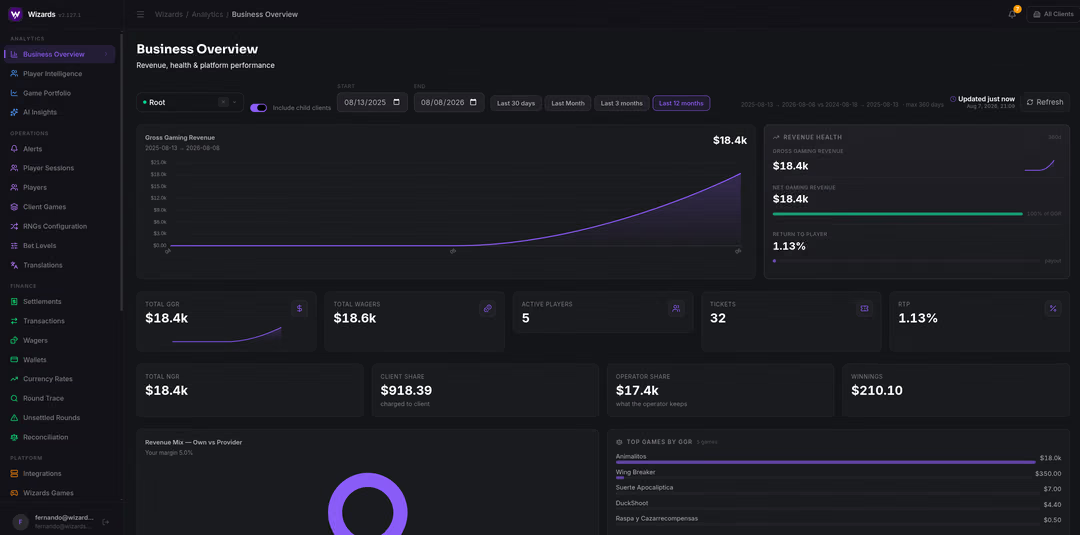
Spotting unbalanced games is another reason a pre-launch audit matters. A game can show erratic revenue swings that don’t match its theoretical volatility, which usually points to a flaw in the symbol distribution. We use PAR data to flag these anomalies early, before they hit your monthly Gross Gaming Revenue targets.

Verifying math transparency with your development partner
Open communication with your development team about math documentation keeps operational standards high. Don’t settle for a final RTP percentage alone, ask for the full Probability Accounting Report. That level of transparency confirms your developer follows industry best practices and delivers a reliable product.
Ask specific questions about math model verification and whether it’s been stress-tested for different jurisdictions. Check whether the math scales, and whether your provider can adjust parameters without breaking the underlying slot machine programming. A flexible, well-documented math model makes it easier to enter new regulated markets with varying requirements.
Full documentation future-proofs your platform against regulatory changes. As markets evolve, your compliance lead may need to show updated proof of math integrity to local authorities, and a detailed PAR sheet on file makes that process faster and lowers the risk of downtime during audits.
What to ask your provider before you sign off
Before you approve a title for certification, put these questions to your provider. A clear answer to each one tells you whether the math behind the game is solid enough to launch.
- Can you share the full slot machine PAR sheet, not just a summary RTP figure?
- Which lab tested the math, and under what standard?
- Has the model been stress-tested for the jurisdictions where I plan to launch?
- What happens to certification if I change the paytable or a bonus trigger later?
A provider who answers these without hesitation has nothing to hide in the math. One who can only offer a paytable or a headline RTP number probably hasn’t documented the game to a certifiable standard yet.
Using PAR data as a strategic asset for casino operations
A slot machine PAR sheet is more than a compliance requirement. It’s a strategic tool for lobby optimization. We help operators use this data to build a more balanced portfolio across player behaviors and risk profiles, which drives higher player lifetime value and steadier revenue growth.
When you prioritize math integrity at every stage of development, you gain the confidence to scale into competitive, tightly regulated markets. High-quality PAR data turns compliance hurdles into strategic advantages that under-resourced competitors struggle to replicate.
In a market where trust is the most valuable currency, technical rigor is the surest path to long-term success. If you’re building or evaluating slot titles for regulated markets and need a partner to handle the math documentation and certification process end to end, our slot game development studio is ready to walk you through every requirement.
FAQs about slot machine PAR sheets and certification
What are the common red flags to look for when reviewing a technical math model?
Operators should look for inconsistencies between hit frequency and volatility metrics. If a developer provides a Return to Player percentage without a detailed symbol distribution or cycle length, it suggests a lack of technical depth. Pay close attention to the standard deviation; an unusually low value for a high-volatility game might indicate an unbalanced math model that could lead to erratic revenue swings or player dissatisfaction during long sessions, ultimately affecting your long-term retention and house margin.
Which supporting documents are typically required alongside a PAR sheet for a full audit?
While the Probability Accounting Report is central, auditors typically require the source code for the Random Number Generator and a comprehensive mapping of reel symbols to physical stops. Certification labs also look for a detailed paytable and documentation explaining how bonus triggers interact with the base game math. Having these materials ready ensures a smoother verification process with agencies like GLI or BMM, reducing your time-to-market for new titles and ensuring full transparency with regulatory bodies.
Why do some slot titles offer multiple RTP configurations within the same blueprint?
Many developers design games with multiple Return to Player tiers to help operators adapt to different tax regimes or competitive landscapes. The mathematical blueprint remains consistent in terms of core game mechanics, but the symbol weighting or paytable values are adjusted. Operators must verify that each version has its own distinct PAR data and corresponding laboratory certification to ensure that switching between settings does not compromise the game’s legal standing or the technical integrity of the software.
What is the operational impact if live game performance deviates from the theoretical PAR data?
Minor short-term fluctuations are expected due to volatility, but sustained deviations often indicate a software bug or an uncertified math modification. Operators should monitor the actual-to-theoretical ratio closely through their business intelligence tools. If the gap persists over a significant sample size of millions of spins, it may trigger an internal audit or a mandatory report to regulators. Protecting the house edge requires proactive observation of these metrics to prevent significant financial exposure or potential license risks.
When does a certified slot game require a math model update or re-certification?
Any change that impacts the probability of a win or the payout structure requires a new technical review. This includes modifying reel strips, changing the frequency of bonus features, or adjusting the theoretical return percentage for a specific market. Minor visual updates or interface changes usually do not require a new Probability Accounting Report, but any tweak to the underlying logic necessitates re-certification to maintain compliance. Staying ahead of these requirements prevents operational downtime during platform upgrades.
What is the difference between a PAR sheet, an RTP sheet and a paytable?
A PAR sheet is the full mathematical blueprint, covering reel strips, hit frequency, volatility and the calculations behind the RTP. An RTP sheet is a summary of the theoretical return percentage alone, often just one line pulled from the PAR sheet. A paytable is the player-facing table of winning combinations and payouts, with no underlying probability data. Procurement threads treat the three as interchangeable and they are not: only the PAR sheet lets your compliance team verify the math a lab will actually test, which is why a provider offering a paytable or a headline RTP figure should be asked for the full report.