



















The iGaming sector is going through a structural change on the scale of the original move from physical machines to digital interfaces, and its direction is the opposite of the last one. For decades the industry ran a centralised black box in which participants had to place implicit trust in private servers and proprietary algorithms. What is replacing it is a framework where technical transparency is the condition of market entry, pushed hardest by the European Union’s Markets in Crypto-Assets regulation.
What moving game logic on-chain actually changes
The distinction from the hybrid era is that the game logic moved, not just the money. In the earlier arrangement digital assets were a payment layer and the game itself stayed opaque; the market leaders described here have moved their entire Random Number Generation and payout execution onto audited smart contracts. Every spin and every card dealt is recorded publicly on the ledger, which removes the possibility of centralised manipulation rather than promising it away.
Why this became affordable
Layer-2 scaling is the reason this is economics rather than idealism. Networks such as Base and Arbitrum have reduced gas fees to near-zero, and technical documentation now treats recording individual game actions on-chain as a cost-effective strategy for a large operator. Without that, transparency at this granularity would have stayed a demo: the volume a global user base generates would have priced it out.
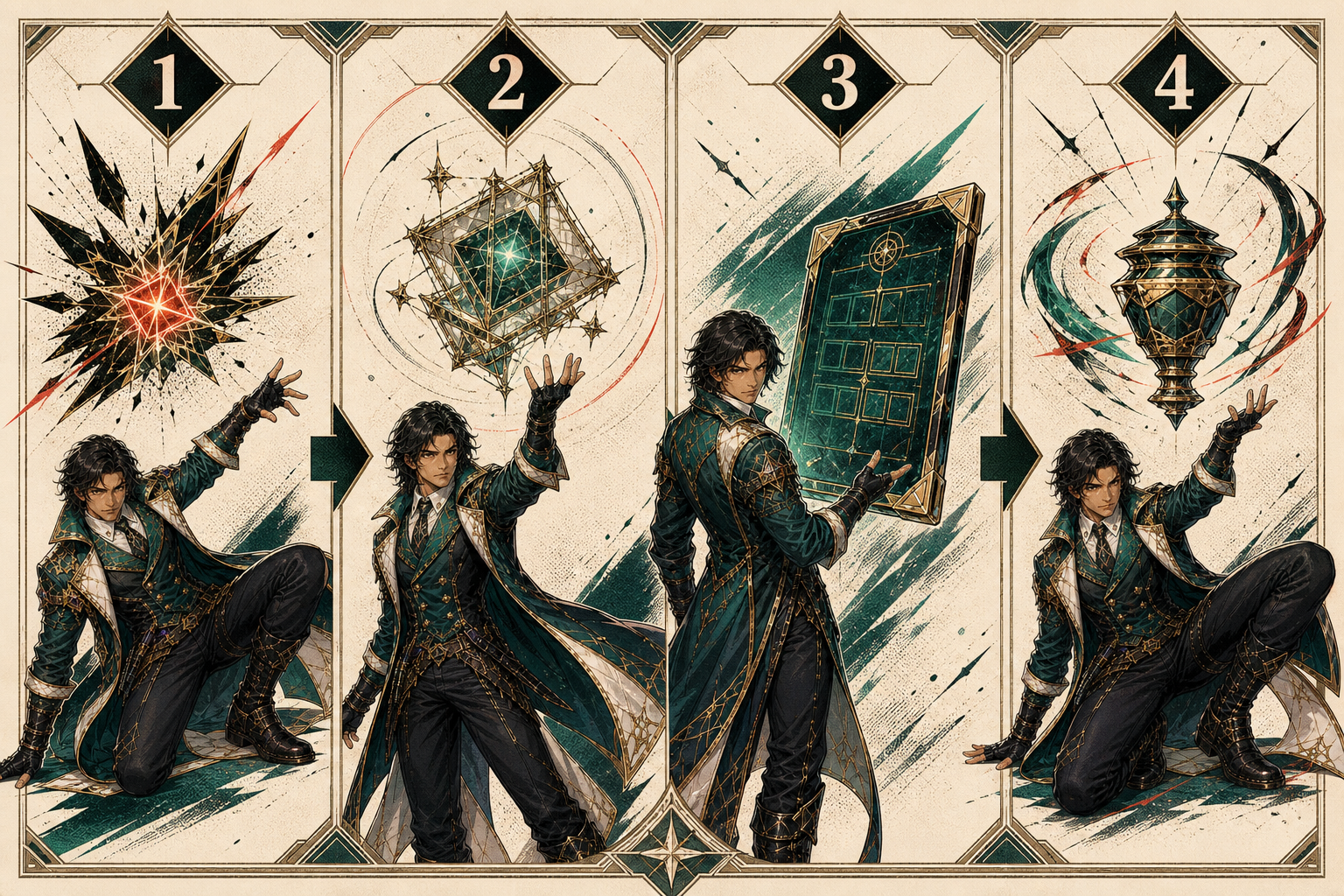
- Game event
- Audited contract decision
- Public execution record
- Released settlement
ZK-KYC, and compliance that does not collect documents
Zero-Knowledge Know Your Customer protocols let a player prove age and residency without uploading sensitive documents to a central database. The player keeps control of their data and the operator still discharges its obligation, which resolves a tension that used to be treated as a trade-off. The security gain is separate from the privacy one: an operator that never held the documents cannot lose them in a breach.
Institutional custody, and the capital that followed it
Firms such as Fireblocks have built security infrastructure that bridges unregulated digital wallets and the requirements of global banking, so an operator can manage large digital asset balances with the oversight a traditional financial institution would expect. That is what made the sector investable for institutions, and it is credited here with the influx of capital arriving from venture funds and traditional finance.
Instant withdrawal, and why it is the change players notice
Under the old model a withdrawal request waited 48 hours or longer for a human compliance team. Under a smart contract framework the payout is triggered the moment the winning event is recorded on the blockchain, with the contract acting as an impartial escrow executing pre-defined logic. Nothing else in this transition is as visible to the person playing, and nothing else changes the competitive position of an operator as quickly.
Oracles, public verification and the end of the private audit
The collaboration between Chainlink and major content providers including Pragmatic Play lets a player verify a game outcome through a public block explorer. Decentralised oracle networks are what allow an operator to demonstrate that its RNG source is unbiased and tamper-proof. The shift from a private audit to public scrutiny changes who holds the developer accountable: it becomes any individual player who chooses to look, rather than a laboratory once a year.
Open standards and what they do for small studios
As developers adopt open-source standards for game logic, interoperability between platforms and blockchains improves, so assets and achievements can be recognised across ecosystems rather than trapped in one. The effect the whitepapers emphasise is on the supply side: a small studio that does not have to build secure infrastructure from scratch can spend its budget on the game. If that holds, the market diversifies rather than consolidating around whoever can afford the platform.
Malta asks for the repository
The Malta Gaming Authority has shifted from purely financial audits to technical certification, and now requires operators to submit their GitHub repositories for code audits. Reviewing the smart contract source directly is how a regulator establishes that game logic is fair and that no hidden vulnerability is present — a different discipline from checking accounts, and a signal that technical transparency is being treated as the consumer protection tool.
Curacao closes the shell-company loophole
Curaçao is imposing stricter residency and substance requirements, demanding a physical presence and local substance from licensees in order to shed its shell-company reputation. The loophole that let loosely regulated crypto casinos operate with minimal oversight closes with it. Taken together with Malta’s move, it means the offshore-versus-regulated distinction is being replaced by a technical one that does not care where the corporate headquarters sits.
What the market did about it
Provably fair gaming has gone from a niche requirement to a baseline expectation, and the data cited here suggests platforms running on-chain logic see higher retention because of the trust that comes with it. The second-order effect is commercial: cutting the administrative overhead of manual withdrawals and disputes frees margin an operator can spend on better odds. That cycle of efficiency and trust is consolidating the market against platforms that cannot match it.
Governance tokens, and players voting on the platform
Some smart-contract casinos have issued governance tokens that let the community vote on platform upgrades, fee structures and which titles to add. It is early, and it is stated here as early rather than established. What it represents is a departure from the corporate structure the industry has always used, and an attempt to give a user base a stake in the operator’s long-term direction rather than only in a single session.
The risk nobody should skip past
A single bug in a smart contract can lose millions in player funds, and there is no cashier to stop it. That is why specialised blockchain security firms providing continuous monitoring and bug-bounty programmes have become critical rather than optional, and why moving on-chain effectively turns an iGaming operator into a fintech company. The software development and cybersecurity discipline this demands is the financial services standard, not the gaming one — and it is the part of the transition that is easiest to underestimate. Our report on zero-knowledge proofs and Layer-2 infrastructure goes further into the certification side of it.
Where this ends up
As more jurisdictions adopt MiCA-like frameworks, smart contracts are likely to become the standard for every licensed operator, because zero-knowledge proofs and Layer-2 scaling have removed the two objections — privacy and cost — that used to justify the centralised model. The endpoint is permanent transparency, where the fairness of a game is a mathematical property rather than a matter of faith. That is a licensing question as much as a technical one, and our work on certification and compliance sits at that join — talk to us if you are on the wrong side of it.
Frequently asked questions
What does it mean to move game logic on-chain?
It means the Random Number Generation and the payout execution run as audited smart contracts on a public blockchain rather than on the operator’s private servers. Every spin and every card dealt is recorded on the ledger, so centralised manipulation stops being something a player has to take on trust and starts being something the code rules out.
Why did on-chain gaming only become affordable recently?
Layer-2 networks such as Base and Arbitrum cut gas fees to near-zero, which is what makes recording individual game actions on-chain cost-effective at scale. Before that, the per-action cost on primary blockchains made high-frequency play uneconomic no matter how good the transparency argument was.
What is ZK-KYC and what problem does it solve?
Zero-Knowledge Know Your Customer protocols let a player prove their age and residency with a cryptographic proof instead of uploading identity documents to a central database. The operator meets its compliance obligation, the player keeps control of their data, and the breach risk that comes with holding a document store disappears.
How do instant withdrawals work under a smart contract framework?
The smart contract acts as an impartial escrow and releases the payout the moment a winning event is recorded on the blockchain, with no human compliance team in the loop. That replaces the 48-hour or longer waiting period players faced in the traditional model, and it is the change most visible to the person playing.
What has the Malta Gaming Authority changed about how it audits operators?
The Malta Gaming Authority has shifted from purely financial audits to technical certification, and now requires operators to submit their GitHub repositories for comprehensive code audits. Reviewing the smart contract source directly is how a regulator establishes that the game logic is fair and that no hidden vulnerability is sitting in it.
What are the main risks of running a casino fully on-chain?
Smart contract vulnerabilities are the primary one, because a single bug can cost players millions with no way to reverse it. That is why specialised blockchain security firms providing continuous monitoring and bug-bounty programmes have become essential, and why an on-chain operator has effectively become a fintech company with the software discipline that implies.