



















The global iGaming landscape has entered a transformative phase characterized by a decisive shift toward what industry experts define as Hybrid Decentralized Gaming Frameworks (HDGF). This architectural evolution represents a significant departure from the speculative and often unregulated nature of early crypto-centric gambling platforms. By blending high-speed, off-chain game engines with on-chain Zero-Knowledge (ZK) proofs for settlement and provable fairness, the industry is effectively moving toward a regulated, enterprise-grade blockchain ecosystem. This technological integration addresses long-standing concerns regarding transparency while maintaining the performance levels required for modern digital entertainment, signaling a new era for both operators and international regulatory bodies overseeing the digital wagering sector.
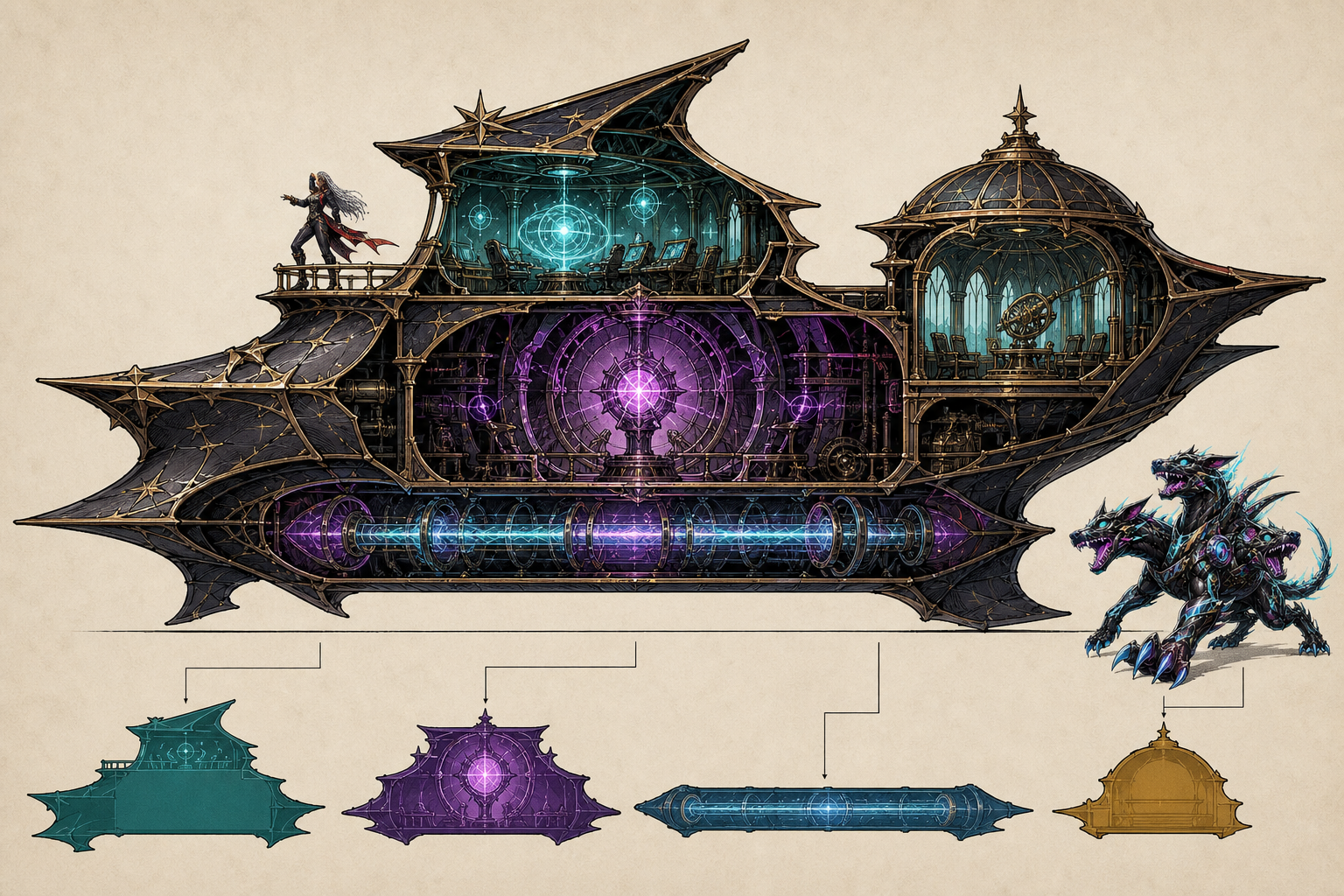
- Off-chain game engine
- Proof compressor
- Public settlement rail
- Read-only oversight observatory
What changed, in one paragraph
Before this current shift, the intersection of cryptocurrency and gambling was primarily associated with grey market activities and significant technical hurdles. Prior to the technological refinements seen in late 2025, crypto casinos faced persistent issues including high gas fees on Layer 1 blockchains and a general lack of transparency in proprietary Random Number Generators (RNG). These limitations often discouraged mainstream adoption and invited scrutiny from global financial watchdogs. However, the maturation of specialized blockchain solutions has allowed the industry to resolve these bottlenecks, providing a foundation for high-frequency gaming that can compete with traditional centralized servers in terms of speed and user experience fluidity.
Why regulation, not the market, drove the architecture
The widespread adoption of HDGF is largely attributed to the culmination of several years of intensive regulatory pressure. The full implementation of the EU’s MiCA (Markets in Crypto-Assets) regulation has established a rigorous legal framework that demands greater transparency from operators. Simultaneously, updates to the UKGC’s White Paper regarding Digital Asset Custody have mandated that casinos adopt on-chain auditing processes. These legal requirements have moved the industry away from “Black Box” operations, forcing a transition toward systems where every transaction and game outcome is recorded on a verifiable public ledger to ensure compliance and consumer protection.
How Layer 2 and AppChains made on-chain play fast enough
Advancements in Ethereum Layer 2 (L2) technology and the development of application-specific blockchains, or “AppChains,” have been instrumental in this transition. These solutions have successfully reduced transaction latency to sub-millisecond levels — a figure this article states without a source — making them, on that account, indistinguishable from traditional centralized architectures. Such performance is vital for complex game categories like Live Dealer studios and high-speed “Crash” games, which require immediate processing to maintain engagement. Consequently, Tier-1 B2B suppliers have begun integrating these blockchain-native settlement layers into their core API offerings, specifically targeting the burgeoning regulated crypto-betting markets located across Latin America and Southeast Asia where demand for transparency is rising.
What the B2B suppliers have actually shipped
In a major development for the sector, the aggregator SOFTSWISS announced the rollout of its Blockchain Infrastructure 2.0. This new system allows operators to switch seamlessly between five major Layer 2 networks, including Polygon, Arbitrum, Base, and two proprietary iGaming subnets. This “chain-agnostic” approach enables platforms to optimize for transaction speed and gas fees in real-time, providing a level of flexibility previously unavailable in the market. According to official statements from the company, this infrastructure is designed to bridge the gap between traditional gaming operations and the increasing technical requirements of modern, blockchain-reliant regulatory frameworks globally.
How a player checks a live dealer result
Major content providers are also pivoting toward blockchain-integrated gaming suites to meet player demands for verifiability. For instance, Pragmatic Play has officially launched a dedicated “ZK-Fairness” Live Casino studio. In this vertical, every game outcome—whether it be a card deal or a roulette spin—is hashed onto the blockchain in real-time. This allows players to use third-party explorers to verify the mathematical integrity of the results without experiencing any interruptions in gameplay. This move reflects a broader industry trend where trust is no longer based on the reputation of the operator alone but is instead anchored in cryptographic proof.
What the Malta sandbox settled about licensing
The Malta Gaming Authority (MGA) recently concluded its two-year Distributed Ledger Technology (DLT) Sandbox, marking a significant regulatory milestone. Following the completion of this testing phase, the authority issued the first permanent “Multi-Token Smart Contract” licenses to three prominent B2B platform providers. This initiative has effectively standardized the protocols for how crypto-native casinos report real-time Gross Gaming Revenue (GGR) for taxation and auditing purposes. By moving toward automated reporting via smart contracts, the MGA has set a precedent for other jurisdictions, demonstrating that blockchain technology can simplify the oversight of complex financial flows in the gambling industry.
How regulators audit a crypto casino now
Regulators in key markets, including the MGA and Brazil’s Secretariat of Prizes and Bets (SPA), are shifting from a traditionally prohibitive stance to an auditorial approach. Utilizing advanced “RegTech” tools, these bodies can now monitor smart contracts for suspicious betting patterns and potential money laundering (AML) in real-time. This transition is supported by the integration of the FATF “Travel Rule,” which requires the identity of both originators and beneficiaries for all digital asset transfers exceeding €1,000. These measures, combined with mandatory ISO/IEC 27001:2022 certifications for private key management, have brought crypto-betting in line with the security standards of traditional global banking institutions.
What verifiable randomness now costs
Furthermore, the deployment of Chainlink VRF v4 has significantly altered the economic landscape of on-chain gaming. This fourth-generation Verifiable Random Function is specifically optimized for high-volume slot machines, reducing the cost of generating on-chain randomness by approximately 70% — a figure carried here without an independent source. This cost reduction is a critical development for operators, as it makes “penny slots” and other low-stakes games economically viable on the blockchain for the first time. As a result, the barrier to entry for decentralized gaming has lowered, allowing for a wider variety of content to be hosted on-chain while maintaining the rigorous standards of provable fairness required by modern regulators.
How the market and the players reacted
The industry reaction to these technological and regulatory shifts has been notably positive within the financial markets. Publicly traded B2B providers with robust blockchain pipelines, such as Evolution AB and Playtech, have seen a steady uptick in share prices following the standardization of crypto-licensing protocols. Industry media outlets report that these developments are effectively pricing out unregulated “white label” operators, leading to a cleaner, more consolidated market. Simultaneously, there is a documented migration of high-roller players toward “On-Chain VIP” programs. These participants are increasingly favoring platforms where cashback rewards and loyalty incentives are governed by transparent, automated smart contracts rather than manual intervention.
What the on-chain games themselves look like
Product innovation is keeping pace with these infrastructure changes, as evidenced by the trending game titles of the current year. Multiplayer games like “Quantum Crash ZK” utilize Layer 2 scaling to support tens of thousands of simultaneous participants with instant payouts. Other innovations include “Nexus Roulette,” where physical sensor data is written directly to the blockchain to verify outcomes, and “DAO-Slots,” which allow community token holders to vote on volatility parameters within regulated boundaries. This new generation of content emphasizes interactive transparency and peer-to-peer mechanics, such as decentralized poker utilizing “Mental Poker” cryptography, which ensures the house remains unable to access or manipulate the deck.
What this means for operators next
The shift toward Hybrid Decentralized Gaming Frameworks represents a permanent maturation of the iGaming sector. By successfully integrating the speed of centralized systems with the transparency of blockchain protocols, the industry has addressed the core trust issues that previously limited the growth of digital asset wagering. The conclusion of regulatory sandboxes and the enforcement of MiCA standards provide a clear roadmap for future institutional investment and expansion. As on-chain auditing becomes the global standard, the divide between traditional and crypto-native gambling is expected to dissolve further, resulting in a unified, highly regulated, and technologically advanced global betting market. Our companion reports on MiCA Phase 2 and the Layer 2 evolution and on sovereign Layer 3 AppChains cover the neighbouring ground in more detail.
If you are planning a build against a hybrid settlement layer, talk to us about which part to prove first.
Frequently asked questions
What is a Hybrid Decentralized Gaming Framework?
A Hybrid Decentralized Gaming Framework blends high-speed, off-chain game engines with on-chain Zero-Knowledge proofs for settlement and provable fairness. The engine keeps the performance a modern game needs; the chain carries the record a regulator or a player can check.
What problems did earlier crypto casinos have?
Before this shift, crypto gambling was associated mainly with grey market activity and with two technical obstacles: high gas fees on Layer 1 blockchains, and a general lack of transparency in proprietary Random Number Generators. Both discouraged mainstream adoption and invited scrutiny from financial watchdogs.
Why are regulators pushing casinos to record outcomes on chain?
The EU MiCA regulation established a legal framework demanding greater transparency from operators, and updates to the UKGC White Paper on Digital Asset Custody have mandated on-chain auditing processes. Together they move the industry away from black box operations toward a verifiable public ledger of transactions and outcomes.
How do Layer 2 networks and AppChains change live casino performance?
Ethereum Layer 2 technology and application-specific AppChains have cut transaction latency far enough that this report describes them as indistinguishable from traditional centralized architectures. That matters most for live dealer studios and high-speed crash games, which need immediate processing to hold a session together.
What did the Malta Gaming Authority sandbox change?
The MGA concluded its Distributed Ledger Technology sandbox and issued permanent Multi-Token Smart Contract licenses to B2B platform providers. The initiative standardised how crypto-native casinos report gross gaming revenue for taxation and auditing, moving that reporting toward smart contracts rather than filings.
How can a player verify a live casino result?
In a ZK-Fairness studio every outcome, whether a card deal or a roulette spin, is hashed onto the blockchain as it happens, so a player can use a third-party explorer to check the mathematical integrity of the result without interrupting play. Trust stops resting on the operator name and rests on the proof instead.