



















Crypto-native casinos are moving to “Regulated Hybrid” models, which means operating under legal oversight rather than around it. The technical basis is Decentralized Identity and Zero-Knowledge Proofs, which let a platform satisfy Anti-Money Laundering requirements without giving up the anonymity blockchain provides — and the practical consequence is that the split between offshore sites and fiat-regulated jurisdictions is closing.
What is driving operators into regulation
Two regulatory instruments account for most of the movement, and both attach to the money rather than the game. The final enforcement phase of the European Union’s Markets in Crypto-Assets regulation is the first. The second is the Financial Action Task Force Travel Rule for virtual assets, now enforced in over forty-five countries, which requires a crypto-casino to identify the sender and the recipient of any transfer above one thousand dollars.
What operators get for complying is access: institutional banking and stable financial ecosystems in Tier-1 jurisdictions across Europe and parts of Asia, which the offshore stigma had closed off.
How Layer-2 made on-chain game logic affordable
Moving the whole game onto the chain only became affordable when Layer-2 costs fell. Arbitrum and Polygon’s 2.0 ZK-EVM reduced transaction costs enough for high-frequency micro-betting and complex on-chain logic; before that, high gas fees on the Ethereum mainnet limited blockchain use to simple payment processing.
The result is “Provable Fairness 2.0”, in which every outcome is cryptographically verifiable by the player. Several Mediterranean regulators now treat it as a prerequisite for the crypto-integrated licences they issue.
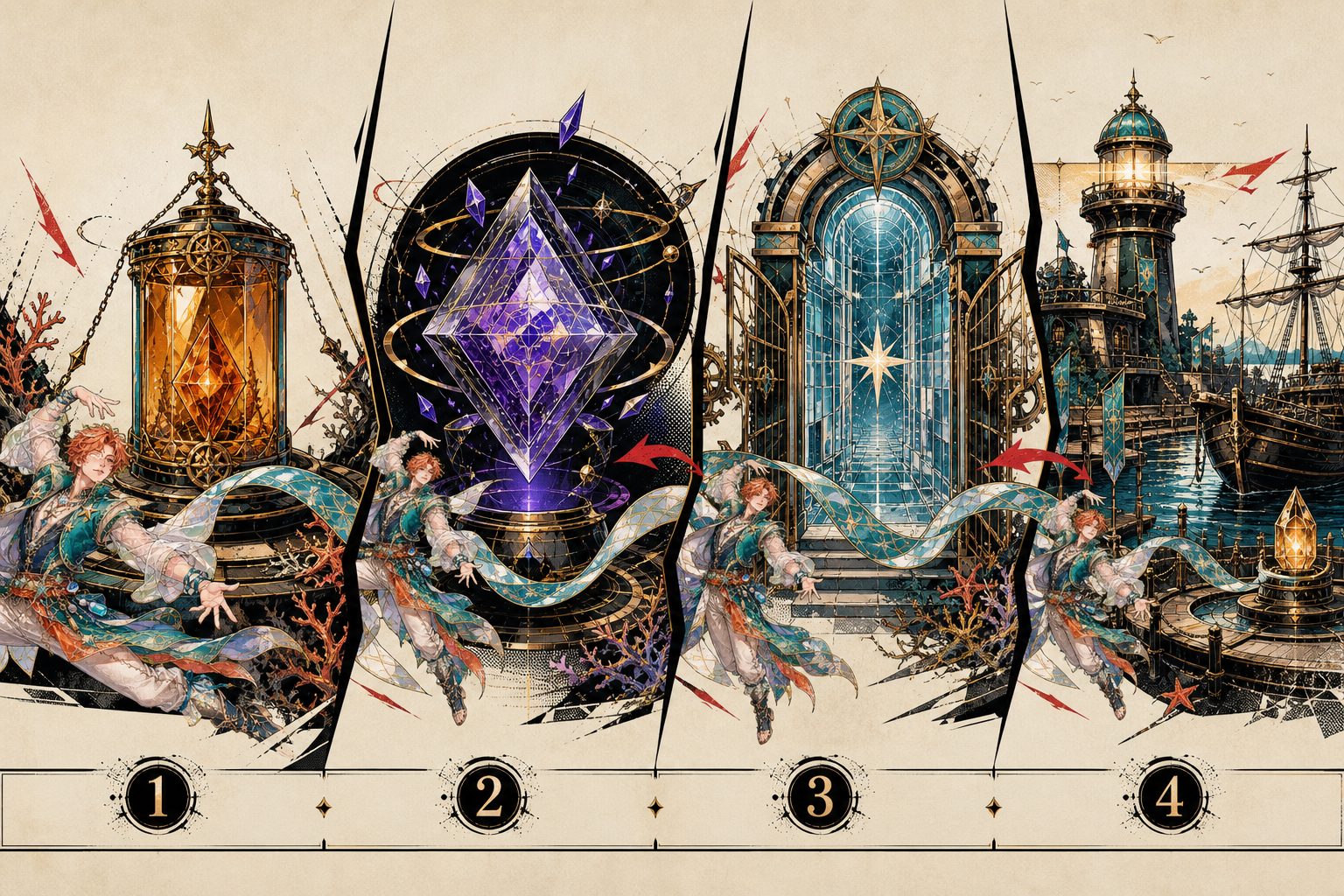
- Player-controlled identity
- Privacy-preserving proof
- Rule gateway
- Regulated settlement
The compliance gateways B2B suppliers now ship
SoftSwiss and EveryMatrix have rolled out compliance gateways that convert non-compliant tokens into stablecoins such as EURC or USDC at the point of deposit. The conversion is what guarantees every incoming fund meets the liquidity and stability requirements European regulators set under MiCA.
The same modules carry real-time tax reporting and automated anti-money-laundering triggers, which is how a traditional fiat platform can offer crypto services without building a compliance team for it.
The first certified Zero-Knowledge RNG
Chainlink Labs and Evolution Gaming have developed the first Zero-Knowledge Random Number Generator, certified by eCOGRA for live-dealer environments. It lets a player verify the integrity of a shuffle or a spin through a cryptographic proof without the house exposing its internal seeds.
For high-roller segments that want assurance rather than a certificate, that is a different kind of guarantee from anything a digital environment previously offered.
Where Curaçao’s LOK transition has reached
Ninety percent of Curaçao’s legacy Master Licence holders have moved to the LOK framework, on the Curaçao Gaming Control Board’s own report. The framework includes mandatory blockchain-based transaction monitoring for operators that prioritise cryptocurrency payments, and it is aimed at re-establishing the jurisdiction as a reputable hub rather than a convenient one.
Social liquidity games, and why players are staking the bankroll
Social Liquidity Games are a top-performing category because they let a player be the house rather than play against it. They use decentralised liquidity pools, and the model was popularised by Aether Vault from Spribe, in which participants stake their own tokens to fund the game’s bankroll for a share of the revenue.
Studios have followed the demographic. Hacksaw Gaming and Pragmatic Play are building “Crypto-First” mechanics — multiplayer crash titles and high-volatility token-drop games — for Gen-Z and Alpha players who are comfortable with digital assets and prefer faster, social, trading-adjacent play to a solo slot session.
Regulators auditing code rather than operators
The Malta Gaming Authority has formed a dedicated Smart Contract Auditor team to oversee the technical integrity of on-chain games. It is a move from monitoring human operators to monitoring the code that pays them, on the reasoning that traditional auditing cannot see a platform that runs entirely on a distributed ledger.
The UK Gambling Commission has signalled a 2026 White Paper update introducing a Digital Asset Sandbox, letting licensed operators test crypto-wagering under controlled oversight before full implementation. The Isle of Man Gambling Supervision Commission continues to be cited for its Token Staking for Casino Liquidity framework.
Where the large operators are relocating
Stake.com and BC.Game are moving significant parts of their infrastructure to licensed hubs in Europe and the United Arab Emirates. Dubai’s Virtual Assets Regulatory Authority has become a favoured destination because it provides a clear legal framework for crypto businesses, and a presence there is what unlocks global marketing partnerships and institutional investment that a lack of regulatory compliance had blocked.
The games leading on volume
“Mega-Crash ZK”, a joint venture between Spribe and Evolution, is a top performer by volume, and it earns that on a proof: it uses Zero-Knowledge proofs to demonstrate that the crash multiplier was not manipulated in response to the current pool of bets. “NFT Slots: The Forge” rewards bonus rounds with tradable utility NFTs carrying perks such as rakeback boosts or VIP access across a network of affiliated casinos.
What the analysts say, and what it is costing smaller operators
Elena Petrova, head of crypto-compliance at a major B2B provider, has said the era of the anonymous casino has concluded in the regulated sector — player data protected by Zero-Knowledge proofs, regulators given certainty about the source of funds. Marcus Sterling, a lead analyst at iGB, describes casinos as increasingly resembling decentralised protocols, with players participating in the platform’s financial health rather than only wagering against it.
An estimated $1.2 billion went into crypto-iGaming startups in the first quarter of the year, which is the figure quoted here and not one audited independently. The same institutionalisation has opened a compliance gap: smaller operators are struggling with the cost of smart contract audits and regulatory fees, and larger platforms are acquiring boutique studios as a result.
If you are working out what a Regulated Hybrid build actually has to satisfy, our certification and compliance practice is where that conversation starts — talk to us.
Frequently asked questions
What is a Regulated Hybrid model in crypto iGaming?
A Regulated Hybrid model is a crypto-native casino operating under strict legal oversight rather than outside it, using Decentralized Identity and Zero-Knowledge Proofs to satisfy anti-money-laundering requirements without giving up the anonymity blockchain provides.
How many countries enforce the FATF Travel Rule for crypto casinos?
The Travel Rule is enforced in over forty-five countries, and it requires a crypto-casino to identify both the sender and the recipient of any digital asset transfer exceeding one thousand dollars.
What is a ZK-RNG and who certified it?
A Zero-Knowledge Random Number Generator lets a player verify the integrity of a shuffle or a spin through a cryptographic proof without the house exposing its internal seeds. The first was developed by Chainlink Labs with Evolution Gaming and certified by eCOGRA for use in live-dealer environments.
How far has Curaçao’s LOK transition gone?
The Curaçao Gaming Control Board reports that ninety percent of its legacy Master Licence holders have transitioned to the LOK framework, which includes mandatory blockchain-based transaction monitoring for operators that prioritise cryptocurrency payments.
What is a Social Liquidity Game?
A Social Liquidity Game uses decentralised liquidity pools in which players can effectively act as the house. Aether Vault by Spribe popularised the model: participants stake their own tokens to fund the game’s bankroll in exchange for a share of the revenue.
Which regulators are creating specific frameworks for crypto wagering?
The Malta Gaming Authority has formed a dedicated Smart Contract Auditor team to audit on-chain game code. The UK Gambling Commission’s 2026 White Paper update introduces a Digital Asset Sandbox for licensed operators to test crypto-wagering under controlled oversight. The Isle of Man Gambling Supervision Commission is cited for its Token Staking for Casino Liquidity framework, and Dubai’s Virtual Assets Regulatory Authority has become a destination for operators relocating.