




















Zero-Knowledge rollups and Layer-2 Ethereum scaling have become the working standard for the digital gambling sector, and the effect is that a crypto-native casino now performs like a fiat one. Major B2B platform providers and tier-one operators have led the transition, neutralising high gas fees and network latency while offering a level of “Provably Fair” verification that high-frequency gaming could not previously support.
The sector used to be a niche experiment on the fringe of the industry, held there by three specific problems: transaction costs on the Ethereum mainnet, confirmation times too slow for live betting, and no regulatory oversight of decentralised algorithms. All three have been addressed by different means, and this piece sets out how.
What Layer-2 rollups changed for crypto casinos
Rollups let a casino bundle thousands of transactions into a single batch, verified on the main blockchain at a fraction of the original cost. That is the architectural change that removed the economic barrier to low-stakes crypto gambling for operator and retail player alike.
The current dominance of Layer-2 networks came out of the “Scaling Wars” of 2024 and 2025, in which protocols competed to provide the most efficient environment for microtransactions. Arbitrum, Optimism and Polygon’s zkEVM came out of it with the infrastructure required for sub-second bet resolution.
How MiCA brought traditional B2B suppliers into crypto
The European Union’s Markets in Crypto-Assets regulation gave iGaming operators a legal roadmap for holding and processing digital assets inside a standardised environment. By settling how tokens are classified and what service providers are responsible for, MiCA is what made the crypto-native space enterable for traditional B2B giants.
Evolution and Pragmatic Play have since launched dedicated divisions for Web3 integration, connecting directly with decentralised wallets rather than through traditional payment gateways. The estimate quoted for that saving is 15 to 20 percent of operational costs; it is an estimate rather than a published figure.
The infrastructure deals: Softswiss, Polygon and Stake.com
Two deals show what industry-specific infrastructure now looks like, and both replace general-purpose blockchain use with something built for betting traffic.
Softswiss has announced a strategic integration with a custom “Supernet” developed by Polygon, engineered for high-volume iGaming traffic. It enables over 600 brands on the Softswiss platform to offer near-instant payouts, and it supports gasless betting for players using major assets such as USDT and ETH.
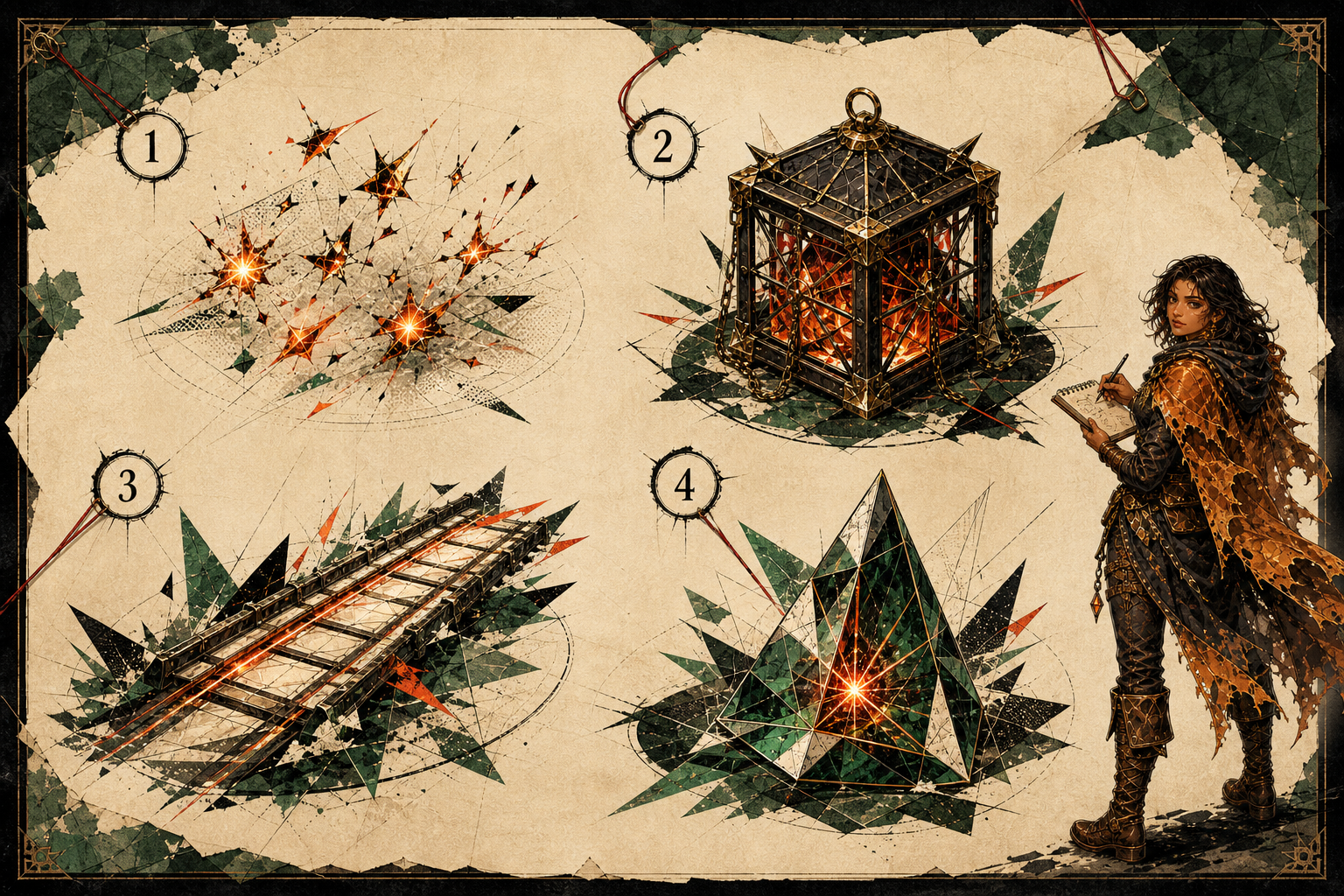
- Game actions
- Compressed proof bundle
- Layer-2 settlement rail
- Verification prism
Stake.com has completed the migration of its “Originals” suite to a proprietary Ethereum Layer-2 built on the OP Stack. The operator reports a 98 percent reduction in operational blockchain costs and capacity for 10,000 transactions per second — the operator’s own figures — which is what keeps crash games and rapid-fire slots synchronised across a global player base.
Zero-Knowledge certification, and what it replaces
BMM Testlabs has issued its first “Zero-Knowledge Integrity Certificate”, to the game studio CipherSlots. The certificate validates the use of ZK-proofs to verify game outcomes without revealing the underlying random number generator seeds to the public or to the operator, which protects player privacy and guarantees the results were not tampered with at the same time.
The expectation stated for it is that it becomes a prerequisite for licences in jurisdictions that prefer mathematical proof to a third-party audit. That is an expectation rather than a rule anyone has yet written.
What regulators have accepted
Three regulators have moved, and each accepted a different thing — code as a guarantee, direct licensing, and a consumer-protection rule for volatile assets.
The Malta Gaming Authority has expanded its “Innovative Technology Arrangement” guidelines to include smart-contract-based escrow, so player funds can be protected autonomously through audited code instead of a bank guarantee. For decentralised casino models that settle automatically, that is the mechanism by which they can reach institutional status.
The Curaçao Gaming Control Board has completed its transition from the legacy Master License system to the National Ordinance for Games of Chance. Every operator based there now has to meet anti-money laundering and know-your-customer standards that largely mirror the MGA’s, which has left grey-market operators to upgrade their compliance or leave.
In the United Kingdom, the UK Gambling Commission has entered the fourth phase of its White Paper implementation with a Technical Standards Update covering crypto-collateralised betting. It requires price-volatility buffers, so that a player cannot win a bet and lose value to a market movement during the session.
What B2B suppliers now carry for smaller operators
EveryMatrix and Hub88 have become infrastructure providers rather than content aggregators, and that is what lets an operator enter the crypto market without a blockchain team. They manage multi-currency wallets, Layer-2 integrations, node maintenance and wallet security on the operator’s behalf.
The same platforms make “Social-Fi” features possible, where a player’s betting history and achievements are recorded on-chain as tradable identities.
The games high-frequency settlement made possible
Three titles show what sub-second settlement allows that earlier blockchain versions did not. “Quantum Crash” by Spribe uses ZK-Rollups to hold over 5,000 simultaneous players in a single round without performance degradation, with instant cash-out directly to non-custodial wallets. Evolution’s “Chain-Link Roulette” uses decentralised oracles to generate winning numbers visible on-chain in real time, bridging live-dealer play and crypto-native mechanics. “Telegram-Quest: Sol-Bet”, a TON-based mini-app reported to have attracted two million active users, is the example of “Invisible iGaming” — the casino interface built into a messaging platform.
Where the betting volume has gone
Fewer crypto-casinos are operating and more money is going through them, which is what the analysts quoted here call a flight to quality. Total betting volume is up 40 percent year on year while the number of active crypto-casinos has fallen under the cost of MiCA and LOK compliance, and the growth is attributed to high-net-worth players moving from unregulated platforms to licensed, Layer-2-powered sites.
The asset mix has consolidated with it: 85 percent of betting volume is now in stablecoins such as USDC and USDT or in blue-chip assets like Bitcoin and Ethereum, which the piece reads as a cooling-off in meme-coin betting. Both figures are the analysts’ own and are not independently audited here.
What this means next
Layer-2 standardisation has resolved the scalability problem that held the crypto-casino sector back, and the regulatory frameworks have decided who gets to operate. As Zero-Knowledge technology replaces traditional audits and B2B suppliers carry blockchain rails as standard, the distinction between crypto and traditional iGaming is likely to disappear.
Industry figures have said as much publicly. At the iGaming NexGen conference, Ethereum co-founder Vitalik Buterin described ZK-proofs in gambling as one of the most logical uses of the technology outside finance, creating a mathematically verifiable trust layer in which the house edge is transparent but safe from manipulation. Softswiss’s leadership has said the company is no longer only an aggregator but a liquidity and scaling provider.
If you are building on this stack, our gambling software work is where that starts — talk to us about what your platform has to settle, and how fast.
Frequently asked questions
What is a Zero-Knowledge rollup in iGaming?
A rollup bundles thousands of bets into a single batch that is verified on the main blockchain at a fraction of the cost of settling each one individually, which is what makes sub-second bet resolution and low-stakes crypto gambling economically practical for both operator and player.
Which Layer-2 networks does regulated crypto iGaming run on?
Arbitrum, Optimism and Polygon’s zkEVM came out of the 2024-2025 scaling contest as the networks providing the environment for microtransactions. Softswiss has integrated a custom Supernet built by Polygon for high-volume iGaming traffic, and Stake.com has migrated its Originals suite to a proprietary Ethereum Layer-2 built on the OP Stack.
What is a Zero-Knowledge Integrity Certificate?
It is a certification issued by BMM Testlabs, first granted to the game studio CipherSlots, validating the use of ZK-proofs to verify game outcomes without revealing the underlying random number generator seeds to the public or to the operator.
Does the Malta Gaming Authority accept smart-contract escrow?
The Malta Gaming Authority has expanded its Innovative Technology Arrangement guidelines to formally include smart-contract-based escrow, so player funds can be protected autonomously through audited code as an alternative to a traditional bank guarantee.
What does the UK Gambling Commission require for crypto-collateralised betting?
Its Technical Standards Update, part of the fourth phase of the White Paper implementation, requires operators to implement price-volatility buffers so the value of a bet stays stable relative to the initial stake — preventing a player from winning a bet and losing value to a market movement mid-session.
How much crypto betting volume is in stablecoins?
85% of betting volume is now consolidated in stablecoins such as USDC and USDT or in blue-chip assets like Bitcoin and Ethereum, on the market-analyst figures quoted in this article, which also report total betting volume up 40% year on year. Neither figure is independently audited here.