
















A premium WooCommerce theme is one of the cheapest ways to make an e-commerce site on WordPress look and behave like a real shop. Here are nine reasons to consider one, and the point at which even a good theme runs out of road.
What WooCommerce is
WooCommerce is a WordPress e-commerce plugin that lets users create online stores and manage them simply and effectively. It comes with practical features including inventory and tax management and integrations for shipping and payment.
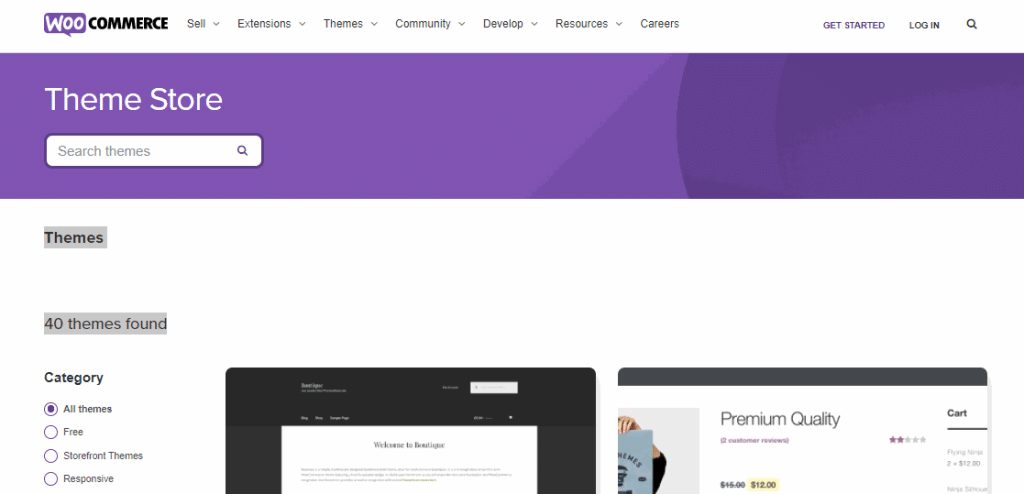
The plugin has a theme store, and that is where the choice below happens: designs organised by the kind of business they were built for.
Reason one: they stay modern
Premium WooCommerce themes are updated constantly, which means a store does not slowly drift out of date behind a platform that keeps moving. Every update is one fewer thing an owner has to notice and repair.
Reason two: built-in SEO
Most premium WooCommerce themes include SEO features meant to improve a store’s position in search results, with settings that configure the site rather than requiring it to be rebuilt.
Search optimisation is now a foundation of most businesses, and improving the quality and quantity of traffic to a site is slow work. That is why many owners hire specialists rather than expecting the theme to do it alone.
Reason three: ease of use
A premium theme is built so that setting up a shopping experience does not require attention to every small detail. Starting a WordPress site with one is straightforward, and the customisation options are broad enough to find a design and layout that fits.
Reason four: customisable without code
You do not need to be an expert to make a site distinctive. Premium themes are user-friendly enough that building a page from scratch takes no coding knowledge, because the options cover what most owners want to change.
Reason five: designs worth choosing between
Premium themes are the straightforward way to make a store look like itself. The theme store screenshot in this article, captured when it was written in 2021, shows 40 themes available at that point — enough range to find one that fits without commissioning a design.
The themes are built around user experience, and they ship with installation instructions that make the setup a process rather than a puzzle.
Reason six: the cost-benefit
A premium plugin is a reasonable investment because it gives more features than a low-cost plugin or a free alternative, and the gap shows up in the parts a store needs later rather than on day one.
The designs suit a large online business and a small shop alike, because they were built for the range rather than for one size of catalogue.
Reason seven: build quality
Premium themes stand apart from free ones on quality, design and features, and the reason is who makes them: teams with years of experience in the field, each contributing a particular skill to the result.
Reason eight: they are more capable
Premium WooCommerce themes give a WordPress site additional features and functions that free themes do not, which is what an owner uses to improve the customer experience rather than merely to change how it looks.
Reason nine: flexibility
Premium themes offer a wide range of customisation options that let a user change the look and feel of a site without technical skills, and without editing code.
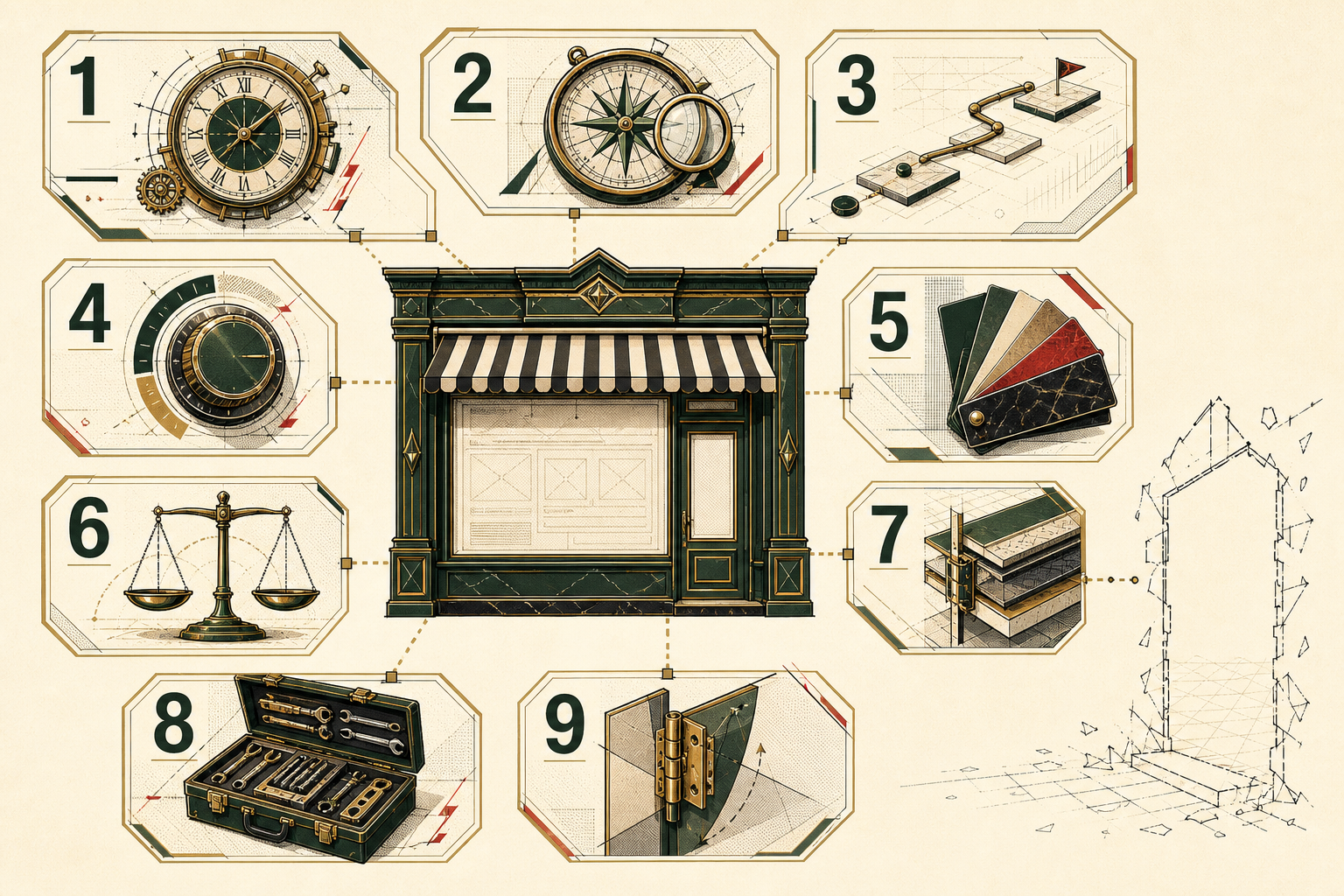
- Ongoing theme updates
- Built-in search configuration
- Simpler setup
- Customisation without code
- A choice of designs
- Cost and capability trade-off
- Build quality
- Additional features and functions
- Flexible look-and-feel controls
Where a theme stops being enough
Sometimes the design has to leave the settings panel, and that is the point where an owner either learns the platform properly or hands the work to someone who already has.
What to do with this
If you run a WordPress site, a premium WooCommerce theme is worth trying against the nine points above before commissioning anything custom. Our comparison of Wix and WordPress covers the decision one step earlier, and our services page says what we build on top of it.
Wizards builds e-commerce sites around what a client actually sells, on platforms including WooCommerce, Magento, Zen Cart and Shopify. If you want to talk about yours, contact us.
Frequently asked questions
What is WooCommerce?
WooCommerce is a WordPress e-commerce plugin that lets users build online stores and run them simply. Its practical features include inventory and tax management and integrations for shipping and payment, which is most of what a small store needs before it needs anything custom.
Why do premium WooCommerce themes get updated more?
Premium themes are updated constantly, which is what keeps a store current rather than gradually breaking behind a platform that keeps moving. Each update is one fewer thing the owner has to notice and fix themselves.
Do premium WooCommerce themes help with SEO?
Most premium WooCommerce themes include SEO features intended to improve a store’s position in search results, with settings for configuring the site rather than editing it. Search optimisation is still slow work, which is why many owners hire a specialist to do it rather than relying on the theme alone.
Can you customise a premium theme without knowing code?
Yes. Premium themes are built to be user-friendly, and the range of options is what lets someone build a page from scratch with no coding knowledge. The customisation settings cover the look and feel, so changing how a site presents itself does not mean editing its code.
Are premium themes worth the money over free ones?
A premium theme gives more features than a low-cost or free alternative, and it is designed to suit a large online business and a small shop equally. The quality difference comes from the team behind it, which is where the design, the features and the installation instructions come from.
What is the main limitation of a premium theme?
Customisation options only reach as far as the settings the theme exposes, so some design work still has to be done by someone who can go beyond them. That is the point at which a store owner either learns the platform or hands the design to somebody who already knows it.