













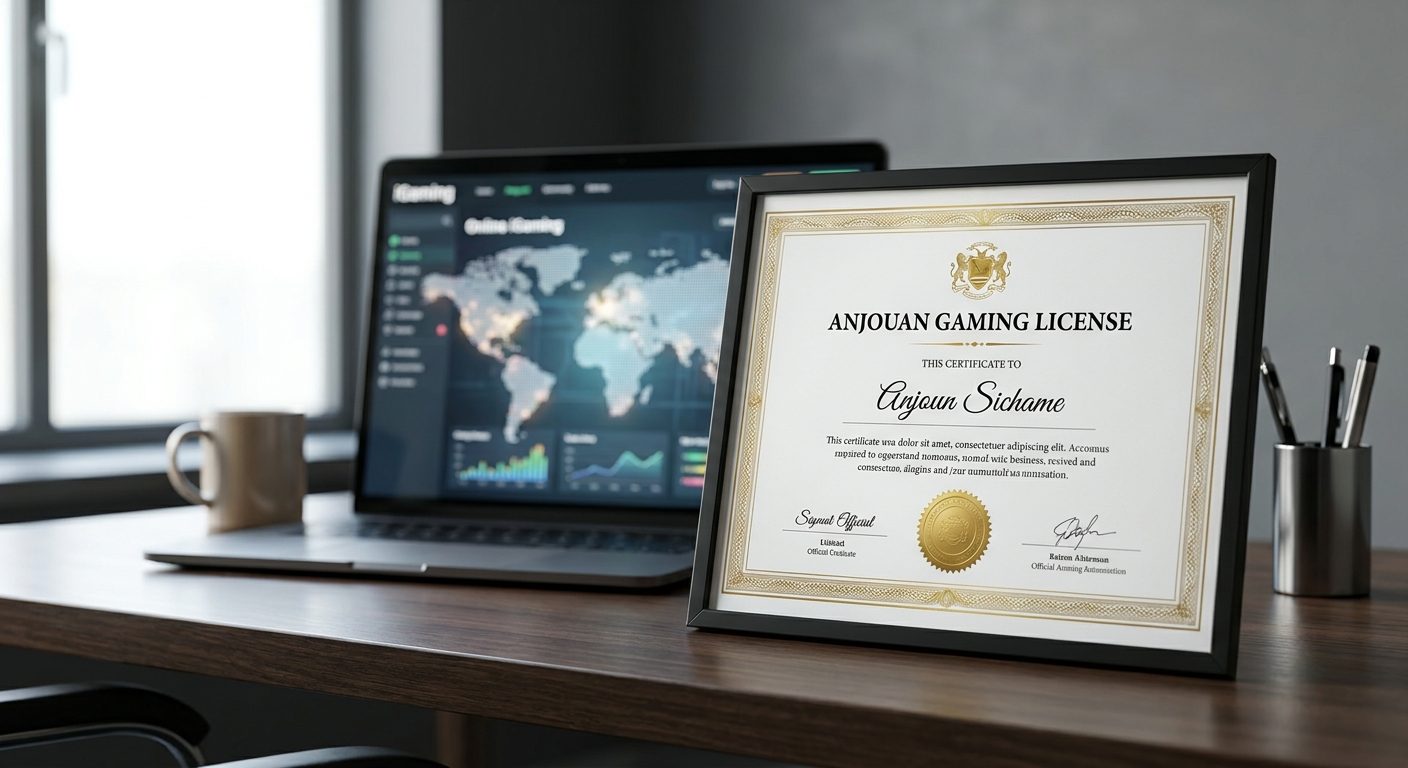
The Anjouan Gaming License offers a faster and often more cost-effective entry into the iGaming market compared to some established jurisdictions. However, its perceived simplicity can mask limitations that could affect broader international reach; without a clear understanding of its scope and acceptance, operators may face obstacles.
Many new operators initially prioritize speed and cost in licensing, sometimes overlooking the long-term implications of jurisdiction reputation and market acceptance for future growth and payment processing. Navigating these nuances requires a strategic approach to gambling certification services.

Understanding the Anjouan Licensing Framework
The Anjouan Gaming License, issued by the Anjouan Betting and Gaming Board (ABGB) under the broader oversight of the Anjouan Offshore Finance Authority (AOFA), operates under the Computer Gaming Licensing Act 007 of 2005. This framework allows a single, comprehensive license covering all types of internet gambling activities.
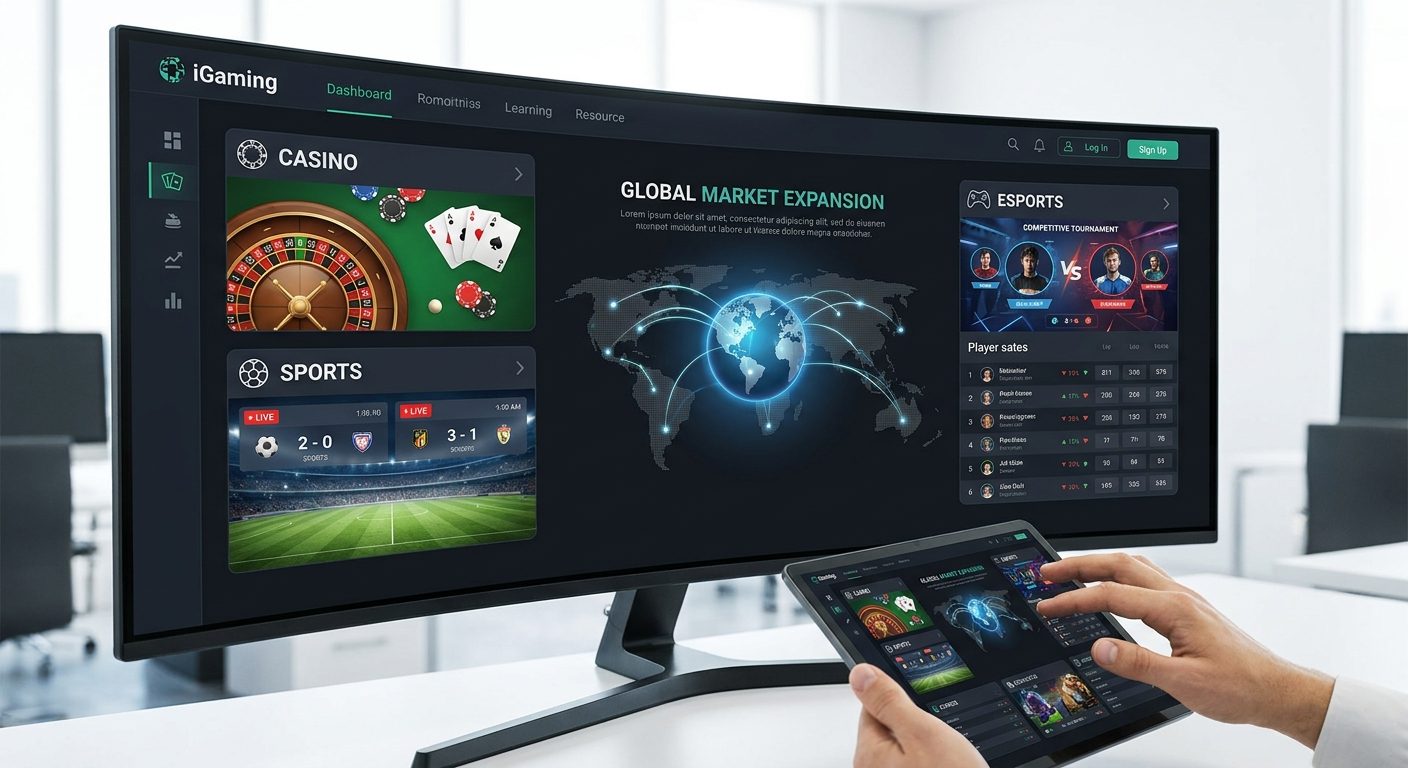
This universal license extends to online casinos, sports betting, poker, bingo, lottery, eSports, and even blockchain-based gaming. For verticals like sports books, jurisdiction-level sports betting regulation still applies on top of the Anjouan framework. It caters to both B2C operators serving players directly and B2B providers offering services like game development or platform solutions to other licensees. ALSI, Anjouan Licensing Services Inc., manages the administrative process for applicants.
How does the Anjouan Gaming License application process work?
Securing an Anjouan Gaming License typically involves a streamlined process, often completed within 4 to 6 weeks from initial document submission, following the general gambling license process. The procedure begins with forming a legal entity within Anjouan, which provides the necessary jurisdictional base for your operations.
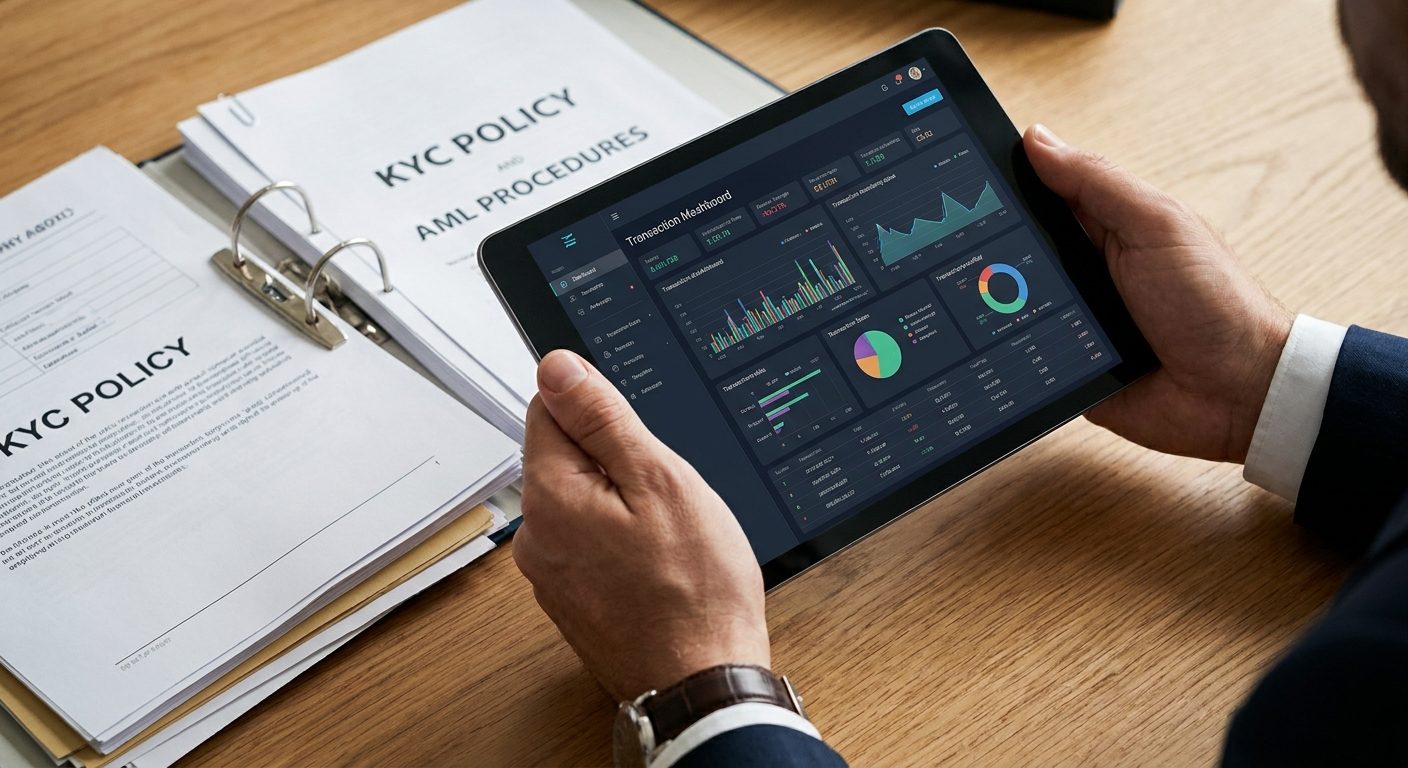
Once the corporate structure is established, you submit comprehensive documentation including Know Your Customer (KYC), Anti-Money Laundering (AML), and responsible gaming policies. A thorough background check is conducted on all key personnel and beneficial owners.
Upon successful review and payment of the required fees, the license is issued. This license is valid for one year and requires annual renewal. Since July 2025, B2B providers serving Anjouan-licensed operators must hold either a full B2B license or a License Recognition Certificate (annual fee around €9,500).
What practical benefits does an Anjouan license offer new operators?
An Anjouan license provides several distinct advantages for emerging iGaming operators seeking efficient market entry. It operates within a tax-neutral environment, meaning licensed entities benefit from 0% Gross Gaming Revenue (GGR) tax, no VAT on total revenue, and zero corporate income tax on offshore income.
The speed to market is another significant benefit, with application processing times often far shorter than in more established jurisdictions. This allows operators to launch diverse offerings without needing multiple specialized licenses. Compared to a Curaçao gaming license, operators get broader vertical coverage under one framework.
The license’s broad scope covers a wide range of gaming verticals. This flexibility lets studios launch innovative titles across multiple verticals under one framework, fostering rapid market deployment for new games.
Growing industry acceptance also brings practical benefits. Many aggregators, payment providers, and software developers now recognize the Anjouan license, facilitating partnerships and integrations. This expanding ecosystem can make it easier to launch and scale your operations compared to a few years ago.
What are the common challenges with an Anjouan Gaming License, and how can you prepare?
Despite its benefits, the Anjouan Gaming License carries certain challenges, primarily related to its reputation and market acceptance in highly regulated regions, which prospective operators should consider.
Some jurisdictions, including the USA, UK, France, Germany, the Netherlands, Spain, and Australia, may restrict or not recognize games offered under this license. This directly affects your potential target audience and revenue streams.
Payment processing and banking relationships can also be more complex to establish compared to licenses from tier-one jurisdictions. Some financial institutions or payment providers might impose additional scrutiny or higher fees due to the perceived risk profile, potentially impacting your operational costs.
To mitigate these challenges, you can focus on building a strong compliance history and maintaining transparent operations from day one, which helps establish credibility with financial partners. Strong testing records aligned with GLI certification standards can further reinforce trust.
Operators must also implement robust AML/CTF programs. These include diligent risk assessments, comprehensive KYC procedures, continuous transaction monitoring, and timely suspicious activity reporting to maintain regulatory adherence.
While the initial regulatory framework might seem simplified, maintaining strict compliance safeguards your operations and reputation. This diligence could potentially offset the “tier-2” perception associated with the Anjouan Gaming License.
Is an Anjouan license the right strategic choice for your iGaming business?
Deciding if an Anjouan Gaming License aligns with your business goals requires careful consideration of your target markets, budget, and long-term expansion plans.
If your strategy prioritizes quick market entry, cost efficiency, and a broad product offering without immediate aspirations for highly regulated markets like the UK or USA, Anjouan could serve as an effective stepping stone.
For operators targeting less restricted markets or those seeking to test a new product concept, the Anjouan license offers a practical path. This can be an efficient way to gain initial market traction.
However, if your long-term vision includes entering highly regulated Western European or North American markets, you will likely need to pursue additional licenses or transition to a different jurisdiction as your business matures. Our iGaming licensing consultants can help you evaluate these pathways.
Without expert guidance, navigating iGaming regulation for a compliant launch risks significant operational disruptions and market entry delays. Our team at Wizards, a full iGaming solutions provider, supports operators end-to-end on licensing, technical compliance and strategic advisory. We can help you thoroughly assess your specific business model and target markets to determine the optimal licensing pathway. Explore our iGaming portfolio to see how operators across verticals have scaled with the right licensing setup. Let’s discuss your iGaming licensing strategy, ensuring a compliant and efficient market launch for your projects.
Frequently asked questions about Anjouan Gaming Licenses
What does the Anjouan Gaming License cover?
It is a single, comprehensive licence covering all types of internet gambling activity, issued by the Anjouan Betting and Gaming Board under the oversight of the Anjouan Offshore Finance Authority and governed by the Computer Gaming Licensing Act 007 of 2005. The scope runs across online casinos, sports betting, poker, bingo, lottery, eSports and blockchain-based gaming, and it covers B2C operators serving players directly as well as B2B providers supplying game development or platform services to other licensees.
How much does an Anjouan Gaming License cost annually?
The annual renewal fee for an Anjouan Gaming License is approximately €13,300, with total Year 1 setup costs around €17,828 when you factor in company formation, corporate documents and the Compliance Officer Authorization. This covers the continued oversight and administrative costs by the Anjouan Offshore Financial Authority. Initial setup costs for the first year are usually higher, incorporating company formation and application processing.
What specific documents are required for an Anjouan license application?
Beyond robust KYC, AML, and responsible gaming policies, applicants must submit personal identification for all beneficial owners and key personnel. This includes notarized passports, utility bills, and professional references. Proof of domain ownership and a detailed business plan outlining operations and software providers are also commonly required for submission.
Does an Anjouan license cover operations for cryptocurrency casinos?
Yes, the Anjouan Gaming License framework explicitly permits and covers blockchain-based gaming, which includes cryptocurrency casinos. This universal license type allows operators to integrate various digital assets and payment methods, offering flexibility for modern iGaming platforms. Our team ensures your setup remains compliant with evolving crypto regulations.
How long does it take to renew an Anjouan Gaming License each year?
Renewing an Anjouan Gaming License is a more streamlined process than the initial application. Typically, it can be completed within 2 to 4 weeks, provided all required documentation, compliance reports, and fees are submitted promptly. We advise initiating the renewal process well in advance of your license expiry date to avoid operational interruptions.
Can I offer B2B iGaming services with an Anjouan license?
Yes, the Anjouan framework supports B2B iGaming providers. While a full universal license covers B2B operations, specific recognition certificates are also available for providers already licensed in other recognized jurisdictions. This facilitates offering services like game development or platform solutions to Anjouan-licensed B2C operators without needing a separate local B2B license.
What happens if a payment provider does not recognize my Anjouan license?
If a payment provider does not recognize your Anjouan license, you would need to explore alternative financial institutions or payment solutions that are more accommodating to tier-two jurisdictions. This may involve higher transaction fees or additional due diligence requirements. Building a strong compliance history can help mitigate these challenges over time.
Is it possible to upgrade from an Anjouan license to a different jurisdiction later?
Migrating from an Anjouan license to a more established jurisdiction like Malta or Curacao isn’t a direct ‘upgrade’ but rather a separate application process. You would need to pursue the new license in parallel, ensuring continuous operation. This strategic move is common as your business matures and targets highly regulated markets.