




















The global framework for sports betting regulation in 2026 is a dynamic mosaic, where operators must navigate diverse legal and technical requirements across jurisdictions. Each market — from established European hubs to evolving US states and emerging regions — presents distinct challenges, and getting compliance right at a granular level is what keeps an operation running.
This landscape demands more than initial adherence: it requires continuous monitoring and adaptation as technical standards and reporting obligations shift. Helping operators stay ahead of those changes and protect market access is the core of what we do as an iGaming & Digital Marketing Solutions Provider.

Navigating the Global Regulatory Maze for Sports Betting Regulation
Entering or expanding within the global sports betting market reveals a fragmented regulatory environment where regional specificities often outweigh broad similarities.
Many operators frequently underestimate the ongoing resource commitment necessary for continuous compliance monitoring, particularly as regulatory bodies frequently update technical standards and reporting obligations. A robust compliance strategy must therefore account for these distinct legal frameworks.
The European Union, for example, operates under a decentralized model where individual member states like Malta (MGA) or the UK (UKGC) issue their own licenses. Each license comes with unique requirements regarding game integrity, advertising, and player protection.
Outside Europe, markets like New Jersey in the US have established a comprehensive regulatory ecosystem. This system, however, includes different jurisdictional limitations, such as explicit prohibitions on in-state college team betting.
Jurisdictions worldwide demand stringent anti-money laundering (AML) protocols and know-your-customer (KYC) verification processes. Operators must implement sophisticated identity checks to prevent fraud and ensure compliance with international financial regulations. Failure to meet these requirements could lead to significant fines and reputational damage across multiple markets.
Securing Your License for Sports Betting Operations
Obtaining the appropriate license is the foundational step for any sports betting operator: it dictates market access and operational scope. License type and application process vary considerably by jurisdiction, even when the broader licensing process follows similar logic across regulated markets — capital requirements and business plan expectations are layered locally.
Maltese Type 2 Gaming Service License
Malta’s Gaming Authority (MGA) issues Type 2 Gaming Service licenses specifically for fixed-odds betting on real-world events. Operators pursuing this license need to demonstrate a minimum statutory paid-up share capital of €100,000, alongside additional safeguards — typically bank guarantees or insurance policies — sized to projected player liability and risk profile.
The application fee for this license is €5,000. Successful licenses are typically valid for ten years, offering a long-term gateway into European markets.
UK Gambling Commission Remote General Betting Standard License
The UK Gambling Commission (UKGC) mandates that all operators offering gambling products to UK citizens hold a specific license. For online sports betting, this is the Remote General Betting Standard (Real Events) license.
The application process includes thorough due diligence on key personnel and any owner holding 10% or more of the company. Approval typically requires an approximate timeframe of 16 weeks.
New Jersey Sports Pool License
In the United States, New Jersey’s Division of Gaming Enforcement (DGE) and New Jersey Racing Commission (NJRC) oversee sports betting. Operators in New Jersey must ensure bettors are 21 years or older and physically present within the state boundaries.
The state explicitly prohibits betting on in-state college teams or events occurring in New Jersey. The initial sports pool license fee is $100,000 under N.J.S.A. 5:12A-11, with renewals carrying a reasonable fee tied to enforcement and gambling addiction programs. A portion of these fees directly funds compulsive gambling treatment.

Meeting Technical Standards for Sports Betting Regulation
Compliance extends beyond legal licenses to the technical integrity of sports betting platforms. Regulatory bodies require systems to be fair, secure, and transparent, often demanding third-party gambling certification services and adherence to specific technical standards.
Implementing GLI-33 for Event Wagering Systems
GLI-33 version 1.1 is a recognized technical standard for Event Wagering Systems — one of several specifications covered under broader GLI certification testing. It provides a baseline for both lab-evaluated technical requirements and on-site operational controls.
This standard covers areas such as bet processing, results determination, data logging, and security measures. Adherence ensures the reliability of the betting environment.
Prioritizing Platform Security and Certification
Jurisdictions increasingly require enhanced security protocols for user authentication. New Jersey regulations, for instance, mandate strong authentication methods like two-factor (2FA) or multi-factor authentication (MFA) for all betting and gambling companies.
Implementing such measures helps protect player accounts and sensitive data, mitigating fraud and unauthorized access risks. These robust security protocols are essential for maintaining user trust and regulatory adherence in competitive markets.
Platform certification involves rigorous testing of the software and hardware used to deliver sports betting services. This process verifies that the platform meets all regulatory technical specifications, including fair play mechanisms, accurate payout calculations, and resilient system architecture.
Maintaining this certification requires regular audits and updates. This ensures ongoing compliance as regulations and technology continue to evolve.
Protecting Players with Responsible Gambling Mandates
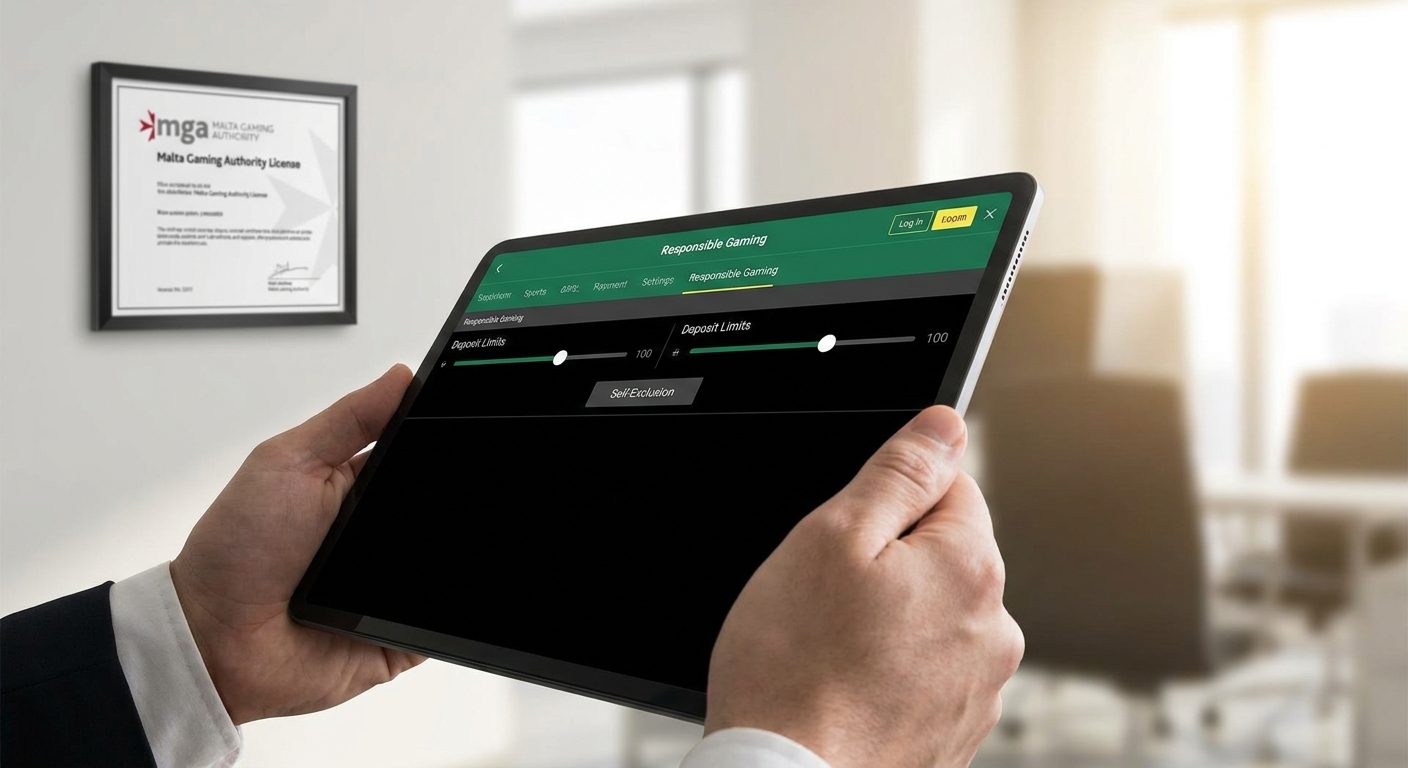
Player protection and responsible gambling are integral components of sports betting regulation, reflecting a global commitment to mitigate potential harm. Operators are typically required to implement a range of tools and programs designed to support players and prevent problem gambling behaviors.
Common responsible gambling measures include:
- Self-Exclusion Programs: Allowing players to voluntarily ban themselves from betting activities for a defined period or permanently. Approximately 38 US jurisdictions mandate such programs.
- Deposit and Time Limits: Tools enabling players to set financial and time restrictions on their betting activity, promoting controlled engagement.
- Reality Checks: Pop-up notifications that inform players of the time elapsed during their session, encouraging breaks.
- Cool-Off Periods: Short breaks from betting that players can initiate, pausing access to their accounts.
- Enhanced Player Verification: Robust KYC procedures that ensure players are of legal age and jurisdiction, preventing underage gambling and fraud.
Many jurisdictions, with about two-thirds of US states requiring it, mandate operators to file a comprehensive responsible gaming plan. This plan details the operator’s policies, procedures, and resources dedicated to promoting safe gambling practices.
The use of data analytics and artificial intelligence is also growing in identifying at-risk behaviors, allowing for more targeted interventions.
Strategies for Ongoing Compliance and Market Expansion
Maintaining compliance in the rapidly evolving sports betting landscape requires proactive and continuous effort, not a one-time achievement. Operators must develop robust internal frameworks to monitor regulatory changes and adapt their operations accordingly, especially when considering market expansion.
A dedicated compliance team or specialized external partners are typically involved in monitoring legislative updates, preparing for audits, and ensuring all operational aspects meet current standards.
This continuous vigilance helps operators anticipate potential challenges and implement necessary adjustments before they become critical issues. Investing in automated compliance tools can also streamline reporting and alert systems, reducing manual effort and potential errors.
When entering new markets, a thorough jurisdictional analysis is paramount. This involves understanding not only the licensing requirements but also local nuances around player behavior, advertising restrictions, and cultural sensitivities. Pairing that analysis with the right sports betting development stack makes market entry compliant from day one rather than retrofitted later.
Staying ahead in sports betting regulation requires expert insight and a proactive playbook. Our team helps operators navigate these challenges — from market entry to ongoing compliance — so your operations remain competitive across global markets.
Frequently asked questions about sports betting regulation
What are the key consequences of failing to comply with sports betting regulations?
Non-compliance can lead to substantial financial fines, license suspension or revocation, and significant reputational damage. It can also result in market exclusion and operational disruptions across multiple jurisdictions, impacting your ability to operate sustainably.
How long does it generally take to get a sports betting license?
The timeline for obtaining a sports betting license varies considerably by jurisdiction and license type. While some processes, like the UKGC’s, might take around 16 weeks, others depend on the thoroughness of your application and the specific regulatory body’s procedures.
Do operators need separate licenses to offer sports betting in different countries?
Yes, typically. Sports betting regulation operates under a fragmented model, meaning individual jurisdictions, whether countries or US states, often require their own distinct licenses. This necessitates a tailored compliance strategy for each target market.
Why is GLI-33 certification important for event wagering systems?
GLI-33, a recognized technical standard, provides a baseline for the integrity and reliability of event wagering systems. It helps ensure fair bet processing, accurate results, robust data logging, and strong security measures, which are crucial for regulatory approval and user trust.
What are the unique challenges for sports betting operators expanding across multiple US states?
Each US state has distinct regulatory bodies and rules, often including specific prohibitions like betting on in-state college teams. Operators must manage multiple jurisdictional licenses, varying age requirements, and localized technical standards, demanding a granular compliance approach.
Are responsible gambling plans universally required by regulators?
While not universally mandated in identical forms, responsible gambling is a fundamental expectation across many major jurisdictions. For instance, numerous US states require comprehensive responsible gaming plans. Operators typically need to implement self-exclusion, deposit limits, and other player protection tools.
How can Wizards help operators navigate complex sports betting regulations?
Our team offers strategic guidance and iGaming technology solutions to ensure operators meet diverse regulatory demands. We assist with market entry strategies, technical compliance, and ongoing monitoring, helping you maintain operational continuity and adapt to evolving standards globally.