


















Effective casino branding builds player trust by turning technical compliance and visual consistency into a verifiable promise of fairness. In a market where game libraries look identical across hundreds of sites, brand identity is what convinces skeptical visitors to become depositing players.
High player acquisition costs mean paid channels like PPC only get players to the door. Retention is what protects that investment, and it depends on the same consistency that specialized iGaming marketing services are built to deliver across every channel.

How brand cohesion cuts through player skepticism
With hundreds of active online casino brands competing for attention in any major regulated market, the window to capture player trust is short. Players rarely distinguish between platforms based on game selection anymore, as most sites aggregate titles from the same tier-one providers. Instead, they look for subtle cues that signal a professional, secure environment.
The concept of casino branding acts as the strategic filter for this pervasive player skepticism. It is not merely a logo or a specific color palette; it is the functional proof that your operation is legitimate and stable. When a brand feels cohesive across all touchpoints, it reduces the cognitive load on the player, making the deposit decision feel calculated.
This is especially true for operators who followed a guide to start an online casino and launched fast on a white-label platform. Differentiating still means moving beyond shared templates, investing in custom UX and a distinct brand narrative. This avoids the scam-site alarm bells players associate with low-effort, copy-paste designs.
A unique brand voice suggests that the operator has the capital and longevity to honor large payouts with verified reliability. Consistency in these visual and narrative elements establishes a sense of permanence. If your touchpoints share the same polish, you reinforce the idea that your business is a stable institution.
How technical certification affects casino branding
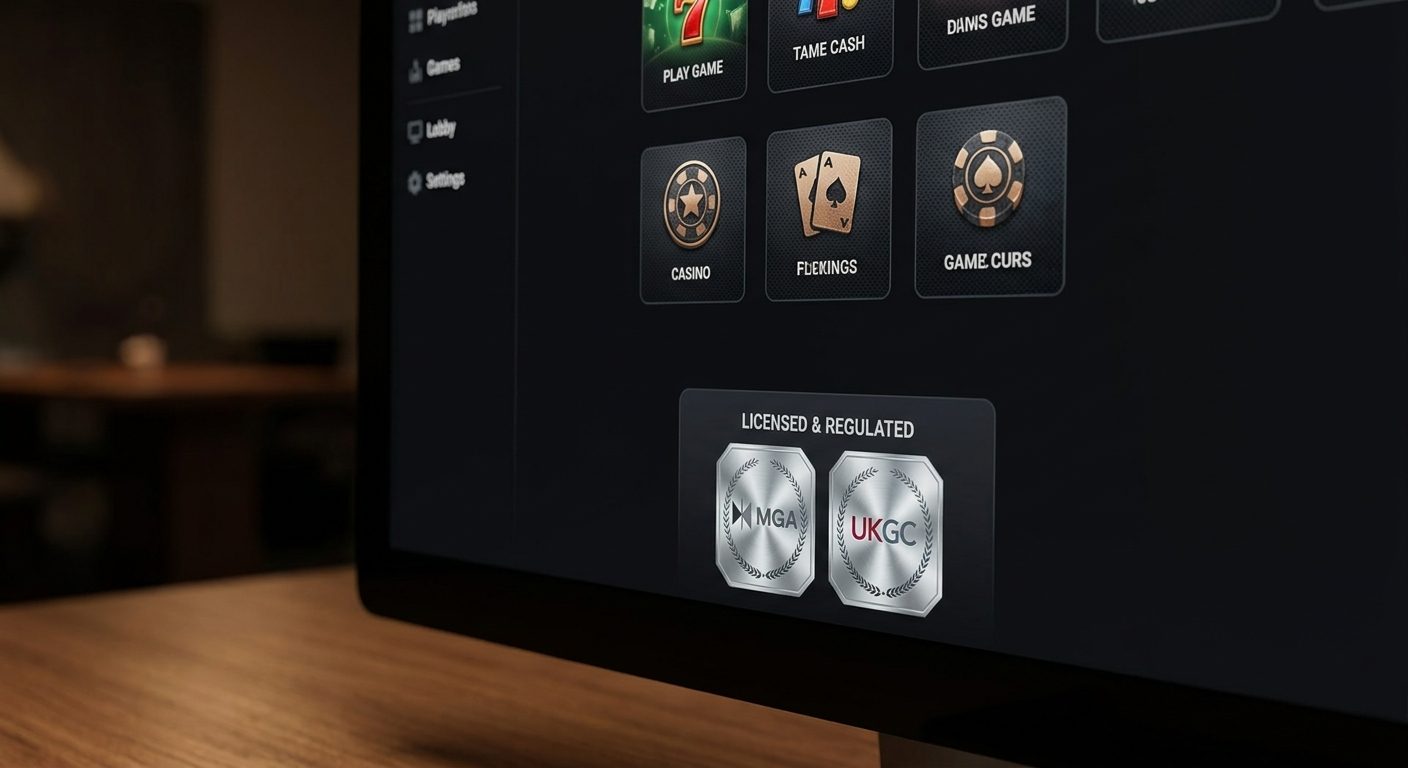
The MGA Dynamic Seal and UKGC license credentials are not just legal requirements; they are among the most powerful trust signals in your footer. High-value players specifically look for these markers to verify that an operator is subject to third-party oversight. A brand lacking visible, verifiable certification is frequently dismissed as a substantial security risk.
Integrating these technical markers into your brand presentation involves displaying a specific set of trust signals that confirm fairness. These elements should be easily accessible but not distracting from the primary gaming experience:
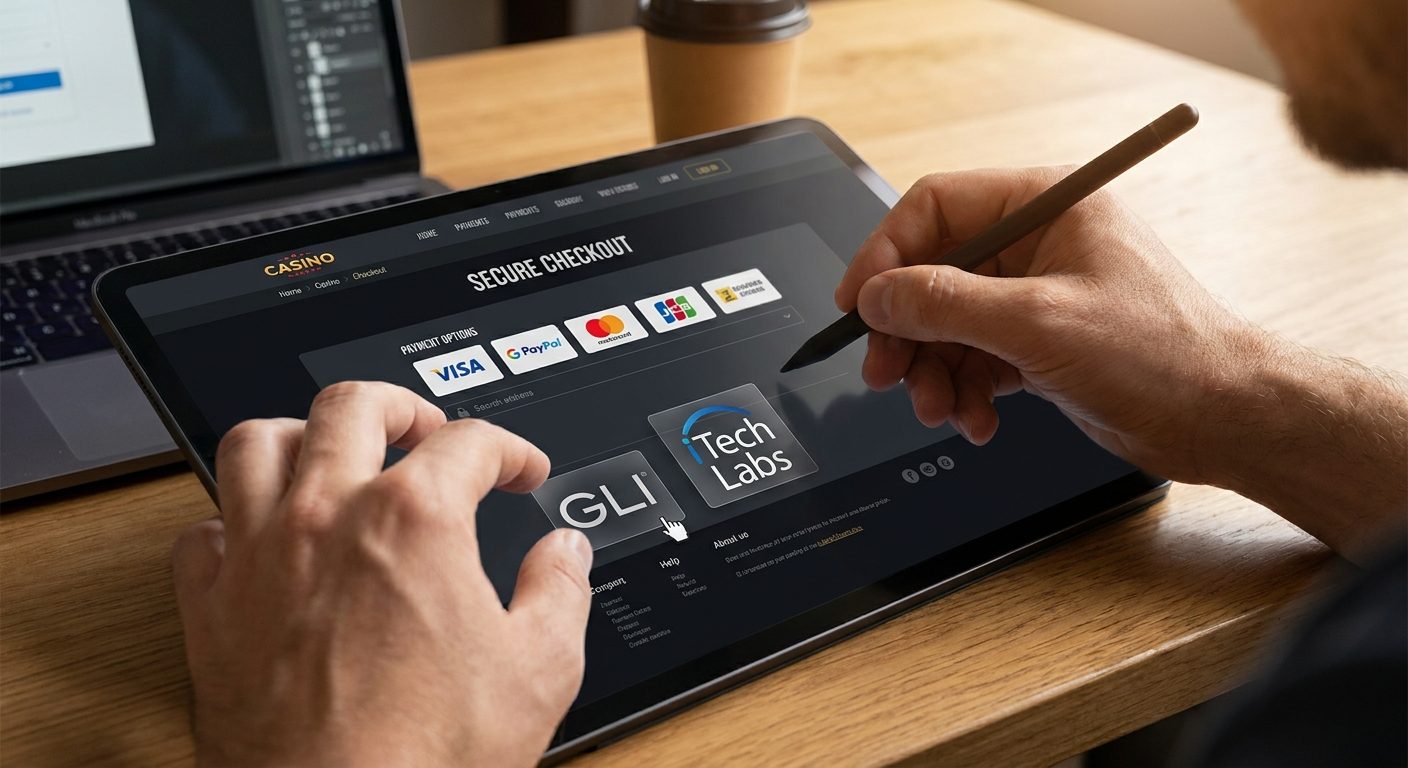
- Testing lab logos from GLI or iTech Labs to confirm RNG integrity.
- Direct, clickable links to active regulatory license pages for immediate verification.
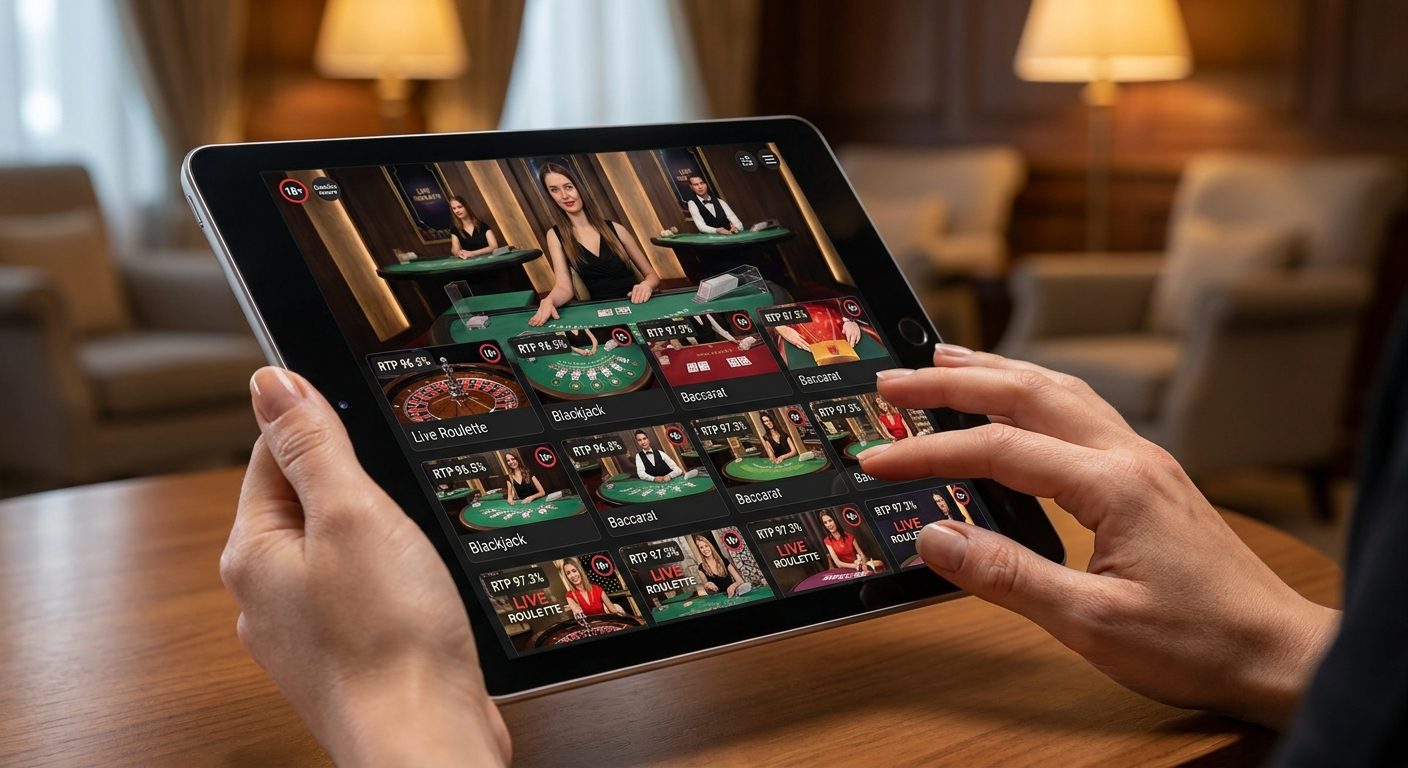
- Visible Return to Player (RTP) percentages for individual games or categories.
- Recognized responsible gambling badges from organizations like GamCare or BeGambleAware.
- Data encryption certificates that confirm the security of the payment gateway.
You reinforce these signals once you understand how to get a gambling license and which credentials it requires you to display, without disrupting the user flow. While branding creates the initial attraction, these verifiable technical stamps provide the logical justification for a player to trust your platform. Without them, visually stunning brands often fail to convert users who prioritize security.
Regulatory transparency in marketing also prevents the brand from running afoul of strict advertising standards. In jurisdictions like the UK or the Netherlands, how you present your brand, including the responsible gambling tools you surface to players, can lead to significant fines if messaging is deemed misleading. A brand built on transparency and compliance naturally avoids these pitfalls.
When your brand voice fails to match your payout speed
An operator promising lightning-fast entertainment in their marketing but requiring a 72-hour manual verification for withdrawals creates a fundamental disconnect that destroys brand equity. This misalignment between the marketing promise and the operational reality is one of the leading causes of high churn rates. Players who feel misled by a brand persona will likely never return.
Successful casino branding requires total alignment between your creative team and your payments department. If your brand positioning emphasizes speed and modern efficiency, every technical touchpoint must reflect that urgency. This includes the speed at which KYC documents are processed and how quickly funds move through your online casino payment methods to reach a player’s account.
Inconsistent experiences often lead to negative reviews on community forums and potential inquiries from regulators regarding fair play standards. If your brand is perceived as difficult regarding payouts, no amount of high-quality marketing will fix the underlying reputation issue. The brand is the promise, but the operation is the delivery; gaps lead to a loss of confidence.
Operational transparency can actually be used as a branding strength. Operators who are honest about their verification times or who provide real-time updates on withdrawal status build much deeper trust than those who hide behind generic support scripts. Turning a potentially frustrating process like KYC into a branded experience can turn a regulatory hurdle into a retention tool.
Showing players you are licensed without cluttering the UI
Modern web design allows for the integration of regulatory data into the registration and deposit flows rather than burying it exclusively in a dense, unreadable footer. Strategic placement of trust signals during high-friction moments can significantly improve conversion rates without making the interface look like a legal document. The goal is to provide reassurance during financial decisions.
The following table illustrates how traditional trust signals are evolving into more integrated, modern brand elements that enhance rather than hinder the user experience:
| Trust Signal | Old School Approach | Modern B2B Approach |
|---|---|---|
| License Status | Static text blocks in footer | Interactive dynamic seals with live verification |
| Game Fairness | Hidden deep in T&C pages | Direct RTP icons and lab links in the lobby |
| Responsible Gaming | Intrusive pop-up interruptions | Integrated player health dashboards and tools |
| Payment Security | Generic padlocks and text | Recognized financial partner logos in the checkout |
| Operator Identity | Anonymous corporate names | Clear “Powered by” branding from reputable partners |
Embedding these trust indicators directly into the game lobby puts proof of fairness in front of players exactly when they are most engaged, which reinforces how reliable your brand feels at the moment of decision. Treated this way, regulatory requirements support your brand identity instead of competing with it.
Effective UX design treats compliance as a feature of the brand, not a bug. By making license information and game stats easy to find, you communicate that you have nothing to hide. This transparency is a powerful differentiator in a market where many operators still treat regulatory data as a mandatory eyesore to be minimized or obscured.
Risks to your casino branding after the initial launch phase
Technical stagnation is a primary driver of brand erosion, as outdated pages or broken certification links suggest to players that an operator is no longer active or secure. Even the most polished casino branding loses its effectiveness if the underlying platform suffers from slow loading times. Players equate technical performance with financial reliability; a buggy site suggests payout instability.
Operators catch brand perception issues early by pairing regular technical audits with dedicated iGaming SEO services that flag certification and trust-signal gaps before they hurt the bottom line. Regular updates to security protocols and UI elements prevent the brand from appearing like a set-and-forget white-label skin that lacks proper support.
As regulations shift and your platform matures, brand messaging needs to keep pace: outdated licensing details or stale “About Us” and “Fair Play” pages quietly erode authority, while consistent, high-quality game updates and technical uptime keep player trust compounding over time.
Let’s talk about your next iGaming project and align your technical foundation with your market positioning. Reach out to our team at Wizards to move beyond generic templates and build a brand that earns trust through transparency and consistent execution.
Frequently asked questions about casino branding and trust
Is it better to launch with a Curacao or MGA license for brand prestige?
Choosing between jurisdictions typically depends on your budget and target demographic. A Curacao sub-license often offers a faster entry point for startups, whereas an MGA license provides higher perceived prestige in European markets. This choice significantly influences how players perceive your brand’s stability and commitment to the strict regulatory oversight required for high-volume operations.
How long does it take for labs like eCOGRA to certify a new brand?
Certification timelines vary based on the complexity of the game mechanics and the current queue at the testing lab. In most cases, agencies like eCOGRA or GLI require several weeks to complete a full RNG audit. Planning for a six-to-twelve-week window helps ensure your launch aligns with your marketing roadmap and avoids technical delays.
Can I achieve a unique brand identity using a white-label platform?
White-label solutions usually restrict visual and functional customization to predefined templates, which can make differentiation difficult in saturated markets. Moving to a proprietary platform or a flexible turnkey solution allows for unique UX features and custom loyalty modules. These bespoke elements are often necessary for operators seeking to establish a premium identity beyond generic skins.
How often must security certificates be updated to avoid brand damage?
Maintaining technical trust involves more than an annual license renewal. Renewal cycles for SSL/TLS certificates keep getting shorter industry-wide, so treating a certificate as a one-time setup is no longer safe. Automating renewal keeps the visual promise of security matched to the actual encryption protecting your payment gateway and player data.
What are the branding requirements for the Kahnawake Gaming Commission?
Operators targeting North American players often consider the Kahnawake Gaming Commission as a reputable alternative to European regulators. This jurisdiction has specific requirements for brand transparency and player protection that differ from UKGC standards. Aligning your branding with these regional protocols is a common strategy for operators looking to capture trust in the Canadian market.