
















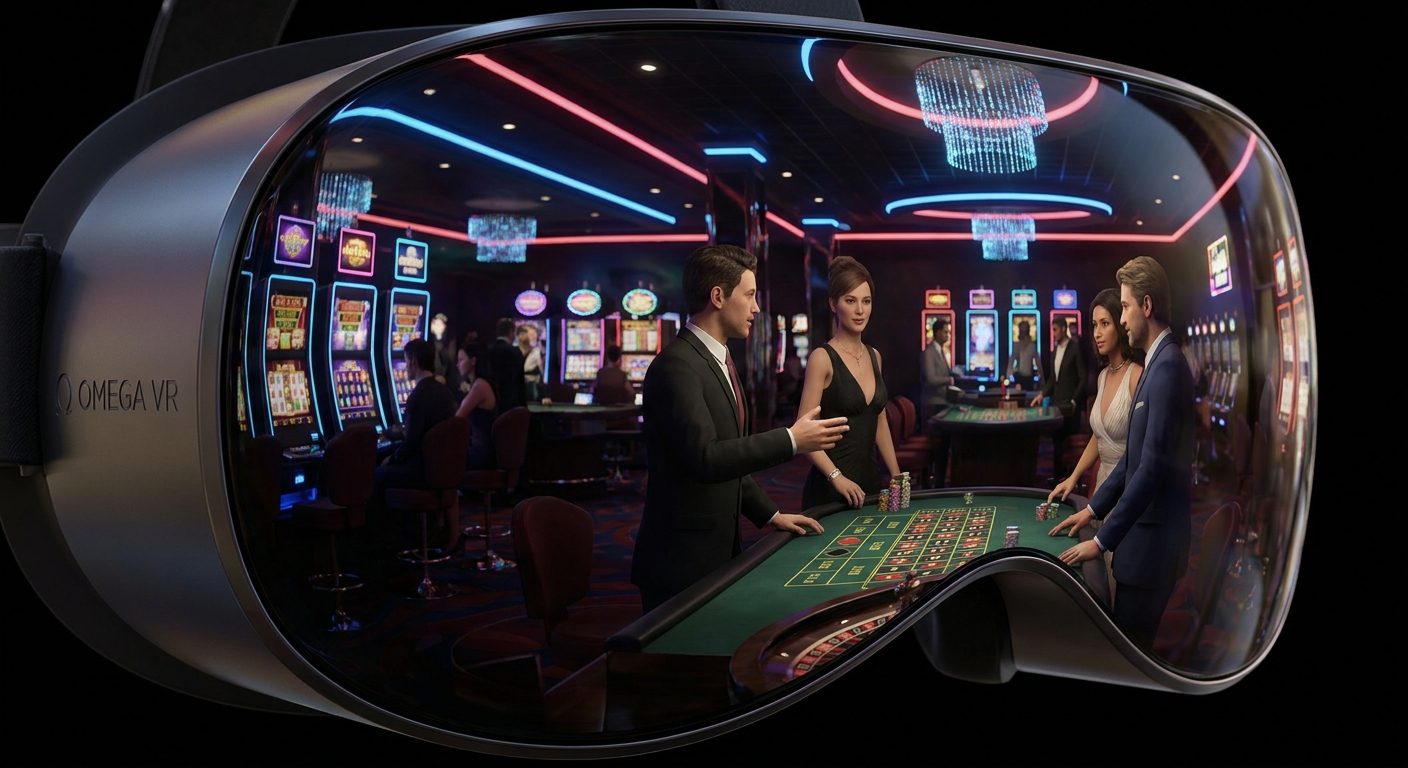

Spatial computing has turned the vr casino from a niche concept into a high-overhead technical asset. Building an immersive environment demands far more asset production than a standard 3D slot, forcing a real choice between full immersion and manageable technical debt for your roadmap.
We approach that shift from simple interface design to full environmental architecture through Wizards’ Casino game development services, addressing spatial UI and comfort factors that prevent player churn. Refresh rate stability matters as much as the underlying gambling mechanics.
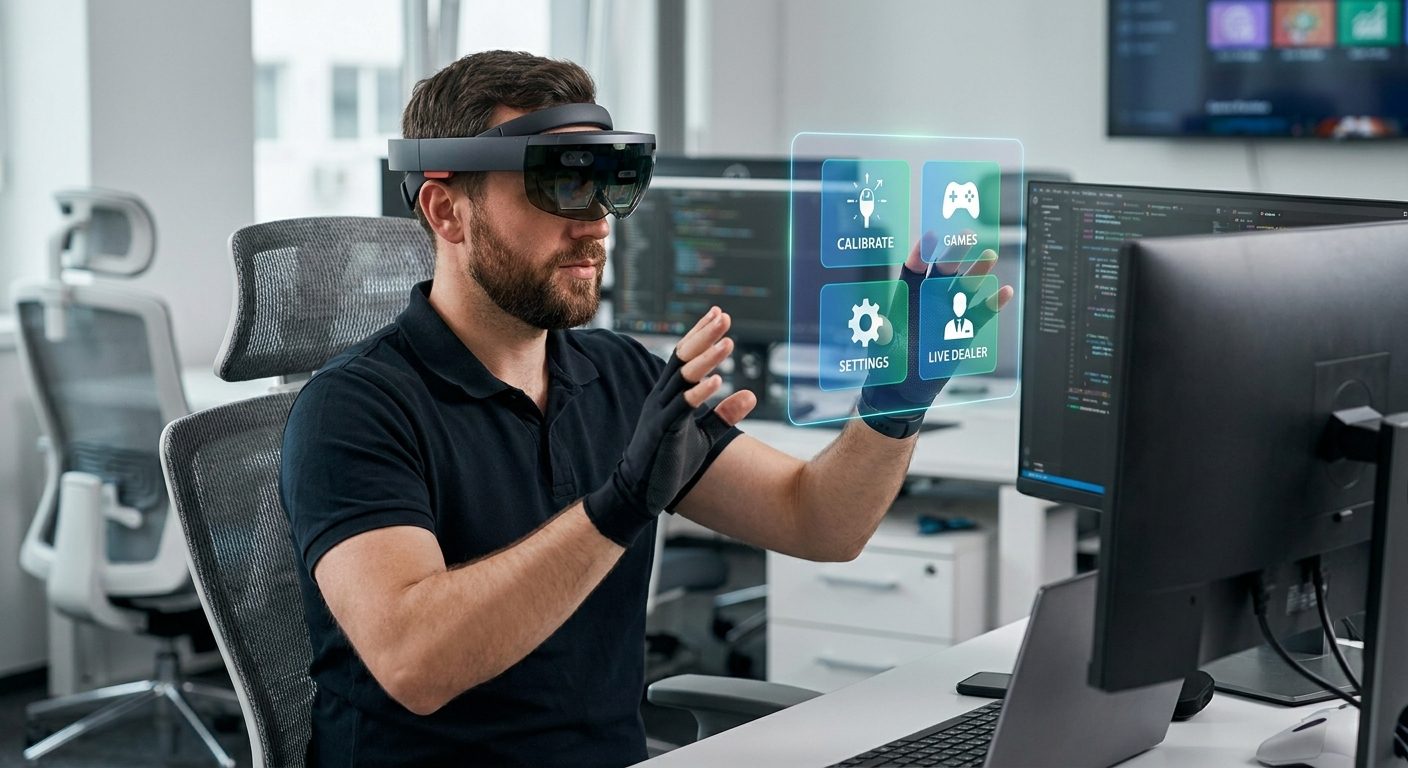
High fidelity assets drive the cost of a vr casino
Modeling a virtual environment requires 360-degree, high-poly assets that stay visually consistent from every angle, unlike standard 3D slots built on flat 2D planes.
Every object in the scene must maintain high frame rates without sacrificing visual clarity. Failure to balance these factors often creates significant performance bottlenecks on standalone hardware.
| Feature | Standard Web Slot | VR Casino Scene |
|---|---|---|
| Polygon Count | Low to Medium (2D/3D) | High-Poly with LOD optimization |
| Texture Resolution | Fixed 1080p/4K sprites | 4K textures with 360-degree mapping |
| User Interface | Flat overlay | Spatial UI with physics interaction |
| Animation Complexity | Single plane movement | Full skeletal mesh in 3D space |
Asset optimization is the primary driver of development time, as designers must reduce poly counts for mobile-based headsets while maintaining a premium feel. When building a vr casino, the cost typically scales with the number of interactive objects rather than just the number of games. Each interaction point requires custom physics and haptic feedback triggers to sustain immersion.
Why VR and AR require different casino development roadmaps
Virtual reality and augmented reality solve different problems, even though both get grouped under “immersive gaming.” VR fully replaces the player’s surroundings inside a headset, while AR overlays digital elements onto the real world through a phone or tablet camera, no headset required.
This distinction changes your roadmap. An augmented reality casino project reaches players through devices they already own, trading full immersion for lower hardware friction. A vr casino build invests in the headset-native environment this article covers, at a higher asset cost.
Regulatory standards for immersive gaming environments
Most regulators, including the MGA, oversee gaming activity regardless of delivery channel, so an immersive front end would generally fall under existing interactive gaming system rules rather than a separate VR category. The core RNG logic stays governed the same way it is on a standard web platform.
In practice, this means a vr casino build should satisfy the same interactive gaming system standards, like GLI-19, that already apply to any platform you launch. Your iGaming certification team should verify that spatial cues never mislead players or hide required information.
Auditors often focus on how the interface behaves during a session to ensure the player is never unaware of their balance or game status. Potential red flags include:
- UI elements that move out of the player’s primary field of view during a spin.
- Misleading spatial audio that suggests a win before the RNG has finalized the result.
- Hidden interactive zones that could trigger bets without clear player confirmation.
- Inconsistent session timers that fail to display in the 3D environment.
Compliance testing for a vr casino involves rigorous checks on how the game handles disconnection and state recovery. If a headset loses power or the connection drops, the system must reconstruct the exact spatial state upon return. Working with an experienced iGaming certification team helps identify these edge cases before the final audit begins.
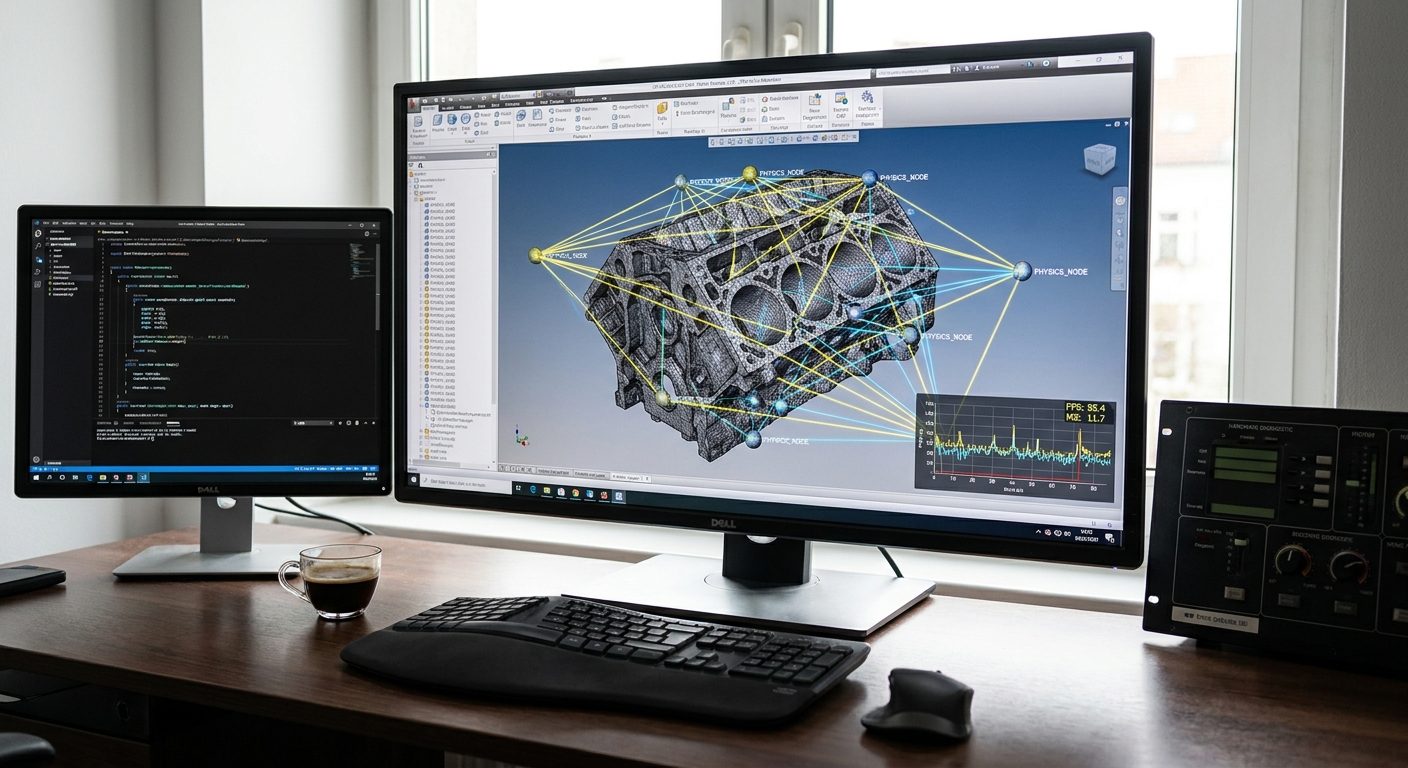
Hardware limitations dictate your reachable vr casino audience
Standalone VR headset adoption remains a small slice of the broader gaming audience today, and iGaming-specific penetration data is not yet tracked at industry scale. That gap limits the addressable audience for a native vr casino application.
Choosing between a native Meta Quest app and a WebXR experience through a browser is a trade-off between performance and accessibility. Native apps offer stronger frame rates but add friction through required downloads and store approvals.
WebXR experiences let players enter through a standard URL, skipping app store installs entirely. This mirrors the accessibility trade-off already familiar from browser-based HTML5 casino games, where reach outweighs graphical fidelity. Operators must decide if their priority is a VIP showcase or a casual, accessible build.
The comfort factor remains the largest hurdle for player retention in spatial computing. Poorly optimized frame rates often cause motion sickness, leading to immediate session abandonment and negative brand perception. Ensuring a consistent 90fps is a common technical target that often forces developers to simplify environmental textures to protect the user experience.

Technical hurdles of connecting spatial front ends to legacy platforms
Integrating a spatial front end into a legacy Player Account Management system often triggers latency issues that disrupt synchronization between the bet and the visual result.
VR needs real-time feedback to maintain the illusion of presence, so any delay in API communication feels magnified compared to a standard web browser. Planning this architecture is best handled by specialists in custom casino game development who understand the full communication flow.
- The front end initiates an API handshake with the PAM to verify session tokens.
- The 3D engine pre-loads assets while the backend validates the user’s regional compliance.
- Game state data is pushed to the spatial UI, ensuring the balance display updates within milliseconds of a result.
- Responsible gaming triggers, such as reality checks, are rendered as immersive overlays that pause the 3D environment.
Session management in a 3D space also requires a unique approach to data logging. Regulators may ask for logs that include not just the bets placed, but also the player’s interaction history within the virtual lobby. Maintaining this high volume of telemetry data without impacting the game’s performance requires a robust backend infrastructure designed for high-concurrency 3D streaming.
Strategic markers that signal readiness for a virtual pilot
Operators with many high-net-worth VIPs often see faster returns from immersive pilots than mass-market platforms do. Not every game format benefits equally, so reviewing the types of casino games already on your platform helps target the pilot where it adds a genuine premium layer.
Before committing to a full build, weigh the technical maturity of your existing platform. If your backend already struggles with API latency on mobile, it is unlikely to support the real-time demands of a 3D engine.
Strategic readiness means confirming your player base owns the right hardware and that your team can absorb the added maintenance cost of spatial assets. A phased pilot with a loyal player segment is usually the safer path to measuring ROI.
Reach out to our team at Wizards when you decide to transition from conceptual research to a technical feasibility study. We are available to define your architecture and assess the infrastructure needed for a scalable immersive product. Let’s discuss your specific iGaming project type to ensure your asset pipeline and platform integration meet current regulatory standards.
Frequently asked questions about VR casino development
Is it better to build a native Meta Quest app or a WebXR casino?
Native apps allow for advanced haptic feedback and complex lighting but require navigating the Meta Quest Store’s strict gambling policies. WebXR bypasses these walled garden restrictions, allowing players to connect instantly via a URL. However, WebXR often limits your environment to simpler geometry to maintain stable performance on mobile browsers.
Which jurisdictions are currently the most receptive to VR gambling licenses?
No regulator currently issues a distinct VR gambling license. VR platforms are expected to operate under the same remote gaming licenses that authorities like the MGA, the Kahnawake Gaming Commission, or the Isle of Man Gambling Supervision Commission already issue, since gambling regulation generally applies regardless of delivery channel. Existing responsible gambling safeguards, like a visible balance and an accessible exit point, would extend to the virtual environment under those same rules.
Can I integrate social multi-player features into a real-money VR casino?
Multi-player lobbies require rigorous collusion testing from labs like iTech Labs or eCOGRA. To meet regulatory standards, spatial audio is often restricted to prevent players from sharing strategic information. Additionally, the system must ensure that the visual representation of other players does not obscure the RNG-based game results or the player’s personal balance display.
How do live dealer games work inside a spatial 3D environment?
Streaming a live dealer into a virtual space involves chroma key video mapping onto 3D objects, making the dealer appear to stand behind a virtual table. This setup introduces a synchronization delay between the video feed and the game result, so the backend must hold the visual outcome until the stream fully renders.