


















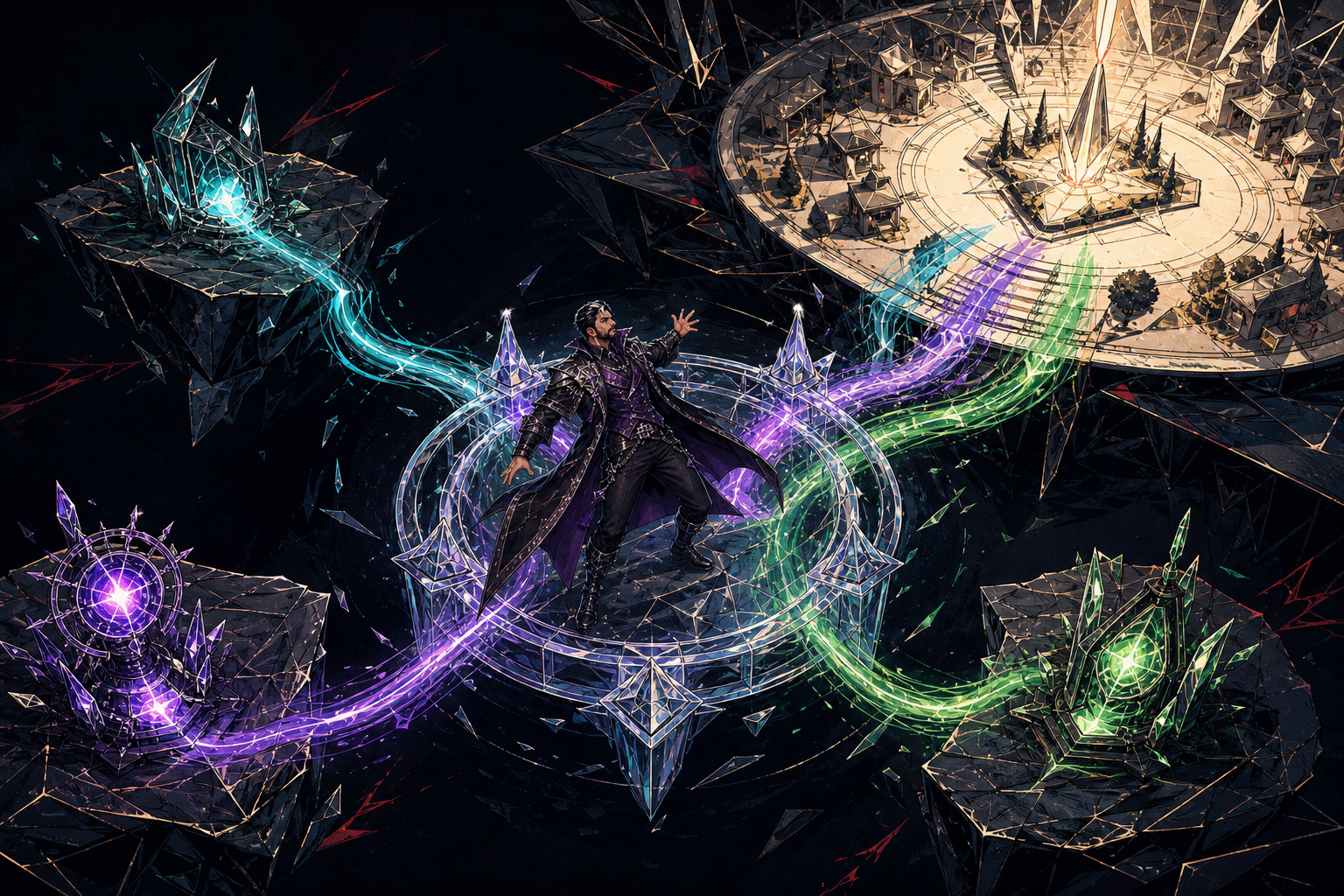

Crypto iGaming has stopped being a payments story and become an infrastructure one. Cross-Chain Interoperability Protocols are now integrated across major Tier-1 aggregators, which removes the historical barriers between blockchain networks and makes non-custodial wagering practical: a player can use assets across several chains without their liquidity being fragmented. It arrives at the same time as the full implementation of the European Union’s Markets in Crypto-Assets regulation, which pushed high-volume wagering onto MiCAR-compliant stablecoins such as EURC and USDC.
What moved the sector from grey market to infrastructure
Three things had to happen together, and between 2024 and 2026 they did: technical scalability, regulatory clarity, and a change in what players expect of their own funds. Ethereum Layer-2 networks such as Arbitrum and high-throughput chains such as Solana brought transaction costs down to fractions of a cent, which is what made micro-betting through smart contracts commercially viable rather than merely possible. The sector moved from basic payment processing to fully integrated Web3 ecosystems on the back of that.
Why the Curacao overhaul forced institutional standards
The Curacao Gaming Control Board has completed its transition to the National Ordinance for Games of Chance, dismantling the system of loosely regulated master licences that crypto-first operators had relied on. Those operators must now run the same Anti-Money Laundering and Know Your Customer protocols as a European licensee, which is why compliance arrived across the sector at roughly one time rather than operator by operator.
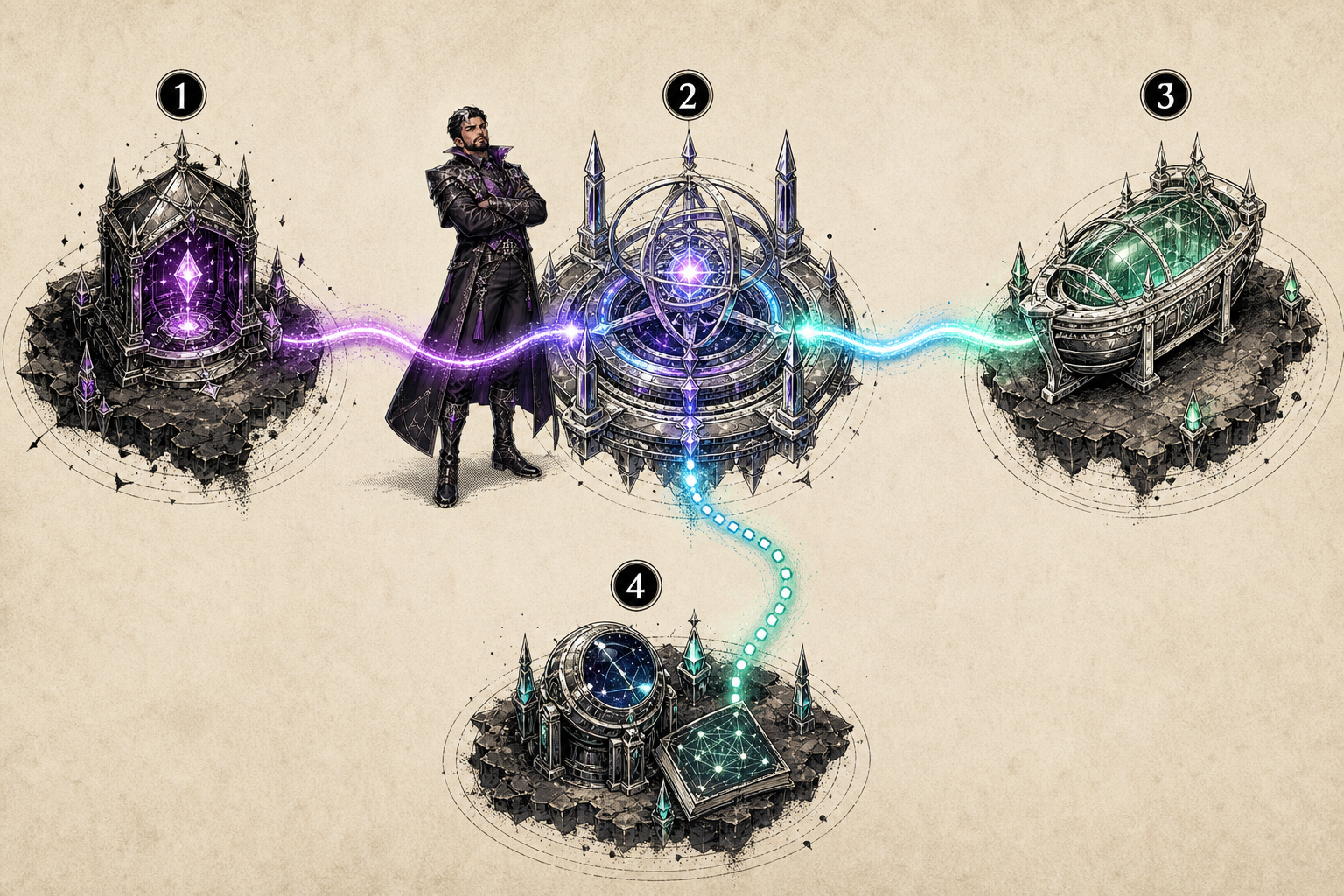
- Player-controlled wallet
- Interoperability hub
- Regulated settlement asset
- Public proof station
What non-custodial wagering changes about trust
Non-custodial wagering means the operator never holds the money. Funds stay in the player’s own wallet until the instant a bet is placed, and smart contracts settle it, which removes the insolvency and mismanagement risks a centralised deposit account carries. Industry analysts describe this True Web3 model as the preferred choice of high-net-worth and VIP players, who connect through wallets such as MetaMask and Ledger Live and keep control of their assets for the whole session.
OmniStake and what a cross-chain liquidity layer does
A leading B2B game aggregator has introduced OmniStake, a liquidity layer that lets players engage with over 5,000 titles using assets from 15 different blockchains at once. It uses the Chainlink Cross-Chain Interoperability Protocol for secure communication between chains, so the manual bridging step disappears from the player’s experience entirely. Aggregators are prioritising interoperability because the crypto-holding population itself has fragmented across Layer-1 and Layer-2 networks.
Malta opens the door to Liquid Staking Tokens as collateral
The Malta Gaming Authority has issued guidance on the use of Liquid Staking Tokens as collateral for high-stakes sports betting. It is the first time a major European regulator has formally addressed yield-bearing assets inside a gambling framework, and it sets out how tokens such as stETH can be used — which lets a player keep earning staking rewards while wagering, and brings a more financially sophisticated customer into the market.
The pivot to regulated stablecoins
Circle and SocGen-FORGE have announced a partnership with three major Tier-1 crypto casinos to replace algorithmic stablecoins with MiCA-compliant ones across all Euro-zone operations. EURCV and USDC are the assets named, and the reason given is de-pegging risk: institutional liquidity stayed out of this sector because of incidents in previous years, and a compliant peg is the condition of it coming in.
What institutionalisation asks of B2B suppliers
Suppliers such as Evolution and Pragmatic Play are being asked for Blockchain-Native versions of their live dealer suites, broadcasting results directly to on-chain oracles for instant settlement. That is a rebuild of how game data is handled rather than an added feature, and suppliers who do not make it risk losing share to Web3 studios that were built on decentralised infrastructure from the start.
MiCA as a double-edged sword, in an operator’s own words
The Chief Compliance Officer at a Tier-1 crypto casino has described MiCA as a double-edged sword: reporting requirements have raised operating costs significantly, and at the same time they have opened access to traditional banking and institutional liquidity. Crypto-native platforms used to be excluded from the legacy financial system outright; compliance now gets them treated like any other regulated fintech, which is what makes robust fiat-to-crypto gateways possible. The official is not named in this report.
Dark Casinos, and the part of the market moving the other way
Not everyone is moving toward regulation. A segment of the player base is reportedly migrating to unregulated Dark Casinos that use privacy coins to bypass compliance, and regulators have responded by calling for more aggressive ISP blocking and financial blacklisting. The Financial Action Task Force is monitoring the automated blockchain analytics tools, Chainalysis among them, that casinos use to satisfy the Travel Rule on transactions above €1,000.
The capacity claim, and what it is for
The CEO of a major blockchain oracle network has said the infrastructure can now handle over 500 million bet-calls a day with near-zero latency — a vendor figure, given at an industry conference and not independently verified here. What it is offered as evidence for is that Provably Fair 2.0, where the entire payout logic sits on a public ledger, is no longer constrained by throughput. Our report on Provably Fair 2.0 on Layer-3 chains follows the same standard onto dedicated chains.
The games the model produced
The trending titles of 2026 are defined by cryptographic proof and by who gets to be the house. Quantum Crash, from ChainGames, uses Zero-Knowledge Proofs to guarantee fairness without revealing the house seed until the round ends. DAO-Bet Blackjack, from DecentraPlay, sells Liquidity Tokens that let players act as the bank and share the house’s profits and losses in proportion to their stake. Hyperion Slots, from the Web3 Gaming Collective, triggers NFT Power-Ups in its bonus rounds that can be traded on secondary markets, and Stable-Race, from Velocity Labs, settles virtual horse racing on-chain using live crypto price feeds as track conditions.
What Nebula Velocity showed about demand
Nebula Velocity, a social multiplayer title on Solana, reached 50,000 concurrent players within 48 hours of launch, with player achievements recorded permanently on-chain as NFT-based loyalty rewards. Industry media reports a 40% year-on-year increase in blockchain-integrated game launches, a figure this report attributes to trade press rather than to an audited source, and reads as the tech gap between traditional studios and Web3-native developers closing.
Where this leaves auditing, and where it leaves operators
Third-party auditing now extends past software testing into smart contract verification, and firms such as CertiK and Hacken sit alongside established labs like eCOGRA rather than behind them. Consolidation is the other consequence: MiCA and the Curacao LOK favour platforms that can absorb the cost of compliance, and the operators who last will be the ones who can hold radical on-chain transparency and rigorous compliance requirements at the same time.
If that is the position your platform is in, it is the work we do — talk to us about which half you need first.
Frequently asked questions
What is non-custodial wagering?
Non-custodial wagering keeps a player’s funds in their own wallet until the moment a bet is placed, with smart contracts settling instantly rather than an operator holding deposits in a centralised account. It removes the insolvency and mismanagement risk that a custodial float carries, and it has become the preferred model for high-net-worth and VIP players connecting through wallets such as MetaMask and Ledger Live.
What is OmniStake?
OmniStake is a liquidity layer introduced by a leading B2B game aggregator that unifies wagering across ecosystems, letting players use assets from 15 different blockchains across more than 5,000 titles. It runs on the Chainlink Cross-Chain Interoperability Protocol, so the chains communicate securely and the player never has to bridge assets by hand.
What did the Malta Gaming Authority say about Liquid Staking Tokens as collateral?
The Malta Gaming Authority has released a guidance paper on using Liquid Staking Tokens as collateral for high-stakes sports betting. It is the first time a major European regulator has formally addressed yield-bearing assets in a gambling context, and it sets out how tokens such as stETH may be used, which lets a player keep staking rewards while wagering.
Which stablecoins are replacing algorithmic ones in the Euro-zone?
Circle and SocGen-FORGE have announced a partnership with three major Tier-1 crypto casinos to replace algorithmic stablecoins with MiCA-compliant ones, specifically EURCV and USDC, for all Euro-zone operations. The stated purpose is to remove de-pegging risk and to give institutional liquidity a base it will accept.
What are Dark Casinos?
Dark Casinos are unregulated platforms that use privacy coins to bypass compliance measures, and a segment of the player base is reportedly migrating to them as the regulated sector tightens. Regulators have responded by calling for more aggressive ISP blocking and financial blacklisting of non-compliant operators.
What is a Blockchain-Native live dealer suite?
A Blockchain-Native live dealer suite broadcasts game results directly to on-chain oracles for instant settlement, instead of resolving them on a centralised server. Suppliers including Evolution and Pragmatic Play are being asked for this, which means rebuilding how game data is handled rather than adding a feature to an existing product.