


















Artificial intelligence changes a casino game by making it react to the individual player rather than to a fixed design. That is the whole of the promise, and it is why AI has moved from a marketing term to a development decision for anyone building for the iGaming market.
This article sets out what AI does inside a casino game, five games from our own studio that use it, and the six-step process by which one gets built.
How AI changes what a casino game can do
Online casino gaming has grown to thousands of large gaming sites, and with that growth came a sense of déjà vu: an enormous number of games that share a common formula and deliver repetitive gameplay with minimal diversity.
AI is what breaks the formula. Its algorithms analyse player data, predict behaviours and tailor experiences, so dynamic game elements, bonuses and challenges are continually adjusted rather than set at release. The same systems carry security protocols meant to ensure fair play and guard against potential threats — precision and personalisation, in the studio’s own framing.
That integration has changed how online casinos and betting platforms operate, and it is pushing at player engagement, data utilisation and the overall evolution of the industry at the same time.
Five AI-powered games from the Wizards studio
The success of an online casino game developer depends on the quality of the products it offers — a slot machine, a table game or anything else at the table.
Wizards competes in iGaming platform development on a fusion of innovation, excitement and safety, and the five games below are up-and-coming rather than finished catalogue. Each is linked to the case study that explains how it was built.
https://www.youtube.com/watch?v=z8KUgJxPrqs
Cleopatra’s Cash Bingo
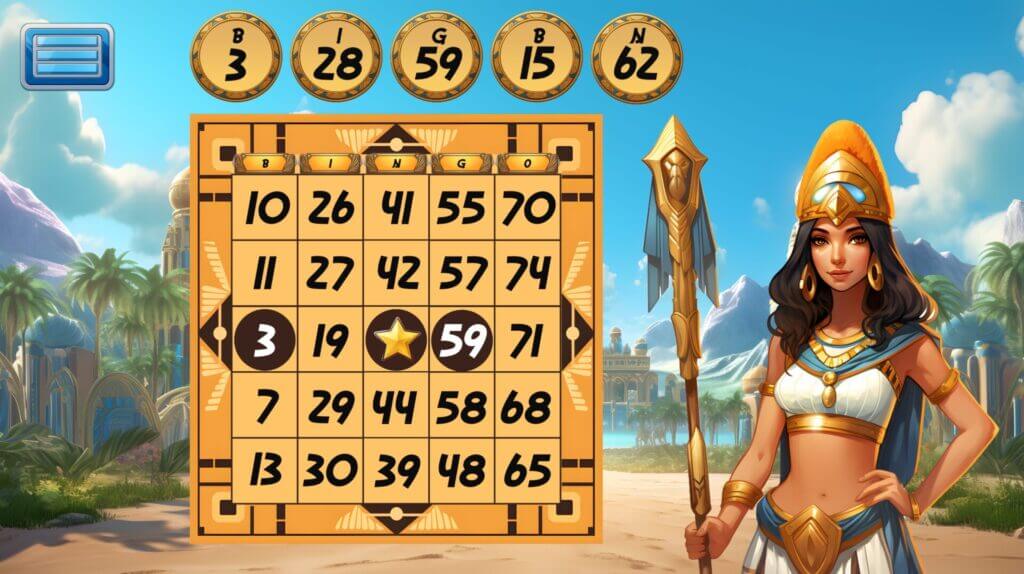
Bingo has found its way into the digital age, and Cleopatra’s Cash Bingo is our version of it.
The game takes a familiar hall format into ancient Egypt, with daily free boosters to collect and other players in the same room. It is the classic game made convenient rather than reinvented, which is the point of it.
Jungle Jackpot Frenzy
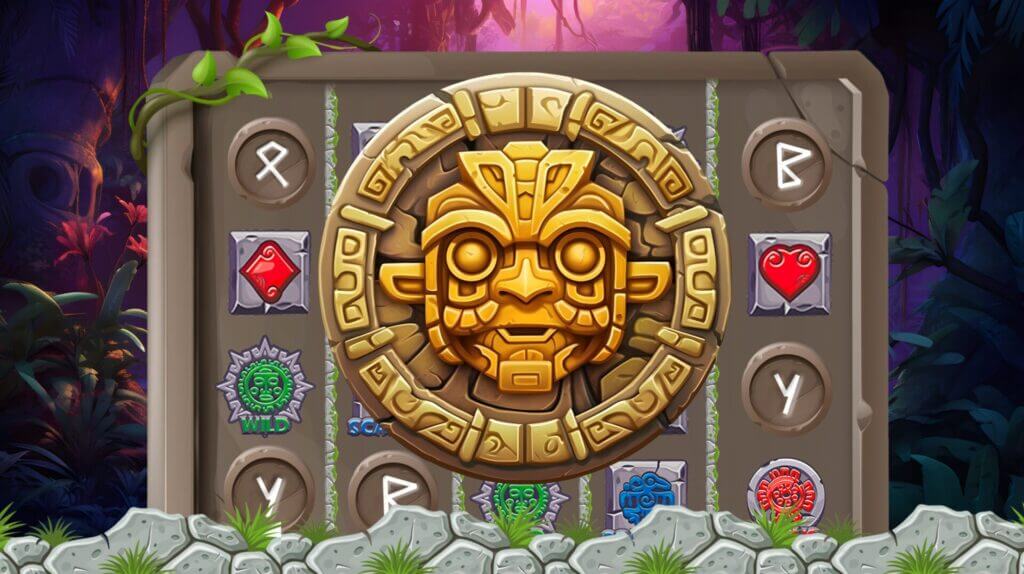
Online slots are digital versions of the classic slot machines: spin the reels, match the symbols, take the prize.
Jungle Jackpot Frenzy is our mix of luck and entertainment in that format, with lush graphics and vibrant animations, majestic tigers, colourful parrots and mischievous monkeys on the reels. Slots are easy to play, and the work is in the theme and the bonus features rather than the rules.
The Sorceress’ Spin

Spin wheels engage users and connect a brand with its audience, which is why they turn up as often in promotions as in games.
The Sorceress’ Spin is a virtual adaptation of that classic charm. Its mechanics run on React Native for the visuals, MongoDB for prize storage and Node.js for real-time updates and secure gameplay — a stack worth naming, because a spin wheel lives or dies on whether the prize a player sees is the prize the server recorded.
Gear & Gold Meltdown
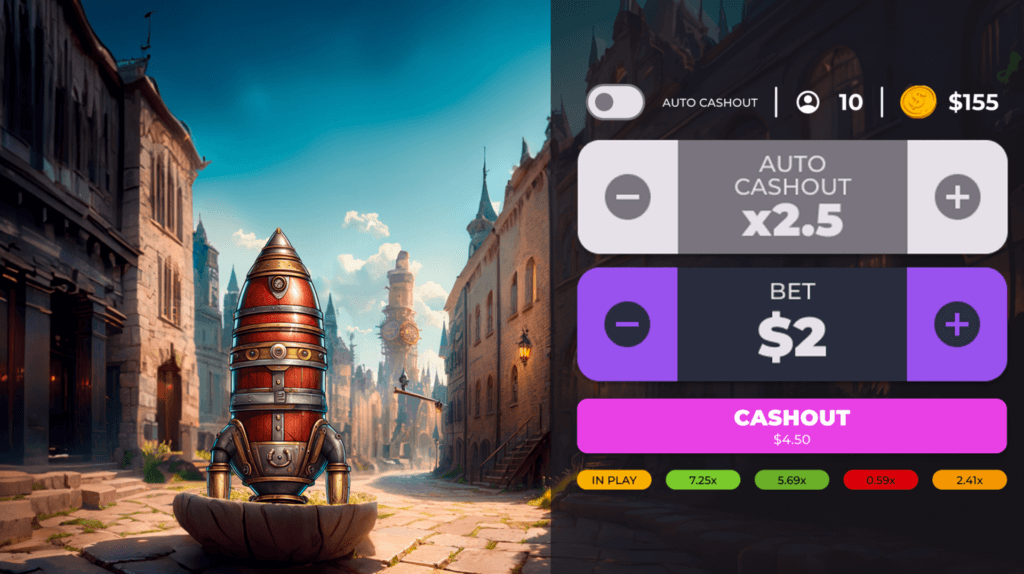
Crash games are fast-paced by design, combining strategy, timing and luck in a way no other format does.
Gear & Gold Meltdown puts that on a steam-powered rocket. The thrill is not the flight: at any moment the pressure mounts and the ride can end in a meltdown, and the only decision a player makes is when to get out.
Carn-Evil Cash Grab
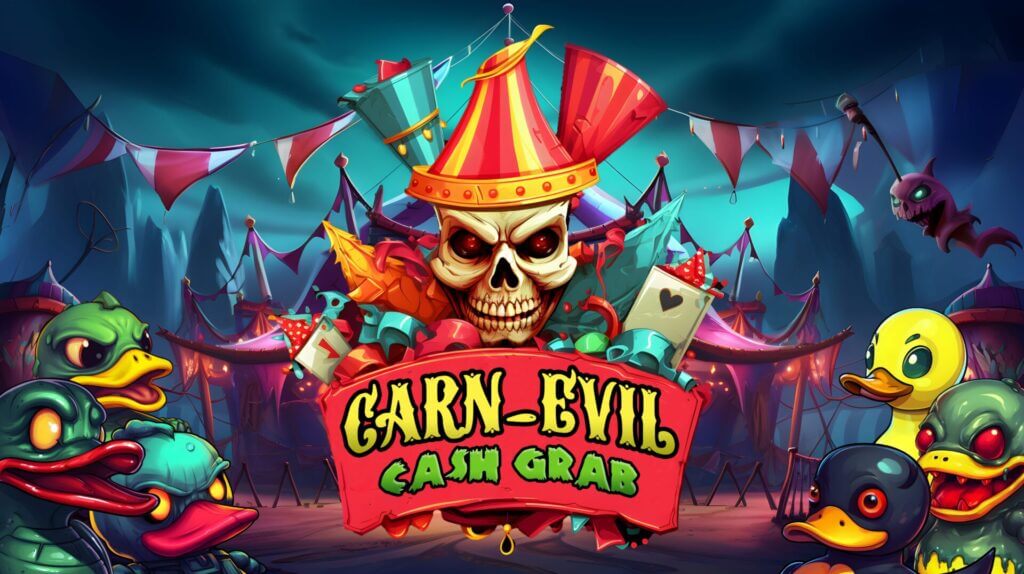
Tap and win games give an instant reward for a single touch, which makes them as useful in a promotion as in a game.
Carn-Evil Cash Grab sets that in a zombie-filled circus, where the job is to take aim and fire at haunting zombie rubber ducks as they dance on the water.
Where AI is actually used in casino games
AI turns up in five places in a casino product, and only one of them is the game itself. For an iGaming platform development company these are the aspects an operator asks about when it wants to stand out.
Game personalisation algorithms
Personalisation reads individual preferences, betting patterns and gaming histories, then customises the gameplay around them.
That means recommending specific games, features and promotions that align with each player’s preferences, and it is aimed at engagement, conversion and retention rather than at the mechanics of any single title.
Security systems and fraud detection
AI analyses large datasets to identify irregular betting patterns, collusion among players and potential cyber threats.
These systems monitor and detect fraudulent activity in real time, and it is the real-time part that matters: early detection lets a casino take immediate corrective action, protecting both players and the house.
Customer support
Natural language processing lets chatbots understand and respond to player inquiries accurately.
They offer assistance around the clock — answering queries, giving information on games and promotions, and handling routine tasks such as account inquiries and password resets.
Predictive analytics for player behaviour
By analysing historical data, AI models can predict which games players are likely to enjoy, their preferred betting patterns, and how likely they are to return.
Those insights are what let a casino tailor marketing campaigns, loyalty programmes and game offerings, rather than run the same one at everybody.
Innovation
Developers and platform providers are still exploring what AI can do, and the current edge of it is virtual reality, augmented reality and AI-generated content.
That is an open list rather than a shipped one, and it is worth reading as such.
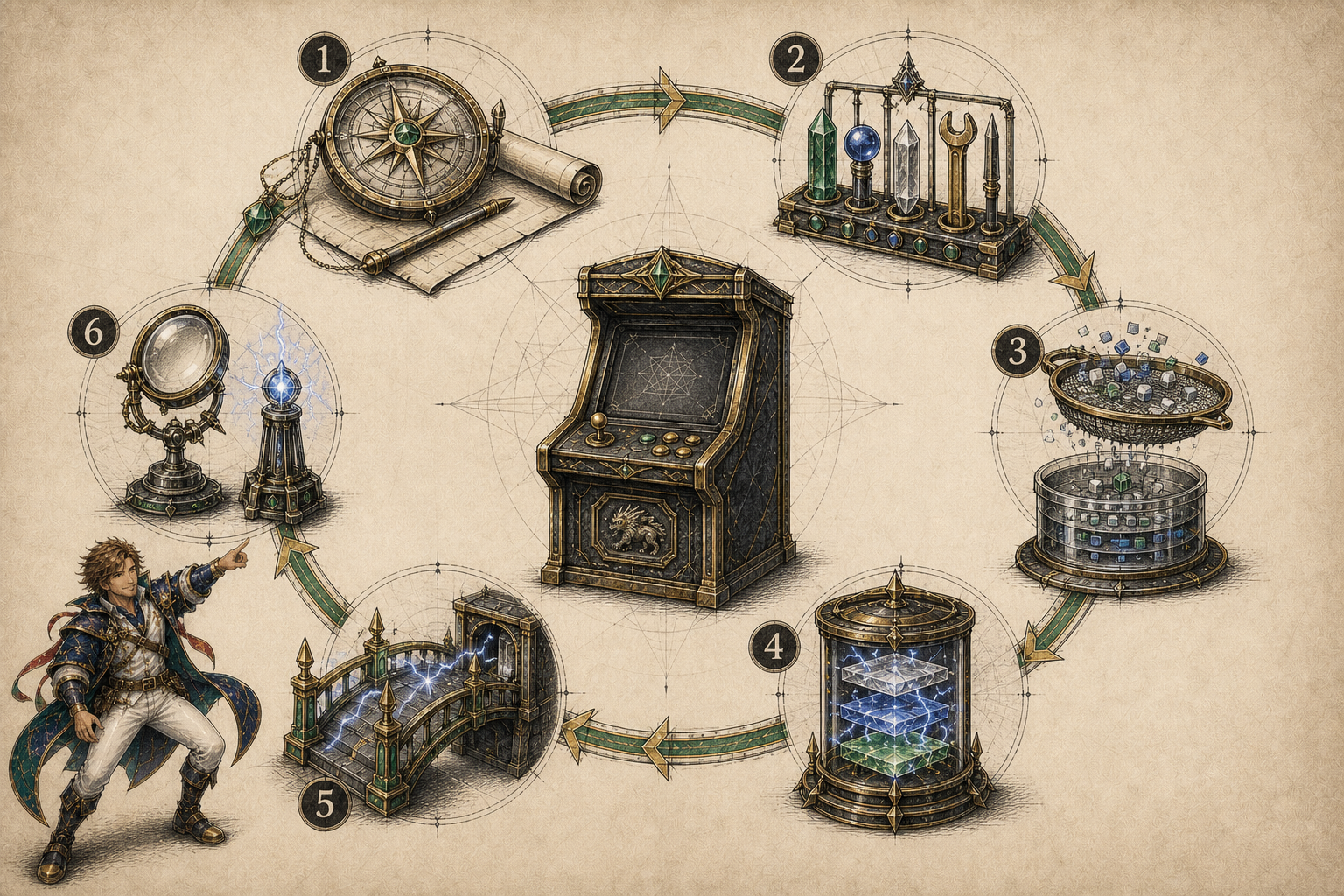
- Research, objectives and planning
- Technology and tool selection
- Data collection, cleaning and privacy
- Model development, training and validation
- Integration into the game architecture
- Testing, feedback and ongoing monitoring
How an AI-powered casino game gets built
Integrating AI into a game is a six-step process, and the first two steps decide most of the outcome.
1. Pre-development research and planning
Nothing is chosen until the objective is written down.
We define the goals of AI integration — engagement, personalisation or security — analyse the market to identify trends and the AI features currently in demand, and estimate the budget, including technology costs, personnel and potential licensing fees.
2. Selecting the right AI technologies and tools
The framework is chosen against the project rather than against fashion.
Common options include TensorFlow, PyTorch and scikit-learn. Two more decisions are made at the same time: how data will be handled, which covers databases, storage and cleaning; and which machine learning algorithms fit the objective, whether that is recommendation, natural language processing or computer vision.
3. Data collection and preparation
High-quality data is the lifeblood of an AI model, and most of the work here is subtraction.
We gather relevant data from user behaviour, game interactions and player preferences; clean and preprocess it to remove noise, inconsistencies and outliers; and implement data privacy measures to protect user information and comply with regulations.
4. AI model development and training
The models are designed against the game’s objectives, then trained on the prepared data.
Whether the goal is a personalised experience, fraud detection or optimised gameplay, the models are refined continually to improve accuracy, and then tested and validated in controlled environments before they meet a player.
5. Integration into the game
APIs and interfaces connect the trained models to the game’s architecture.
Two constraints govern this step: the AI features have to enhance the user experience without disrupting gameplay, and the systems have to process data and respond in real time, or the fluidity of the game goes with them.
6. Rigorous testing and refinement
Testing does not end at launch.
Quality assurance finds the issues in the AI features, player feedback shows how the AI is affecting the experience, and monitoring systems track performance so problems are addressed promptly rather than discovered by a player.
What this means for an operator
AI has made personalisation and adaptability the baseline expectation rather than a differentiator, and demand for AI-driven solutions has continued to rise with it.
Wizards’ AI-powered games use those algorithms to create dynamic, personalised experiences aimed at retention and engagement. If you want the groundwork rather than the showcase, we have written about AI’s influence on game development and about the practical fundamentals behind it, and about custom game development for an operator’s own brand.
Frequently asked questions
How does AI change a casino game?
By making it react to the individual player. AI algorithms analyse player data, predict behaviours and tailor the experience, so dynamic game elements, bonuses and challenges are continually adjusted rather than fixed at release. The same algorithms carry security protocols intended to guard fair play against potential threats.
What does game personalisation actually do?
It reads individual preferences, betting patterns and gaming histories, and uses them to customise the gameplay — recommending specific games, features and promotions that align with each player. The stated aim is engagement, conversion and player retention.
How does AI help detect fraud in an online casino?
By analysing large datasets for irregular betting patterns, collusion among players and potential cyber threats. These systems monitor and detect fraudulent activity in real time, and early detection is what lets a casino take immediate corrective action rather than a retrospective one.
What does AI do for casino customer support?
Natural language processing lets chatbots understand and respond to player inquiries, offering assistance around the clock: answering queries, giving information on games and promotions, and handling routine tasks such as account inquiries and password resets.
What are the steps to develop an AI-powered casino game?
Six, in order: pre-development research and planning; selecting the AI technologies and tools; collecting and preparing the data; developing and training the models; integrating them into the game; and then rigorous testing and refinement. The last step is continuous rather than final.
Which AI frameworks are used in casino game development?
The framework is chosen against the project’s needs, and common options include TensorFlow, PyTorch and scikit-learn. The choice sits alongside two others made at the same time: how data will be stored and cleaned, and which machine learning algorithms match the objective.
If you are weighing an AI-powered game of your own, talk to our team and we will start from the objective rather than the framework.