










We have written about the role of AI and the fundamentals of using it in game development. Casino games are a market of their own inside that industry, and they are built differently. This piece covers what custom game development means for a casino, what it is worth, the process it follows, and the three routes an operator can take.
What custom game development is
Custom game development is the creation of unique games adapted to specific requirements rather than bought off the shelf. Because a custom game is designed from scratch, its gameplay mechanics, graphics and storylines can all be personalised.
For casino games specifically, that means designing and developing slot machines, spin-the-wheel games and table games with customised features, graphics and mechanics — built to add to what the casino already offers and to distinguish it from competitors.
The benefits of custom game development
Custom development pays back in five specific ways rather than in general quality, and monetisation is the one operators usually raise first.
Monetisation opportunities
Custom development opens more revenue options because the features are yours to choose. The models available include game subscription services, in-game purchases and ads, expansion packs and sponsored content.
Longer shelf life
Custom games can be updated on the strength of player feedback, which keeps a title earning after launch. Scalable monetisation and community-driven events sustain engagement, and mechanics that keep changing keep players interested.
Creative control
Creative control means aesthetic design and storytelling that need not follow industry convention, using current technologies and game engines rather than the ones a template ships with.
Unique gameplay experiences
A custom game can offer experiences that traditional games do not, including interactive mechanics, individualised rewards and personalised difficulty levels.
Feedback adaptability
A feedback-driven build lets developers engage with players, act on what they say and improve the game, which is what raises retention and acquisition.
The types of casino game software
| Types Of Casino Game Software | Description |
| Mobile Apps | Online casino games developed specifically for Android or iOS devices, offering 24/7 access to customers. |
| Web Browsers | Ideal for delivering a grand casino experience to customers through web browser-based development. Web or mobile-based games are considered better than on-premise solutions due to the use of cloud infrastructure. |
| Desktop Apps | Games installed on PC or laptops. It’s essential to decide whether to develop from scratch or use casino game software providers. |
The features every casino game needs
Whatever the concept, five features are not optional in a casino game, and two of them decide whether players trust it at all.
- Easy profile registration. Users should be able to register and create profiles easily across devices.
- Secure payment options. Multiple user-friendly payment modes — bank transfers, PayPal, credit and debit cards — with third-party payment gateway integration where that improves the experience.
- 24/7 customer support. Continuous support resolves issues quickly, which is what platform credibility rests on.
- RNG systems. Random Number Generator systems are what make gameplay fair, and they matter to players who care about transparency and security.
- Rewards and bonuses. Welcome and loyalty bonuses keep players engaged, and affiliate marketing is the efficient way to promote the game and attract quality leads.
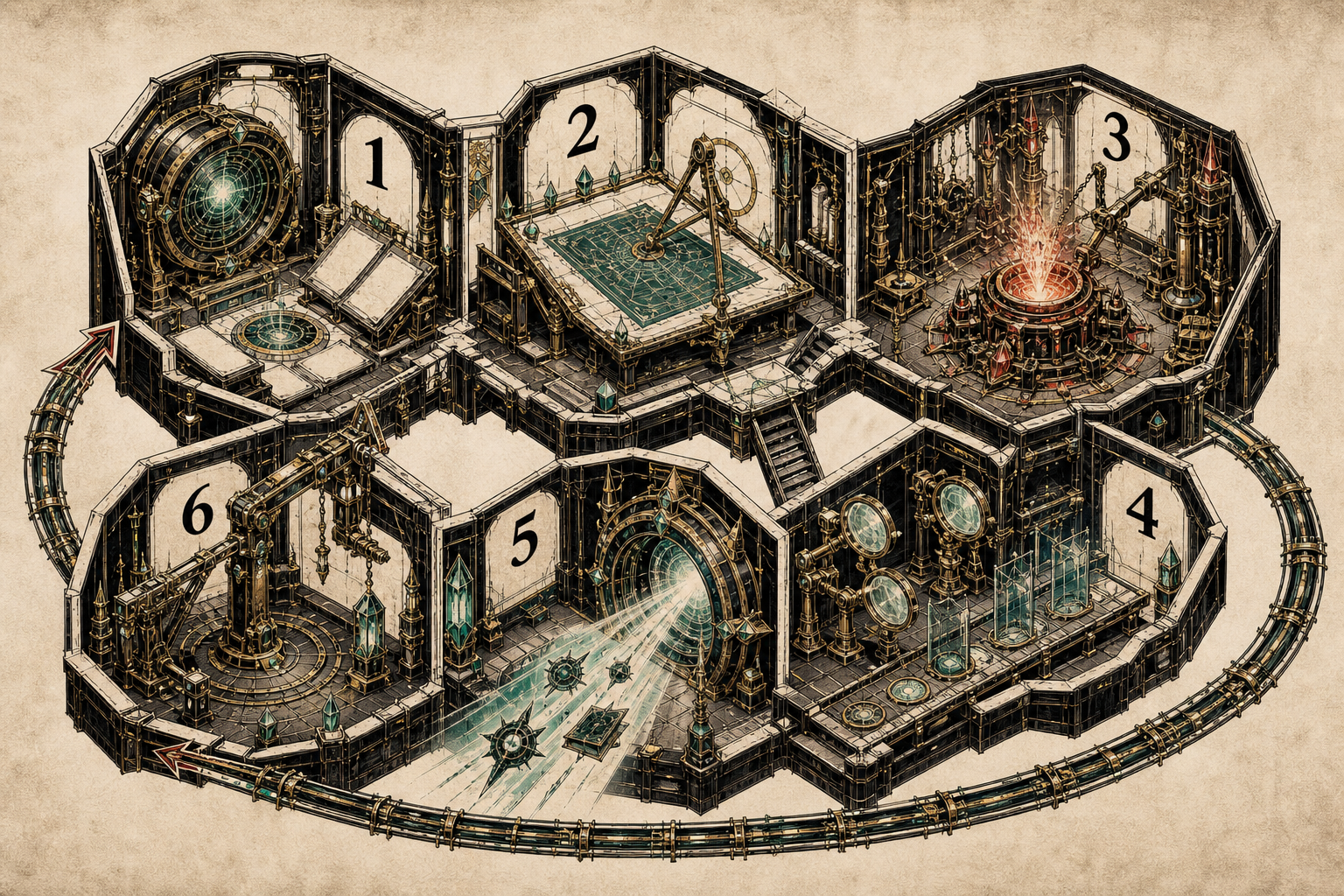
- Requirement analysis
- Design and planning
- Development
- Quality assurance and testing
- Launch and deployment
- Post-launch support and maintenance
The custom game development process, step by step
The process runs in six steps from requirements to post-launch maintenance, and the last one is the one most often underestimated.
Step 1: Requirement analysis
Define the specific requirements for the game, including its type, its target audience and the features it needs, such as easy profile registration and secure payment options.
Step 2: Design and planning
Create a detailed game design and development plan covering architecture, user interface and overall experience, with 24/7 support and RNG fairness built into it rather than added later.
Step 3: Development
Development is where the research and the concept become a working game, and where it becomes clear whether the parts blend. The features settled in the previous steps are built in here rather than retrofitted.
Step 4: Quality assurance and testing
Test the game thoroughly to identify and fix bugs, glitches and issues, with support in place for problems that surface during the process.
Step 5: Launch and deployment
Launch the finished, tested game to the target audience, and promote it with affiliate marketing to attract quality leads efficiently.
Step 6: Post-launch support and maintenance
Continuous support and monitoring are what keep a launched game engaging. Gathering user feedback and acting on it is what the updates after launch are made of.
The three ways to build a casino game
There are three routes to a casino game, and they trade time against distinctiveness. The table sets out what each one is for.
| Development Type | Description |
| Custom Casino Game Development | Allows operators to build their own casino game from scratch. From design to development, features, tools, and third-party integrations, everything can be customized to build the game on their terms. It may require more time or resources but helps the game stand out if the idea is unique. |
| Casino Game Replica Development | Ideal for operators who want to launch their version of a game that already exists in the industry. The advantage is leveraging what is already working and getting the game at a lower cost. |
| Ready to Launch Casino Games | Ideal for operators wanting a quick market entry with their casino game. These games allow operators to customize the front-end based on their business requirements and also support third-party integrations. |
The most popular casino games
Five formats account for most of what players look for online, and they suit different audiences rather than competing for one.
- Online slots. Captivating visuals, generous payout rates and lively symbols, accessible to a broad audience because they require no specialised skill. They make up a significant portion of online casino offerings.
- Dice games, including craps. Dice games trace back to ancient Egypt and China. Craps in particular has grown in online casinos, notably in the UK and Europe.
- Crash. Popular in the US, UK, Europe, China and Australia, with multiple variations that sustain player interest.
- Hi-low. A card game widely enjoyed in France, Spain, Latin America and Thailand, in which the player predicts whether the next card will be higher or lower than the one dealt.
- Blackjack. Also known as twenty-one, a strategic card game in which players try to outscore the dealer without going over 21. Widely available online and a global favourite.
AI-driven solutions for a casino portfolio
AI changes casino game development at both ends — personalisation algorithms on one side, predictive analytics for player behaviour on the other. Both are ways for a title to stand out in a crowded market.
Integrating AI into each element of the development workflow is the part that needs people who have done it before, and it is where a project most often stalls.
Custom development for casinos spans programming, design and marketing, which is why it rarely sits with one person. If you are weighing a build, a replica or a ready-to-launch title, talk to us and we will work through which one fits what you are trying to do.
Frequently asked questions
What is custom game development?
Custom game development is the creation of unique games built to specific requirements rather than taken off the shelf. Because they are designed from scratch, the gameplay mechanics, graphics and storylines can all be personalised. For casinos that means slot machines, spin-the-wheel games and table games with customised features.
What are the three ways to build a custom casino game?
Custom casino game development builds from scratch, with design, features, tools and third-party integrations all decided by the operator; it takes more time and resources but makes a unique idea stand out. Replica development launches an operator’s version of a game that already exists, at lower cost. Ready-to-launch games give a quick market entry, with a customisable front end and support for third-party integrations.
What programming language is used for custom game development?
C++, JavaScript, Python and TypeScript are all used. Which one is appropriate depends mostly on the platform the game will be hosted on — JavaScript is often the preferred language for web-based games.
How much does it cost to develop a casino game?
The cost varies with the complexity of the features, the game mechanics and any multiplayer capability, so this article does not put a figure on it. Defining the requirements of the concept accurately, or getting a customised quote from an experienced casino game development company, is what produces a real number.
What algorithms do casinos use?
The Random Number Generator is the most commonly used algorithm and the primary mechanism for determining game outcomes. Algorithms of this kind exist to ensure fair play and protect the integrity of the games, in response to the vulnerability of older machines to cheating techniques.
Can AI predict gambling outcomes?
AI is used in both traditional and online casinos to forecast game outcomes and offer players the best possible odds, and it is also being brought into the game development process itself to improve player experience and security.